Applied Mathematics

A Mathematics minor shows employers and graduate schools that you have strong analytical skills! Plus, a minor does not require many additional courses, especially for math-intensive majors like Business, Chemistry, Physics or PSEN. If you take Calculus I and II, you’re almost halfway to a minor.

Description – Consists of 26 credits:
1. Mathematics 225, 226, 230. 

2. Complete two from the following courses: Math 310, 315, 356, 357.

3. Complete two additional courses from Math 227, 305, 310, 315, 320, 356, 357, 362, 367.

For more information visit the UW-Stevens Point course catalog.

Natural Science Education

GET READY TO INSPIRE WITH YOUR TEACHING DEGREE FROM UW-STEVENS POINT        

The UW-Stevens Point Natural Science Education program is one of the first within the Universities of Wisconsin to address the new science, grades 4-12, state requirements. Of critical importance, this program addresses the need for broadly trained and highly qualified science teachers in school districts across the state.

Students in the natural science major take course work from a core set of science courses, select a minor in chemistry, biology, physics, or earth and space sciences, and a certificate in an additional area of chemistry, biology, physics, earth and space sciences, or environmental sciences. This diverse array of science coursework provides ample knowledge to teach any science discipline, grades 4-12, and provides an opportunity to focus on an area of emphasis. 

Praised for its program outcomes, graduation and retention rates, advising services, student organization opportunities and vast program options, UW-Stevens Point was ranked second in the U.S. on Study.com’s Best Colleges for Education Majors list.

Department of Biology

Why study Natural Science Education at UW-Stevens Point?

Our program provides students with frequent opportunities for hands-on learning in grade 4-12 classrooms and schools. This includes practicum experiences working with school-aged children early and often throughout the program. UW-Stevens Point graduates with Secondary Science Teaching Certification typically have some of the highest full-time job placement rates within their first year after graduation across the UW System.​ For example, more than 90 percent of our recent science education graduates have been hired within one year of graduation.

Our Hands-on Experiences

UW-Stevens Point offers its students dedicated labs for molecular genetics, cell biology, human and animal physiology, plant taxonomy, human anatomy, higher vertebrates and lower vertebrates. We are able to study in 40,000 acres of private, county and state land within 20 miles of campus, providing a great diversity of habitats for scientific investigations, and we have the only student-run vivarium in the state. Plus, the department operates the Northern Aquaculture Demonstration Facility.


Scholarships and Awards

The Department of Biology recognizes outstanding students at the annual Spring Awards Ceremony. In 2026, a total of $55,000 was awarded thanks to our generous donors and endowed scholarships.


WHAT TO EXPECT

Students are immersed in a curriculum that emphasizes an inquiry-based approach and best practices in science education as well as a broad exposure to all scientific disciplines with a deep understanding of its intricacies. Students have opportunities to collaborate with faculty through independent, authentic scientific research, think critically about scientific conventions and how scientific disciplines are intertwined, and utilize state-of-the-art equipment throughout their course work.

At UWSP, we foster inclusivity in STEM fields by building and supporting communities of STEM learners. Educational coursework emphasizes the development of praxis through reflection and commitment to thinking and acting ethically concerning social and educational equity and justice. The program emphasizes the transformative power of education as a call to action to challenge injustice and empower all learners.

Students are able to directly put into practice skills and knowledge learned throughout their coursework during their student teaching, the culminating experience in a pre-service teacher’s academic program of study. This provides an opportunity for teacher candidates to practice and refine their knowledge and skills under the supervision and guidance of cooperating teachers and UWSP science faculty who have dedicated their careers to science education and mentorship.

GET INVOLVED ON CAMPUS

Through volunteer opportunities and varied professional development opportunities, you’ll be an active learner closely involved in real-world situations designed to ensure your professional success.

Our students are academically engaged, highly motivated and actively involved at the local, state, national and international levels. Student organizations are vital to your pre-professional experiences. As such, the School of Education sponsors the following organizations: Aspiring Educators, Association for the Education of Young Children, Kappa Delta Pi and Student Council for Exceptional Children. In addition, science departments in the College of Letters and Science offer similar opportunities to get involved with fellow students, professors and the community through the Botany Club, Herpetology Society, National Biological Honor Society, Chemistry Club, Society of Physics Students and Geo Club. Explore More!

You may be lucky enough to work with one of the Neale Fellows, select teachers whose projects make a difference at their schools and who work jointly with faculty teaching your classes.

MEET YOUR FACULTY

Faculty and staff from the School of Education, Department of Biology, Department of Chemistry and Biochemistry, Department of Physics, and Geospatial Sciences are caring, involved and committed to student success. They are dynamically responsive to the changes happening in education and scientific disciplines and offer outstanding support to our students’ professional preparation.

Archives: Faculty / Staff Profiles – Faculty / Staff Directory

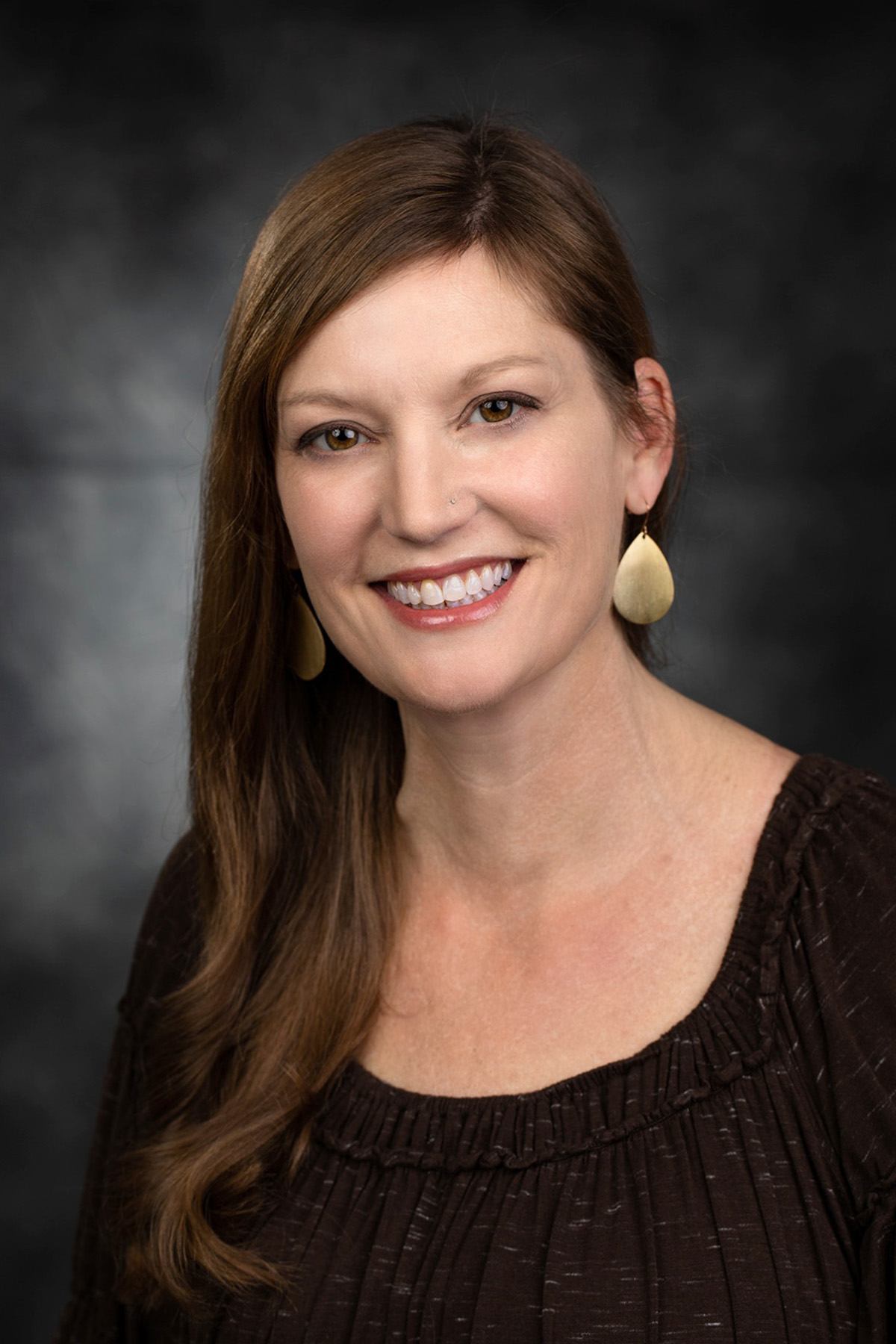
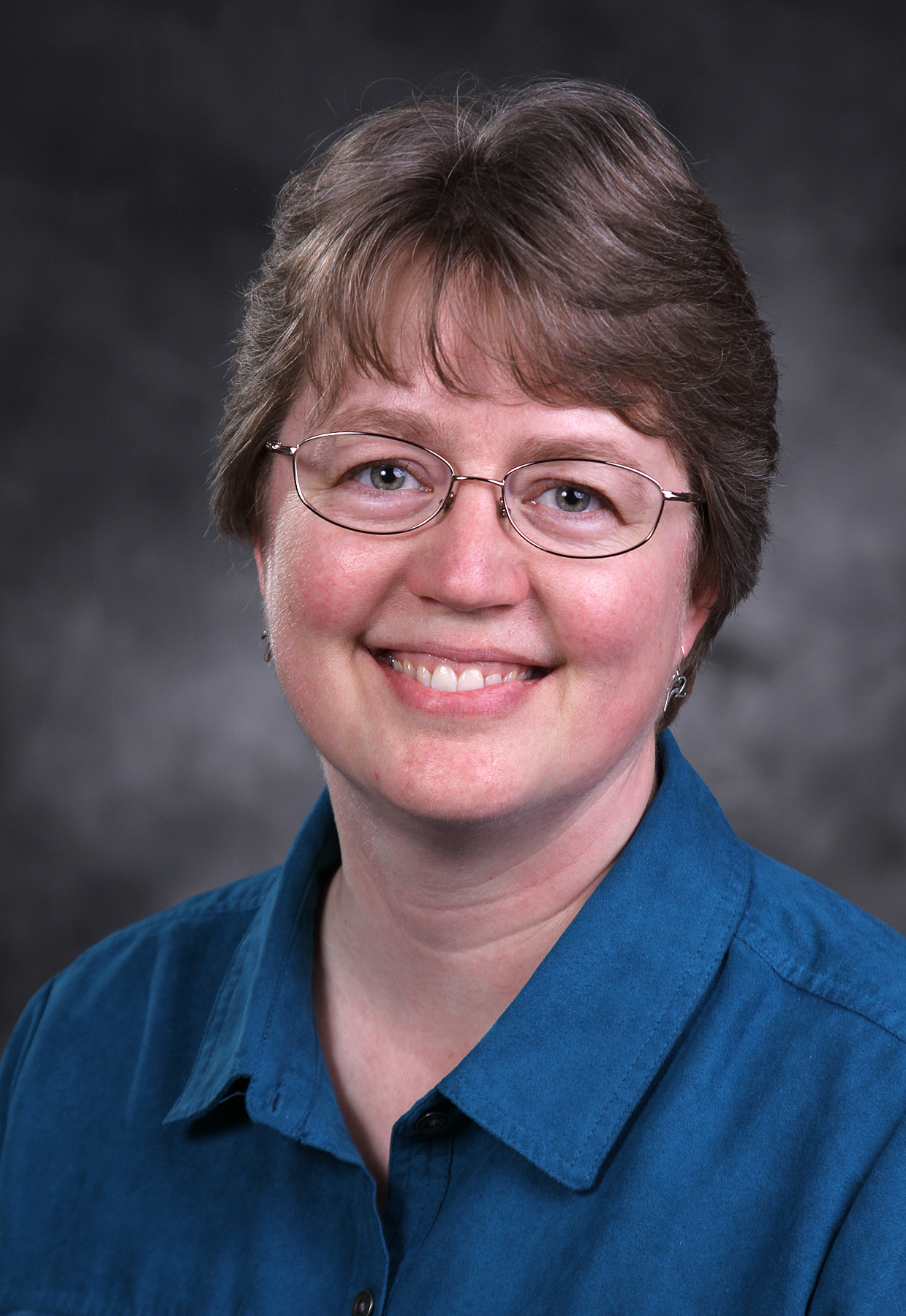
Profile Photo: Krista Slemmons

Krista Slemmons

  • Professor
  • Natural Science Education coordinator
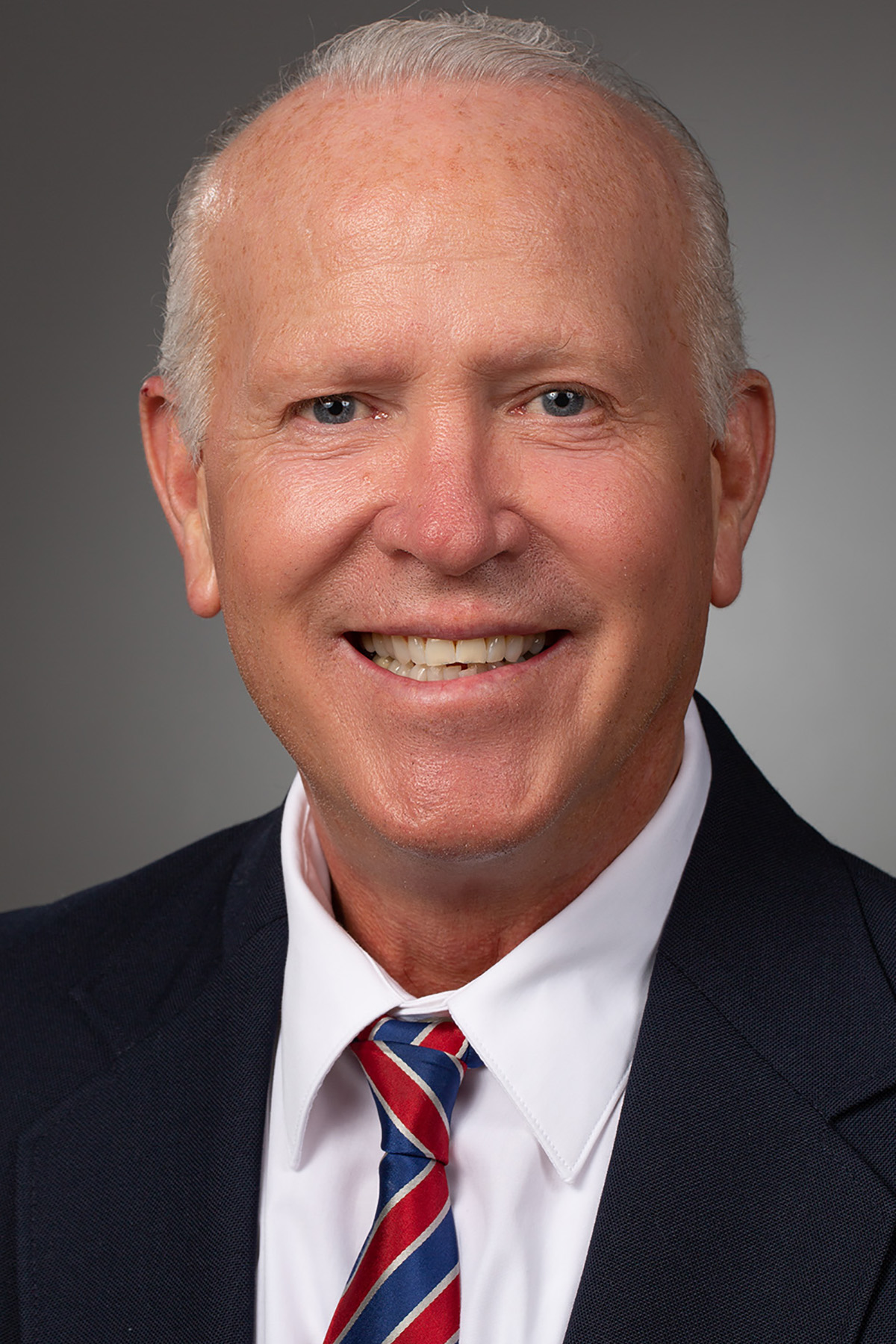
Profile Photo: Perry Cook

Perry Cook

  • Professor – Science Education
  • Director – Harju Center for Opportunities in Education
  • [ More… ]
452 College of Professional Studies
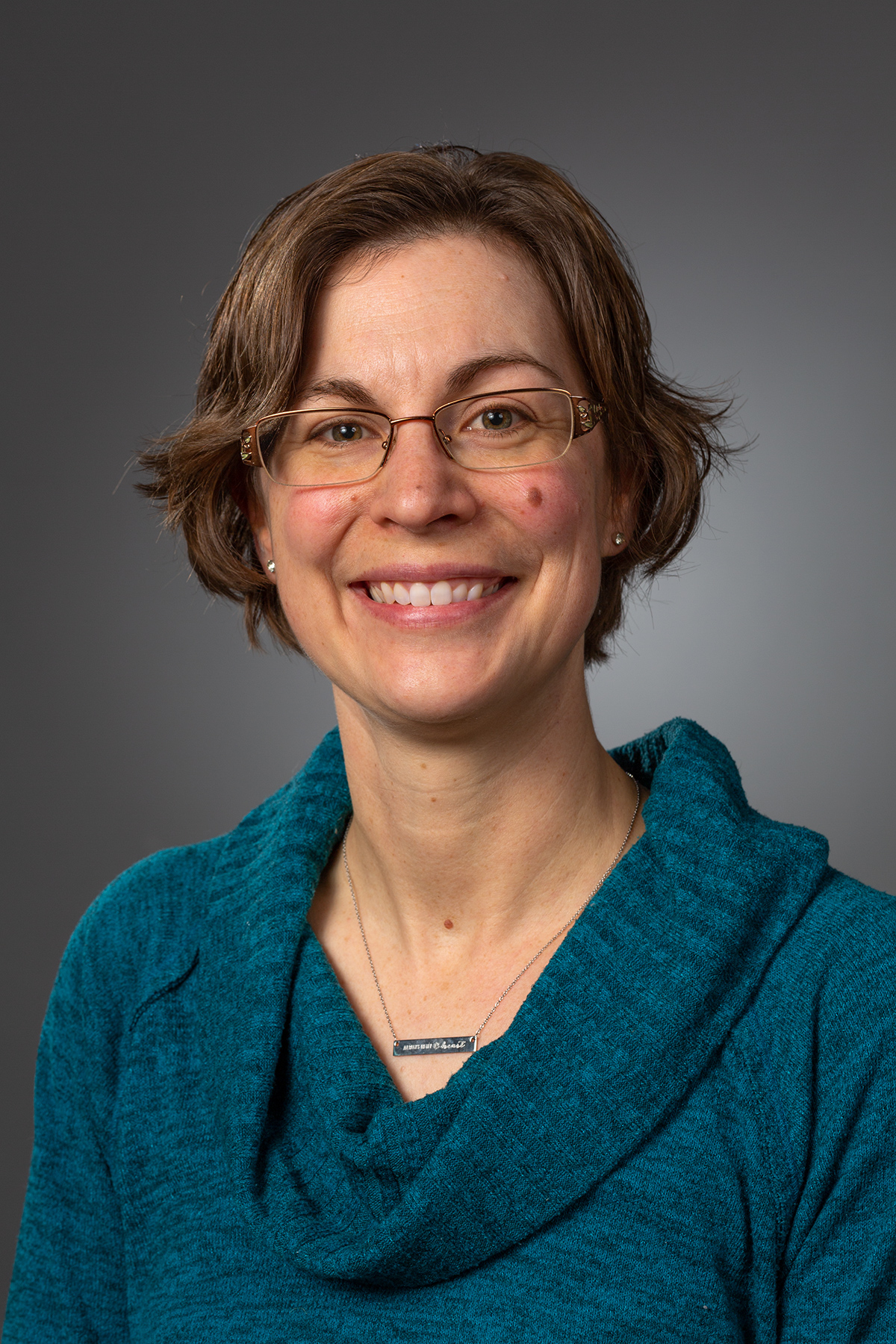
Profile Photo: Sarah Orlofske

Sarah Orlofske

  • Associate Professor
  • Curator of Animal Parasites

Mathematics: Education Option

PREPARE TO LEAD WITH A SECONDARY/MIDDLE SCHOOL TEACHING DEGREE IN MATHEMATICS

The UW-Stevens Point mathematics education major is an undergraduate program that focuses on the knowledge, skills and dispositions needed to teach mathematics to students, grades 4-12. Successful candidates in the program earn a bachelor’s degree and a Wisconsin teaching license in mathematics education.

Praised for its program outcomes, graduation and retention rates, advising services, student organization opportunities and vast program options, UW-Stevens Point was ranked second in the U.S. on Study.com’s Best Colleges for Education Majors list.

Department of Mathematical Sciences

Why study Mathematics Education at UW-Stevens Point?

UW-Stevens Point graduates in the School of Education typically have some of the highest career outcome rates in full-time teaching jobs within their first year after graduation across the UW System.​ Mathematics education graduates are well prepared to teach children in diverse classroom settings. This option is structured to ensure students satisfy the licensing requirements for secondary teacher certification by completing dedicated geometry and statistics courses containing integrated educational methods.


Scholarships and Awards

High-achieving students are eligible for many significant awards and scholarships thanks to generous support from our alumni, friends, and corporate partners. We have scholarship opportunities for fall and spring semester, with selections determined by the Department of Mathematical Sciences.

 
Kameron Anderson ’23

Hired Before Graduation

Mathematics Education

Kameron Anderson ’23 was hired before graduation at P.J. Jacobs Junior High School in Stevens Point as a math teacher.


Ranked #2 in the U.S.

For the second year in a row, the education program at the University of Wisconsin-Stevens Point has been ranked second in the nation according to Study.com.


WHAT TO EXPECT

The Mathematics Education major will complete dedicated geometry and statistics courses containing integrated educational methods. Additional mathematics courses from the areas of analysis, abstract algebra, and discrete mathematics provide a comprehensive content preparation. Additional educational training in mathematics teaching technology, mathematics educational methods, and the history of mathematics ensure subject competency. A secondary/middle school student teaching experience completes the requirements for this major.

Gain Experience Outside the Classroom

Our program provides students with frequent opportunities for hands-on learning in PK-12 classrooms and schools. This includes practicum experiences working with school-aged children early and often throughout the program.

Student teaching is the culminating experience in the teacher candidate’s academic program of study at UW-Stevens Point. It provides an opportunity for teacher candidates to practice and refine their knowledge and skills under the supervision and guidance of cooperating teachers and our own faculty who have dedicated their careers to education and a lifetime of student learning.

GET INVOLVED ON CAMPUS

Through volunteer opportunities and varied professional development opportunities, students will be active learners closely involved in real-world situations designed to ensure your professional success.

Our students are academically engaged, highly motivated and actively involved at the local, state, national and international levels. Student organizations are vital to pre-professional experiences. As such, the School of Education sponsors the following organizations: Aspiring Educators, Association for the Education of Young Children, Kappa Delta Pi, Student Council for Exceptional Children, and Math Club, which is sponsored by the Department of Mathematical Sciences.

MEET YOUR FACULTY

The Department of Mathematical Sciences has about 20 faculty members. They have interests in topology, geometry, actuarial mathematics, probability and statistics, and operations research. The department includes three Mathematics Education professors who manage the teacher education programs and perform scholarship in the mathematics education field.

View All Faculty

Profile Photo: Cindy McCabe

Cindy McCabe

  • Assistant Dean, School of Mathematics, Computing, Physics…
  • Professor
Profile Photo: Senfeng Liang

Senfeng Liang

  • Associate Professor, Math Education
SCI D329
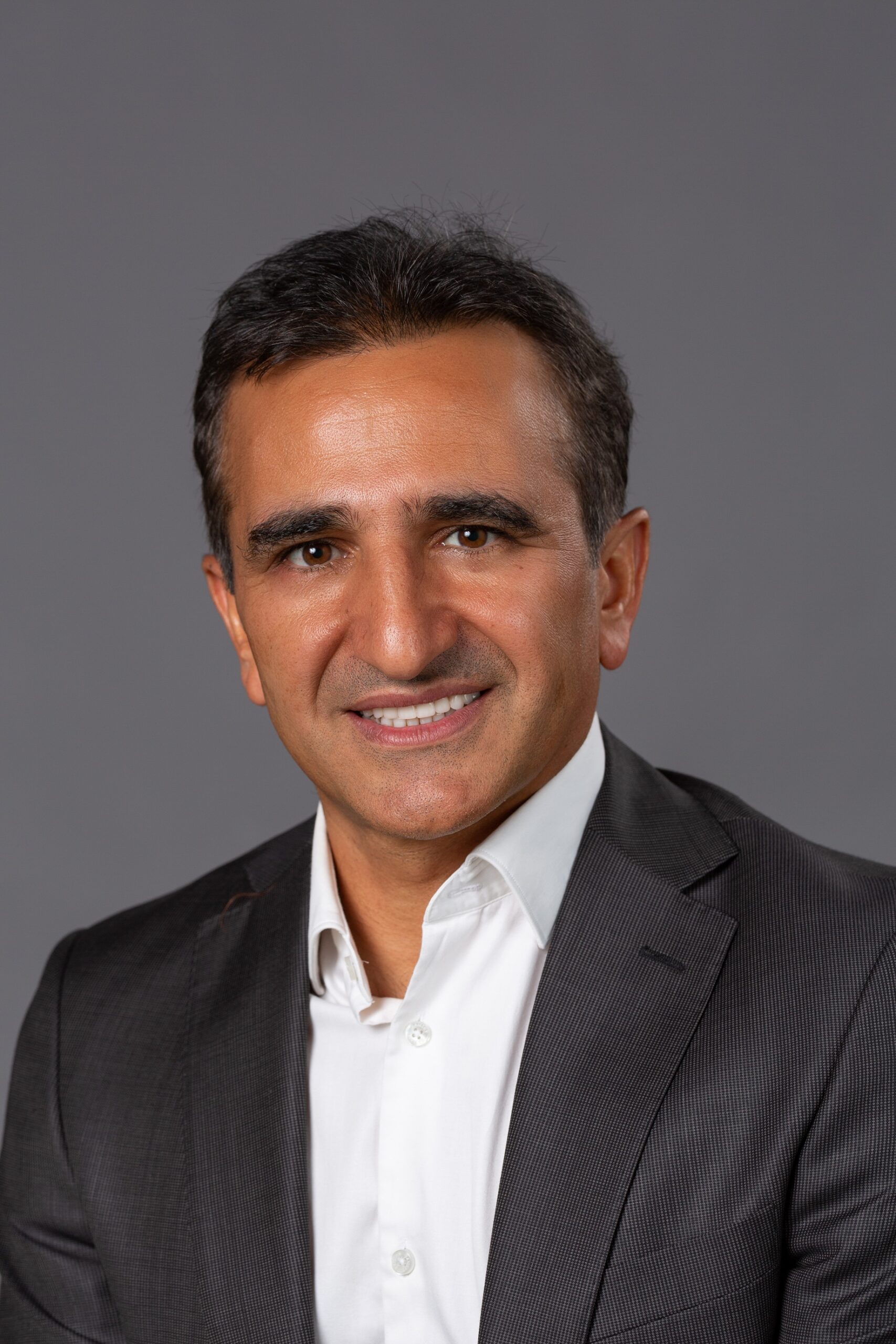
Profile Photo: Sinan Kanbir

Sinan Kanbir

  • Associate Professor
DPI logo

DPI ACCREDITATION

UW-Stevens Point’s teacher education programs are accredited by the Wisconsin Department of Public Instruction.

History and Social Studies Education

GET READY TO INSPIRE WITH YOUR TEACHING DEGREE FROM UW-STEVENS POINT

History and social studies education, offered through the Department of History and International Studies at UW-Stevens Point, is an undergraduate program that focuses on the knowledge, skills and dispositions needed to teach social studies in middle and high school. Successful candidates in the program earn a bachelor’s degree and Wisconsin teaching license in social studies grades 4-12.

In addition to specific general education coursework, students complete a variety of courses that provide opportunities to develop the knowledge and skills needed to be successful certified social studies teachers. Students complete a rigorous social science and history curriculum. Additionally, students complete coursework designed to give them hands-on, practical experience in the application of social science concepts. Practicum experiences allow students to observe and teach actual students from the community to prepare for an eventual career in history and social studies education.

For marketability purposes, students interested in teaching any area of social studies are required to complete a major in history and social studies education.

Department of History and International Studies

Why study History and Social Studies Education at UW-Stevens Point?

Praised for its program outcomes, graduation and retention rates, advising services, student organization opportunities and vast program options, UW-Stevens Point was ranked second in the U.S. on Study.com’s Best Colleges for Education Majors list. More than 80 percent of our recent social studies education graduates have been hired within one year of graduation.


Field Experiences

The responsibility of the Office of Field Experiences is to provide quality field experiences for students enrolled in the teacher education program at UW-Stevens Point. These experiences, such as student teaching, involve our students and instructors in practical activities with cooperating teachers and administrators in actual schools and educational agencies.


Scholarships and Awards

The Department of History and International Studies recognizes outstanding students at the annual Humanities and Global Studies Spring Awards Ceremony. In 2026, a total of $42,200 was awarded thanks to our generous donors and endowed scholarships.

 
Meet our Teaching Alum!

Hired Before Graduation

History and Social Studies Education

From student teachers to teaching professionals. Our teacher candidates are able to refine their knowledge and skills under the guidance of our faculty who have dedicated their careers to education!


WHAT TO EXPECT

Our program provides students with frequent opportunities for hands-on learning in middle school and high school classrooms. This includes practicum experiences working with school-aged children early and often throughout the program.

Student teaching is the culminating experience in the teacher candidate’s academic program of study at UW-Stevens Point. It provides an opportunity for teacher candidates to practice and refine their knowledge and skills under the supervision and guidance of cooperating teachers and our own faculty who have dedicated their careers to education and a lifetime of student learning.

UW-Stevens Point graduates in the School of Education typically have some of the highest placement rates of full-time teaching jobs within their first year after graduation across the UW System.​ See where our graduates are working on our alumni map.

GET INVOLVED ON CAMPUS

Through volunteer opportunities and varied professional development opportunities, you’ll be an active learner closely involved in real-world situations designed to ensure your professional success.

Our students are academically engaged, highly motivated and actively involved at the local, state, national and international levels. Student organizations are vital to your pre-professional experiences. As such, the School of Education sponsors the following organizations: Aspiring Educators, Association for the Education of Young Children, Kappa Delta Pi, and Student Council for Exceptional Children. In addition, many social science education students also participate in the History Club.

You may be lucky enough to work with one of the Neale Fellows, select teachers whose projects make a difference at their schools and who work jointly with faculty teaching your classes.

More student group opportunities can be found on the Stevens Point Involvement Network (SPIN).

MEET YOUR FACULTY

Faculty and staff from the School of Education and Department of History are caring, involved and committed to student success. They are dynamically responsive to the changes happening in education and offer outstanding support to our students’ professional preparation.

Archives: Faculty / Staff Profiles – Faculty / Staff Directory

Profile Photo: Brett Barker

Brett Barker

  • Professor of History
  • Chair, Department of History and International Studies
Profile Photo: E Jerry Jessee

E Jerry Jessee

  • Professor
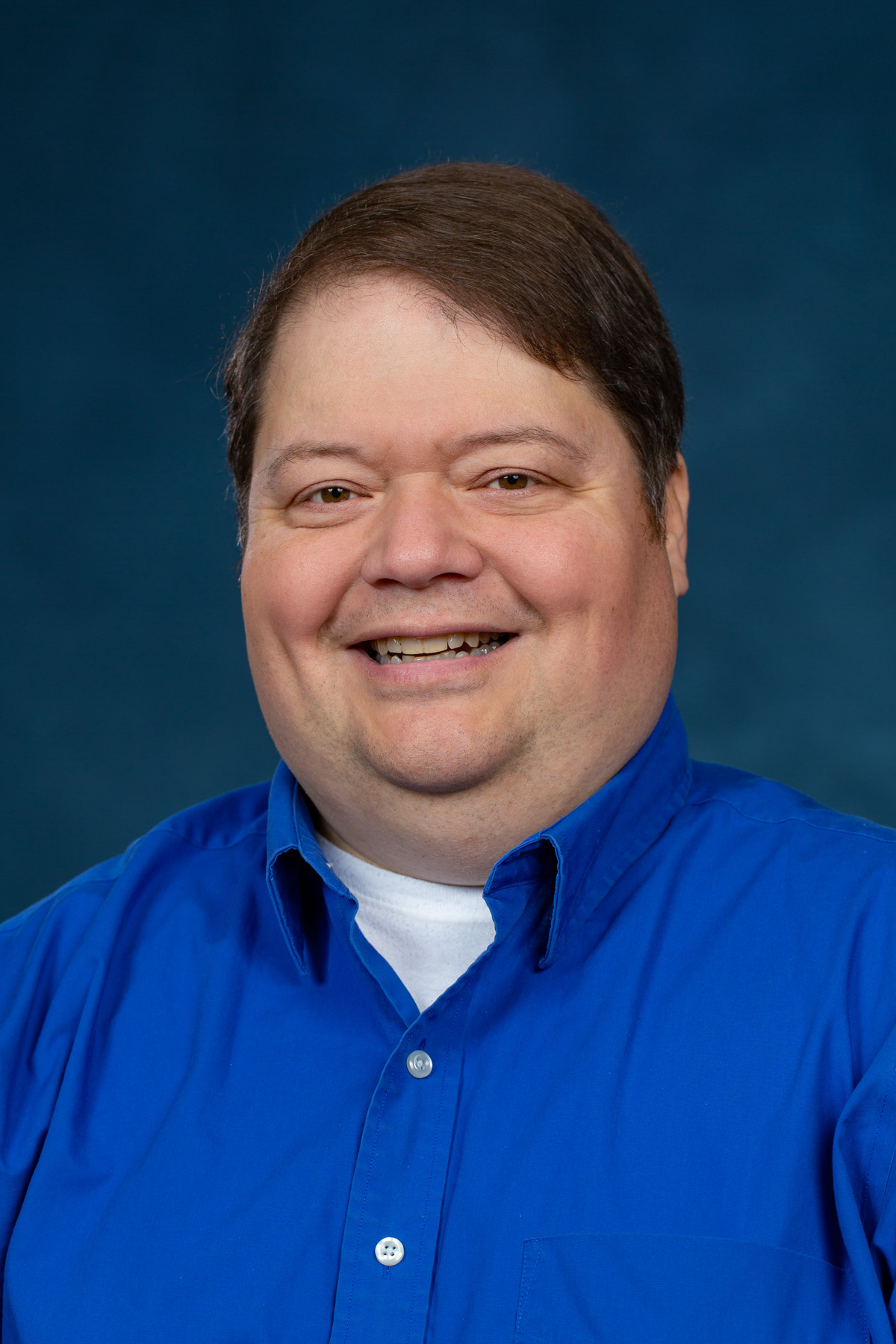
Profile Photo: Jeff Leigh

Jeff Leigh

  • Professor
  • Multicultural Resource Center adviser, UW-Stevens Point a…

English as a Second Language – Teaching Add-On

Earn your 395/1395 Add-on License

Are you a licensed teacher interested in adding a English as a Second Language Add-on Licensure/Certification (395/1395) to your resume? Then this program is perfect for you. At UW-Stevens Point, we have online, interactive classes that will provide opportunities for you to examine and enrich your personal and professional goals.

Program Benefits  

  • courses are 100% online
  • courses can be completed in one year
  • help your students reach their full potential 
  • understand your students’ unique needs

Why choose the English as a Second Language – Teaching Add-on program at UW-Stevens Point?

This program is intended for currently licensed teachers seeking expertise and specialization in English as a second language education. Students for this program must already have a teacher license/certification in another teaching area as determined by the Wisconsin Department of Public Instruction (DPI).

 
School of Education

In the News and Social Media

Catch up on the latest news from the School of Ed programs and get an insight from our students in their blogs.


German

GAIN EXPERTISE IN CULTURE AND LITERATURE WITH A UW-STEVENS POINT DEGREE IN GERMAN

Designed as a traditional study of German, our major provides students with a balanced knowledge of German language, literature, and civilization.

Students who fluently speak a world language, study abroad and build expertise in a second field develop promising career opportunities. Some develop careers as international marketers, bilingual customer service representatives or international account auditors. World languages students who earn teacher certification have close to a 100 percent job-placement rate.

Department of World Languages and Literatures

Why study German at UW-Stevens Point?

When you pursue a German degree, you become an educated citizen with skills valuable in business, finance, communications, social services, education, science, technology and government.


Marburg, Germany Semester Abroad

In cooperation with the Office of International Programs, we offer semester long language immersion program in Marburg, Germany. Marburg is known as an exciting location full of history, well-known for being the site of the oldest protestant university. Our returning students have consistently related positive impressions of their experiences in Germany.


Scholarships and Awards

The Department of World Languages and Literatures recognizes outstanding students at the annual Humanities and Global Studies Spring Awards Ceremony. In 2026, a total of $42,200 was awarded thanks to our generous donors and endowed scholarships.


Post-graduate Opportunities

Knowledge of a foreign language and language pedagogy can be a vital factor in career success. We are committed to placing our students on a firm career path through study abroad programs, fellowships, internships and other career-enhancing possibilities. Students with high proficiencies in languages, experience studying abroad and expertise in a second field have promising employment opportunities. Some recent graduates have worked for European companies with North American branches, with airlines, and as bilingual customer service representatives and international account auditors.


WHAT TO EXPECT

We offer a variety of options for those wishing to major in German. Those interested in education may pursue a Bachelor of Arts degree in the Teaching of German. Business, cultural and literary studies constitute excellent companions to a range of majors. A minor in German is also available. 

Designed as a traditional study of German, our major provides students with a balanced knowledge of German language, literature, and civilization. Minimum of 27 credit hours of German courses (beyond the 200-level), including FLNG 250: Introduction to World Languages, GERM 313, GERM 314, GERM 340 – Introduction to German Literature, GERM 345 – Advanced Composition and Conversation, GERM 481 – German Culture, one advanced German literature course beyond GERM 340, and two elective German courses at the 300/ 400 level.

The ESL minor offers students a “background in teaching” English as a Second Language through an introduction to linguistics, an introduction to theories of second language acquisition, and knowledge of how to teach effectively at all age levels. This minor does not include a student teaching requirement, but rather a practicum.

Second Majors or Second Degrees with German

To enhance their education and increase their chances for future employment, many students pursue double majors. There virtually is no limit on subjects you can combine with German: another foreign language, history, political science, a business degree, and international studies. If you combine two subjects within the College of Letters and Science (COLS) for a double major, such as German and History, the total number of hours required for graduation will be the same as for a single major (120 hours minimum).

A double major normally will not prolong studies beyond the customary four years. If you combine a major in German with a major in another college, for example, German with Wildlife Ecology in the College of Natural Resources, or German and Music, which is in the College of Fine Arts, the number of hours required for graduation is also 120 hours. Although there will be some overlap between both degrees, you have to fulfill both sets of degree requirements. This double degree program is likely to prolong your studies by a semester or even a year. Consult with your advisors for more details.

GET INVOLVED

The UW-Stevens Point German Club is active and holds a weekly Stammtisch in which you can hone your language skills in an informal setting.

More opportunities can be found on the Stevens Point Involvement Network (SPIN).

MEET YOUR FACULTY

Profile Photo: Thomas Leek

Thomas Leek

  • Associate Professor of German
  • Chair, Department of World Languages and Literatures
Profile Photo: Tobias Barske

Tobias Barske

  • Assistant Dean, School of Humanities and Global Studies
  • Professor of German Applied Linguistics

Spanish

BUILD EXPERTISE AND OPEN DOORS WITH A UW-STEVENS POINT DEGREE IN SPANISH

Becoming bilingual means seeing the world through more than one lens; a skill that can help you in many areas. Learning Spanish helps speakers of English broaden their vocabulary in their native language. In addition, a recognition and understanding of words of Latin origin is especially helpful in certain professions in science, medicine, law, and many others with specialized vocabulary.

Approximately 350 million people worldwide speak Spanish as a native language. It is the second most spoken language in the world in terms of native speakers, after Mandarin Chinese. Spanish is the third most commonly used language on the Internet. The number of Spanish speakers is growing at a faster rate than that of English speakers. For these reasons and more, consider pursuing a Spanish degree.

Department of World Languages and Literatures

Why study Spanish at UW-Stevens Point?

It is possible to maintain almost daily contact with native Spanish speakers in many cities or even in rural areas. The nation is becoming even more diverse: More than one third of its population belongs to a minority group, and Hispanics are the fastest-growing segment. Learning Spanish helps speakers of English broaden their vocabulary in their native language. In addition, a recognition and understanding of words of Latin origin is especially helpful in certain professions in science, medicine, law, and many others with specialized vocabulary.


Scholarships and Awards

The Department of World Languages and Literatures recognizes outstanding students at the annual Humanities and Global Studies Spring Awards Ceremony. In 2026, a total of $42,200 was awarded thanks to our generous donors and endowed scholarships.


Spain Semester Abroad

In cooperation with the Office of International Programs, we offer semester long language immersion program in Valladolid, Spain. Valladolid is located in north-central Spain. It is the capitol of the eponymous region. Internships are available in business/finance, engineering, tourism, information technology, media/communications, international relations, the nonprofit sector, Spanish studies and economics.


WHAT TO EXPECT

The ability to speak Spanish is a valuable skill in today’s job market. The Spanish-speaking population is one of the fasting growing segments in the world, especially in the United States. The Hispanic market is today the most rapidly expanding market in the United States. Hispanic consumers have become a driving force in the largest national markets, including southern and northern California, New York, Chicago, Florida, Texas, and others. Marketing studies show that the majority of Hispanics prefer to make buying decisions in Spanish. Not surprisingly, there are many career fields in the U.S. that need Spanish speakers and the broader skills that come with a Spanish degree.

Students who fluently speak a world language, study abroad and build expertise in a second field develop promising career opportunities. Some develop careers as international marketers, bilingual customer service representatives or international account auditors. World languages students who earn teacher certification have close to a 100 percent job-placement rate.

GET INVOLVED ON CAMPUS

A number of student organizations exist for UW-Stevens Point students to develop their world language skills, including Delta Phi Epsilon Sorority and Spanish Club.  UW-Stevens Point is host to the Wisconsin Nicaragua Partners of American, a progressive and viable humanitarian service organization actively implementing and administering programs in Nicaragua.  The non-profit operates out of Nelson Hall and has many volunteer opportunities available.  

More opportunities can be found on the Stevens Point Involvement Network (SPIN).

Double Major with a Language

Many students choose to double major to be more marketable to future employers. The total number of hours required for graduation will be the same as for a single major (120 hours minimum) because a double major normally will not prolong studies beyond the customary four years. Essentially, you can double major in any degree in addition to the World Language. Some of the most common combinations are World Language plus International Studies, World Language plus Biology, World Language plus Music, and World Language plus Business. Consult with your adviser for more details.


MEET YOUR FACULTY

Profile Photo: Lara Garrido

Lara Garrido

  • Assistant Professor, Spanish & Applied Linguistics
CCC 409
Profile Photo: Renée Craig-Odders

Renée Craig-Odders

  • Professor of Spanish
  • Basic Second Language Proficiency certificate director
Profile Photo: Vera Klekovkina

Vera Klekovkina

  • Professor

Philosophy

A UW-STEVENS POINT DEGREE IN PHILOSOPHY PREPARES YOU FOR INNOVATIVE LEADERSHIP IN A VARIETY OF FIELDS

Philosophy is the systematic study of the enduring ideas and questions that have engaged thoughtful people for millennia such as: “What is the purpose of life?”, “What is the nature of reality?”, “How do we know what is true?” and “How do we decide what choices are ethical?”. By providing us with the intellectual tools necessary to tackle these questions, philosophy helps us to open our beliefs to scrutiny and teaches us how to reason well about issues that are important to us.  

The study of Philosophy is intrinsically interesting, which is why students love it, but it is also very practical for career preparation. As they pursue the big questions, Philosophy majors hone advanced level skills in critical thinking, ethical problem solving and clear communication. These skills are in high demand by today’s employers and open doors to many interesting and profitable careers including law, education, business, human services, and technology industries. Philosophy majors find work that is both personally meaningful and profitable; the median mid-career income of philosophy graduates is $84,000. 

Our graduates engage the world ready to flourish as global citizens, to assume leadership positions, and to exercise professional adaptability in the face of a rapidly changing world.

Department of Philosophy and Religious Studies

Why Study Philosophy at UW-Stevens Point?

Philosophy is both intellectually adventurous and a practical choice for career preparation. As they pursue the big questions, students in philosophy gain the skills in high demand by today’s employers: the ability to follow complex lines of reasoning, identify presuppositions, evaluate evidence, craft arguments, refute unsupported claims, grapple with ethical dilemmas, and think “outside of the box.”

Awards and Scholarships

The Philosophy Department has scholarships to currently enrolled students. Students are notified of available scholarships in class and via email at the beginning of the spring semester.


ALUMNI VOICES

Philosophy helped them carve a path to fulfilling careers. UWSP Department of Philosophy alum from 1994- 2019 share their graduate stories!


Graduate School Preparation

For those whose career path leads through graduate school, the Philosophy major offers great preparation. Nationwide, students who major in Philosophy score higher on law school entrance exams (LSAT) that almost all other majors. Philosophy majors also have a higher rate of acceptance to medical school than students who studied Biology or Chemistry.


WHAT TO EXPECT

The major in Philosophy requires 27 core credits in the discipline. You will take required courses in critical thinking, ethics, and the history of philosophy and can choose from a range of electives which include such courses as “Philosophy of Death,” “Environmental Ethics” and “Animal Ethics”.  As a major, you will also complete a senior research project. Our classes are mostly small, discussion-based and student centered. 

A double major in Philosophy and another discipline brings many advantages. You may find that majoring in two different disciplines is a powerful way to up your brain power and your ability to “think outside the box”.  Also, as you pursue career opportunities, a double major will help you stand out as unique and impressive in the eyes of potential employers.

In addition to the major in Philosophy, we also offer the major with an emphasis in different areas of study. The Philosophy Major with a Concentration in Environmental Ethics, the Philosophy Major with a Concentration in Law and Justice, and the Philosophy Major with a Concentration in Religious Studies are all popular options for students. Each concentration requires core classes in Philosophy, along with additional courses in other relevant programs on campus.

Environmental Ethics is a branch of Philosophy that explores questions concerning the values, beliefs and attitudes that influence how people relate to the environment.    Students learn how to navigate diverse perspectives skillfully, to reflect on the ethics of these perspectives, and to communicate clearly and persuasively about environmental issues. 

Law and Justice is the interdisciplinary study of law and justice, grounded in the humanities. Our focus is on analyzing the relationship between law and ethics, justice, freedom, power, rights, knowledge, truth, and justification. It is intended both for students pursuing law school, as well as those interested in law-related fields, including nonprofit career work, work for NGOs, paralegal work, and criminal justice, broadly construed.

Religious Studies is the comparative and interdisciplinary study of the world’s religions and the creativity of the human religious imagination.  Because religion is at the core of human culture and is a powerful force shaping human history, the study of religion gives students a broad knowledge of the history of the world and the diversity of human cultures.

Students with outstanding original work have the opportunity to present their research at the College of Letters and Science Undergraduate Research Symposium, held each spring. Internships and creative experiential learning opportunities give majors hands on experience in professional settings

GET INVOLVED ON CAMPUS

The Philosophy Club of UWSP is a student organization dedicated to promoting and maintaining a mature and professional environment for students interested in the field of philosophy and philosophical discussion. Regular activities include student facilitated conversations about controversial and topical issues. Faculty also attend some meetings to share some of their own work with students. The club welcomes all students. For further information, please contact the faculty advisor to the Philosophy Club, Jason Zinser.

Phi Sigma Tau is the international honor society for the study of philosophy. The purpose of Phi Sigma Tau is to cultivate interest in philosophy among students and to celebrate high achievement in the study of philosophy. Phi Sigma Tau publishes a journal, Dialogue, for student contributions in all areas of contemporary philosophical research. For further information, please contact the faculty advisor to Phi Sigma Tau, Jason Zinser.

More student group opportunities can be found on the Stevens Point Involvement Network (SPIN).

Philosophy students are active in many student organizations, including the Student Government Association, and are frequently included in the ranks of the Chancellor’s Albertson Student Leadership Award winners.

MEET YOUr faculty

UW-Stevens Point philosophy faculty ensure students read carefully, think critically, communicate effectively and participate meaningfully in environments characterized by cultural, religious and philosophical diversity.

Archives: Faculty / Staff Profiles – Faculty / Staff Directory

Profile Photo: Alice Keefe

Alice Keefe

  • Professor of Religious Studies
Profile Photo: Chris Diehm

Chris Diehm

  • Professor
  • Chair, Department of Philosophy and Religious Studies
  • [ More… ]
Profile Photo: Dona Warren

Dona Warren

  • Professor of Philosophy
  • Critical Thinking Center Head
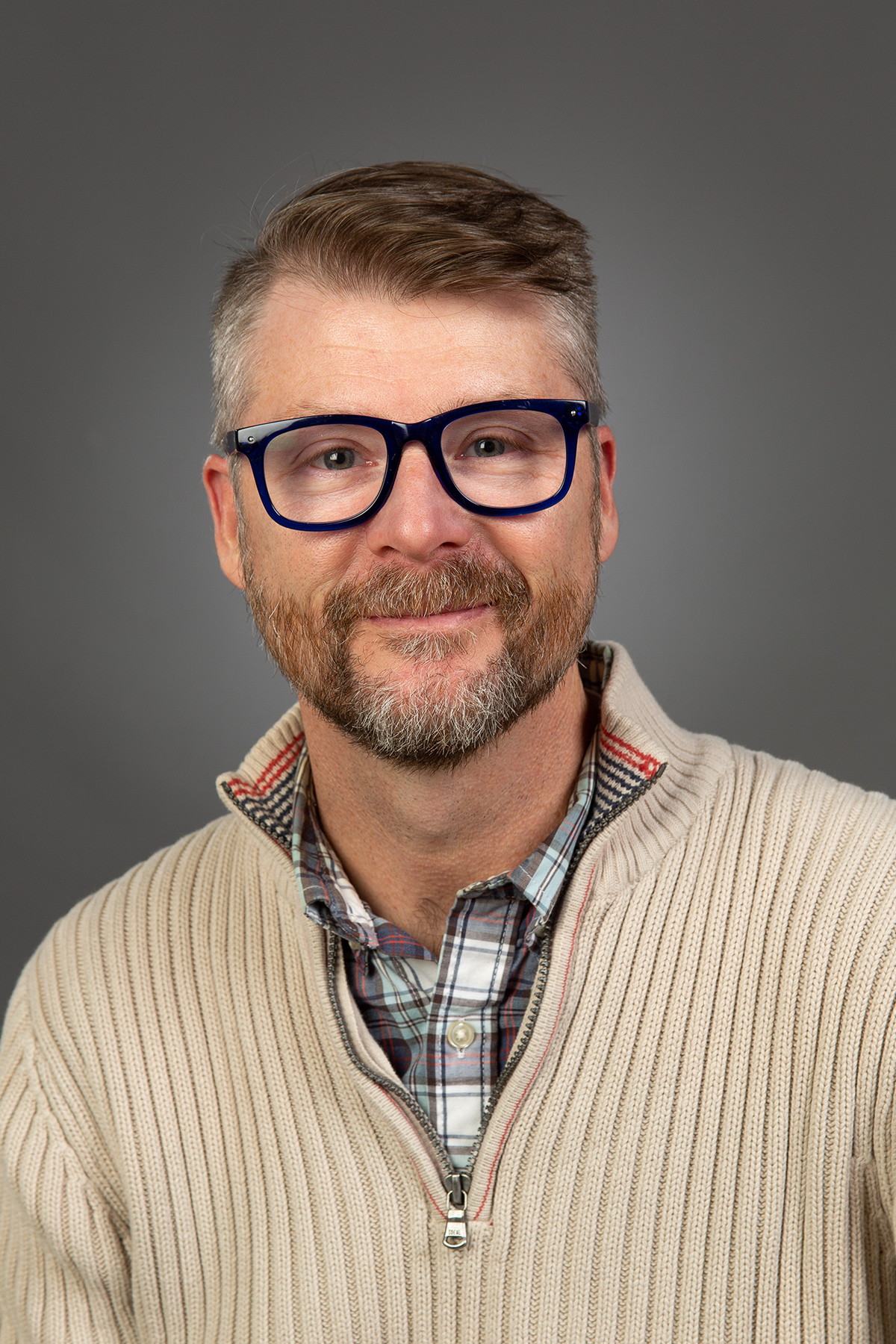
Profile Photo: Jason Zinser

Jason Zinser

  • Associate Professor

Philosophy: Religious Studies

COMMUNICATE ACROSS BOUNDARIES AND LEAD WITH A DEGREE IN PHILOSOPHY WITH AN EMPHASIS IN RELIGIOUS STUDIES

Religion has been and continues to be one of the most powerful forces shaping our world.  Grappling with the question of how and why religions are so powerful leads us to deeper understanding of global cultures, the diversity of worldviews, and the mystery of what it means to be human.

Study in this discipline focuses on empathetic understanding of human diversity and trains students in the skill of effective communication across cultural divides.   Further, because the study of religion draws on so many other disciplines (history, psychology, sociology, political science, etc.), students learn to analyze and solve problems in ways that are interdisciplinary, creative and holistic.

You will learn:

  • How to think logically, read critically, and write clearly
  • How to research in the digital age and assess information sources
  • How to communicate across the boundaries of cultural and religious differences

Department of Philosophy and Religious Studies

Why Pursue Religious Studies at UW-Stevens Point?

Graduates in philosophy with an emphasis in religious studies possess key skills employers seek, including critical thinking, written and oral communication, information literacy, the ability to rapidly master new skills, and most importantly, empathetic understanding of human diversity and the ability to communicate effectively across cultural divides. While some graduates pursue careers in ministry, others go on to careers in counseling, higher education leadership, management, teaching, social services, and much more.

Awards and Scholarships

The Philosophy Department has scholarships to currently enrolled students. Students are notified of available scholarships in class and via email at the beginning of the spring semester.


ALUMNI VOICES

Philosophy helped them carve a path to fulfilling careers. UWSP Department of Philosophy alum from 2003- 2019 share their graduate stories!


Graduate School Preparation

For those whose career path leads through graduate school, the Philosophy major offers great preparation. Nationwide, students who major in Philosophy score higher on law school entrance exams (LSAT) that almost all other majors. Philosophy majors also have a higher rate of acceptance to medical school than students who studied Biology or Chemistry.


WHAT TO EXPECT

Our program consists of 39 credits; at least 12 credits must be in Philosophy, including one course in Critical Thinking and one course in Ethics, and the remaining credits must be in Religious Studies or relevant interdisciplinary courses. Our classes are small and emphasize discussion, active learning, critical thinking and research skills.   

Religious studies majors are able to effectively communicate across cultural divides, they excel in understanding human diversity and they possess strong written and oral communication skills, desired by employers.

Internships and creative experiential learning opportunities give majors hands on experience in professional settings. 

GET INVOLVED ON CAMPUS

The Philosophy Club of UWSP is a student organization dedicated to promoting and maintaining a mature and professional environment for students interested in the field of philosophy and philosophical discussion. Regular activities include student facilitated conversations about controversial and topical issues. Faculty also attend some meetings to share some of their own work with students. The club welcomes all students. For further information, please contact the faculty advisor to the Philosophy Club, Jason Zinser.

Phi Sigma Tau is the international honor society for the study of philosophy. The purpose of Phi Sigma Tau is to cultivate interest in philosophy among students and to celebrate high achievement in the study of philosophy. Phi Sigma Tau publishes a journal, Dialogue, for student contributions in all areas of contemporary philosophical research. For further information, please contact the faculty advisor to Phi Sigma Tau, Jason Zinser.

More student group opportunities can be found on the Stevens Point Involvement Network (SPIN).

Philosophy students are active in many student organizations, including the Student Government Association, and are frequently included in the ranks of the Chancellor’s Albertson Student Leadership Award winners.

Students with outstanding original work have the opportunity to present their research at the College of Letters and Science Undergraduate Research Symposium, held each spring.

MEET YOUr faculty

UW-Stevens Point philosophy faculty ensure students read carefully, think critically, communicate effectively and participate meaningfully in environments characterized by cultural, religious and philosophical diversity.

Archives: Faculty / Staff Profiles – Faculty / Staff Directory

Profile Photo: Alice Keefe

Alice Keefe

  • Professor of Religious Studies
Profile Photo: Dona Warren

Dona Warren

  • Professor of Philosophy
  • Critical Thinking Center Head
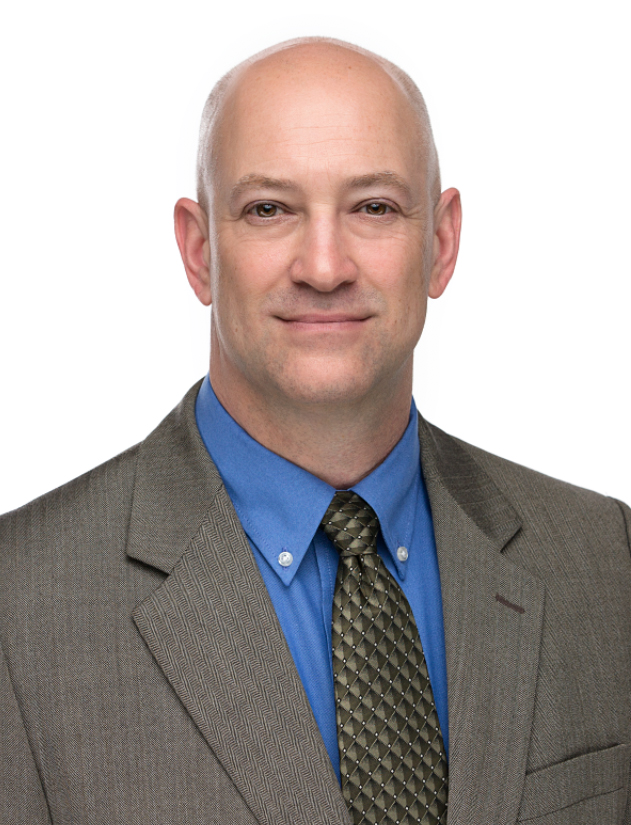
Profile Photo: Ryan O’Leary

Ryan O’Leary

  • Lecturer in Religious Studies
  • Academic Success Associate
Room 162 – Student Center, Marshfield campus
Profile Photo: Shanny Luft

Shanny Luft

  • Associate Professor of Religious Studies
  • Director of General Education

Philosophy: Environmental Ethics

OPEN A WORLD OF POSSIBILITY WITH A UW-STEVENS POINT DEGREE IN PHILOSOPHY WITH AN EMPHASIS IN ENVIRONMENTAL ETHICS

Environmental ethics explores questions concerning the values, beliefs and attitudes that influence how people relate to the environment.  We train students to navigate diverse perspectives skillfully, to reflect on the ethics of these perspectives, and to communicate clearly and persuasively about environmental issues. Graduates with this major find employment in the nonprofit sector working for environmental advocacy, conservation, sustainable food systems, alternative energy, and environmental education.

Environmental Ethics at UWSP has a proud history, as one of the oldest such programs in the nation. The first course in Environmental Ethics offered anywhere was offered here at UW-Stevens Point, in 1971.  The enormity of environmental concerns and the need for an ethical response to those issues has resulted in the rapid spread of the environmental ethics concept.

Department of Philosophy and Religious Studies

Why Study Environmental Ethics at UW-Stevens Point?

Our students benefit from deep knowledge in the field of environmental ethics. Our program is the oldest in the UW system. Students may pursue a bachelor’s of science or bachelor’s of arts major in Philosophy with an Emphasis in Environmental Ethics. They can find employment in the nonprofit sector working for environmental advocacy, conservation, sustainable food systems, alternative energy, and environmental education.

Awards and Scholarships

The Philosophy Department has scholarships to currently enrolled students. Students are notified of available scholarships in class and via email at the beginning of the spring semester. In April, and after scholarships have been awarded, students, parents, family members, and faculty come together to honor awardees at our Annual Department Awards Ceremony.


ALUMNI VOICES

Philosophy helped them carve a path to fulfilling careers. UWSP Department of Philosophy alum from 1994- 2019 share their graduate stories!


Graduate School Preparation

For those whose career path leads through graduate school, the Philosophy major offers great preparation. Nationwide, students who major in Philosophy score higher on law school entrance exams (LSAT) that almost all other majors. Philosophy majors also have a higher rate of acceptance to medical school than students who studied Biology or Chemistry.


WHAT TO EXPECT

Students in Philosophy with Environmental Ethics take a core of Philosophy classes in critical thinking, ethics, and the history of Philosophy, along with focused classes in Environmental Ethics and a senior seminar. A selection of interdisciplinary courses from Natural Resources and other disciplines also are included in the electives for this major. Most of the classes in the major are small and discussion-focused, stressing independent thinking and active learning.  

Students with a major in Philosophy with an emphasis in Environmental Ethics train in the skills employers are looking for including critical thinking, advanced writing and research, and clear argumentation.

Students with outstanding original work have the opportunity to present their research at the College of Letters and Science Undergraduate Research Symposium, held each spring. Internships and creative experiential learning opportunities give majors hands on experience in professional settings. 

GET INVOLVED ON CAMPUS

Philosophy students are active in many student organizations, including the Student Government Association, and are frequently included in the ranks of the Chancellor’s Albertson Student Leadership Award winners.

The Philosophy Club of UWSP is a student organization dedicated to promoting and maintaining a mature and professional environment for students interested in the field of philosophy and philosophical discussion. Regular activities include student facilitated conversations about controversial and topical issues. Faculty also attend some meetings to share some of their own work with students. The club welcomes all students. For further information, please contact the faculty advisor to the Philosophy Club, Jason Zinser.

Phi Sigma Tau is the international honor society for the study of philosophy. The purpose of Phi Sigma Tau is to cultivate interest in philosophy among students and to celebrate high achievement in the study of philosophy. Phi Sigma Tau publishes a journal, Dialogue, for student contributions in all areas of contemporary philosophical research. For further information, please contact the faculty advisor to Phi Sigma Tau, Jason Zinser.

More opportunities can be found on the Stevens Point Involvement Network (SPIN).

MEET YOUr faculty

UW-Stevens Point philosophy faculty ensure students read carefully, think critically, communicate effectively and participate meaningfully in environments characterized by cultural, religious and philosophical diversity.

Archives: Faculty / Staff Profiles – Faculty / Staff Directory

Profile Photo: Alice Keefe

Alice Keefe

  • Professor of Religious Studies
Profile Photo: Dona Warren

Dona Warren

  • Professor of Philosophy
  • Critical Thinking Center Head
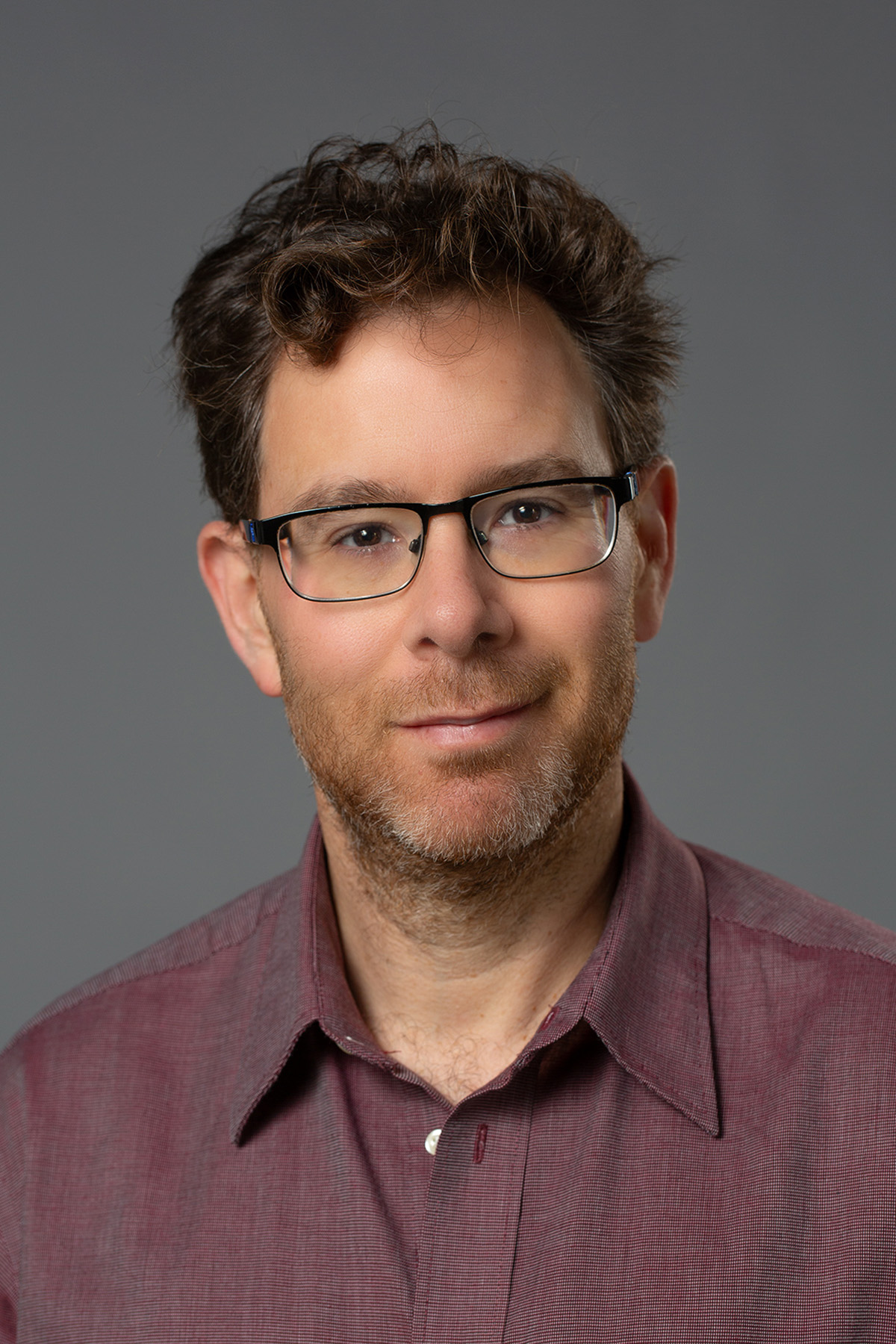
Profile Photo: Ryan O’Leary

Ryan O’Leary

  • Lecturer in Religious Studies
  • Academic Success Associate
Room 162 – Student Center, Marshfield campus
Profile Photo: Shanny Luft

Shanny Luft

  • Associate Professor of Religious Studies
  • Director of General Education