Philosophy: Religious Studies

COMMUNICATE ACROSS BOUNDARIES AND LEAD WITH A DEGREE IN PHILOSOPHY WITH AN EMPHASIS IN RELIGIOUS STUDIES

Religion has been and continues to be one of the most powerful forces shaping our world.  Grappling with the question of how and why religions are so powerful leads us to deeper understanding of global cultures, the diversity of worldviews, and the mystery of what it means to be human.

Study in this discipline focuses on empathetic understanding of human diversity and trains students in the skill of effective communication across cultural divides.   Further, because the study of religion draws on so many other disciplines (history, psychology, sociology, political science, etc.), students learn to analyze and solve problems in ways that are interdisciplinary, creative and holistic.

You will learn:

  • How to think logically, read critically, and write clearly
  • How to research in the digital age and assess information sources
  • How to communicate across the boundaries of cultural and religious differences

Department of Philosophy and Religious Studies

Why Pursue Religious Studies at UW-Stevens Point?

Graduates in philosophy with an emphasis in religious studies possess key skills employers seek, including critical thinking, written and oral communication, information literacy, the ability to rapidly master new skills, and most importantly, empathetic understanding of human diversity and the ability to communicate effectively across cultural divides. While some graduates pursue careers in ministry, others go on to careers in counseling, higher education leadership, management, teaching, social services, and much more.

Awards and Scholarships

The Philosophy Department has scholarships to currently enrolled students. Students are notified of available scholarships in class and via email at the beginning of the spring semester.


ALUMNI VOICES

Philosophy helped them carve a path to fulfilling careers. UWSP Department of Philosophy alum from 2003- 2019 share their graduate stories!


Graduate School Preparation

For those whose career path leads through graduate school, the Philosophy major offers great preparation. Nationwide, students who major in Philosophy score higher on law school entrance exams (LSAT) that almost all other majors. Philosophy majors also have a higher rate of acceptance to medical school than students who studied Biology or Chemistry.


WHAT TO EXPECT

Our program consists of 39 credits; at least 12 credits must be in Philosophy, including one course in Critical Thinking and one course in Ethics, and the remaining credits must be in Religious Studies or relevant interdisciplinary courses. Our classes are small and emphasize discussion, active learning, critical thinking and research skills.   

Religious studies majors are able to effectively communicate across cultural divides, they excel in understanding human diversity and they possess strong written and oral communication skills, desired by employers.

Internships and creative experiential learning opportunities give majors hands on experience in professional settings. 

GET INVOLVED ON CAMPUS

The Philosophy Club of UWSP is a student organization dedicated to promoting and maintaining a mature and professional environment for students interested in the field of philosophy and philosophical discussion. Regular activities include student facilitated conversations about controversial and topical issues. Faculty also attend some meetings to share some of their own work with students. The club welcomes all students. For further information, please contact the faculty advisor to the Philosophy Club, Jason Zinser.

Phi Sigma Tau is the international honor society for the study of philosophy. The purpose of Phi Sigma Tau is to cultivate interest in philosophy among students and to celebrate high achievement in the study of philosophy. Phi Sigma Tau publishes a journal, Dialogue, for student contributions in all areas of contemporary philosophical research. For further information, please contact the faculty advisor to Phi Sigma Tau, Jason Zinser.

More student group opportunities can be found on the Stevens Point Involvement Network (SPIN).

Philosophy students are active in many student organizations, including the Student Government Association, and are frequently included in the ranks of the Chancellor’s Albertson Student Leadership Award winners.

Students with outstanding original work have the opportunity to present their research at the College of Letters and Science Undergraduate Research Symposium, held each spring.

MEET YOUr faculty

UW-Stevens Point philosophy faculty ensure students read carefully, think critically, communicate effectively and participate meaningfully in environments characterized by cultural, religious and philosophical diversity.

Archives: Faculty / Staff Profiles – Faculty / Staff Directory
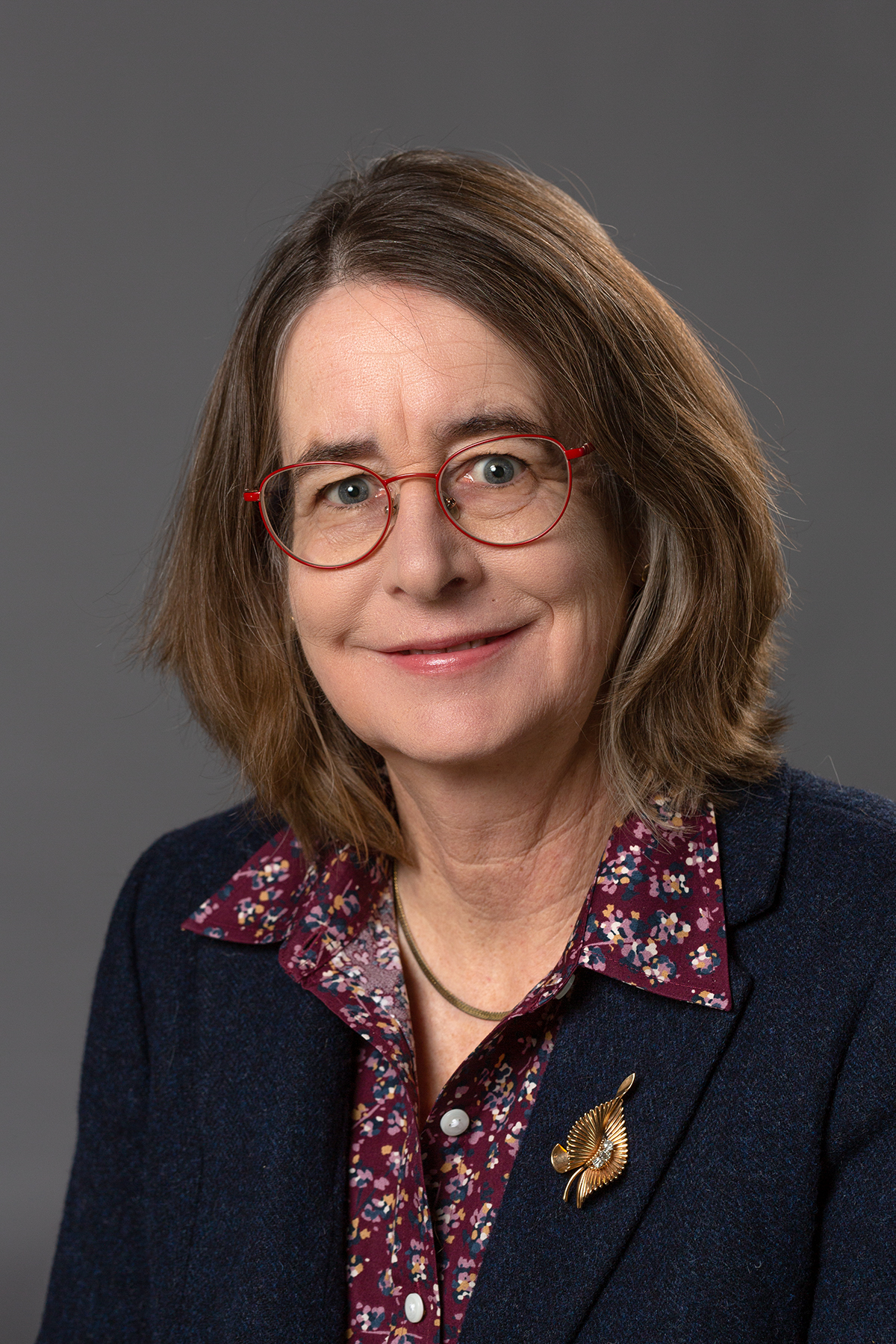
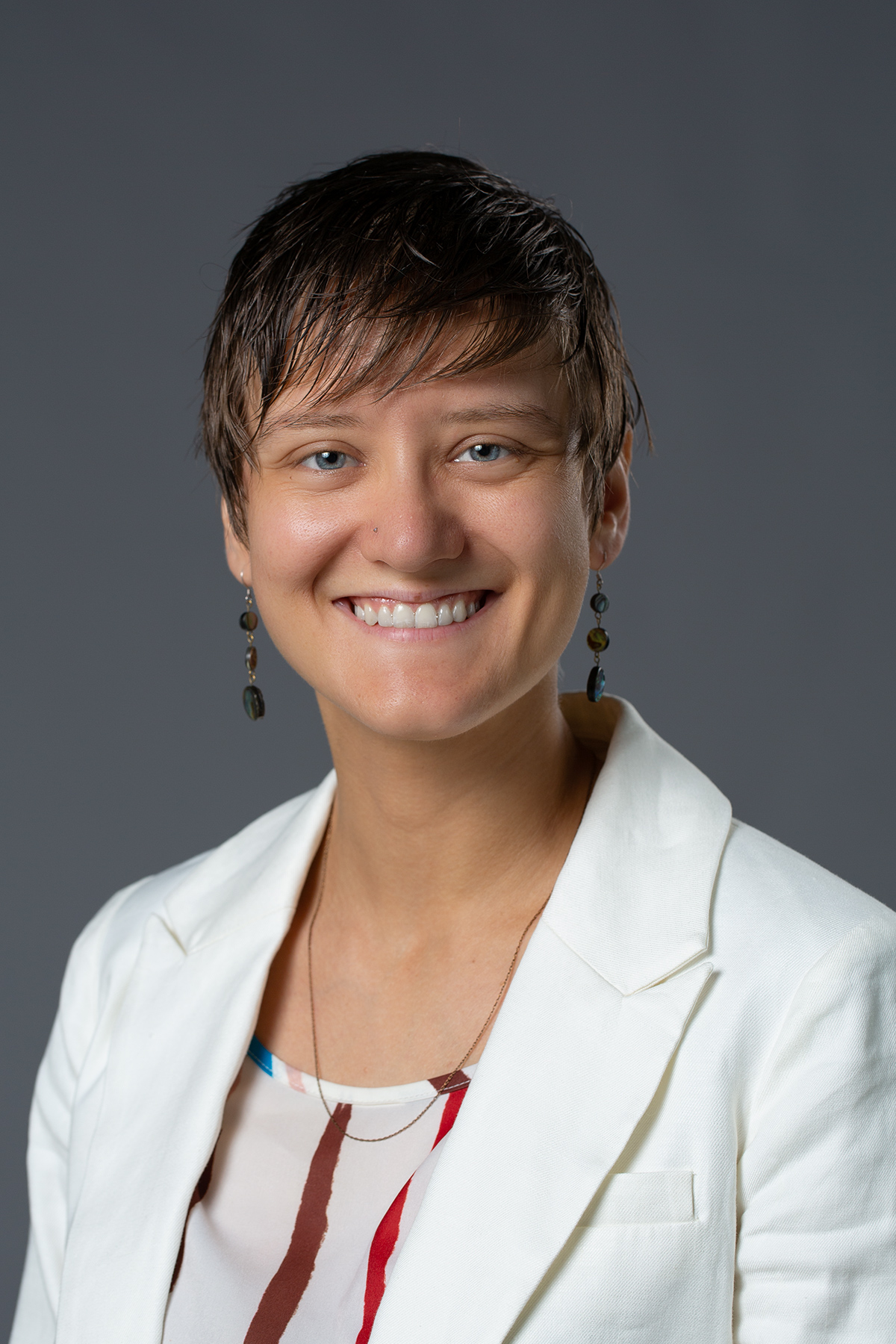
Profile Photo: Alice Keefe

Alice Keefe

  • Professor of Religious Studies
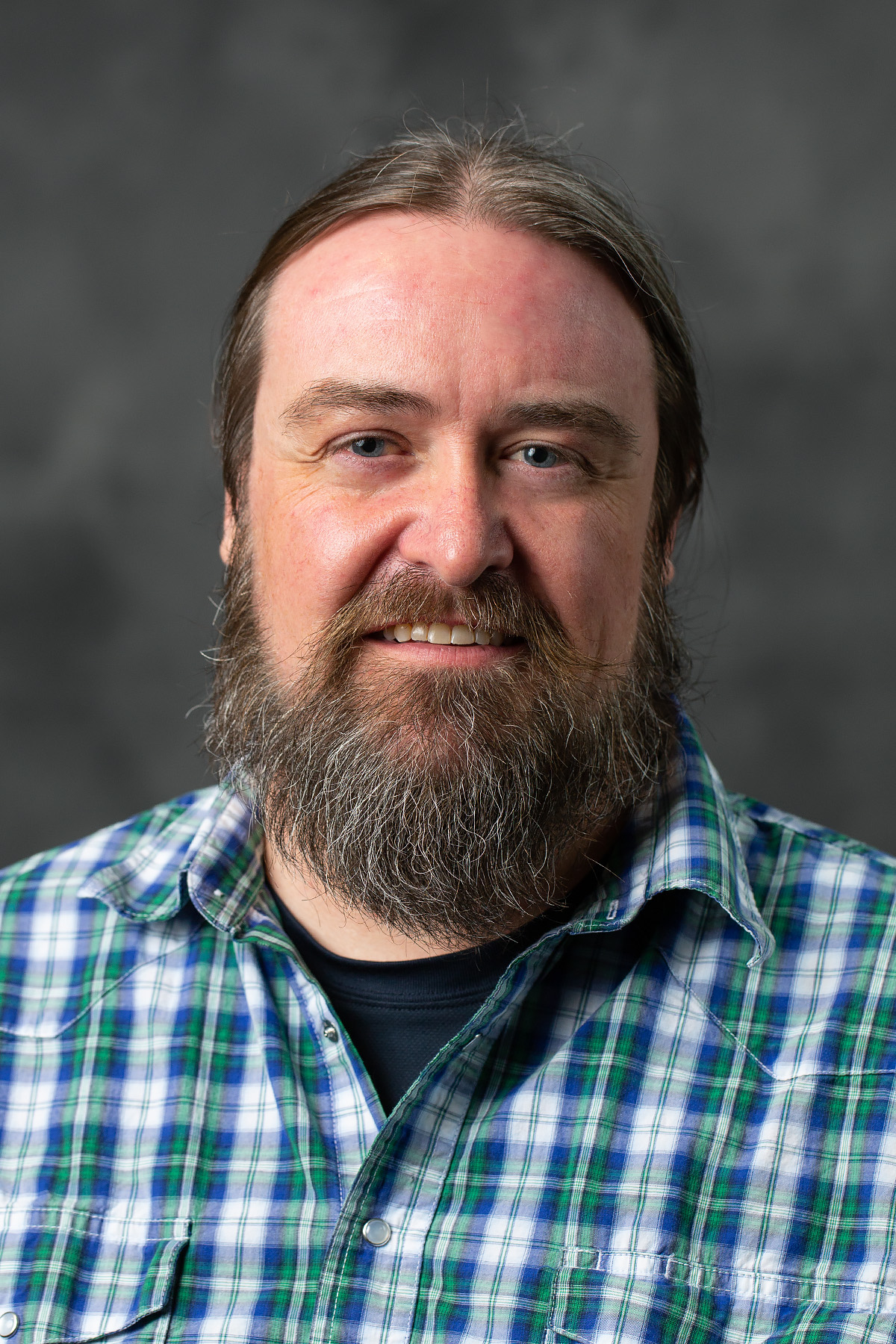
Profile Photo: Dona Warren

Dona Warren

  • Professor of Philosophy
  • Critical Thinking Center Head
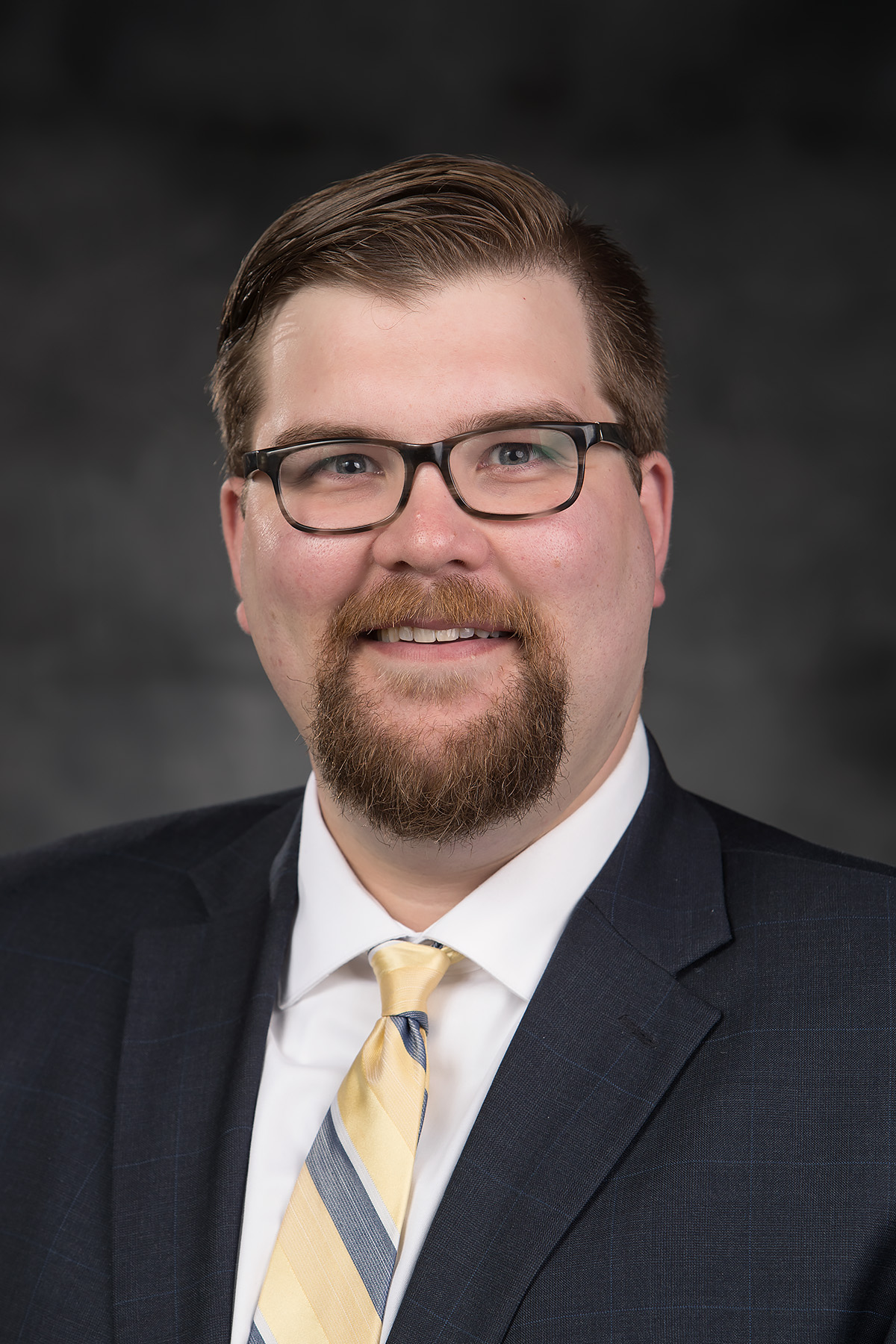
Profile Photo: Ryan O’Leary

Ryan O’Leary

  • Lecturer in Religious Studies
  • Academic Success Associate
Room 162 – Student Center, Marshfield campus
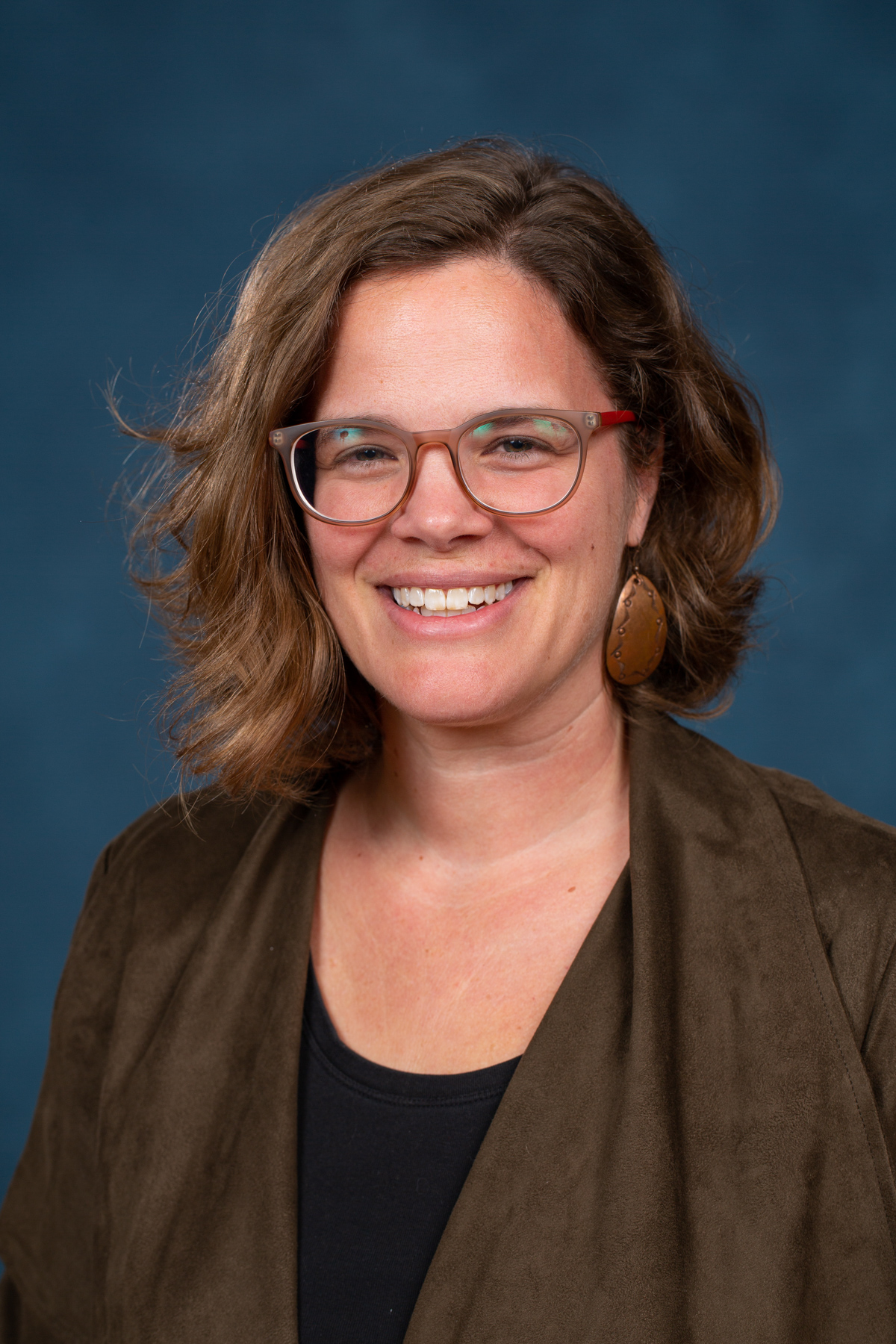
Profile Photo: Shanny Luft

Shanny Luft

  • Associate Professor of Religious Studies
  • Director of General Education

Philosophy: Environmental Ethics

OPEN A WORLD OF POSSIBILITY WITH A UW-STEVENS POINT DEGREE IN PHILOSOPHY WITH AN EMPHASIS IN ENVIRONMENTAL ETHICS

Environmental ethics explores questions concerning the values, beliefs and attitudes that influence how people relate to the environment.  We train students to navigate diverse perspectives skillfully, to reflect on the ethics of these perspectives, and to communicate clearly and persuasively about environmental issues. Graduates with this major find employment in the nonprofit sector working for environmental advocacy, conservation, sustainable food systems, alternative energy, and environmental education.

Environmental Ethics at UWSP has a proud history, as one of the oldest such programs in the nation. The first course in Environmental Ethics offered anywhere was offered here at UW-Stevens Point, in 1971.  The enormity of environmental concerns and the need for an ethical response to those issues has resulted in the rapid spread of the environmental ethics concept.

Department of Philosophy and Religious Studies

Why Study Environmental Ethics at UW-Stevens Point?

Our students benefit from deep knowledge in the field of environmental ethics. Our program is the oldest in the UW system. Students may pursue a bachelor’s of science or bachelor’s of arts major in Philosophy with an Emphasis in Environmental Ethics. They can find employment in the nonprofit sector working for environmental advocacy, conservation, sustainable food systems, alternative energy, and environmental education.

Awards and Scholarships

The Philosophy Department has scholarships to currently enrolled students. Students are notified of available scholarships in class and via email at the beginning of the spring semester. In April, and after scholarships have been awarded, students, parents, family members, and faculty come together to honor awardees at our Annual Department Awards Ceremony.


ALUMNI VOICES

Philosophy helped them carve a path to fulfilling careers. UWSP Department of Philosophy alum from 1994- 2019 share their graduate stories!


Graduate School Preparation

For those whose career path leads through graduate school, the Philosophy major offers great preparation. Nationwide, students who major in Philosophy score higher on law school entrance exams (LSAT) that almost all other majors. Philosophy majors also have a higher rate of acceptance to medical school than students who studied Biology or Chemistry.


WHAT TO EXPECT

Students in Philosophy with Environmental Ethics take a core of Philosophy classes in critical thinking, ethics, and the history of Philosophy, along with focused classes in Environmental Ethics and a senior seminar. A selection of interdisciplinary courses from Natural Resources and other disciplines also are included in the electives for this major. Most of the classes in the major are small and discussion-focused, stressing independent thinking and active learning.  

Students with a major in Philosophy with an emphasis in Environmental Ethics train in the skills employers are looking for including critical thinking, advanced writing and research, and clear argumentation.

Students with outstanding original work have the opportunity to present their research at the College of Letters and Science Undergraduate Research Symposium, held each spring. Internships and creative experiential learning opportunities give majors hands on experience in professional settings. 

GET INVOLVED ON CAMPUS

Philosophy students are active in many student organizations, including the Student Government Association, and are frequently included in the ranks of the Chancellor’s Albertson Student Leadership Award winners.

The Philosophy Club of UWSP is a student organization dedicated to promoting and maintaining a mature and professional environment for students interested in the field of philosophy and philosophical discussion. Regular activities include student facilitated conversations about controversial and topical issues. Faculty also attend some meetings to share some of their own work with students. The club welcomes all students. For further information, please contact the faculty advisor to the Philosophy Club, Jason Zinser.

Phi Sigma Tau is the international honor society for the study of philosophy. The purpose of Phi Sigma Tau is to cultivate interest in philosophy among students and to celebrate high achievement in the study of philosophy. Phi Sigma Tau publishes a journal, Dialogue, for student contributions in all areas of contemporary philosophical research. For further information, please contact the faculty advisor to Phi Sigma Tau, Jason Zinser.

More opportunities can be found on the Stevens Point Involvement Network (SPIN).

MEET YOUr faculty

UW-Stevens Point philosophy faculty ensure students read carefully, think critically, communicate effectively and participate meaningfully in environments characterized by cultural, religious and philosophical diversity.

Archives: Faculty / Staff Profiles – Faculty / Staff Directory
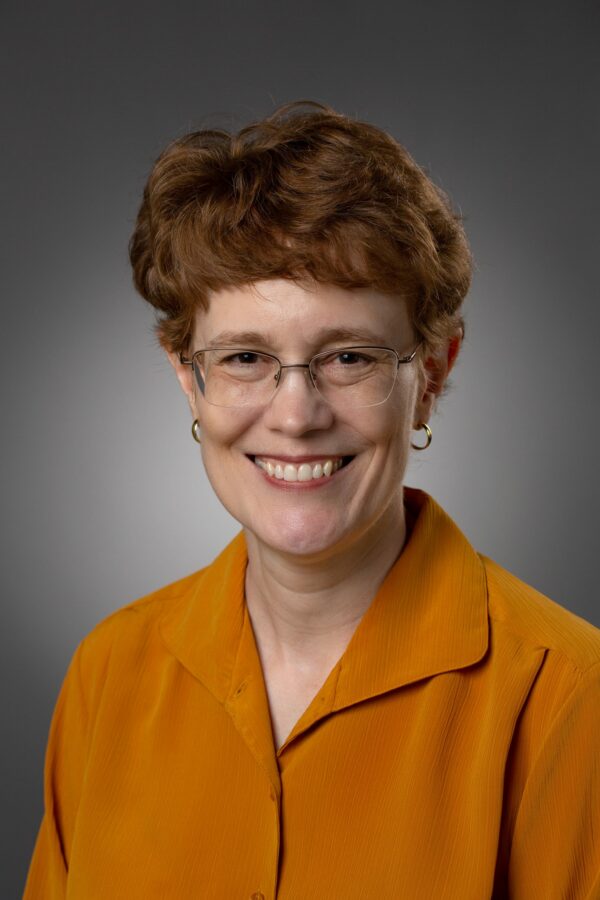
Profile Photo: Alice Keefe

Alice Keefe

  • Professor of Religious Studies
Profile Photo: Dona Warren

Dona Warren

  • Professor of Philosophy
  • Critical Thinking Center Head
Profile Photo: Ryan O’Leary

Ryan O’Leary

  • Lecturer in Religious Studies
  • Academic Success Associate
Room 162 – Student Center, Marshfield campus
Profile Photo: Shanny Luft

Shanny Luft

  • Associate Professor of Religious Studies
  • Director of General Education

Philosophy Minor

Philosophy Minor

Philosophy is that inquiry whose special concern is to think seriously about such questions as “Is there a God?”, “Are values objective?”, and “Is your mind distinct from your brain?” There are no final answers to these questions but rather by posing such questions, philosophy enables us to understand what we believe. By providing us with the intellectual tools necessary to tackle these questions, philosophy helps us to open our beliefs to scrutiny and teaches us how to reason well about issues that are important to us. By acquainting us with the variety of ways in which these questions are answered, philosophy helps us to formulate provisional positions on pressing issues, while stretching our capacity to tolerate uncertainty and live with the open-endedness of critical dialogue.   

In addition to broadened intellectual understanding of these kinds of questions, courses in philosophy help you develop skills in analytical thinking and effective communication that will prove useful in many areas of life.

The philosophy minor consists of a minimum of 18 credits. For more information visit the UW-Stevens Point course catalog.

  1. Logic – One course (3 credits): Phil 121 (Critical Thinking) or Phil 322 (Symbolic Logic)
  2. History of Philosophy – One course (3 credits): Phil 325 (Ancient Greek Philosophy) or Phil 326 (17th and 18th Century Philosophy)
  3. Theoretical Foundations – One course (3 credits) drawn from a list of options
  4. Practical Applications – One course (3 credits) drawn from a list of options
  5. Electives – Two additional courses (6 credits) from the Philosophy Curriculum

History

A history minor enhances the teaching possibilities for students majoring in other social science fields, in international studies, or in world languages.

The History Minor consists of a minimum of 21 credits:

12 credits from 100- and 200-level history courses distributed according to the following guidelines:

  • At least 3 credits from Global or Comparative history courses (101, 102, 201-215).
  • At least 3 credits from Regional history courses (216-275).

9 credits from 300-level history courses.
For more information visit the UW-Stevens Point course catalog.

History Minor for Teacher Certification

The History Minor for Teacher Certification (Grades 1-9) consists of a minimum of 24 credits

12 credits from 100- and 200-level history courses distributed according to the following guidelines:

  • At least 3 credits from Global or Comparative history courses (101, 102, 201-215).
  • At least 3 credits from Regional history courses (216-275).

3 credits from History 300.

9 credits from 300-level history courses distributed according to the following guidelines:

  • At least 3 credits from 300-level Global or Comparative history courses (301-315).
  • At least 3 credits from 300-level Regional history courses (316-375).
  • At least 3 credits from 300-level U.S. history courses (376-395).

*To meet DPI requirements for a History Minor with Teacher Certification in elementary or secondary education, you should take, as part of the 24 required credits, at least 6 credits in European history; 3 credits survey, 3 credits advanced level, and in different periods of history.

International Studies

International Studies at UW-Stevens Point gives students the chance to add a global dimension to their education while enhancing their employability. An INTL major/minor is particularly effective in combination with other majors. It combines naturally with majors such as Business, Economics, English, Foreign Languages, History, and Political Science. Other majors, from Anthropology to Zoology can also benefit by being coupled with International Studies. INTL students are strongly encouraged to maintain a major in a traditional discipline.

The INTL major/minor provides a superb background for anyone wishing to pursue a career in international relations or other branches of governmental work. It also provides a solid base for graduate study and for professional careers in fields with international components in business, law, health, natural resource development, the environment, and others.

Many of our students also participate in semester abroad programs and international internships. For more information, please contact the Office of International Programs.

For more information, visit the International Studies page in the UW-Stevens Point Course Catalog, search by the name of this program, and filter by semester.  

Museum Studies

Museum Studies is a broad field that encompasses curating exhibitions, managing cultural sites, caring for collections, and more. The Museum Studies minor prepares students for careers as museum technicians and curators.

UW-Stevens Point provides students with hands-on experiences working with collections from vast disciplines. Students taking the minor will gain both theoretical knowledge of the current issues facing museums as well as practical skills for working in museum settings. Students will learn best practices while cultivating their own interests for future career paths.

Work on projects across campus, including in these areas:

Why Study Museum Studies at UW-Stevens Point?

A background in museum studies complements areas such as cultural resources, biology, arts management, history, education, geology, natural resources, business or nonprofit management, grant writing, visual arts, and interior architecture, among many others. We value applied learning applications. You may choose a track in natural history, public history or the visual arts. And, students need not be history majors to take the minor. Open to students from all colleges and majors!


The Museum Studies minor includes courses from 12 different departments ranging from history and biology to business and arts management. Students choose tracks in public history, natural history, or the visual arts, with opportunities to take courses outside of their direct fields. This multidisciplinary approach exposes students to the wide array of potential careers within museums and related institutions. 

The culmination of the minor is a practicum where students apply their skills in a museum setting. Students participate in opportunities such as curating an exhibition, managing collections, producing a documentary, or creating educational programming.

For more information visit the UW-Stevens Point course catalog.

Peace Studies

Peace Studies is a response to the serious problems facing humanity, including war, violence, and oppression. Problems such as these reach well beyond any single academic discipline, and require a sharing of research and analysis across the spectrum of knowledge.

At its core, Peace Studies asks: How do we build and sustain peaceful and just societies? Peace Studies is an opportunity to devote part of your college career to the problems of war, violence, and oppression. More importantly, it is a place to explore what we can do about them. What are our responses to a world hungering for peace and justice? What can we do for the victims of poverty, war, and oppression?

What can I do with a Peace Studies Minor?

Peace Studies now encompasses the study of nonviolence, social justice, and the root causes of war as well as conflict mediation and transformation, transitional justice, and post-conflict development. “Practitioners” can be found working to limit violence in families and impoverished neighborhoods, helping reconstruct civil society in war-torn regions, and building sustainable communities in the U.S. and overseas. They work for positive social change through non-profit organizations, government agencies, and business firms in jobs such as project coordinators, media specialists, lobbyists, grant writers, counselors, area specialists, and lawyers.

A variety of excellent graduate programs are available. For more information on careers and graduate studies, visit the links at www.peacejusticestudies.org.

A minor in Peace Studies consists of 18 credits:

  1. An Introduction to Peace Studies (PAX 200, 3 credits)
  2. 12 credits in an area of concentration, chosen from the following: Conflict Studies, Global Development, Social Justice and Human Rights
  3. A senior seminar or individually planned thesis project (PAX 490 or 491, 3 credits)

    For more information, visit the Peace Studies page in the UWSP Course Catalog or contact the program coordinator, Jennifer Collins at jennifer.collins@uwsp.edu

Race and Ethnicity

This minor provides a multi-disciplinary approach to race and ethnicity in the United States in which you gain skills and perspectives critical to thriving in diverse communities and workplaces. The minor includes many categories of the General Education Program, allowing you to pursue a distinct race and ethnicity track within the GEP.

Consists of 24 credits. For more information visit the UW-Stevens Point course catalog.

English: Writing, Editing and Publishing

BEGIN YOUR EXPERIENCE IN PUBLISHING WITH OUR OWN STUDENT PRESS AT UW-STEVENS POINT

This is an ideal major for those interested in creative writing and publishing. Students learn to edit, design, produce, market, and sell press titles. Our majors use industry standard software, learn online retailing, and the entire publishing process from acquisition to sale.

UWSP students have a unique opportunity to work with professional writers and leaders in the publishing industry from across the country while honing their own skills as writers. This major includes options for learning a variety of writing forms, from creative to legal writing.

Department of English

Why study English: Writing, Editing and Publishing at UW-Stevens Point?

English majors with an emphasis in Writing, Editing and Publishing have a unique opportunity to work in the department’s own student-run teaching press, Cornerstone Press. Established in 1984, the press has published over 50 titles and operates with the support of the Department and College. Cornerstone is the only press of its kind in the UW System, and one of only four undergraduate, student-staffed presses in the United States. All press titles are edited and designed in courses and internships.

Our University Press

The Cornerstone Press

Students working in the UWSP Cornerstone Press don’t have to imagine what publishing jobs will require of them. Students acquire, edit, design, produce, market, and sell press titles while using industry standard software and online retailing. The experience nurtures talent, develops close relationships with writers worldwide, teaches the art and process of bookmaking, and mentors students toward careers in editing and publishing.


Gain Experience Outside the Classroom

The English Department offers a range of student-centered activities, from career workshops to speakers’ groups, to creative writing workshops. Poetry, shenanigans, and all-around good times! Students can participate in events such as movie nights, game nights, open-mic poetry readings, bad poetry contests, trips to plays, and more!


Scholarships and Awards

The Department of English recognizes outstanding students at the annual Humanities and Global Studies Spring Awards Ceremony. Some scholarships require an application, and/or submission of an essay or poetry, and others are awarded by faculty nomination and committee vote. Students are notified of available scholarships in class, on posters, and via email at the beginning of the spring semester.


WHAT TO EXPECT

The major includes core UW-Stevens Point English courses followed by specialized coursework in writing, editing, and publishing. Writing classes include creative writing (fiction, poetry and creative non-fiction), technical writing, writing for digital media, and environmental, science or biomedical writing. Editing and publishing coursework includes book history, the profession of authorship, as well as courses associated with Cornerstone Press, our independent press—entirely student-run—on campus.

If you are an undergraduate or graduate student English major or minor with questions about courses related to the Press, are a writer interested in publishing a book through the Press, or are looking for general Press-related information, please contact:

Dr. Ross K. Tangedal
Assistant Professor and Director of Cornerstone Press

Courses Related to the Cornerstone Press:

ENGL 339 – Book and Publication Design
ENGL 349 – Editing and Publishing
ENGL 350 – Creative Nonfiction
ENGL 373 – Publication for Teachers
ENGL 388 – Editorial Process
ENGL 389 – Book History
ENGL 390 – Profession of Authorship

GET INVOLVED ON CAMPUS

The English Department offers a range of student-centered activities, from career workshops to speakers’ groups, to creative writing workshops. Students develop their work in University Writers club and publish the best of it in Barney Street, an outstanding student-run literary magazine. English Club students plan and participate in events such as movie nights, game nights, open-mic poetry readings, bad poetry contests, trips to plays and other activities participants enjoy. Sigma Tau Delta, an international English Honor Society, is a service organization dedicated to promoting English-language literature in the university and the surrounding community.

More student group opportunities can be found on the Stevens Point Involvement Network (SPIN).

The English Department also offers opportunities for students to connect to the community beyond the boundaries of campus. The Life Stories Legacy Project connects students to community elders in order to tell their stories in published volumes.

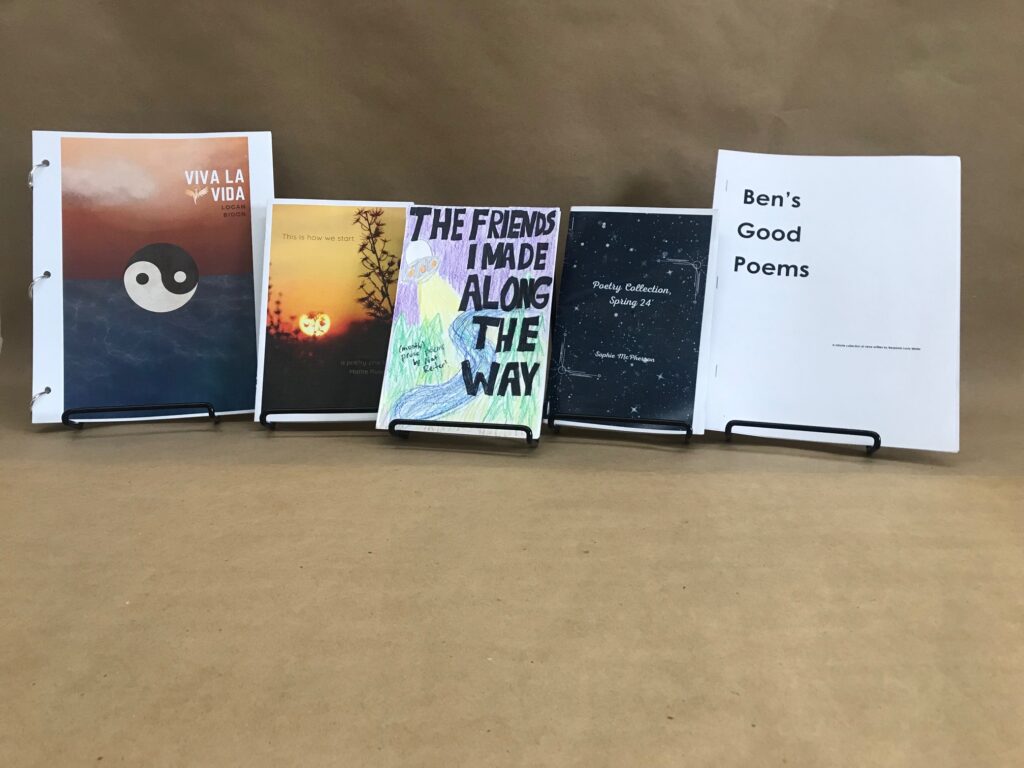
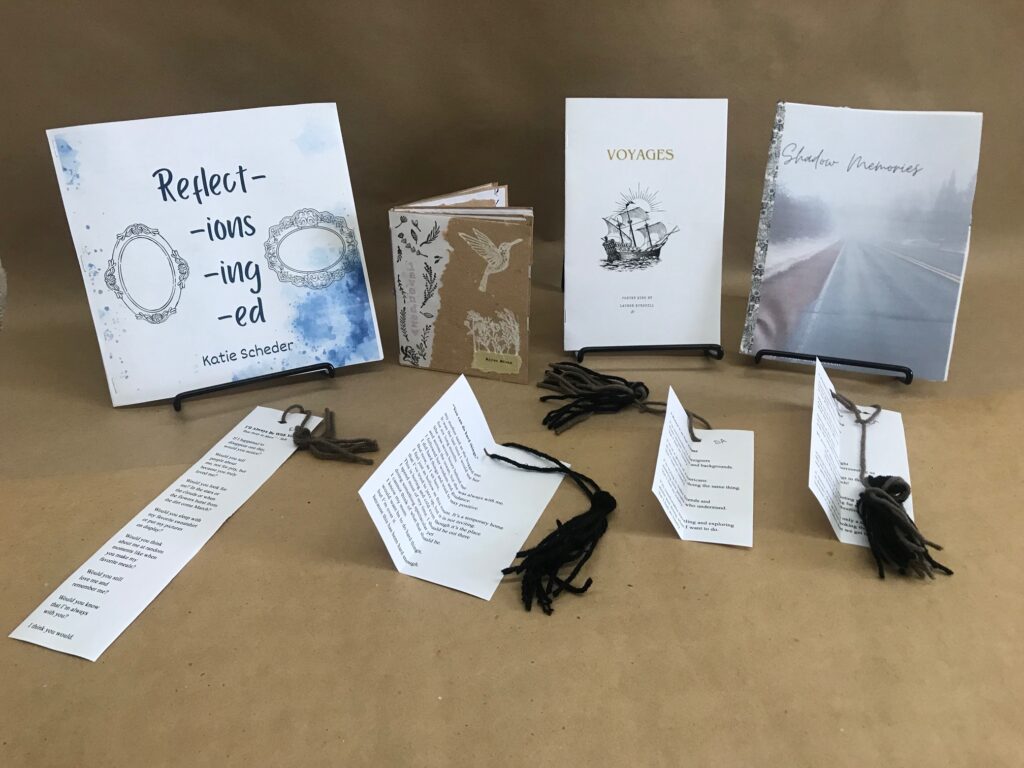
Rising Voices Poetry Project connects students to area youth through poetry and writing activities.

MEET YOUR FACULTY

English Department faculty at UW-Stevens Point pride themselves on the attention they give individual students to help them further and widen their interests, develop their strengths and overcome their weaknesses.

View All Faculty

Profile Photo: Freesia McKee

Freesia McKee

  • Assistant Professor
Profile Photo: Jeff Snowbarger

Jeff Snowbarger

  • Associate Professor
Profile Photo: Jill Stukenberg

Jill Stukenberg

  • Professor
Profile Photo: Ross Tangedal

Ross Tangedal

  • Associate Professor
  • Director of Cornerstone Press

Professional Writing

The Professional Writing minor is a valuable complement to the English major as well as other fields of study where clear, concise, and precise writing is important. Through a pragmatic set of courses, a professional writing minor teaches students to write and produce documents for specific audiences for a particular purpose. The documents may be as short as professionally written emails and letters or up to book-length publications. 

The Professional Writing minor is of particular value for students interested in publishing and editing, business, producing content for digital media, grant writing fields, and other jobs where writing with precision and a clear purpose is paramount.

Consists of 24 credits beyond the General Education Composition requirement.

For more information visit the UW-Stevens Point course catalog.