Women’s and Gender Studies

Women’s and Gender Studies (WGS) is an interdisciplinary field of study that draws from the humanities, social sciences, arts, and natural sciences to examine the ways that gender norms have been socially constructed and how they impact individuals and society.  Students learn to apply an intersectional analysis to social issues, examining how gender intersects with and reinforces other axes of identity, such as race, class, sexuality, and disability. Students analyze the root structures of systems of oppression and evaluate the effectiveness of various strategies for creating social change.   

This minor enhances your career readiness for work in just about any field where sensitivity to diversity issues is important including for example, business, social work, counseling, human resources, and education.       

The minor consists of 18 credits. Students take WGS 105 (“Introduction to WGS) and five additional classes drawn from a list of interdisciplinary electives. View current course requirements.

The minor is administered by the School of Humanities and Global Studies. To learn about requirements, visit the Course Catalog.

For more information contact:
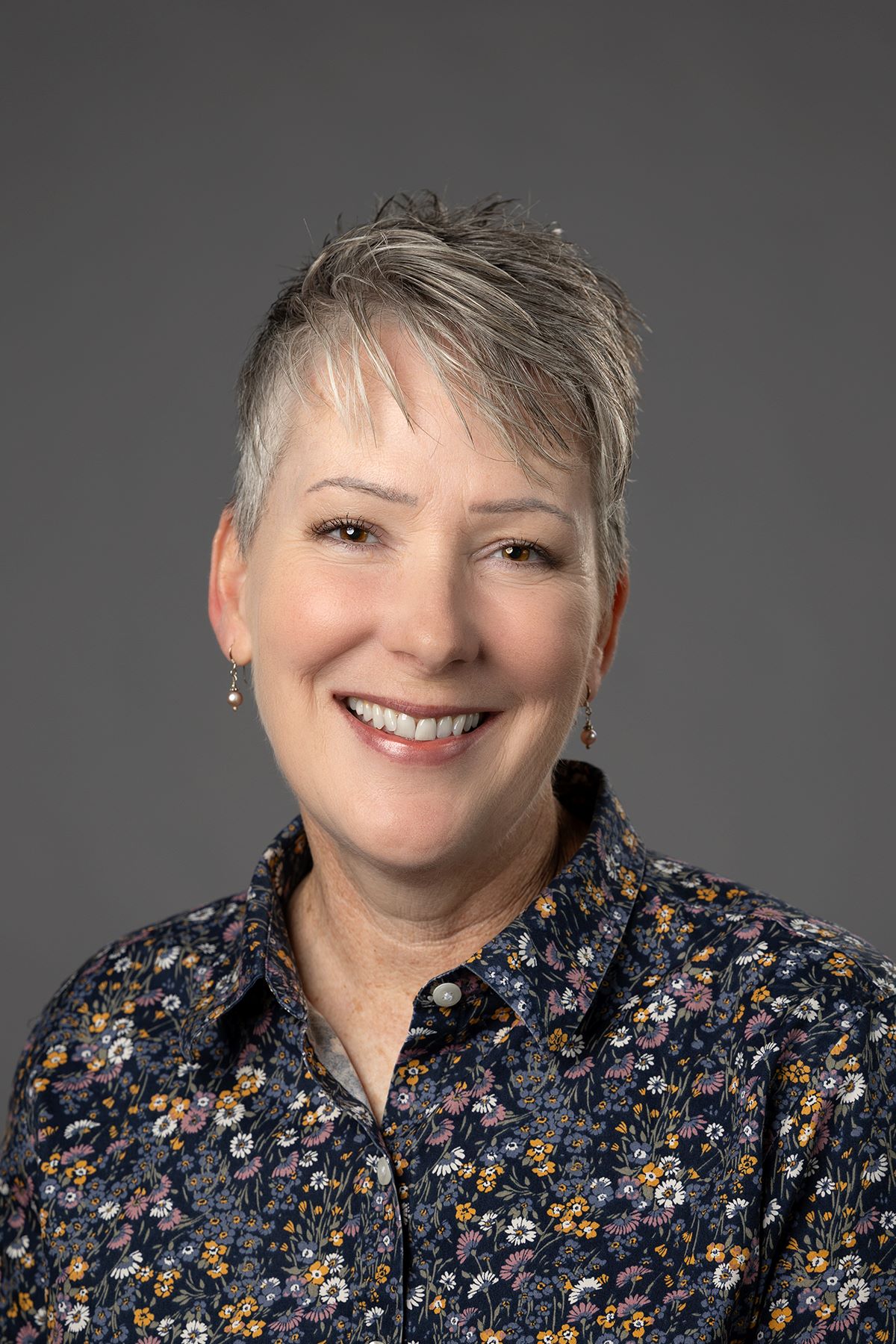
Lauren Gantz, Associate Professor
English
Coordinator of Women’s and Gender Studies
lgantz@uwsp.edu
715-346-2334

Language Study Interdisciplinary

The Language Study Interdisciplinary Certificate allows you to learn about the human capability for language from a variety of perspectives. These include language as an integrated system of rules (linguistics), as the result of specific cognitive processes (psychology), as a communicative pathology to be remediated (Communication Sciences and Disorders), and as a practical key into another linguistic world (World Languages). This certificate provides a solid foundation for students wishing to pursue graduate study in language-related fields such as linguistics, rhetoric, psychology, sociology, philosophy, communication, and foreign languages.

The Language Study Interdisciplinary Certificate satisfies the Interdisciplinary Studies GEP requirement. 
Consists of 21 credits (13 credits + WL requirement) 

For more information, see the GEP section of the catalog.

Contact:
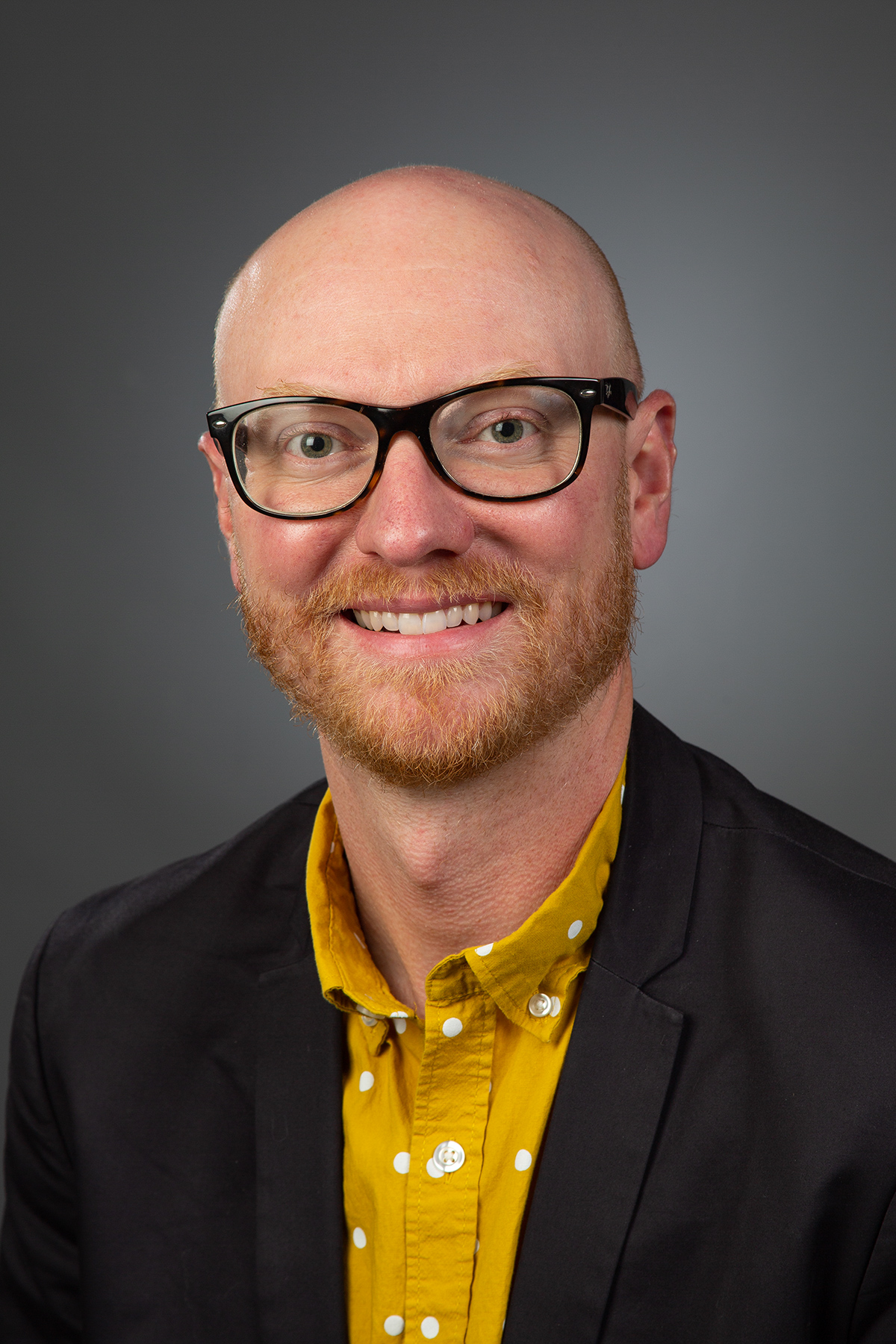
James Berry, Associate Professor
Department of English
Language Study Interdisciplinary Certificate Coordinator
james.berry@uwsp.edu

Sociology Minor

Sociology Minor

A minor in sociology is an excellent complement to any major, since knowledge of human behavior, the structures of society, and social justice/inequality, coupled with the skills of analysis, are useful for students in any area of study.

The minor administered by the Department of Sociology and Social Work consists of 18 credits.

Two courses are required:

  • Sociology 101- Introduction to Sociology (3 cr.)
  • Sociology 350- Applied Social Theory (3 cr.)

The remaining credits may be earned in any other courses in sociology. See the course catalog for descriptions.

Health, Behavior, and Society

The Health, Behavior, and Society minor will broaden your understanding of the complex social factors that influence the health of human beings. Courses in the minor examine the social, cultural, psychological, economic, political, and ethical factors affecting health behavior, status and delivery. In addition, this minor will prepare you for graduate training and careers in a number of allied health fields, such as public health and hospital administration, health planning and health education, and environmental and global health. 

The Health, Behavior, and Society minor consists of 21 credits. Course descriptions can be found in the course catalog here.

Required Classes – 9 credits
POLI 306 Health Politics and Policies (3 cr.) 
SOC 367 Social Epidemiology (3 cr.)
HSW 290 Psychological Aspects of Health (3 cr.) or
PSYC 385 Health Psychology (3 cr.)

Electives – 12 credits
ANTH 380 Medical Anthropology (3 cr.) 
ECON 324 Health Economics (3 cr.) 
HD 386 Family Health Implications of Resource Management (3 cr.) 
HD 465 Grief and Loss (3 cr.) 
HIST 206 Medicine in World History (3 cr.) 
HSW 310 Communication in Health Care (3 cr.)   
HSW 320 Environment, Health, and Technology (3 cr.)   
PHIL 302 Ethics and Medicine (3 cr.) 
PSYC 290 Psychoactive Drugs and Behavior (3 cr.) 
PSYC 351 Abnormal Psychology (3 cr.) 
REL 307 Religion and Health (3 cr.)
SW 381 Death, Dying, Grief and Loss (3 cr.)
SW 383 Substance Abuse Disorders: Assessment and Interventions (3 cr.)
SW 385 Social Work and Mental Health (3 cr.)
SOC 306 Social Aspects of Substance Abuse (3 cr.) 
SOC 308 Sociology of Medicine (3 cr.) 
SOC 368 Sociology of Mental Health (3 cr.) 

For more information

Contact:
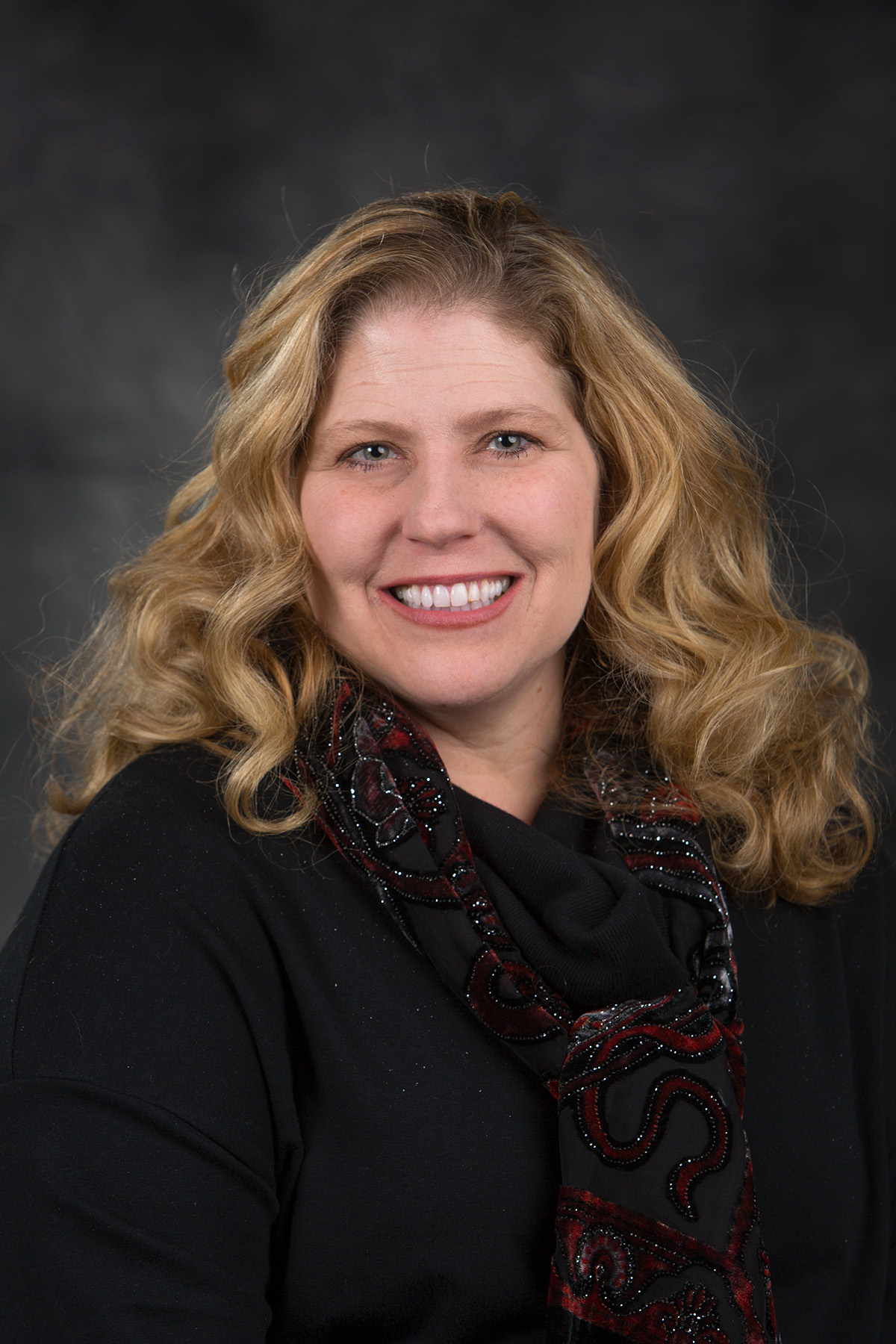
Maggie Bohm-Jordan, Ph.D. , MAS
HBSM Program Coordinator
Associate Professor of Sociology
mbohmjor@uwsp.edu

Criminal Justice Minor

The Criminal Justice minor prepares students for work in the criminal justice field. It is designed to provide students with the courses needed for a successful career in criminal justice agencies and for graduate work in criminology and criminal justice. A minor in Criminal Justice is useful preparation for a career in police work, corrections, probation/parole, youth justice/programming, counseling, and social services. This minor is administered by the Department of Sociology and Social Work but can be coupled with a variety of majors.

The Criminal Justice minor consists of 22-23 credits. Course descriptions can be found in the course catalog here.

Required Classes – 9 credits

  • SOC 101 Introduction to Sociology (3 cr.) or SOC 102 Social Problems (3 cr.) and
  • SOC 230 Criminology (3 cr.) and
  • SOC 334 Race, Crime, and Criminal Justice (3 cr.)

Electives – 9 credits

  • NRES 392 Environmental Law Enforcement Theory and Principles (3 cr.)
  • NRES 494 Conservation Law Enforcement Investigations (3 cr.)
  • PHIL 315 Philosophy of Law (3 cr.)
  • POLI 210 Politics of Crime and Punishment (3 cr.)
  • POLI 212 Law and Legal Systems (3 cr.)
  • POLI 335 Law and Society (3 cr.)
  • POLI 386 Politics of Terrorism and Homeland Security (3 cr.)
  • PSYC 351 Psychopathology (3 cr.)
  • PSYC 390 Psychoactive Drugs and Behavior (3 cr.)
  • SOC 270 Race and Ethnicity (3 cr.)
  • SOC 306 Social Aspects of Substance Abuse (3 cr.)
  • SOC 327 Social Inequality (3 cr.)
  • SOC 329 Gender and Crime (3 cr.)
  • SOC 330 Victimology (3 cr.)
  • SOC 332 Juvenile Delinquency (3 cr.)
  • SOC 333 Corrections (3 cr.)
  • SOC 335 Deviance (3 cr.)
  • SOC 344 Interpersonal Violence (3 cr.)
  • SOC 345 Community Corrections (3 cr.)
  • SOC 368 Sociology of Mental Health (3 cr.)
  • SOC 396 Special topics in Criminology and Criminal Justice (3 cr.)
  • SW 303 Ethical Practice in the Helping Professions (3 cr.)
  • SW 383 Introduction to Substance Use Disorders (3 cr.)
  • SW 385 Mental Health and Co-Occurring Disorders: Resilience and Recovery (3 cr.)

Applied Requirement options – 4-15 credits

  • NRES 393 Conservation Law Enforcement, 15 cr., or
  • SOC 393 Police Academy, 15 cr., or
  • SOC 492 Applied Sociology Practicum, 3-6 cr., and
  • SOC 493 Applied Sociology Practicum Seminar, 1 cr., or
  • SW 494 Social Work Practicum, 8 cr., and
  • SW 495 Social Work Practicum Seminar, 1 cr.

For more information

Contact:

Dorothy R. De Boer
Criminal Justice Coordinator
Professor of Sociology
dorothy.deboer@uwsp.edu

Sociology

START ON YOUR CAREER PATH WITH A SOCIOLOGY DEGREE

Sociology is the scientific study of social life, social change, and the social causes and consequences of human behavior. Sociologists investigate the structure of groups, organizations, and societies and how people interact within these contexts. Potential career paths include community and human service; social activism; advocacy and reform; law enforcement and criminal justice; public service and government; teaching and education; and, general business and management.

Department of Sociology and Social Work

Why Study Sociology at UW-Stevens Point?

Sociology is a highly versatile degree, and at UWSP, we focus on the skills and knowledge graduates need in order to improve organizations, communities, and society writ large.  Our program emphasizes the career-readiness and professional proficiencies of Applied Sociology. In other words, we take the ideas of sociology and bring them to life through practical applications and experiences.


Applied Sociology Practicum

All Sociology students are required to complete the Applied Sociology Practicum, an opportunity to utilize and apply their course knowledge to hands-on field or research internships. Internships are a type of experiential learning that provide students with both observational and hands-on knowledge to enhance their academic endeavors and increase their ability to perform professionally. The UW-Stevens Point Department of Sociology and Social Work has partnerships with community organizations and agencies across the region and state. Students acquire transformative knowledge to succeed in their careers by completing our Applied Sociology Practicum.


Career Opportunities

Students are encouraged to explore career options throughout their time at UWSP to understand the abundance of options available with a degree in sociology. Graduates pursue careers in the public and private sectors as well as advanced degrees in graduate school. Entry-level positions for sociology degree majors are common in the public sector and can involve case work, program planning, development and evaluation, agency-based or outreach services, survey research, and statistical analysis. Careers in the private sector can include program consultancy, market research, policy analysis, and others.

WHAT TO EXPECT

A sociology major at the University of Wisconsin-Stevens Point is rooted in 32 credits of coursework that builds analytical skills – through four required core courses – and then applies those skills – through electives that provide a foundation and the Applied Sociology Practicum that emphasizes practical experience.

Required core courses:

  • SOC 101 – Introduction to Sociology (3 credits)
  • SOC 350 – Applied Social Theory (3 credits)
  • SOC 351 – Social Statistics (4credits)
  • SOC 352 – Research Methods (3 credits)

Electives:

15 additional Sociology credits.  Course descriptions can be found in the course catalog here.

The Applied Sociology Practicum caps off the Completing an internship as your final undergraduate experience and allows for a natural bridge into the professional world and/or graduate school.


ONLINE OPTION
Sociology students may choose our program coursework delivery in person or fully online with instructors who are highly interactive in the remote learning environment.

STAY CONNECTED + GET INVOLVED ON CAMPUS

To connect students to the program, each other, and the university, we have created the SOC-HUB. All students majoring in Sociology have access to the SOC-HUB in Canvas. Students will meet their faculty and find academic, department, campus, and professional resources.

The department sponsors the Sociology and Social Work Organization, a student organization that involves students in extra-curricular activities related to sociology and social work. The organization participates in a wide variety of activities such as hosting speakers and fundraising for cancer research, food drives and numerous other local volunteer activities.

UW-Stevens Point also sponsors a chapter of Alpha Kappa Delta honor society, an organization that acknowledges and promotes excellence in the study of sociology, the research of social problems, and other social and intellectual activities that will lead to involvement in the human condition.

More opportunities can be found on the Stevens Point Involvement Network (SPIN).

MEet Your Faculty

Our diverse faculty, with backgrounds from around the U.S. and around the world, has expertise in a wide range of subjects including gender and sexuality, race and ethnicity, family, demography, criminology, community studies, environmental sociology, globalization, social inequality, social change, and more. All sociology faculty members hold a Ph.D.

Profile Photo: Ann Herda-Rapp

Ann Herda-Rapp

  • Professor
Stevens Point – SCI B327, Wausau – 304 North Hall, Marshfield – room 437
Profile Photo: David Barry

David Barry

  • Professor
  • Applied Sociology Practicum, field coordinator
  • [ More… ]
Profile Photo: Dorothy De Boer

Dorothy De Boer

  • Professor
  • Criminal Justice Minor coordinator
SCI B331
Profile Photo: M. David Chunyu

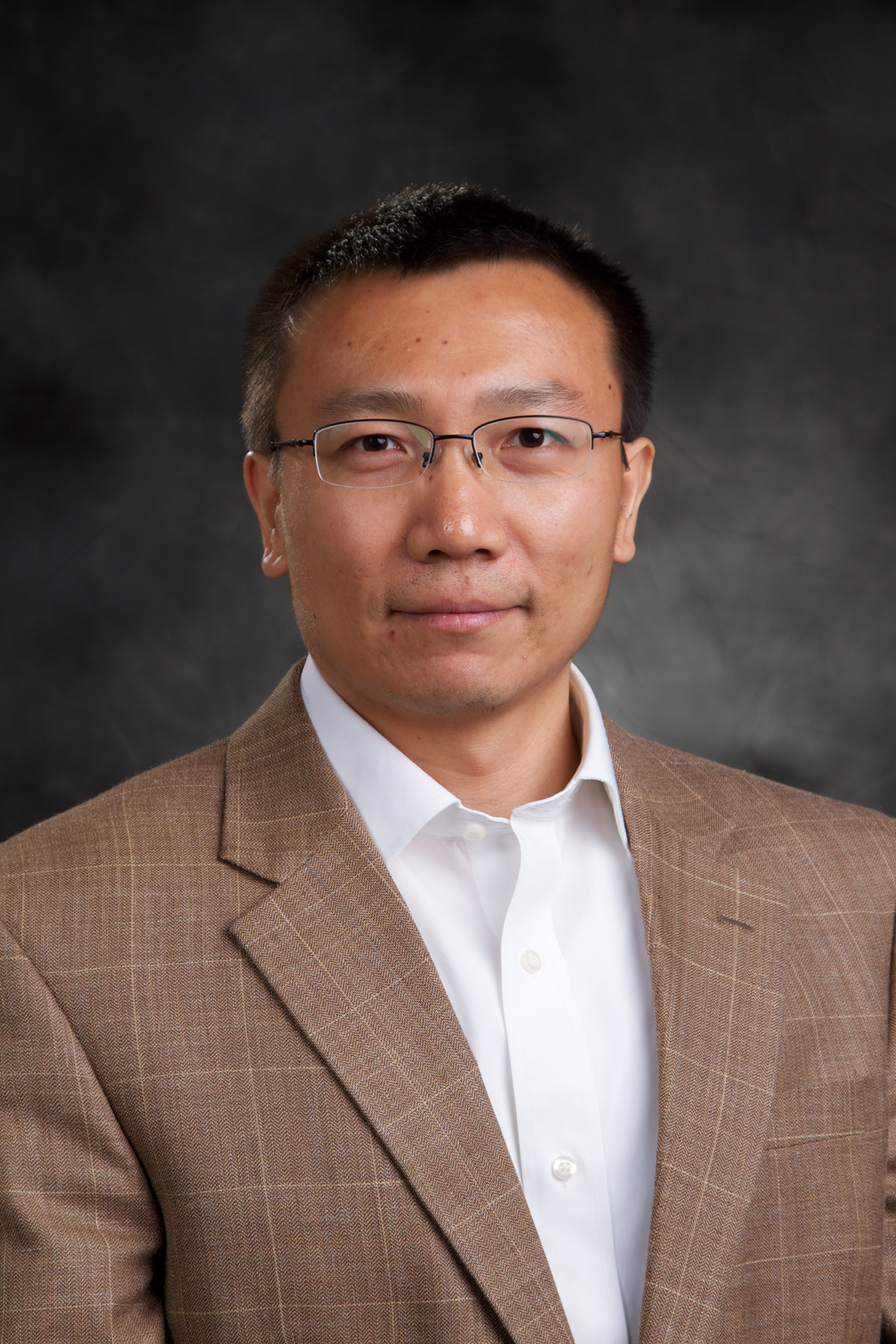
M. David Chunyu

  • Associate Professor
SCI B335
Profile Photo: Maggie Bohm-Jordan

Maggie Bohm-Jordan

  • Associate Professor
  • Coordinator, Health, Behavior, and Society Minor
Social Work

MEET DIVERSE COMMUNITY NEEDS WITH A DEGREE IN SOCIAL WORK FROM UW-STEVENS POINT

Becoming a professional social worker is a positive step toward a very rewarding career that can make a difference in the lives of individuals, families, groups, organizations, communities, and society as a whole. As a helping profession, social work involves working with people from diverse backgrounds in a variety of situations and across a multitude of practice settings. With a focus on enhancing human well-being, social workers strive to meet the needs of all people and empower those who are vulnerable, oppressed, and/or living in poverty.

The UW-Stevens Point bachelor’s program in social work is accredited by the Council on Social Work Education. Upon graduation, students are eligible to apply for their social work certification through the Wisconsin Department of Safety and Professional Services.

Department of Sociology and Social Work

Why Study Social Work at UW-Stevens Point?

The social work curriculum at UWSP’s Stevens Point and Wausau campuses is designed to prepare students for entry-level professional social work as well as graduate study in social work. The UW-Stevens Point social work program is accredited by the Council on Social Work Education. All CSWE programs measure and report student learning outcomes. Students are assessed on their mastery of the competencies set forth by the Council on Social Work (CSWE).

Field Placements and Research

The Department of Sociology and Social Work has established relationships with numerous community agencies involving many different client populations in order for students to complete their required social work field placements. Additionally, students may participate in student-led and faculty-mentored research with the opportunity to present at the annual College of Letters and Science Undergraduate Research Symposium and other venues.


Career Opportunities

Bachelor’s level social workers are eligible for entry-level employment in a variety of practice areas including child welfare, youth justice, mental health, substance abuse, health care, aging, disability services and criminal justice. Examples of specific job titles include child protective services worker, foster care case manager, aging and disability specialist, crisis counselor, mental health case manager, discharge planner, nursing home social worker and job coach. Students are encouraged to explore career options throughout their time at UWSP to understand the abundance of options available with a degree in social work.

Scholarships and Awards

Scholarship selections are determined by the Department of Sociology & Social Work and awarded in the spring. Awards are available for majors and minors who meet particular criteria, including one for participants in a full semester abroad program.


WHAT TO EXPECT

The Department of Sociology and Social Work is committed to helping new students achieve their social work/human services education goals. As a professional degree program accredited by the Council on Social Work Education (CSWE) and consistent with the assessment policies of UW-Stevens Point, the Social Work Program undertakes a detailed, ongoing assessment of student achievement and learning outcomes. Students are assessed on their mastery of the competencies that comprise the accreditation standards of the Council on Social Work Education. View student handbook for more details.

All social work students must complete at least 400 hours of field placement in an approved agency and meet in a weekly seminar each semester that they are in their placement. This typically takes place during the student’s senior year and requires a formal application process. Field education is central to the development of competent, humane, knowledgeable, skilled, and effective social workers. It allows opportunities for applying classroom content and experiences to professional situations, developing and evaluating student readiness for professional practice, and developing collaborative partnerships among students, professionals, and university faculty. 

ONLINE OPTION
Social work students may choose to enroll in our CSWE-accredited program in person or fully online with instructors who are highly interactive in the remote learning environment.

GET INVOLVED ON CAMPUS

The department sponsors the Sociology and Social Work Organization, a student organization that involves students in extra-curricular activities related to sociology and social work. Examples of organization activities include fund raising for cancer research, food drives and numerous other local volunteer activities. The Phi Alpha Honor Society provides a closer bond among students of social work and promotes humanitarian goals and ideals. Phi Alpha fosters high standards of education for social workers and invites into membership those who have excellence in scholarship and achievement in social work. View more professional organizations.

More opportunities can be found on the Stevens Point Involvement Network (SPIN).

ACCREDITATION

The UW-Stevens Point social work program is accredited by the Council on Social Work Education’s Board of Accreditation. All CSWE programs measure and report student learning outcomes. Students are assessed on their mastery of the competencies associated with the accreditation standards of CSWE. Accreditation of a baccalaureate or master’s social work program by the Council on Social Work Education’s Board of Accreditation indicates that it meets or exceeds criteria for the assessment of program quality evaluated through a peer review process.

A Solid Foundation for Graduate Study

Earning a master’s degree in social work (MSW) is an excellent way to advance your knowledge and skill for a career in social work. Doing so opens doors to certain areas of practice that require a master’s degree such as school social work, dialysis social work, and clinical social work. It also tends to increase marketability, pay, and chances of obtaining supervisory and/or administrative positions. Students who earn an undergraduate social work degree are eligible for advanced standing in graduate school, which allows them to bypass the first year of study and complete their MSW in one year at most universities.

Did you know UW-Stevens Point is paving the way for graduate success with our 100% online program? Our team will reach out to you about attending an information session.   


MEet Your Faculty

UW-Stevens Point social work faculty have a broad range of experience within the field. Our Social Work faculty members hold a MSW/MSSW in social work, and several hold a Ph.D. or DSW in social work. They have expertise in mental health, substance use disorders, hospice and medical social work, school social work, and public child welfare. Students admitted into the social work major will be assigned one of the full-time social work faculty members as an adviser.

Archives: Faculty / Staff Profiles – Faculty / Staff Directory

Profile Photo: Amy Zlimen Ticho

Amy Zlimen Ticho

  • Professor
  • Chair, Department of Sociology and Social Work
  • [ More… ]
Profile Photo: Jess Bowers

Jess Bowers

  • Associate Professor
  • BSW Program Director
  • [ More… ]
Profile Photo: Kate Kipp

Kate Kipp

  • Associate Professor
Profile Photo: Margaret Kubek

Margaret Kubek

  • Assistant Professor
SCI B341
Profile Photo: Tara Anderson

Tara Anderson

  • Assistant Professor
  • Coordinator, Substance Use and Addiction Studies Minor

Geospatial Sciences

A GEOSPATIAL SCIENCE DEGREE DIRECTS STUDENTS TO SUPPORT MUNICIPAL, STATE OR NATIONAL PROJECT WORK

The potential for using your geospatial sciences major in private enterprise and government has grown considerably in recent years. This potential is reflected in our stellar placement rates – 93 percent of UW-Stevens Point geospatial sciences majors are hired or enrolled in further education within one year of graduation.

The geospatial science program at the University of Wisconsin-Stevens Point allows students to pursue degrees with specializations in geographic information science and cartography, cultural geography, urban planning and geodesign (the use of geospatial technologies to plan built and natural environments).

Many graduates choose to deepen their knowledge with minor programs in Earth Science, Environmental Geography, Geographic Information Systems and Spatial Science (GISSA), or Urban Planning and Geodesign. Students may also earn a professional certificate in Geographic Information Systems (GIS).

Department of Geography and Geology

Why Study Geospatial Sciences at UW-Stevens Point?

The Department of Geography and Geology will prepare you for an exciting and meaningful career. Our faculty will instill their knowledge of cartography, geographic information systems, cultural, economic and urban geography, and environmental science. You will hone your expertise in spatial information and the relationship between people, places and the planet.


Program Facilities

From the Earth Materials Testing Laboratory to the Map Center and Spatial Analysis computer labs. You will have access to state-of-the-art computer equipment for the facilitation of map production and geographic analyses. Our students are trained in the field with weather and climate studies, palynology, submeter GPS data collection, large scale urban mapping, and much more.


Awards and Scholarships

The Department of Geography/Geology has established a program of awards to encourage, reward, and recognize student excellence in the department. Each award includes a certificate and cash award.


WHAT TO EXPECT

Geoscientists locate resources such as potable water, oil, gas and metallic ore deposits, forecast the weather and model climate change, develop land-use plans and geohazard maps, explore Earth’s remote localities as well as other planets and the solar system. The geoscience field is experiencing significant growth in response to an interplay of increasing global consumption and decreasing availability of Earth materials.

Geospatial Sciences students enjoy studying the relationship between people, places, and the planet. Our majors are detectives who try to reveal the past and future of the Earth.

Graduates with a bachelor’s degree in geospatial sciences often find employment at:

  • private firms
  • local, state and federal agencies
  • in teaching, primarily at the secondary level

GET INVOLVED ON CAMPUS

The GeoClub is an informal organization open without restriction to all students interested in the field of geospatial science, geography and geoscience. Gamma Theta Upsilon is an international geographical honor society open to geography students. Prerequisites for regular membership include completion of a minimum of nine credits above the 100 level in geography, a geography grade-point average of a B or higher, and payment of a lifetime membership fee.

Our geospatial sciences majors commonly seek volunteer, part-time, summer, internship or co-op experience in the field. Many consider joining professional organizations such as the American Geographic Society of National Council for Geographic Education. Many join groups that promote natural resources or the environment and pollution control.

Graduate Profiles

Our graduates are in demand. Nationally and regionally, there is a pressing need for professionals educated in GIS and related spatial analysis techniques. Prepare yourself for purposeful work through your courses in the Department of Geography and Geology. Some of our alumni share their career paths!


MEET YOUR FACULTY

UWSP Geo faculty have training and interests in cartography, geographic information systems, climatology, geomorphology, hydrology, natural hazards, environmental science, and cultural, economic and urban geography. Meet your professors!

Profile Photo: Doug Miskowiak

Doug Miskowiak

  • GIS Instructional Administrator
  • GIS Graduate Certificate Program Director
  • [ More… ]
Profile Photo: Ismaila Odogba

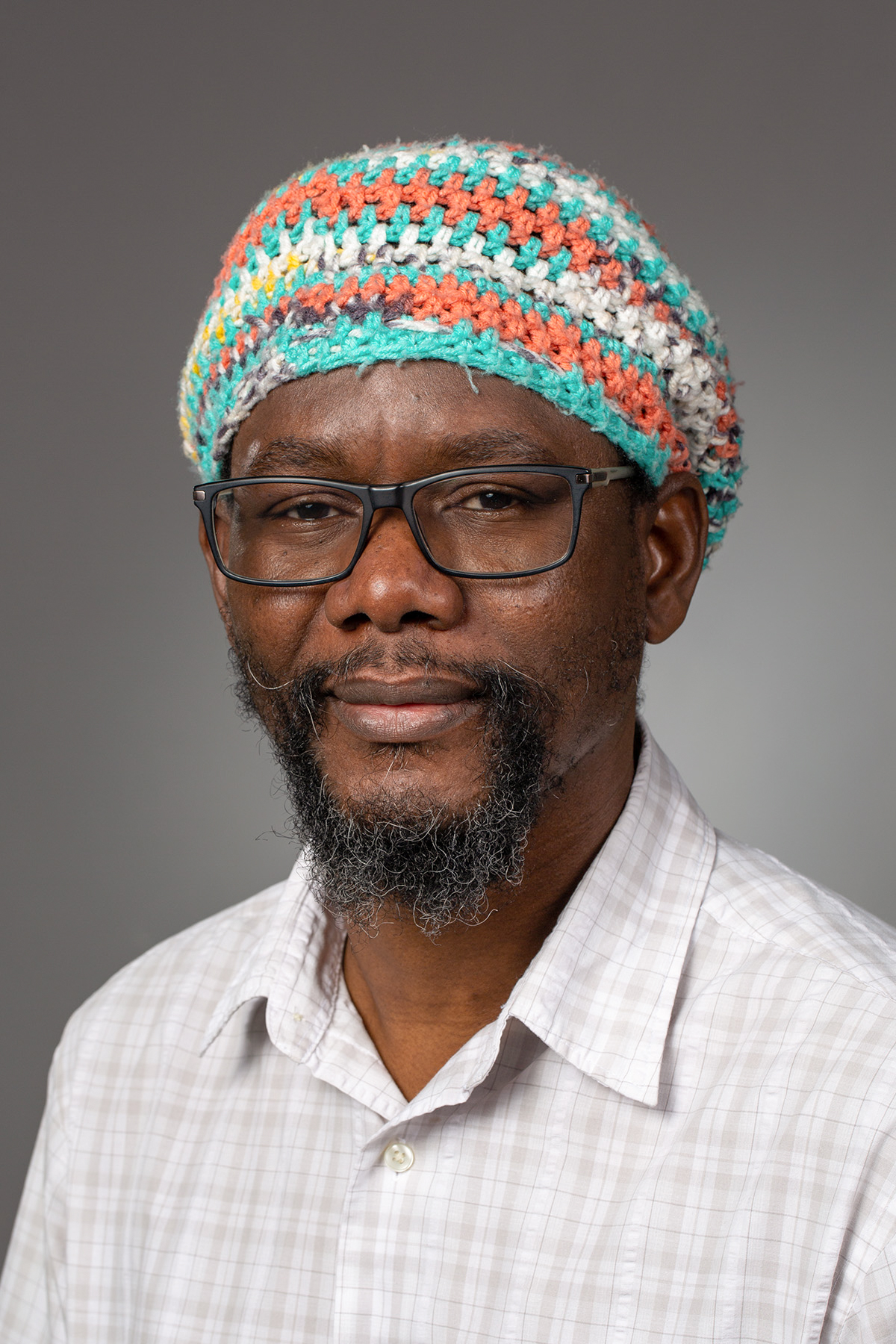
Ismaila Odogba

  • Professor
  • Co-Director, Center for the Small City
  • [ More… ]
Profile Photo: Lisa Siewert

Lisa Siewert

  • Senior Lecturer
Profile Photo: Samantha Kaplan

Samantha Kaplan

  • Professor
  • Global Affiliate Scholar – Ed.D. in Educational Sustainab…

Astronomy

The minor in astronomy will help prepare UW-Stevens Point students for entry into the competitive science, technology, engineering and mathematics workplace. The minor complements any science major, which can give students an advantage securing employment in education, industry, science museums and observatories, among other potential employers.

OBSERVATIONAL ASTRONOMY

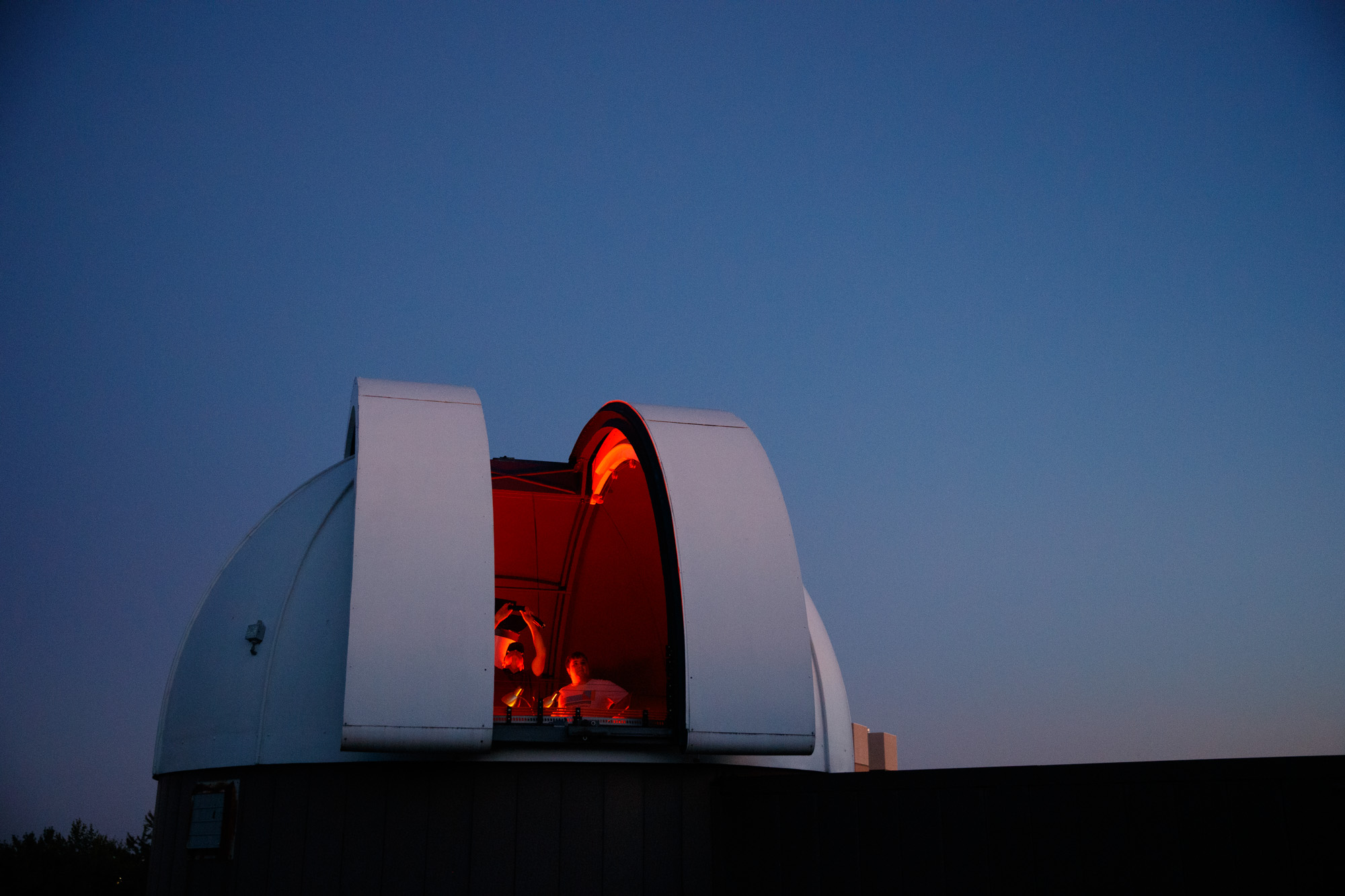
The program includes in its core courses a new Observational Astronomy class that takes advantage of the Arthur J. Pejsa Observatory, located in our Science Building. UWSP is the second comprehensive UW institution to offer such a program.

astronomy


According to Professor Brad Hinaus, “The astronomy minor provides students the opportunity to explore some of the most exciting topics in modern-age science, from the feasibility of colonizing Mars to the discovery of habitable planets orbiting other stars, from the exotic black holes lurking at the cores of large galaxies to the elusive neutrinos and gravitational waves that expand our view into the universe. Students minoring in astronomy gain exposure to the principles of astronomy, physics and mathematics. They learn to think critically and evaluate, interpret and solve problems related to the astronomical, as well as other technical and general scientific topics.”

In addition to the Pejsa Observatory, students will also use the Allen F. Blocher Planetarium, which is used as an immersive instructional tool for most astronomy courses required to complete the minor.

The astronomy minor consists of a minimum of 24 credits. For more information visit the UW-Stevens Point course catalog.

  • PHYS 203  – College Physics I (5 cr.)  or  PHYS 240 – University Physics I (5 cr.)
  • PHYS 204  – College Physics II (5 cr.)  or  PHYS 250 – University Physics II (5 cr.)
  • ASTR 205 – The Solar System (4 cr.)
  • ASTR 206 – Stars and Stellar Systems (4 cr.)
  • ASTR 306 – Observational Astronomy (3 cr.)
  • ASTR 305 – The History of Astronomy (3 cr.)  or  PHYS 384 – Astrophysics (3 cr.)

When you decide to minor in astronomy, register in the department office to be assured of proper advising. To be accepted as a minor you must have a minimum grade point average of 2.00, regardless of a declaration of academic bankruptcy. The department may grant exceptions. No more than one grade below C- in physics and astronomy courses numbered 300 or above may be applied to the minor.

For more information on the astronomy minor, contact Adriana Durbala at Adriana.Durbala@uwsp.edu or Sebastian Zamfir at Sebastian.Zamfir@uwsp.edu

Physics

A minor in physics gives you an outstanding foundation for understanding science and technology. By succeeding in a challenging field of study, you will be able to distinguish yourself when you start a job or a career!

The physics minor consists of the following:

  1. A minimum of 25 credits including Physics 111, 240, 250, 300 and other physics courses numbered above 300 not including 390 and 490. At least one elective must include a laboratory.
  2. Math 225, 226, 227.
  3. A minor in physics is certifiable for teaching only when accompanied by a certificate in another science (biology, chemistry, earth and space science, or environmental science) as part of the Natural Science for Science Teaching Certification degree.
  4. When you decide to minor in physics, register in the department office to be assured of proper advising. To be accepted as a minor you must have a minimum grade point average of 2.00 (2.75 to student teach), regardless of a declaration of academic bankruptcy. The department may grant exceptions. No more than one grade below C- in physics courses numbered 300 or above may be applied to the minor.

For more information visit the UW-Stevens Point course catalog.