Master of Social Work (MSW)
A MASTER OF SOCIAL WORK PROGRAM TAILORED FOR YOU
Earn your MSW degree through our flexible and accessible 100% online program. Combine your passion for serving others with our expertise and established partnerships.
Why pursue your MSW at UWSP?
Flexibility
- Most courses are asynchronous
- Part-time or full-time enrollment available
- Practicum hours can be completed in or near your home community
Connection
- Select courses have an evening Zoom component that allows you to build relationships and stay connected to your peers and professors
Career Advancement
- Prepares you for more advanced, higher-paying positions and leadership opportunities
- Can qualify you for licensure, open doors to independent clinical roles, and equip you with high-demand skills such as policy advocacy and specialized clinical practice
GET STARTED TODAY!
Request information and start your journey in our online MSW program. Our team will reach out to you about attending an information session.
Elevate Community Well-Being
With an emphasis on serving rural communities, our program prepares students to be collaborative organization leaders who advocate for social, economic, racial, and environmental justice and the development of responsive social policies, programs and services. The MSW at UWSP prepares students to abide by the NASW Code of Ethics and to employ systems, strengths-based, and empowerment approaches in serving individuals, families, groups, institutions, and communities.
Career Growth in Social Work
Your MSW degree is in demand. According to the U.S. Bureau of Labor Statistics, employment of social workers is projected to grow 6% in the next ten years, faster than the average for all occupations. A variety of trends are influencing this growth including ongoing child welfare needs, the increasingly recognized value of social workers in school settings, the growth of our aging population, and more and more people seeking treatment for mental health issues and substance use disorders.
Online but Connected
Through our robust online program, we develop meaningful connections among faculty and students. While many classes are asynchronous, others have a required Zoom component that fosters collaborative skills, builds community, and allows for deeper exploration of concepts.
A Plan for Every MSW Student
Advanced or regular standing. Our program meets your individual needs. You will work with our advisers to help you follow a course plan that fits your graduation goals!
MSW TUITION
$625 per credit
Full-Time Advanced Standing
| Term | Credits | Tuition + Fees* | ||
|---|---|---|---|---|
| Summer | 3 | $2,158 | ||
| Fall | 15 | $10,710 | ||
| Spring | 15 | $10,710 | ||
| Total | 33 | $23,578 |
The MSW program is $625 per credit and is the same price for students who reside in-state or out-of-state.
*Tuition and fees totals include estimated segregated fees and distance education fees. Distance education fees are assessed at $50 per credit for online courses. Additional administrative fees may apply. Students pursuing the School Social Work pathway will be required to complete 2 additional credits.
Part-Time Advanced Standing
| Term | Credits | Tuition + Fees* | ||
|---|---|---|---|---|
| Fall | 6 | $4,885 | ||
| Spring | 6 | $4,885 | ||
| Summer | 3 | $2,158 | ||
| Fall | 9 | $6,600 | ||
| Spring | 9 | $6,600 | ||
| Total | 33 | $25,248 |
The MSW program is $625 per credit and is the same price for students who reside in-state or out-of-state.
*Tuition and fees totals include estimated segregated fees and distance education fees. Distance education fees are assessed at $50 per credit for online courses. Additional administrative fees may apply. Students pursuing the School Social Work pathway will be required to complete 2 additional credits.
Full-Time Regular Standing
| Term | Credits | Tuition + Fees* | ||
|---|---|---|---|---|
| Summer | 3 | $2,158 | ||
| Fall | 14 | $10,085 | ||
| Spring | 14 | $10,085 | ||
| Summer | 3 | $2,158 | ||
| Fall | 15 | $10,710 | ||
| Spring | 15 | $10,710 | ||
| Total | 64 | $45,906 |
The MSW program is $625 per credit and is the same price for students who reside in-state or out-of-state.
*Tuition and fees totals include estimated segregated fees and distance education fees. Distance education fees are assessed at $50 per credit for online courses. Additional administrative fees may apply. Students pursuing the School Social Work pathway will be required to complete 2 additional credits.
Part-Time Regular Standing
| Term | Credits | Tuition + Fees* | ||
|---|---|---|---|---|
| Fall | 6 | $4,885 | ||
| Spring | 6 | $4,885 | ||
| Summer | 3 | $2,158 | ||
| Fall | 8 | $6,035 | ||
| Spring | 8 | $6,035 | ||
| Summer | 3 | $2,158 | ||
| Fall | 6 | $4,885 | ||
| Spring | 6 | $4,885 | ||
| Fall | 9 | $6,600 | ||
| Spring | 9 | $6,600 | ||
| Total | 64 | $49,246 |
The MSW program is $625 per credit and is the same price for students who reside in-state or out-of-state.
*Tuition and fees totals include estimated segregated fees and distance education fees. Distance education fees are assessed at $50 per credit for online courses. Additional administrative fees may apply. Students pursuing the School Social Work pathway will be required to complete 2 additional credits.
FAQ
What are the requirement differences between regular and advanced standing?
Regular Standing Admission Standards
Applicants must have a baccalaureate degree from a regionally accredited college or university in the United States. International applicants must have a degree comparable to a regionally accredited U.S. baccalaureate degree.
Advanced Standing Admission Standards
Applicants must have a CSWE-accredited baccalaureate degree in social work, or an internationally earned ISWDRES-evaluated degree comparable to a baccalaureate in social work, earned within the last 7 years.
Note: We are currently only accepting regular standing students. Advanced standing students will be eligible to apply in August 1, 2026 for the Summer 2027 cohort.
How long will it take to complete the program?
Regular standing students:
- Part-time: 4 years
- Full-time: 2 years
Advanced standing students:
- Part-time: 2 years
- Full-time: 1 year
Can I complete the program all in my home community?
Yes! The courses are fully online with the required practicum to be completed in or near a student’s home community.
How many hours of practicum are required?
Regular standing students will complete 400 hours of practicum during the foundation year of the program and an additional 500 hours in a separate setting during the advanced year.
Advanced standing students will complete 500 hours of practicum during the advanced year.
Placement hours are dispersed throughout the academic year (September-May), averaging approximately 17 hours per week.
Does the program allow employment-based practicum placement?
Yes, but there is a specific application and screening process that must be completed for this option. We cannot guarantee employment-based practicum.
Will I be able to claim CSWE accreditation when I graduate?
Yes, we are launching the program in a way that all students will be able to claim the accreditation status when they graduate.
The UW-Stevens Point MSW Program has achieved candidacy for accreditation by the Council on Social Work Education’s (CSWE) Board of Accreditation (BOA). Candidacy status indicates that it has made progress toward meeting standards of program quality evaluated through a peer review accreditation process. A program that has attained candidacy status has demonstrated a commitment to meeting the accreditation standards but has not yet demonstrated full compliance. Students that are admitted to candidate programs in the fall (or later) of the academic year in which the program is granted candidacy status will be retroactively recognized as graduates from a CSWE-BOA accredited program as long as the program attains initial accreditation. Candidacy is typically a 3-year process and attaining candidacy does not guarantee that a program will eventually attain initial accreditation. Candidacy applies to all program options, which include locations and delivery methods. Accreditation provides reasonable assurance about the quality of the program and the competence of students graduating from the program.
Review our program’s candidacy status in CSWE’s Directory of Accredited Programs. For more information about social work accreditation, contact CSWE’s Department of Social Work Accreditation at accreditation@cswe.org.
What resources and services are available to MSW students?
MSW students have access to a variety of resources to support their academic success and well-being. These services are funded by a combination of tuition, distance education, and segregated fees. Resources include:
Dean of Students Office – Support for navigating academic, conduct-related, or personal challenges. Visit the Dean of Students website.
MSW Student Handbook – A comprehensive guide to program policies, curriculum, practicum education, and student expectations. Access the handbook here.
MSW Student Center – A Canvas-based site used during orientation and throughout the program as an ongoing resource. Students self-enroll after receiving UWSP credentials. It includes modules on curriculum, policies, practicum education, self-care, and professional development. Faculty and instructors encourage its use through advising and course activities.
Faculty Advising – Each MSW student is assigned a faculty advisor who provides individualized guidance throughout the program. Advising includes course planning, career development, and support for academic success. Students meet with their advisor at least once per semester and may request additional consultations.
Counseling Center – Offers online telemental health counseling and psychological services for students, including support for stress, anxiety, depression, and other concerns. Learn more and schedule services at the Counseling Center website.
Student Health Services – Provides virtual consultations, information, and referrals for health and wellness needs. While some services require in-person visits, many resources can be accessed remotely. Learn more at the Student Health Services website.
Tutoring-Learning Center – Offers online and virtual academic assistance for writing, research, and coursework, including one-on-one tutoring and workshops accessible remotely. Learn more at the Tutoring-Learning Center website.
Disability Resource Center – Provides accommodations and support for students with disabilities, including those enrolled in online programs. The DRC works virtually with students to ensure equal access to courses and learning activities. Learn more at the Disability Resource Center website.
Academic and Career Advising Center – Guidance on course planning, job search strategies, and career development. Learn more at the Academic and Career Advising Center website.
Financial Aid Office – Assists students with understanding and applying for financial aid, scholarships, and grants. Learn more at the Financial Aid website.
Veterans Services – Provides support for military-connected students, including assistance with VA benefits, tuition, and academic resources. Learn more at the Veterans Services page.
Student Experience and Transformation Office – Offers programs and services to enhance student engagement, leadership development, and transformative learning experiences. Learn more at the Student Experience and Transformation website.
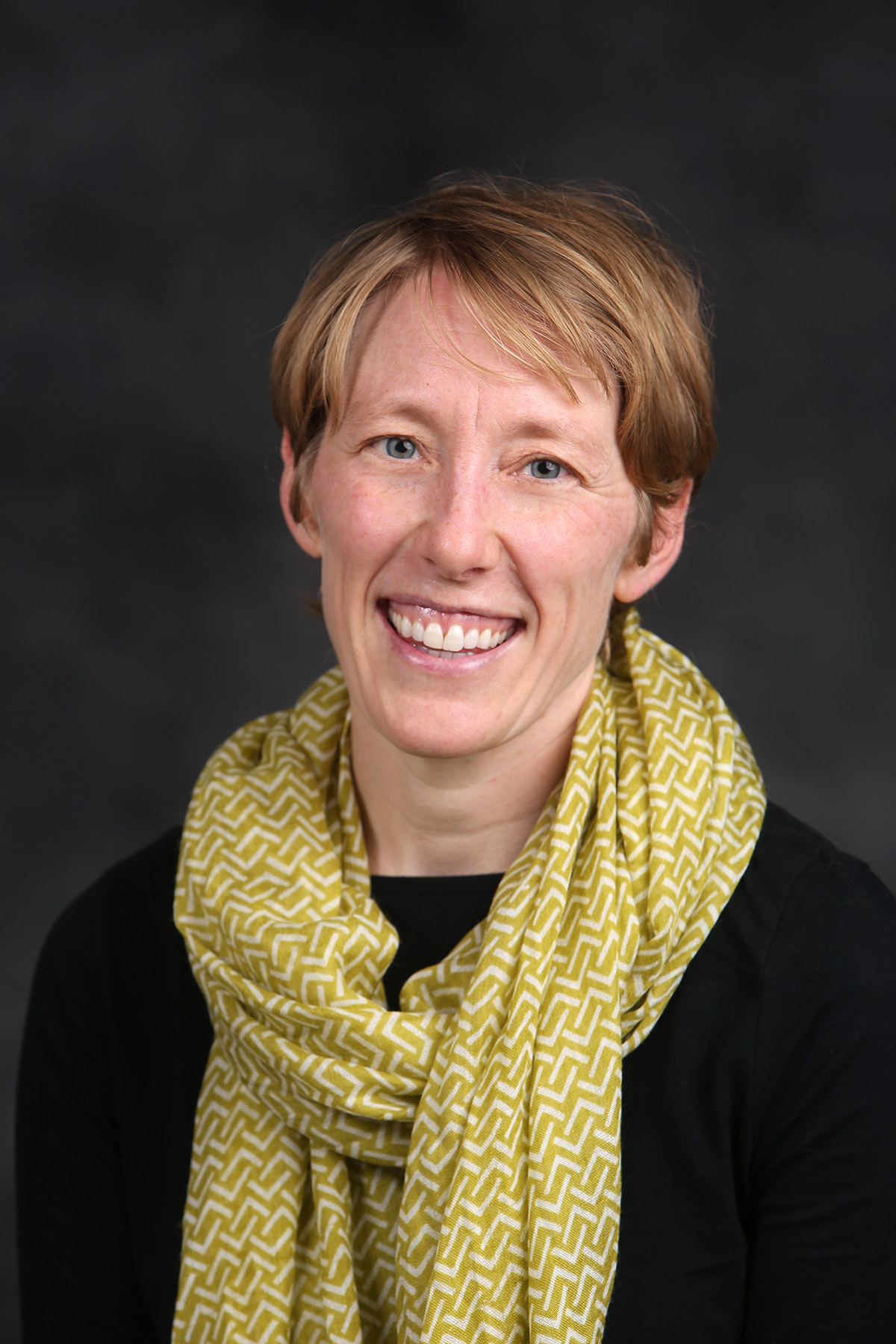
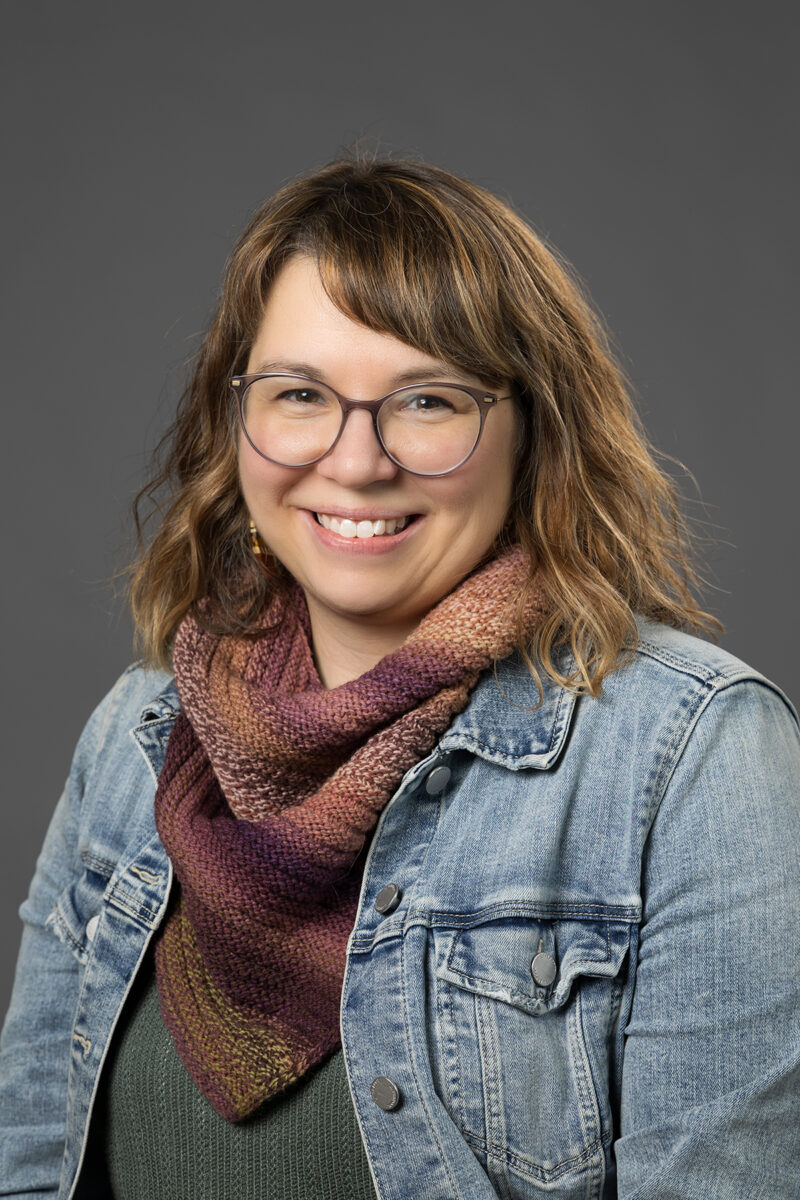
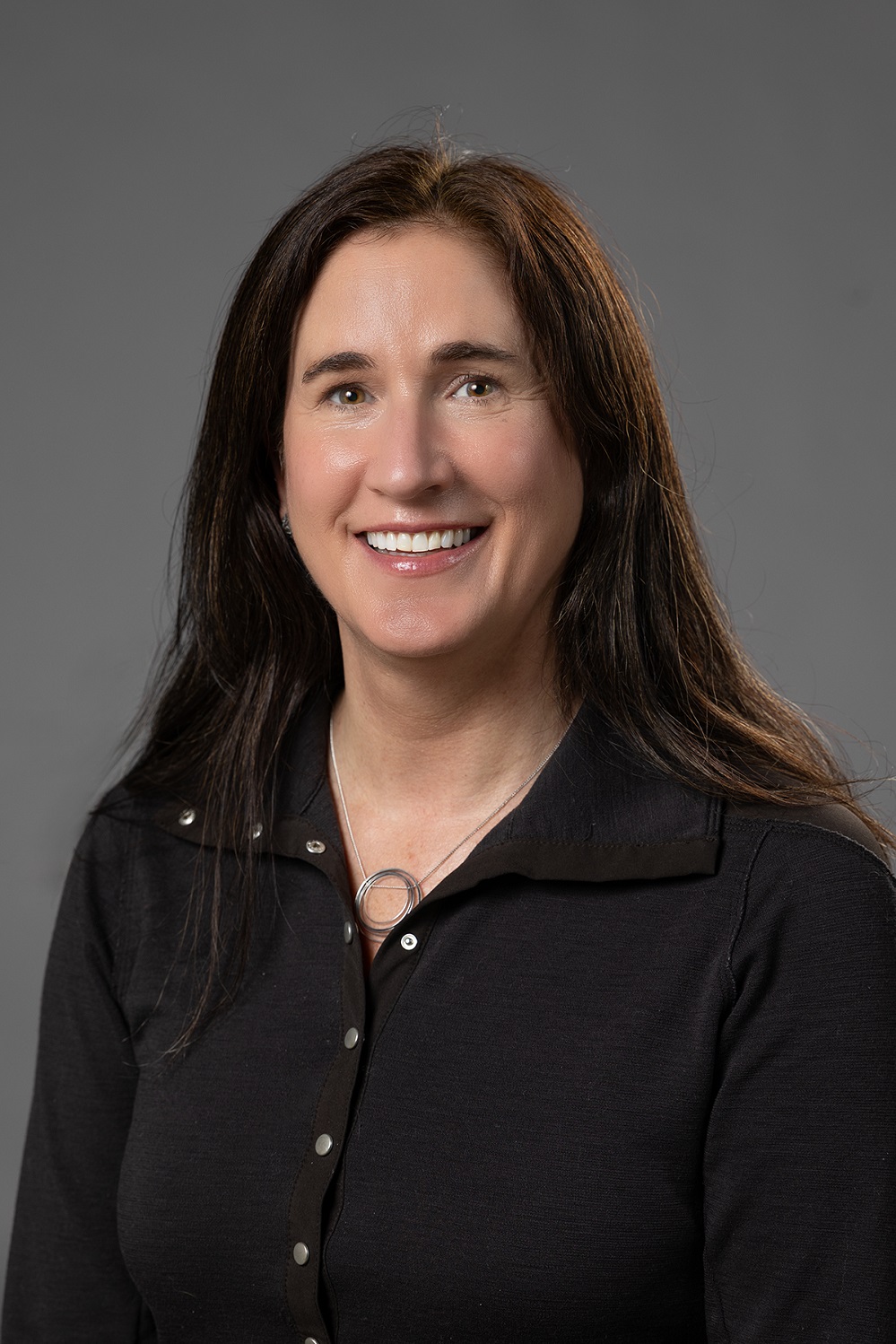
Meet Your Faculty
Our experienced social work faculty at UW-Stevens Point will help you complete your MSW degree and prepare you to address the most challenging social concerns in our communities.
Archives: Faculty / Staff Profiles – Faculty / Staff Directory
Social Work Advisory Board
The UW–Stevens Point Social Work Advisory Board supports both the BSW and MSW programs by providing external, practice‑informed perspectives that enhance the quality, relevance, and community connection of social work education.
The advisory board plays an important role in strengthening curriculum alignment with workforce needs, supporting high‑quality field education, and advancing the mission of the social work programs through collaboration with community practitioners and stakeholders.
Advisory board members:
- Provide insight on current and emerging issues impacting social work practice
- Strengthen connections between the university and the practice community
- Support continuous program improvement and student preparation for professional practice
Members serve two‑year terms and meet at least twice per academic year.
Inaugural Advisory Board Members
Students
- Holden Caw (BSW Student)
- Brandie Hanson (BSW Student)
- Mallory McGivern (MSW Student)
Practice Professionals and Community Partners
- Katie Haupt
- Jacqueline Ingrouille
- Teresa Kovach
- Beth Larsen
- Tim Moe
- Joseph Rickert
- Jennifer Schreiber
- See ViXai Thao
- Mykeerah Zarazua