Applied Computing

SOLVE TOMORROW’S OBSTACLES WITH YOUR DEGREE IN APPLIED COMPUTING

Organizations across industries need computing professionals that are great programmers and can drive business success with skills like project management, communication, and IT strategy. Designed for working adults, the Bachelor’s in Applied Computing degree completion program will help you develop skills in both programming technology and business to prepare you to stand out and secure your spot in this growing field.

You won’t find another computer science program—online or otherwise—that brings such diverse expertise together in one place. That’s because our program is a collaboration between five UW System campuses!

CAREER OUTLOOK

Between 2020 and 2030, computer and IT occupations are expected to grow 13% percent, which is much faster than the average growth percentage for all occupations.   

APPLY!

Learn everything you need to do to submit your application.  

INSTRUCTORS

Our UW Extended Campus instructors are leading professionals in their fields.

TUITION & AID

The B.S. in Applied Computing is flexible and affordable. View available financial resources to assist your studies.

Why study Bachelor of Science in Applied Computing online degree?

Job opportunities in the field are continuing to grow due to the rise in cloud computing and collection of big data. Employment for software developers is predicted to increase 22 percent over the next decade. A bachelor’s degree in applied computing ensures your business knowledge will be just as strong as your coding and technical skills. 

 
Cutting-Edge Curriculum

The Intersection of Technology and Business

The University of Wisconsin Bachelor of Science in Applied Computing program prepares IT professionals to transform computer science from theory to practice and solve the everyday technical issues that organizations face. As an online student, your degree will be the same respected University of Wisconsin degree earned by on-campus students. Students are required to take each of the 21 technical- and business-focused courses in the curriculum.


Success Coaching

Each student experiences their academic journey differently — and your Student Success Coach will be there right alongside you.

Applied Computing Jobs

Gone are the days of IT departments stashed in the basement. Today, goal-oriented applied computing majors become leaders and key assets in the workplace, and that’s reflected in the IT job titles of bachelor’s degree holders.

Typical jobs held by applied computing graduates include:

  • Software Developer: $109,020 Average salary
  • Application/Full-stack Developer: $98,742 Average salary
  • Database Administrator: $101,000 Average salary
  • IT Business Analyst: $79,585 Average salary
  • Network/Systems Administrator: $68,698 Average salary
  • Project Manager: $69,832 Average salary

Our graduates have worked for companies including:

  • Northwestern Mutual
  • Inspire Brands
  • JJ Keller & Associates
  • Badger Meter
  • Genesis10
  • Ki Mobility
  • Optimal Blue
  • Milk Can Dev and Design

Applying to the B.S. in Applied Computing online degree program at UW-Stevens Point

Program Admission Requirements*:

To be eligible for the Bachelor of Science in Applied Computing students must meet the following requirements:

  • Approximately 45-60 transferable general education credits with a 2.0 minimum grade point average (GPA). There are options available for those who do not meet this general education requirement, such as potentially taking them through your chosen home campus or through one of these associate degrees.  Please contact an enrollment adviser for more information and to find out what options may be available to you.
  • Prerequisite coursework in college algebra or equivalent coursework
  • Official college transcripts

Your B.S. in Applied Computing Will:

  • Help you move from an entry or mid-level IT position to a higher-level role, such as a database or computer developer, or a management role.
  • Prove to employers that you’re skilled in both the theory behind computer science and its direct application.
  • Provide a solid foundation in business, leadership, and communication skills.
  • Teach you how to develop new technologies and participate in future tech innovation.

Accreditation

University of Wisconsin institutions offering the Bachelor of Science in Applied Computing are accredited by the North Central Association of Colleges and Schools, Higher Learning Commission. The program has been approved by the University of Wisconsin Board of Regents.

5/26
SUMMER 2026 START DATE
8/7
FINAL DAY OF SEMESTER
9/1
COURSE PREVIEW WEEK START
9/8
FALL 2026 START DATE
11/9
SPRING 2027 REGISTRATION OPEN
12/18
FINAL DAY OF SEMESTER
1/19
COURSE PREVIEW WEEK START
1/26
SPRING 2027 START DATE
What are the online Bachelor of Science in Applied Computing program fees?

Tuition for the B.S. in Applied Computing is a flat fee per credit whether you live in Wisconsin or out of state. Cost per credit is $525. Being an online program, there are no additional course or program fees such as segregated or technology fees. If software or special technology is required in one of your courses, it will be provided to you and is included in your tuition.

Financial aid may be available to you and is awarded by your home campus.

Who Should Apply?

The UW Bachelor of Science in Applied Computing is intended for individuals who would like to advance their current role in IT or those who would like to change careers to pursue this in-demand field. Working parents, professionals, and veterans will find the flexibility of online courses especially convenient.

As a bachelor’s completion program, the applied computing degree is a great option for anyone with existing, transferable college credits who wants to complete their degree.  Ideal candidates will hold at least 45-60* general education credits and can come from nearly any professional field. Your Success Coach at UW Extended Campus can help you find a program to complete your general education requirements.

Is B.S. in Applied Computing online degree program accredited?

Yes, the UW Bachelor of Science in Applied Computing program is approved by the Higher Learning Commission and the University of Wisconsin Board of Regents.

What’s the Difference Between Computer Science and Applied Computing?

Computer science students usually graduate with very specific technical skills in an area of IT. By contrast, applied computing programs teach students the wide range of technical skills that apply to almost any IT job. Additionally, applied computing curricula emphasize skills, such as project management, professional communication, and business leadership.

Applied computing graduates are trained to solve pressing business problems with the application of technology.

What is the B.S. in Applied Computing course schedule?

The UW Bachelor of Science in Applied Computing offers 100% online courses. All course content, from multimedia lectures and e-learning tools to homework assignments, will be delivered to you through the program’s online learning management system. You can study and do homework whenever and wherever it’s convenient for you.

Due to the unique nature of the program, courses from other degree programs may not transfer in directly for Applied Computing courses.

How does the B.S. Applied Computing degree support active military and veterans?

Benefits are available to qualifying veterans and those currently serving. Contact your home campus veteran services office for details

CONTACT US

University of Wisconsin-Stevens Point
608-262-2011
learn@uwex.wisconsin.edu
Environmental Studies Minor

This is an interdisciplinary 21-credit minor administered by the Department of History and International Studies. Environmental Studies is a multidisciplinary approach to studying the relationships between people and their environments. The minor is one of the longest-running Environmental Studies programs in the nation. You begin with foundational courses in environmental justice, environmental ethics, and sustainability, and then complete additional coursework in each of these areas.

For more information, visit the Course Catalog, search by the name of this program, and filter by semester.  

For advising questions contact:
Neil Prendergast, Associate Professor History and International Studies
nprender@uwsp.edu

Community Sustainability

DEVELOP AND LEAD SUSTAINABLE COMMUNITIES IN THE 21ST CENTURY

The Community Sustainability major caters to science-focused students who want to put their knowledge to work in building and developing sustainable organizations or communities. The program complements existing sustainability degrees that center on resource management, food systems and education.

Do you want the skills and knowledge to lead environmental efforts for the 21st century? UW-Stevens Point led the development of a new major to integrate the social, ethical and political dimensions of environmental sciences with the tools to foster community change.

Department of Geography and Geology

Why Study Community Sustainability at UW-Stevens Point?

Community Sustainability leverages robust skills in urban planning and policy, ethics, justice and organizational leadership. Students get the benefit of an interdisciplinary approach, with courses in environmental science (Geography), social inequality (Sociology), grant writing (English), environmental law (Political Science), and environmental ethics (Philosophy), giving them a thorough understanding of the field and the skills to make an impact in future careers.


Awards and Scholarships

The Department of Geography/Geology has established a program of awards to encourage, reward, and recognize student excellence in the department. Each award includes a certificate and cash award.


WHAT TO EXPECT

Students will gain a foundation in environmental science and climate change. In addition to the first 40 required core credits, students will choose an emphasis track of either Resilient Urban Systems and Policy or Environmental Justice and Community Engagement. Community Sustainability leverages robust skills in urban planning and policy, ethics, justice and organizational leadership.  View major requirements here.

Several new courses, including Sustainability as a Profession, have been added to the fall course catalog in this key area of study.

GET INVOLVED ON CAMPUS

You might consider volunteering, part-time, summer, internship or co-op experience in the field. Join a student group interested in eco-initiatives:

  • UWSP Students for Sustainability invites speakers to present on impacts of our daily choices, tour local sustainable farms, and work to foster sustainable lifestyles.
  • 350 Stevens Point is a chapter of an international organization called 350.org, focused on the fight for a fossil-free future and climate resiliency.

More student group opportunities can be found on the Stevens Point Involvement Network (SPIN).

meet your faculty

Department faculty have training and interests in cartography, geographic information systems, climatology, geomorphology, hydrology, natural hazards, environmental science, and cultural, economic and urban geography.

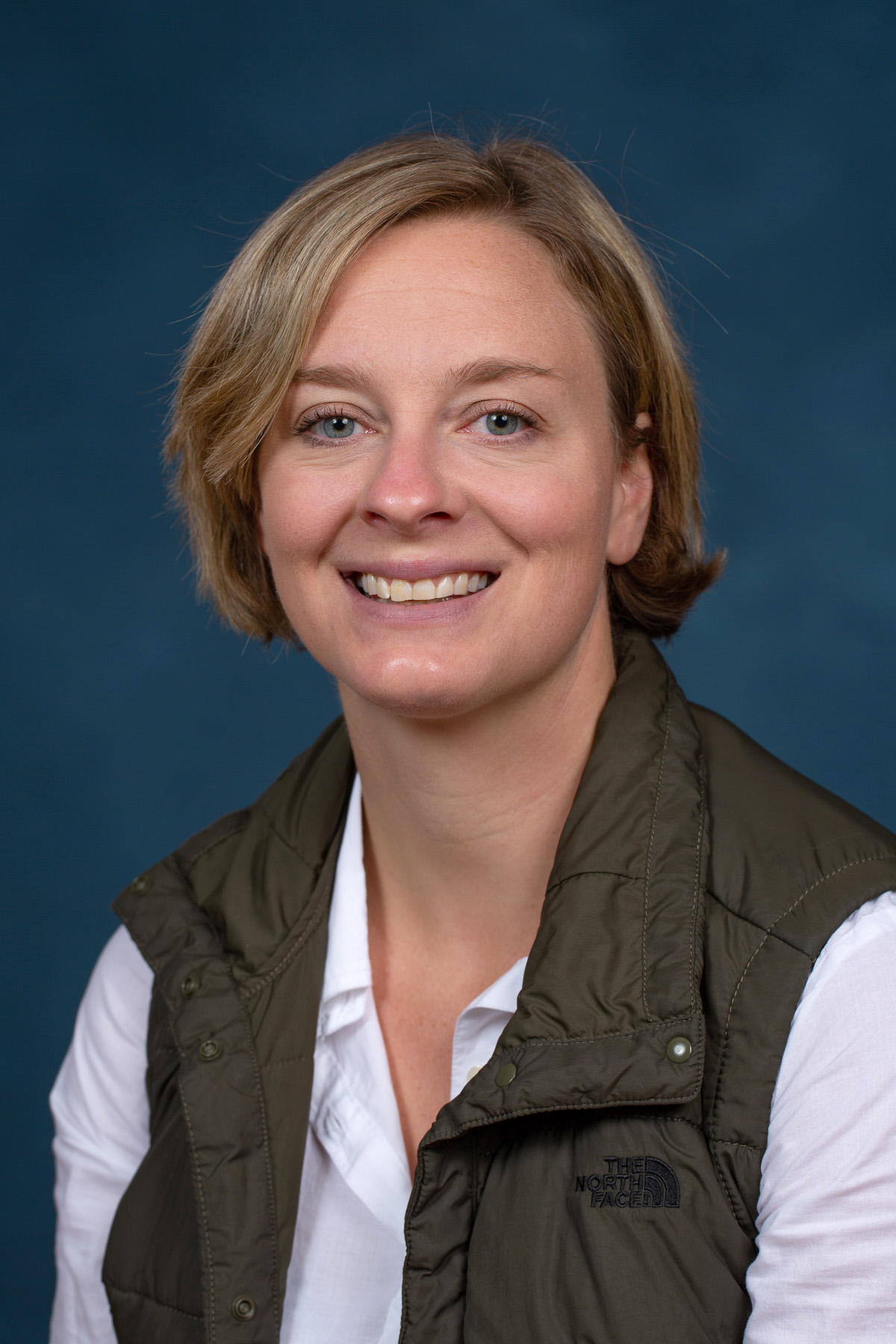
Profile Photo: Chris Diehm

Chris Diehm

  • Professor
  • Chair, Department of Philosophy and Religious Studies
  • [ More… ]
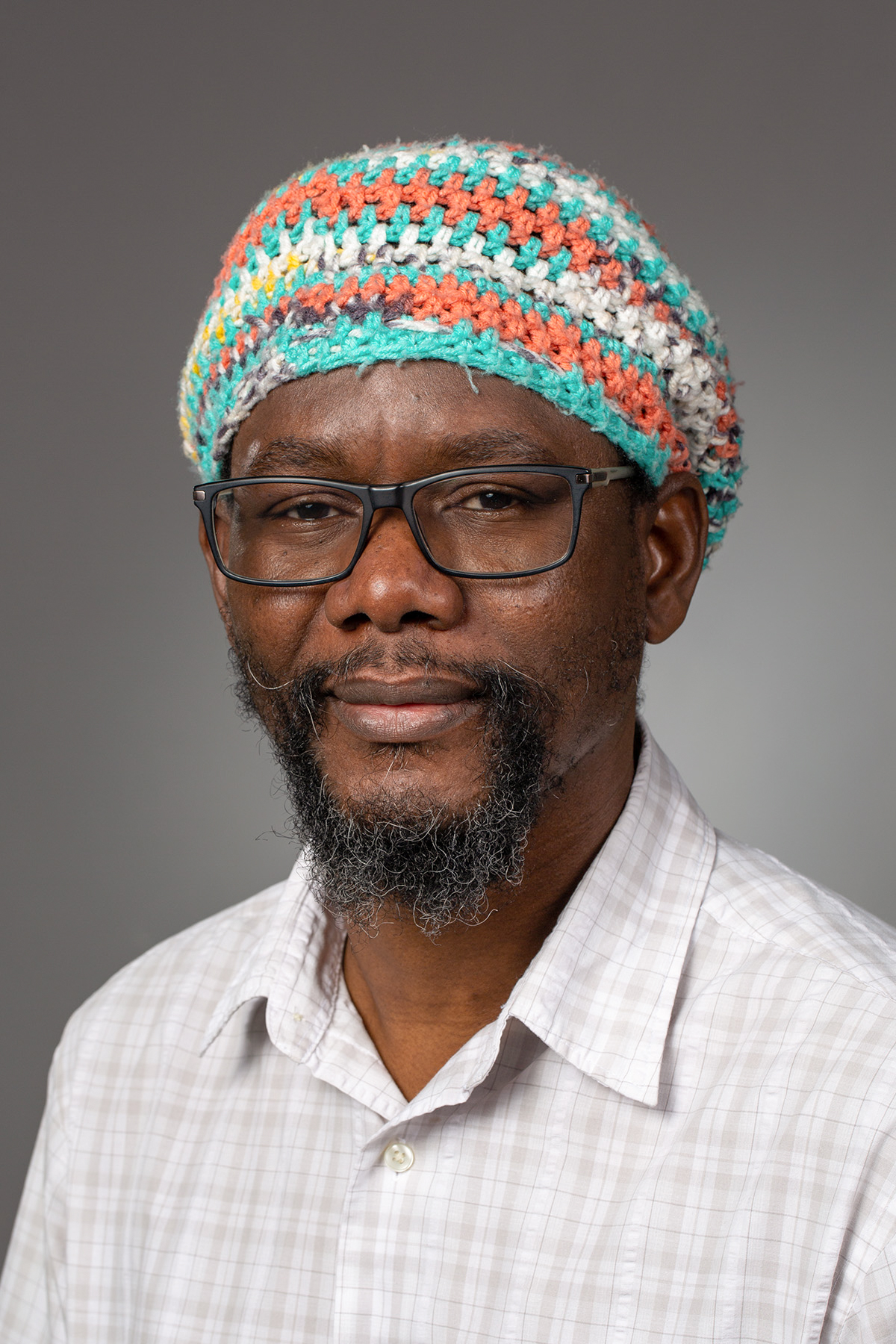
Profile Photo: Ismaila Odogba

Ismaila Odogba

  • Professor
  • Co-Director, Center for the Small City
  • [ More… ]
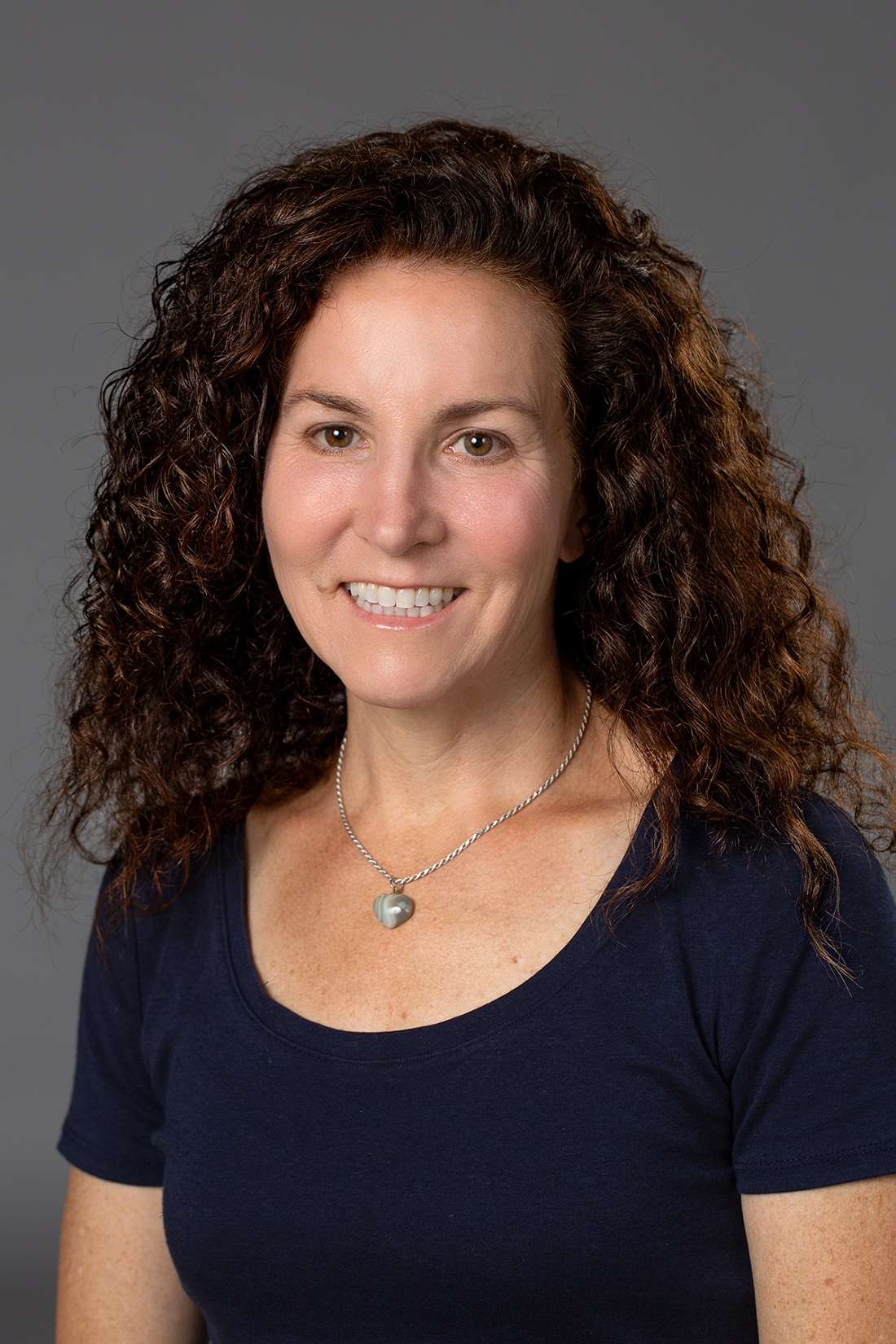
Profile Photo: Lisa Siewert

Lisa Siewert

  • Senior Lecturer
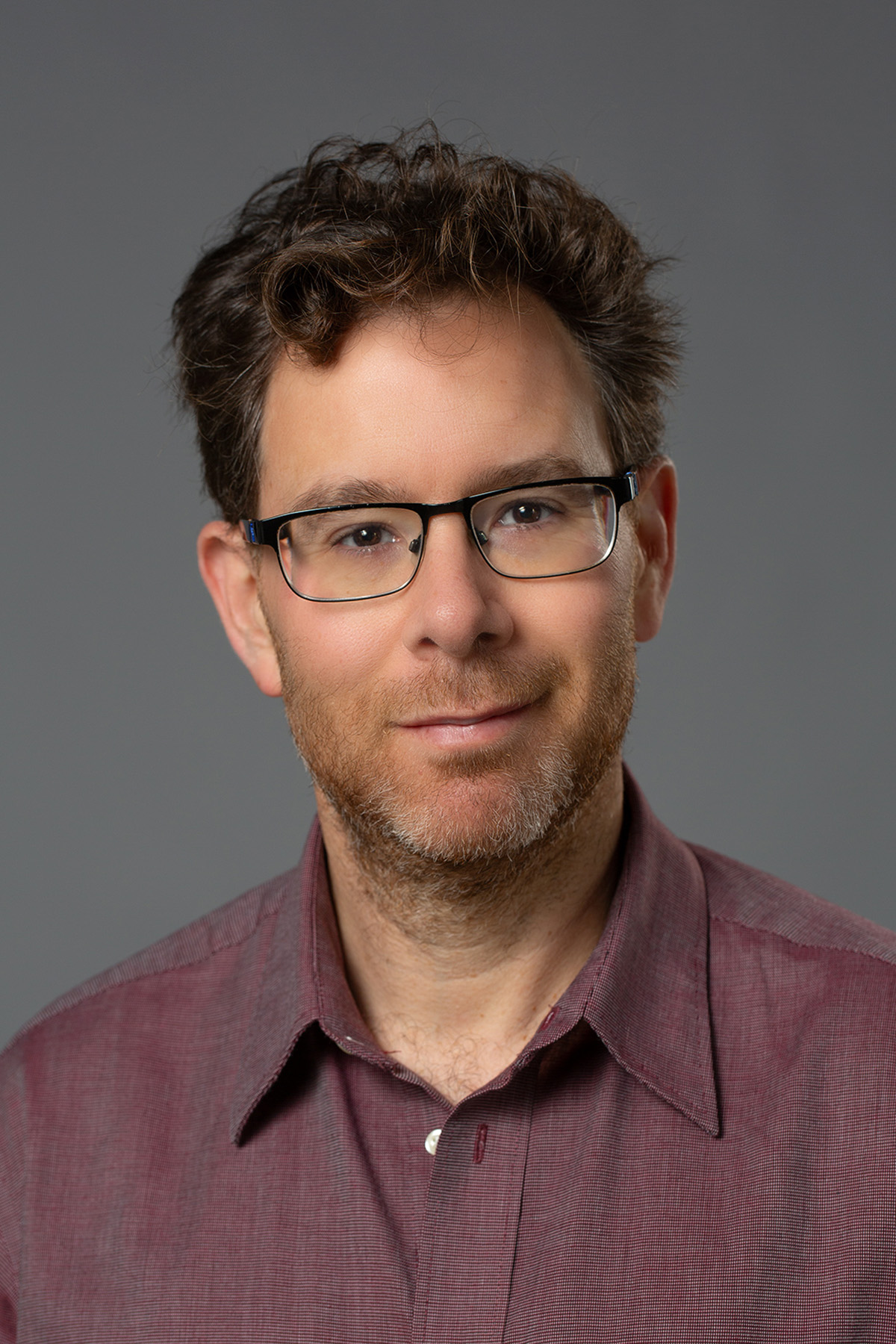
Profile Photo: Samantha Kaplan

Samantha Kaplan

  • Professor
  • Global Affiliate Scholar – Ed.D. in Educational Sustainab…

International Relations

The International Relations Certificate offered by the Department of Political Science provides students with an opportunity to pursue an interest in international relations as a complement to their majors. The Certificate is comprised of relevant political science courses focusing on concepts and issues in international affairs and the workings of the diplomatic world.

This 15-credit certificate is intended for students who are seeking to …

  • pursue a career with organizations and agencies involved in international affairs, such as the U.S. State Department and other government agencies, international organizations like the UN, international non-governmental organizations such as Amnesty International, or global companies
  • learn more about foreign affairs and diplomacy, and/or
  • study global politics and international development.

Why study International Relations at UW-Stevens Point?

The Department of Political Science in UWSP is home to faculty with extensive educational experience in Europe, South America, and Asia. The faculty’s research interests in foreign affairs and international relations include state compliance with international organizations and law, democratization, indigenous political movements in South America, corruption and ethnic discrimination in Europe, international environmental policy and climate change, and American states, federalism, and foreign trade.


WHAT TO EXPECT

The Certificate in International Relations provides students with working knowledge of international governance including the United Nations system, international law, international security, and foreign policy. Students develop research and analytical skills for addressing policy questions in international relations and learn about the political, legal, and constitutional constraints and opportunities faced by governments when engaging in international relations.

Minimum grade point average:  2.0/4.0 in certificate courses
Number of credit hours to be earned:  15

Required Courses: (6 credits)
Poli 180 – Introduction to Global Affairs

Complete ANY of the following:
Poli 385 – International Organizations and Law
Poli 387 – International Simulation 
Poli 388 – International Law and Human Rights 

Electives: (9 credits from the following list)
Econ 362 – Economic Development
Pax 200 – Dilemmas of War and Peace
Poli 305 – Climate Change Politics and Policy 
Poli 363 – Politics of the European Union
Poli 374 – Political Development
Poli 382 – Latin America in World Affairs
Poli 383 – U.S. Foreign Policy
Poli 386 – Politics of Terrorism and Homeland Security
Poli 387 – International Simulation
Poli 490 – Selected Problems in Political Science (topic must focus on international relations)
Poli 455 – Internship (internship must be in appropriate agency or similar entity that focuses on international relations or must be with a foreign government office, agency, business, etc. ) 
Poli 499 – Special Work (Independent Study––topic must focus on international relations)

Employment Opportunities

The Certificate in International Relations is designed for students who are interested in pursuing graduate education and/or careers in international affairs. Future employment opportunities include, but are not limited to, working for the U.S. government’s foreign policy or intelligence agencies; the U.S. military; foreign policy think tanks; international government or non-governmental organizations; the national security industry; multi-national corporations; state commerce departments; and even local governments that conduct international trade policy. Students not interested in a political career can use their expertise in international relations to make a mark for themselves in the field of law and business. In addition, the Certificate is also an effective way of indicating to graduate schools (as well as future employers) that you have a strong interest in global affairs.

Public Administration and Policy Analysis

Many students minor in Public Administration and Policy Analysis and also major or minor in Political Science. Political Science courses can be counted for both.

Government (6 cr.)
Principles (6 cr.)
Functional Areas (6 cr.)
Tools of Analysis (7 cr.)

Learn more about the Public Administration and Policy Analysis Minor on UWSP course catalog.

German: Teacher Certification

PREPARE FOR A REWARDING TEACHING CAREER WITH A UW-STEVENS POINT DEGREE

As a student at UW-Stevens Point you have the opportunity to become a German speaker with a marketable set of skills in education and business, and well-versed in the culture and literature of German speaking peoples.

For students pursuing a Bachelor of Arts degree in the Teaching of German, a study abroad trip is a requirement. In cooperation with the Office of International Programs, we offer semester long language immersion programs in Marburg, Germany. Internships are also available through the department. 

We offer a variety of options for those wishing to major in German. Teaching certification majors have close to a 100 percent job placement!

Department of World Languages and Literatures

Why study German at UW-Stevens Point?

When you pursue a German degree, you become an educated citizen with skills valuable in business, finance, communications, social services, education, science, technology and government.


Marburg, Germany Semester Abroad

In cooperation with the Office of International Programs, we offer semester long language immersion program in Marburg, Germany. Marburg is known as an exciting location full of history, well-known for being the site of the oldest protestant university. Our returning students have consistently related positive impressions of their experiences in Germany.


Scholarships and Awards

The Department of World Languages and Literatures recognizes outstanding students at the annual Humanities and Global Studies Spring Awards Ceremony. In 2026, a total of $42,200 was awarded thanks to our generous donors and endowed scholarships.


Post-graduate Opportunities

Knowledge of a foreign language and language pedagogy can be a vital factor in career success. We are committed to placing our students on a firm career path through study abroad programs, fellowships, internships and other career-enhancing possibilities. Students with high proficiencies in languages, experience studying abroad and expertise in a second field have promising employment opportunities. Some recent graduates have worked for European companies with North American branches, with airlines, and as bilingual customer service representatives and international account auditors.


WHAT TO EXPECT

If you plan to teach German or Spanish grades K-12, you must apply to the School of Education (SOE) at UW-Stevens Point and be accepted into the program. Prior to applying, you must meet requirements set by SOE which can be found on their website: SOE Professional Education Program Application Requirements

Once accepted into the program, there are no other applications requirements required by the Department of World Languages and Literatures.

APPLICATION DEADLINES: Applications for the Professional Education Program are processed two times a year – February 22 and September 22. Applications are due the Friday prior to the deadline if the deadline falls on a Saturday or Sunday. 

GET INVOLVED ON CAMPUS

The UW-Stevens Point German Club is active and holds a weekly Stammtisch in which you can hone your language skills in an informal setting. More opportunities can be found on the Stevens Point Involvement Network (SPIN).

MEET YOUR FACULTY

Profile Photo: Thomas Leek

Thomas Leek

  • Associate Professor of German
  • Chair, Department of World Languages and Literatures
Profile Photo: Tobias Barske

Tobias Barske

  • Assistant Dean, School of Humanities and Global Studies
  • Professor of German Applied Linguistics

Spanish: Teacher Certification

EXPLORE CAREER OPPORTUNITIES AS A SPANISH EDUCATOR WITH A UW-STEVENS POINT DEGREE

Spanish is the second most spoken language in the world as well as in the United States. Nearly 14% of the United States has Spanish as their first spoken language and this population is expected to continue to grow. Spanish teachers are in extremely high demand at this time in Wisconsin as well as in other states. We have 100% placement of our Spanish Education majors immediately following certification. Many Spanish-speakers are migrating to the United States and the need for Spanish-speaking teachers and professionals to work with these populations is in high demand.  

For students pursuing teacher certification, a study abroad trip is a requirement. In cooperation with the Office of International Programs, we offer semester long language immersion programs in Oaxaca, Mexico and Valladolid, Spain.

Department of World Languages and Literatures

Why study Spanish Teacher Certification at UW-Stevens Point?

When you pursue a Spanish Teaching degree, you become an educated citizen with skills valuable in business, finance, communications, social services, education, science, technology and government.


Scholarships and Awards

The Department of World Languages and Literatures recognizes outstanding students at the annual Humanities and Global Studies Spring Awards Ceremony. In 2026, a total of $42,200 was awarded thanks to our generous donors and endowed scholarships.


Spain Semester Abroad

In cooperation with the Office of International Programs, we offer semester long language immersion program in Valladolid, Spain. Valladolid is located in north-central Spain. It is the capitol of the eponymous region. Internships are available in business/finance, engineering, tourism, information technology, media/communications, international relations, the nonprofit sector, Spanish studies and economics.


Post-graduate Opportunities

Knowledge of a foreign language and language pedagogy can be a vital factor in career success. We are committed to placing our students on a firm career path through study abroad programs, fellowships, internships and other career-enhancing possibilities. Students with high proficiencies in languages, experience studying abroad and expertise in a second field have promising employment opportunities. Some recent graduates have worked for European companies with North American branches, with airlines, and as bilingual customer service representatives and international account auditors.


WHAT TO EXPECT

If you plan to teach German or Spanish grades K-12, you must apply to the School of Education (SOE) at UW-Stevens Point and be accepted into the program. 

Prior to applying, you must meet requirements set by SOE which can be found on their website: SOE Professional Education Program Application Requirements

Once accepted into the program, there are no other applications requirements required by the Department of World Languages and Literatures
 

APPLICATION DEADLINES: Applications for the Professional Education Program are processed two times a year – February 22 and September 22. Applications are due the Friday prior to the deadline if the deadline falls on a Saturday or Sunday. 

Spanish Teaching Study Abroad Requirement Culture, diversity, and success places students in internships in Mexico and Spain and internships are available in business/finance, engineering, tourism, information technology, media/communications, international relations, the nonprofit sector, Spanish studies and economics.

GET INVOLVED ON CAMPUS

A number of student organizations exist for UW-Stevens Point students to develop their world language skills, including Delta Phi Epsilon Sorority and Spanish Club.

More opportunities can be found on the Stevens Point Involvement Network (SPIN).

Double Major with a Language

Many students choose to double major to be more marketable to future employers. The total number of hours required for graduation will be the same as for a single major (120 hours minimum) because a double major normally will not prolong studies beyond the customary four years. Essentially, you can double major in any degree in addition to the World Language. Some of the most common combinations are World Language plus International Studies, World Language plus Biology, World Language plus Music, and World Language plus Business. Consult with your adviser for more details.


MEET YOUR FACULTY

Profile Photo: Lara Garrido

Lara Garrido

  • Assistant Professor, Spanish & Applied Linguistics
CCC 409
Profile Photo: Renée Craig-Odders

Renée Craig-Odders

  • Professor of Spanish
  • Basic Second Language Proficiency certificate director
Profile Photo: Vera Klekovkina

Vera Klekovkina

  • Professor

Pre-Engineering Curriculum

This is a two year program in which students take core math, physics and chemistry classes in preparation for acceptance into an engineering program other than in Paper Science and Engineering and Chemical Engineering.

For all pre-engineering areas except pre-chemical engineering, you should take the following physics and mathematics courses in your freshman and sophomore years: Math 225, 226, 227, 230 and Physics 240, 250, 300. Chemistry 105, 106 (or 117) is also recommended.

Pre-Engineering students also have the option of completing a Pre-Engineering Associate Degree or taking some introductory engineering courses as electives at our Wausau campus (online or hybrid option may be available). These courses include:

  • ENGR 105 – Engineering fundamentals
  • ENGR 107 – Engineering Graphics with Computer Aided Drafting (CAD)
  • ENGR 111 – Solid Modeling and Design
  • ENGR/PHYS 220 – Statics
  • ENGR 221 – Dynamics
  • ENGR 222 – Mechanics of Materials
  • ENGR 263 – Engineering Thermodynamics
  • ENGR 294 – Internship in Engineering
  • ENGR 299 – Independent Study in Engineering

Please contact your adviser or Dr. Mark Holdhusen (mholdhus@uwsp.edu) to discuss the electives that are right for you.

Specific engineering curricula and universities have individual requirements. See a physics advisor for additional information and suggested electives. For pre-chemical engineering and/or ABET accredited engineering, see Paper Science and Engineering in the catalog.

Physics with Applied Electronics Emphasis

This is one of the two applied tracks within the physics major aimed at the students who will pursue a career in industry right after graduation. You will take most of the core upper-level physics courses, especially those with a laboratory component. To major in physics with Applied Electronics Emphasis, you are required to participate in an industrial internship. This can take place either at a local business or in London through the Study Abroad Program.

Department of Physics and Astronomy

Why study Physics with Applied Electronics Emphasis at UW-Stevens Point?

The Department of Physics and Astronomy can help you find satisfying and appropriate employment upon completion of your degree. Graduates have found work as applications engineers, chemists, contractors, combat engineers, researchers, system administrators and teachers. Graduates have also pursued further schooling in aeronautical engineering, applied physics, astronomy, civil and environmental engineering, mathematics, nuclear engineering and security technologies.

Physics majors at UW-Stevens Point enjoy study abroad opportunities, including academic coursework at sites worldwide, London internships and short travel courses covering specialized topics.


Scholarships and Awards

The Department of Physics and Astronomy recognizes outstanding students at the annual School of Mathematics, Computing, Physics and Astronomy Awards. In 2026, a total of $55,000 was awarded thanks to our generous donors and endowed scholarships.


Study Abroad

Physics majors at UW-Stevens Point can also enjoy study abroad opportunities, including academic coursework at sites worldwide, London internships and short travel courses covering specialized topics.


Please consult with the Applied Emphasis Coordinator when planning your major. Some physics courses are offered only in alternate years.

REQUIREMENTS:

The physics major with an applied electronics emphasis consists of a minimum of 62 credits including:  

  1. Math 225, 226, 227, 230
  2. Chemistry 105 or 117
  3. Physics 111, 240, 250, 300, 315, 320, 370, 470
  4. Physics 383 or 385
  5. Physics 490, 6 credits
  6. Economics 110 or Business 320

More information available on UW-Stevens Point course catalog.


Applied Emphasis Coordinator:
Chris Verzani
Associate Professor
Office: SCI B103
Email: cverzani@uwsp.edu

GET INVOLVED ON CAMPUS

Students interested in engaging with the professional community may get involved in the Society of Physics Students at UWSP. More opportunities can be found on the Stevens Point Involvement Network (SPIN).

Many students in the department are employed in relevant positions during their studies. Research assistants, tutors, graders, planetarium staff members and laboratory assistants are often hired by the department. In addition, a number of scholarships provide financial support to physics majors.

The Department of Physics and Astronomy is a member of the Wisconsin Space Grant Consortium (WSGC). Our students have the opportunity to apply for various types of undergraduate programs and scholarships. Find out if any of these might be right for you!

MEET YOUR FACULTY

UW-Stevens Point physics classes are small, and students majoring in physics are able to work directly with faculty early in their academic careers. Faculty conduct research in areas such as astrophysics, optoelectronics, materials science, liquid crystals and femtosecond lasers.

Archives: Faculty / Staff Profiles – Faculty / Staff Directory

Profile Photo: Chris Verzani

Chris Verzani

  • Associate Professor
Profile Photo: Kenneth Menningen

Kenneth Menningen

  • Professor
Profile Photo: Mark Holdhusen

Mark Holdhusen

  • Professor
  • Chair, Department of Physics and Astronomy
381-D (UWSP at Wausau) and SCI B109 (Main campus)
Profile Photo: Palash Banerjee

Palash Banerjee

  • Professor
  • Principal Investigator, Applied Physics and Instrumentati…

Mathematics for Teacher Certification

The Mathematics Minor for Teacher Certification is for Secondary Education majors who want to add a Math component to their teaching portfolio. This pairs easily with the Natural Science Teaching major, but can be added to any Secondary Education program.

Education majors (both Elementary and Secondary/Middle) can also consider the STEM Certificate for Teaching.

Consists of at least 30 credits: 
1. Required (26 cr): Math 225, 226, 230, 340 and M Ed 334, 335, 340

2. Complete 2a OR 2b below (at least 4 cr): 

a. Math 350, M Ed 350. 
b. Math 356, 357. ​

For more information visit the UW-Stevens Point course catalog.