The Native American and Indigenous Studies certificate prepares students to work effectively with sovereign Indigenous nations in career paths such as law, government, education, health care, resource management, journalism, and many others. Program consists of 9-12 credits, including 3 credits at the 300-level or above.
With a completed certificate students will be able to:
Describe diverse examples of indigenous experiences, histories, and cultural traditions.
Explain key concepts in Native American and Indigenous Studies, including tribal sovereignty, oral tradition, and decolonization.
Apply their knowledge of Native American and Indigenous Studies to their work with indigenous people and organizations.
The certificate requirements balance traditional academic coursework with applied, experiential, and/or service learning. Students choose from a practicum experience, a special work project, or an internship with a Native people or Native organization.
Core Classes: Choose 6-9 credits representing at least two different disciplines: ENGL 280 – American Indian Literature ENGL 382 – Ethnic Literature of the United States ENGL 386 – Major Authors of Ethnic Literature HIST 292 – Native American History HIST 393 – Wisconsin Indians PHIL 381 – American Indian Environmental Philosophies
Additional 3 Credit Courses: Choose to apply up to 3 credits to the certificate requirements from: HIST 285 – Women in American History HIST 288 – Race and Ethnicity in American History NRES 150 – People, Resources and the Biosphere POLI 315 – Minority Group Politics POLI 330 – Constitutional Law POLI 375 – Latin American Politics SOC 270 – Race and Ethnicity SOC 343 – Cultural Perspectives of Family SW 365 – Social Work Practice with Diverse Populations
Applied Learning: Choose up to 3 credits from: NAIS 199 – Practicum NAIS 399 – Special Work NAIS 499 – Internship (1-12 credits, may be repeated for credit)
12-credit program is an interdisciplinary certificate administered by the Department of History and International Studies. For more information, view course catalog. Search by the name of this program and filter by semester.
STEM Education
This certificate program is intended for, but not limited to, you if you are pursuing a degree in education. Can be completed concurrently with your undergraduate degree in education, or a related field with consent of the program coordinator.
This certificate is intended to provide STEM (Science, Technology, Engineering, and Mathematics) content if you are already completing a major in education, teaching pedagogy and/or curricular design. Courses in this program focus on content standards suggested by the Common Core State Standards, Next Generation Science Standards and best practices for teaching inquiry-based lessons. This certificate does not meet the requirements for license through the Wisconsin Department of Public Instruction (e.g. Science, Technology, or Mathematics Education license).
Consists of a minimum of 15 credits. View course catalog. Select “Permanent Working Catalog” in drop-down menu.
Mathematics Minor
A Mathematics minor shows employers and graduate schools that you have strong analytical skills! Plus, a minor does not require many additional courses, especially for math-intensive majors like Business, Chemistry, Physics or PSEN. If you take Calculus I and II, you’re almost halfway to earning the minor.
The minor consists of 28 credits:
1. Mathematics 225, 226, 227, 230, 300.
2. At least 6 credits from Math 305, 310, 315, 320, 323, 324, 327, 330, 331, 332, 335, 356, 357, 367, 372.
The Department of Geography and Geology administers the environmental geography minor. Students have access to facilities including spatial analysis computer laboratories, the Maurice E. Perrett Map Center, the Earth Materials Testing Laboratory, and various field equipment.
GEOG 100 – Human Impacts on the Physical Environment Credits: 3 or
GEOG 105 – The Dynamic Earth Credits: 3 or
GEOL 104 – Physical Geology Credits: 4
GEOG 115 – World Regional Geography Credits: 3 or
GEOG 120 – Human Geography Credits: 3
GEOG 141 – The Geospatial Revolution Credits: 3 or
GEOG 341 – Geographic Information Systems I Credits: 3
Physical Geography and Geospatial Science, 6-7 credits
Choose from:
GEOG 170 – Disasters – Living on the Edge Credits: 4
GEOG 208 – Weather and Climate Credits: 3 or
GEOG 308 – Climate: Past, Present, and Future Credits: 3 or
GEOL 308 – Climate: Past, Present, and Future Credits: 3
GEOG 230 – Introduction to Regional Planning and Geodesign Credits: 3
GEOG 303 – Processes of Environmental Degradation Credits: 3
GEOG 341 – Geographic Information Systems I Credits: 3
GEOG 377 – Remote Sensing I Credits: 3
GEOL 230 – Environmental Geology Credits: 3
Social and Human Perspectives, 6 credits
Choose from:
FN 357 – Ecology of Foods Credits: 3
GEOG 230 – Introduction to Regional Planning and Geodesign Credits: 3 (if not taken above)
GEOG 303 – Processes of Environmental Degradation Credits: 3 (if not taken above)
HIST 204 – Modern Global Environmental History Credits: 3 or
HIST 280 – American Environmental History Credits: 3 or
HIST 306 – The Human Age Credits: 3
NRES 200 – Introduction to Sustainable Communities Credits: 3
NRES 220 – Global Climate Change and Water Resources, 10th Century to Present Credits: 3 or
WATR 220 – Global Climate Change and Water Resources, 10th Century to Present Credits: 3
NRES 341 – Introduction to Sustainable Energy Policy Credits: 3 or
NRES 365 – Environmental Policy Credits: 3
PHIL 380 – Environmental Ethics Credits: 3
POLI 304 – Environmental Politics and Policy Credits: 3 or
POLI 305 – Climate Change Politics and Policy Credits: 3
PSYC 321 – Environmental Psychology Credits: 3
REL 345 – Religion and Ecology Credits: 3
SOC 355 – Environmental Sociology Credits: 3
Earth Science Minor
The Earth Science minor offered through the Department of Geography and Geology is designed to offer a concentration of studies in earth and atmospheric science. The Earth Science provides a broad-based program and satisfies the basic framework required by the Department of Public Instruction, which has certified the minor for education majors. Courses for the minor are taught by the Department of Geography and Geology and the Department of Physics and Astronomy.
The program offers students a cutting-edge learning environment in which teaching excellence is of prime importance. Faculty members work closely with students enrolled in the minor, helping design a course of study oriented to the students’ interests, special abilities and career objectives. Small upper-level class size, active academic advising and superb laboratory facilities promote academic success. Students are also encouraged to participate in field trip courses to gain a better understanding of our natural environment throughout the world
In addition to K-12 education, the Earth Science minor prepares students for employment in government agencies such as the United States Geological Survey, the Environmental Protection Agency, the Department of Homeland Security, and state natural resource and geological agencies as well as private consulting companies.
Political Science
ENGAGE AS A GLOBAL CITIZEN; EARN A DEGREE IN POLITICAL SCIENCE AT UW-STEVENS POINT
The political science major allows students to study the government and politics of the United States and other countries, their foreign affairs and foreign policies, and international relations. Students also have opportunities to explore other areas of interest in the social sciences and humanities. Our courses cover social scientific, theoretical, and philosophical approaches to politics. Students pursuing a political science degree often participate in campus and community politics and receive individual attention from faculty who teach small, dynamic classes. Some students earn internships in local, state, or national government. Many majors choose to study or intern abroad, even with the British Parliament.
If you’re looking for an education that prepares you for a career in politics, public administration, the law, or in the non-governmental and private sectors, political science at UW-Stevens Point is for you.
Many UWSP political science majors attend graduate school in areas such as public administration, public policy, law, and international relations. Others enter the workforce directly upon graduation securing jobs in local and state government, the courts and criminal justice systems, the private sector, and a variety of non-governmental organizations. Political Science graduates work as policy analysts, communicators, teachers, entrepreneurs and business owners, and financial planners, among other professions. Some even hold elected office.
High-achieving students in the Political Science program are eligible for many significant awards and scholarships thanks to generous support from our alumni, friends, and corporate partners. In late March, information and an application form are emailed to all majors and recipients are notified by letter prior to the end of the spring semester. All award and scholarship selections are determined by the Political Science Scholarship Committee.
Our full-time faculty members, all with doctorates from leading universities, are dedicated teachers and active researchers in their respective fields. They teach introductory courses in American politics and global affairs, as well as a wide range of upper-level seminars on subjects such as constitutional law, environmental politics and policy, European politics, Latin American politics, U.S. foreign policy, minority group politics, gender and politics, human rights, public policy analysis, and terrorism and homeland security.
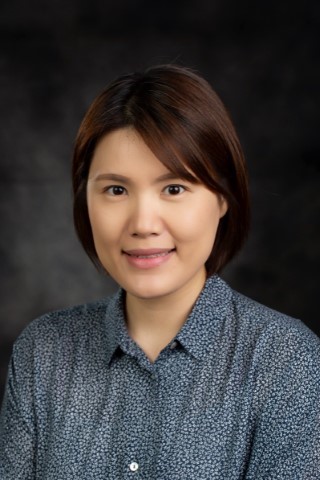
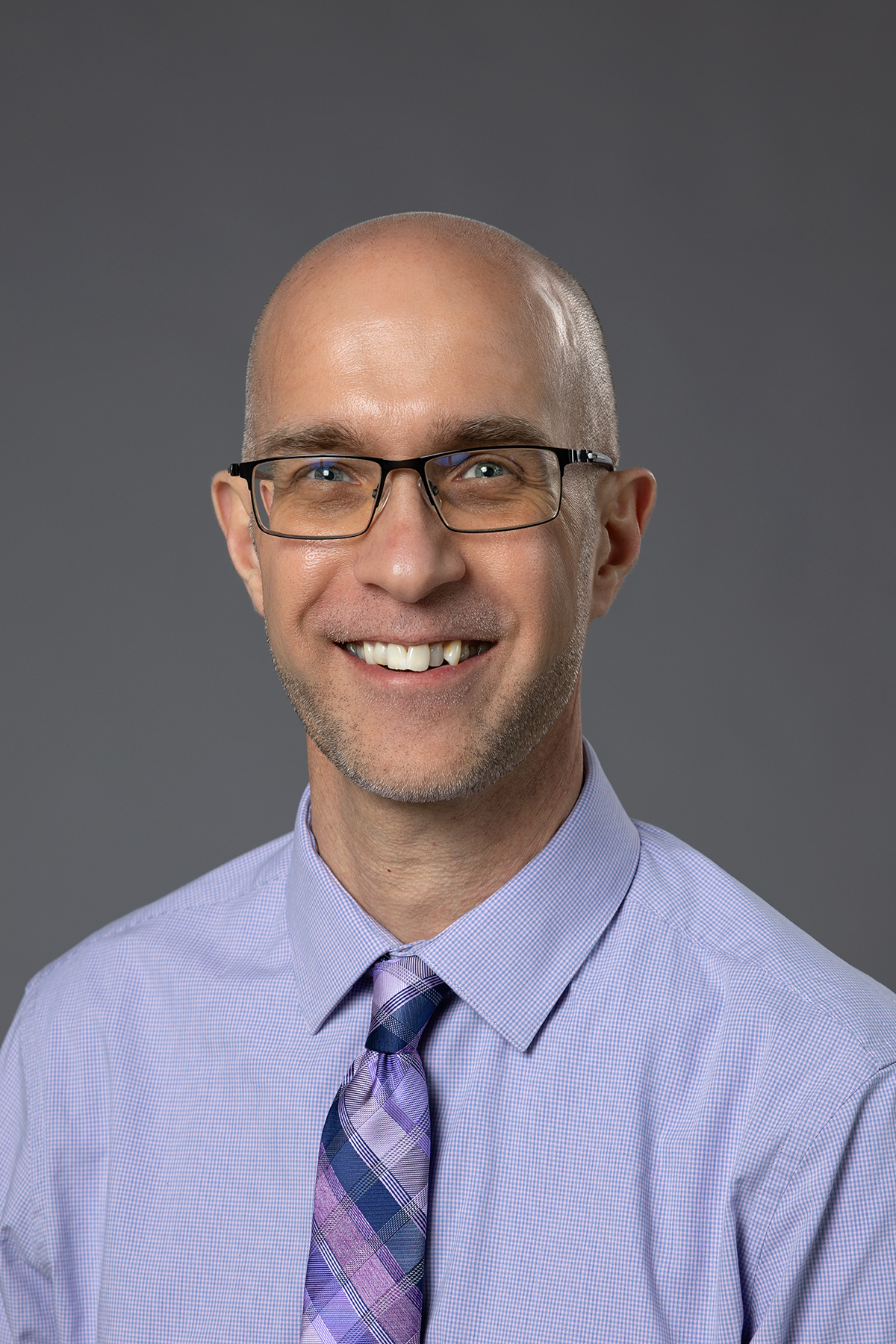
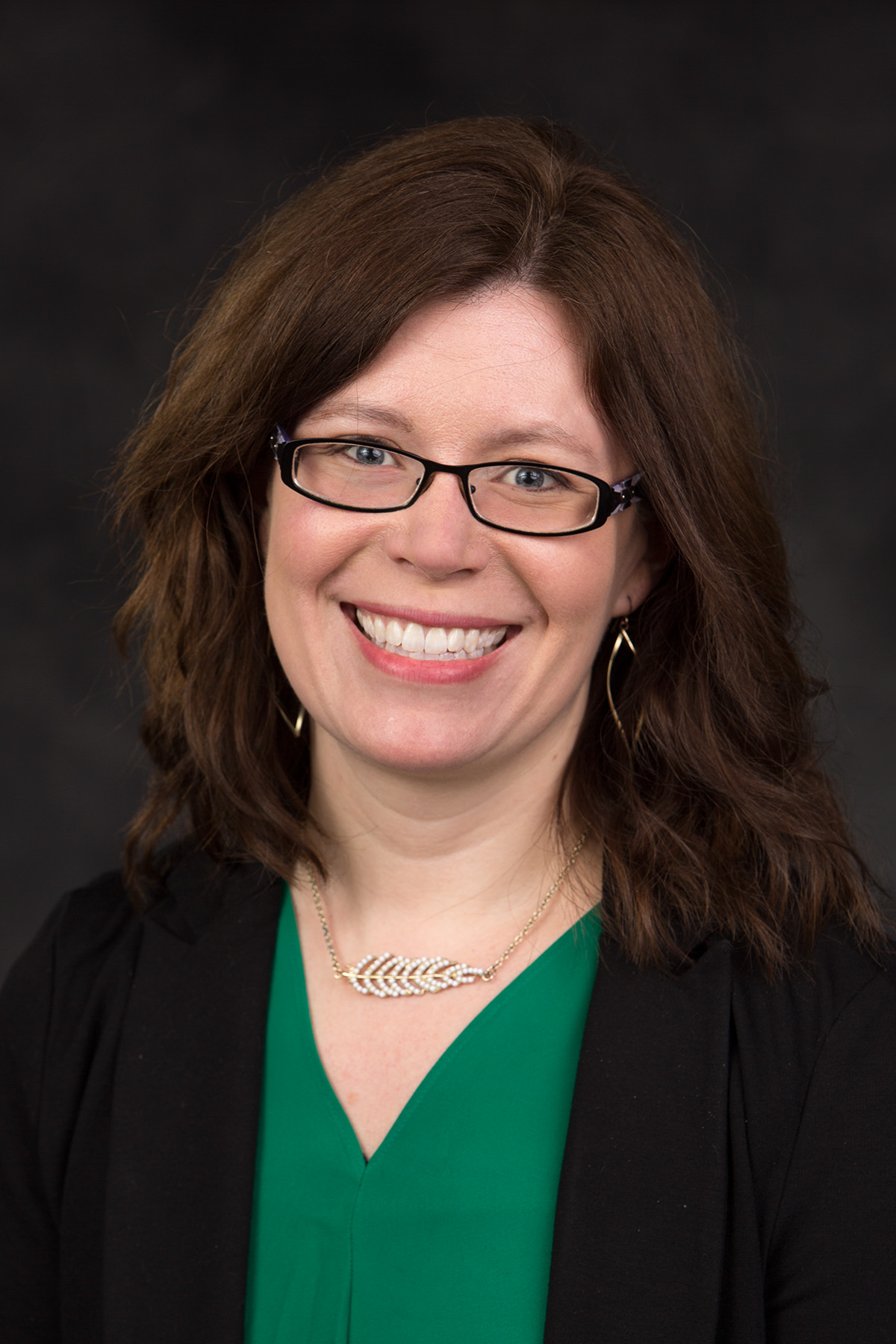
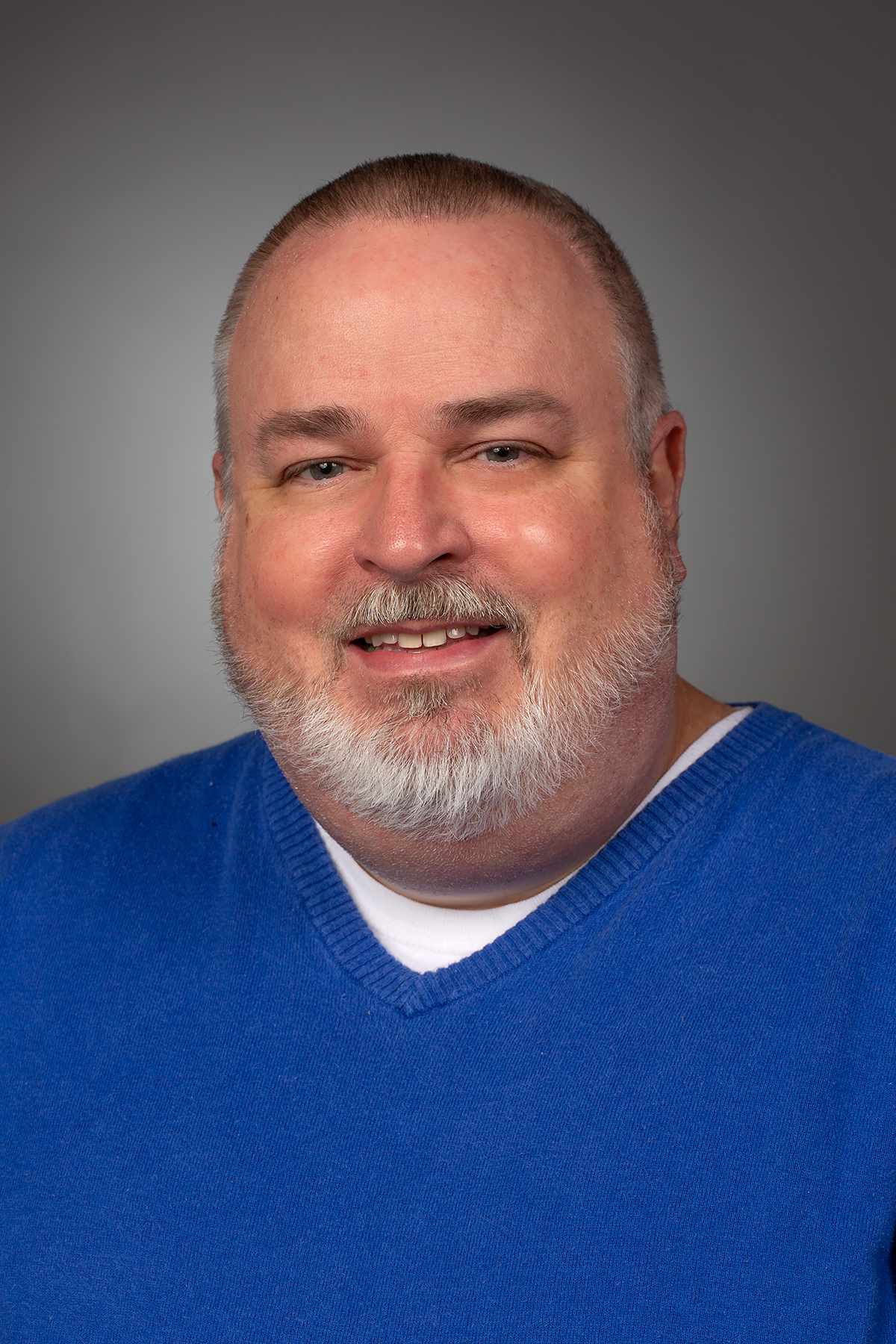
Dr. Blakeman is a specialist with books on the Supreme Court and the role of religion in politics. Dr. Collins’recently published book and articles examine populism and social movements in the Andean region of South America. Dr. Mapes-Martins’ area of expertise is environmental politics and policy including climate change. Dr. Park’s research, which has appeared in several journal articles, focuses on the political behavior and views of Asian Americans within the U.S. political System. On our Wausau campus, Dr. Gunderson’s research and publications have focused on women in the military, war crimes and Ukraine.
Qualified majors can serve in an internship with local or national government or even internationally. Interns have served in a variety of places, from district attorney’s offices, police departments, and mayor’s offices, to government offices at the state and federal level. The department participates in several Washington, D.C., internship programs, as well as international internships supervised by the Office of International Education.
Our Political Science graduates are the single largest group of applicants who are accepted and enroll in law school. UWSP has a 73% acceptance rate in law school applications. Two-thirds of UWSP students who are admitted to law school are Political Science majors! Connect with us about pre-law advising.
The Law and Policy Minor prepares students for a range of careers in law oriented fields. The minor is excellent preparation for law school, and the course selection provides you with some of the skills and knowledge recommended by the American Bar Association for law school preparation. If you’re not interested in law school, the minor will also prepare you for many other careers in which an understanding of law, regulation, and public policy are crucial.
Peace Studies is an opportunity to devote part of your college career to the problems of war, violence, and oppression. Practitioners work for positive social change through non-profit organizations, government agencies, and business firms in jobs such as project coordinators, media specialists, lobbyists, grant writers, and lawyers.
The certificate in international relations provides students with working knowledge of the international governance system including international security, international political economy, international organizations and law, and foreign policy.
“I’ve always been passionate about government and public affairs. My family is really engaged. Political Science is a really expansive field and you can go into a lot of things with it. We covered European and Latin American politics, public administration and policy, environmental policies, and international relations. The degree lays a solid foundation for you to build a career.”
Ariana Vruwink ’17
GET INVOLVED ON CAMPUS
Political Science students can build their resumes through a variety of activities. The College of Letters and Science Undergraduate Research Symposium gives students the opportunity to present research projects undertaken with a faculty mentor.
Student organizations include the Model UN and Student Legal Society. Pointers Vote Coalition is a nonpartisan student organization that works to increase student civic engagement and voting to ensure that student voices can make a difference in policy across all levels of government. Many of our majors get involved in the Student Government Association, representing the student body of UW-Stevens Point. Pi Sigma Alpha is the honor society for college students in political science and government.
Political Science graduates comprise the single largest group of UWSP students who attend law school and work as attorneys. The Political Science Department houses the pre-law advising on campus and we have a very successful placement record-73% of UWSP seniors who apply to law school are admitted to at least one school. Interested students should contact the Pre-Law Adviser Professor John Blakeman for more information, john.blakeman@uwsp.edu.
The department offers small classes taught by a dedicated faculty, and a lot of individual attention and advising. Our faculty come from some of the best Political Science Ph.D. programs and are engaged in ongoing research projects. The faculty have extensive field experience studying, teaching, working, and pursuing research in Europe, Latin America, and Asia.
The Creative Writing minor encourages creativity in writing and thinking. Students enjoy the opportunity for self-expression in these classes, but their skills also lead to job opportunities after graduation. Employers seek out individuals with creative perspectives, and what you learn in the Creative Writing courses—the ability to write, revise, study and workshop stories and poems as well as engage in small group activities designed to build your creative voice—will help you in whatever major you choose to pursue. Careers our majors have landed in involve teaching, professional writing, journalism, copyediting, and continuing study in graduate school.
The minor is administered by the Department of English. It consists of 24 credits beyond the General Education Composition requirement.
For more information, visit the Course Catalog, search by the name of this program, and filter by semester.
Data Science
Build relevant data science skills to thrive in today’s data-driven world. The online University of Wisconsin Graduate Certificate in Data Science is designed for busy professionals ready to sharpen their understanding of data science and develop the skills necessary to effectively work with and communicate about data.
CAREER OUTLOOK
Data science careers are growing in virtually every sector and salaries are consistently high.
Why earn the University of Wisconsin Data Science Certificate?
Companies are searching for workers who can bring best practices to the current business through real-time analytics and personalization. You will learn now to organize and interpret data using the latest tools and methodologies. Improve your data literacy to communicate more effectively.
Access course content from your desktop, laptop, tablet, or smartphone. You will have the freedom and flexibility to work fully online around your schedule.
5 Courses. 15 Credits. 100% Online! Coursework in the Data Science Certificate focuses on developing the specialized data science skills required to process and analyze large-scale biological data sets.
Certificate courses are offered during fall and spring semesters in rotation. It is possible to earn your certificate within three semesters; however, based on work and life commitments, you made decide to take longer. Should you choose to continue your data science education upon completion of the certificate, you will have the option to apply to the MS in Data Science program.
Applying to the Data Science Certificate online degree program
Program Admission Requirements*:
Applicants must have a bachelor’s degree and cumulative grade point average (GPA) of 3.0. Candidates will submit a resume and a 1,000-word statement of personal intent describing your decision to pursue the degree. Application materials must be completed two weeks prior to the semester start to be considered for admission. No GRE or GMAT required.
Prerequisite Coursework: Completed coursework and/or relevant work experience in elementary statistics, introductory computer programming, and introduction to databases. If you are in need of prerequisite coursework, this pre-approved list of options may assist you. View this article for more information about the prerequisite skills required and how to find out if your previous experience meets the requirements. *Campuses may waive some of these requirements as part of the comprehensive application process.
International Guidelines This program welcomes online students from around the world. Online students do not qualify for an F-1 Student Visa to travel to the U.S. but instead can participate in our online courses remotely. If your native language is not English and/or you attended school outside of the U.S., you will likely need to provide proof of English language proficiency and an official translation or evaluation of academic transcripts.
AUTHENTIC TEACHING EXPERIENCE TO MEET YOUR CAREER GOALS
The English Education major is an undergraduate program that focuses on the knowledge, skills and dispositions needed to teach English to students at the middle school and secondary level. Successful candidates in the program earn a bachelor’s degree and a Wisconsin teaching license in Broadfield English/English Language Arts. Students may apply to the English Education program after completing 12 credits in English beyond the Written Communication requirement.
Praised for its program outcomes, graduation and retention rates, advising services, student organization opportunities and vast program options, UW-Stevens Point is ranked second in the U.S. on Study.com’s Best Colleges for Education Majors list. In addition, the Wisconsin Council of Teachers of English has awarded five of our graduates the “Outstanding Student Teacher Award” in the past seven years.
Our program provides students with frequent opportunities for hands-on learning in 6-12 classrooms and schools. UW-Stevens Point English education graduates who sought employment have great success in finding positions. 100 percent of alumni graduating with a major in English Teaching have been hired within months after completing their degree, and many are hired before graduation. Teaching English at the middle and high school level is a rewarding career where students can share their passion for reading and writing with their future students.
The Department of English offers a range of student-centered activities and prepares students for a rewarding teaching career. Our program includes The Connection Project which pairs pre-service teachers at UWSP with diverse learners from high schools around the state. UWSP pre-service teachers work with the high school students through virtual lessons and discussions before presenting their work during a culminating campus visit. Connections gives students tremendous experience before they even set foot in a formal student teaching role in their final semester of college.
For the second year in a row, the education program at the University of Wisconsin-Stevens Point has been ranked second in the nation according to Study.com.
Our program provides students with frequent opportunities for hands-on learning in middle and secondary schools. This includes practicum experiences in a middle school and a high school through the Connections project during the pre-Methods course block during the spring semester of their junior year. The practicum experiences deepen during the Methods semester in the fall of senior year, when classroom experiences are paired with learning about classroom management techniques, curriculum planning, and pedagogy for teaching literature and writing.
Student teaching is the culminating experience in the teacher candidate’s academic program of study at UW-Stevens Point. It provides an opportunity for teacher candidates to practice and refine their knowledge and skills under the supervision and guidance of cooperating teachers and our own faculty who have dedicated their careers to education and a lifetime of student learning.
Gain confidence as a teacher working with diverse learners from high schools in our yearly Connections Project. Student teachers enrolled in English 381, Reading for the English Teacher design their own literature course curriculum, lecture virtually and create project assignments. The highlight is the annual field trip to our UWSP campus where students can evaluate the work of their high school students and celebrate the semester together!
GET INVOLVED ON CAMPUS
The Department of English offers a range of student-centered activities, from career workshops to speakers’ groups, to creative writing workshops. Student group opportunities can be found on the Stevens Point Involvement Network (SPIN).
Cornerstone Press is a small, independent publishing house and teaching press on campus that has published 39 titles to date in multiple genres.
The Writers’ Club gives students the opportunity to discuss their work and to publish the best of it in the outstanding student-run literary magazine, Barney Street.
Sigma Tau Delta, an international English Honor Society, is a service organization dedicated to promoting interest in literature and the English language within the university and the surrounding community.
English Education majors get a close-up snapshot of what teaching is like as they coordinate a semester-long literature discussion with high school students from around the state in the UW-Stevens Point Connections Project. Our student-teachers prompt discussion about literary analysis and thematic connections to the novels, respond to student postings, and design project assignments for their own group. The online discussions culminate in a day-long series of workshops for the high school students in the spring at the UW-Stevens Point campus.
PREPARED FOR SUCCESS
English education graduates are well prepared to teach children in diverse, classroom settings. In fact, 100 percent of our recent English education graduates who sought employment in the field are often hired before graduation. Watch our video to learn more about our teaching environment in the School of Humanities and Global Studies!
MEET YOUR FACULTY
English Department faculty at UW-Stevens Point pride themselves on the attention they give individual students to help them further and widen their interests, develop their strengths and overcome their weaknesses.
ENRICH YOUR CAREER WITH YOUR DEGREE IN ENGLISH LITERATURE AT UW-STEVENS POINT
Studying and responding to literature plays a crucial role in a liberal arts education that enables students to become active and aware participants in our complex culture. The English major equips students with skills that can lead to multiple career options.
English majors who graduate with teacher certification find teaching positions, even in difficult economic times. Non-teaching English majors will discover what many already know: the English major is highly adaptable. It gives students the opportunity to expand their knowledge of literature, refine their interpretive techniques, and develop critical thinking and communication skills they can apply in any occupation. Potential fields include advertising, public relations, insurance and publishing. The English major is also highly regarded as a pre-law track and as good preparation for an MBA program, as well as, of course further graduate studies in literature, writing or linguistics. The possibilities are endless!
English is a versatile field of study. The study of literature teaches empathy, helps us understand the human condition, allows us to better understand cultural diversity and history, and helps us interpret language. Every member of the English Department is a committed teacher and significant scholar with publications in their areas of expertise. Class sizes are small and advising is tailored to each UWSP student.
The Department of English recognizes outstanding students at the annual Humanities and Global Studies Spring Awards Ceremony. Some scholarships require an application, and/or submission of an essay or poetry, and others are awarded by faculty nomination and committee vote. Students are notified of available scholarships in class, on posters, and via email at the beginning of the spring semester.
Pat Rothfuss, a native of Madison, Wisconsin, graduated from UW-Stevens Point in 2000 with a degree in English, after spending nine years there studying a great variety of things. After getting his master’s degree, he returned to UW-Stevens Point, teaching part time and working on his book. In March 2007 that book, The Name of the Wind, was published to great acclaim, winning the Quill Award and making the New York Times best-seller list. He still lives in Stevens Point with his family and enjoys playing with his sons and making mead. He’s published The Wise Man’s Fear and The Slow Regard of Silent Things, also New York Times best-sellers.
The English program at the University of Wisconsin-Stevens Point creates critical thinkers, strong communicators and savvy interpreters of literature. English majors will first be advised by the department chair, and then you will be assigned a faculty mentor or adviser to assist with your area of emphasis.
Internship Opportunities
Juniors and seniors may work as writing interns throughout central Wisconsin primarily at city newspapers and publishing houses. Some majors or writing minors might also travel to London, where they can intern with public relations firms, publishing houses, and professional organizations. Students might also serve as editorial interns for Cornerstone Press or The Midwest Review.
GET INVOLVED ON CAMPUS
The English Department offers a range of student-centered activities, from guest speakers to creative writing workshops. Students develop their work in University Writers club and publish the best of it in Barney Street, an outstanding student-run literary magazine. Sigma Tau Delta, an international English Honor Society, is a service organization dedicated to promoting English-language literature in the university and the surrounding community.
The English Department also offers opportunities for students to connect to the community beyond the boundaries of campus. The Life Stories Legacy Project connects students to community elders in order to tell their stories in published volumes.
We strive to provide individualized attention to our students through small class sizes. These connections help students further their interests and develop their strengths. Every member of the English Department is a dedicated teacher, as well as a scholar with publications in their areas of expertise.