
WELCOME TO MUSIC EDUCATION
The music education faculty and staff welcome you to the University of Wisconsin – Stevens Point Department of Music. You have chosen a very fulfilling career path that is an integral and vital component of K-12 music education. We encourage you to take advantage of the rich diversity of course offerings, as well as the activities and tasks we have planned to prepare you for a successful music education career.
We provide you with opportunities to develop as a musician, a teacher, a reflective practitioner, contributing member of society, and a music educator prepared to succeed in diverse environments.
This handbook is intended to guide you through the degree plan at UWSP. This is a professional binding document. Keep it handy, refer to it often, and make sure you consult it when you are planning your academic path. We want you to succeed, and you can count on all of us for help, encouragement and guidance.
UW-Stevens Point Music Education graduates have unlimited career opportunities across the United States. We are committed to providing our students with empowering learning experiences, both in teaching and musicianship, that prepare them for a career in music teaching of excellence.
Have an amazing time at UWSP!
MUSIC EDUCATION DEGREE REQUIREMENTS
The Music Education Degree plans include courses designed to meet Wisconsin DPI (Department of Public Instruction) requirements and to prepare you to teach in the public schools, and to be certified as an educator by the State of Wisconsin. In addition to the required courses, you will have other field experiences and musicianship requirements. Please see the information about the Professional Education Program and education curricula for teacher certification in the Education section of the catalog. You must complete all requirements before you begin your student teaching/ internship semester.
Required Music Education Courses (89 credits)
Music Ed, 17 credits
MUED 201 Introduction to Music Education Credits: 1 (Fall & Spring)
MUED 323 General Music Methods Credits: 2 (Spring only)
MUED 388 Integrative Music Education Credits: 2-3 (Fall only)
MUED 398 Student Teaching in Music Credits: 4-12 (Fall & Spring) (Take 11 credits) or
MUED 498 Intern Teaching Credits: 4-12 (Fall & Spring) (Take 11 credits)
MUED 400 Seminar on Teaching Credits: 1 (Fall & Spring)
Theory, 16 credits
MUS 110 Musicianship I Credits: 3 (Fall only)
MUS 111 Musicianship II Credits: 3 (Spring only)
MUS 112 Aural Musicianship I Credits: 1 (Fall only)
MUS 113 Aural Musicianship II Credits: 1 (Spring only)
MUS 210 Musicianship III Credits: 3 (Fall only)
MUS 212 Aural Musicianship III Credits: 1 (Fall only)
MUS 310 Composition Credits: 3 (Fall & Spring)
MUS 315 Orchestration Credits: 2 or 3 (Spring only)
Applied Music (major), 14 credits
Complete 300 level of study in voice, piano, or another instrument. Perform in juried public performance at appropriate level. Register for applied lessons each semester for 2 credits.
Music Literature, 9 credits
MUS 208 Musicology I Credits: 3 (Spring only)
MUS 320 Musicology II Credits: 3 (Fall only)
MUS 321 Musicology III Credits: 3 (Spring only)
Conducting, 3 credits
MUS 317 Conducting Credits: 2 (Fall only)
MUS 401 Apprentice Conducting Credits: 1 (Fall & Spring)
You must arrange your apprentice conducting assignment with the orchestra, band or choir directors, depending on your area of specialization, the semester prior to registering for the course.
Group Piano, 6 credits
MUS 146 Group Piano I Credits: 2 (Fall & Spring)
MUS 147 Group Piano II Credits: 2 (Fall & Spring)
MUS 246 Group Piano III Credits: 2 (Fall & Spring)
Large Ensemble, 7 credits
Take at least 7 credits of large ensemble on your major applied instrument (piano applied majors can choose a choir or instrumental ensemble). Required every semester enrolled except student teaching (1 credit per semester).
Note:
Piano majors must take 1 credit from MUS 328 (taken in lieu of large ensemble upon course offering). Pianists must elect either the choral or instrumental track, audition, and take the large ensemble that corresponds out of the following options:
MUS 142 Campus Orchestra
MUS 143 Campus Choir
MUS 144 Campus Band
MUS 145 Pep Band
MUS 241 Large Ensemble: Choir
MUS 242 Large Ensemble: Orchestra
MUS 243 Large Ensemble: Band
MUS 244 Large Ensemble: Vocal Jazz
MUS 245 Large Ensemble: Jazz Ensemble
MUS 341 Large Ensemble: Choir
MUS 342 Large Ensemble: Orchestra
MUS 343 Large Ensemble: Band
MUS 344 Large Ensemble: Vocal Jazz
MUS 541 Large Ensemble: Choir
MUS 542 Large Ensemble: Orchestra
MUS 543 Large Ensemble: Band
MUS 544 Large Ensemble: Vocal Jazz
MUS 545 Jazz Ensemble
Complete one of the two following:
In addition, complete one of the two following elective banks which also each comprise the Certificate in Choral Music Teaching OR the Certificate in Instrumental Music Teaching to complete the B.M. in Music Education. You may elect to complete both, but completion of one of the tracks that corresponds with your major instrument is required.
Choice ONE: Choral Music Teaching, 17 credits
MUED 158 Instrumental Music Instruction for Vocalists : Credits: 1 (Fall only)
MUED 325 Choral Teaching Techniques : Credits: 2 (Fall only)
Note: You must take choral union at the same time. Prior to this course you must have taken at least one semester of campus choir.
MUS 247 Group Piano IV Credits: 2 (Fall & Spring)
MUS 302 Diction for Singers I Credits: 1 (Fall only)
MUS 303 Diction for Singers II Credits: 1 (Spring only)
MUS 390 Opera Workshop Credits: 1-2 (Spring only)
MUS 394 Advanced Choral Conducting Credits: 2 (Fall & Spring)
Note: You must take choral union at the same time. Prior to this course you must have taken at least one semester of campus choir.
MUS 492 Voice Pedagogy Credits: 2 (Fall & Spring)
Note: Complete MUS 247 if not a piano major. If placed in private piano study, complete the 100-level of applied lessons and MUS 247.
Piano majors: If interested in student teaching in choir, you must be in a choir 4 semesters and take two semesters of voice lessons.
Instrumental Methods Elective, 2 credits
Choose from:
MUS 152 Instrumental Methods: Single Reeds Credits: 2 (Fall only)
Note: Take this course in the fall of your sophomore year.
MUS 153 Instrumental Methods: Violin, Viola, Cello, and String Bass Credits: 2 (Spring only)
Note: Take this course in the spring of your freshman year.
MUS 155 Instrumental Methods: Percussion Credits: 2 (Fall only)
MUS 156 Instrumental Methods: Brass Credits: 2 (Spring only)
Note: Take this course in the spring of your sophomore year.
MUS 157 Instrumental Methods: Double Reeds and Flute Credits: 2 (Fall only)
Choice TWO: Instrumental Music Teaching, 17 credits
MUED 324 Elementary School Instrumental Music Teaching Techniques Credits: 2 (Fall only)
Note: You must take campus band at the same time.
MUED 326 Secondary School Instrumental Music Teaching Techniques Credits: 2 (Spring only)
MUS 150 Choral Music Instruction for Instrumentalists Credits: 1 (Spring only)
MUS 152 Instrumental Methods: Single Reeds Credits: 2 (Fall only)
MUS 153 Instrumental Methods: Violin, Viola, Cello, and String Bass Credits: 2 (Spring only)
MUS 155 Instrumental Methods: Percussion Credits: 2 (Fall only)
MUS 156 Instrumental Methods: Brass Credits: 2 (Spring only)
MUS 157 Instrumental Methods: Double Reeds and Flute Credits: 2 (Fall only)
MUS 395 Advanced Instrumental Conducting Credits: 2 (Spring only)
Vocal Elective(s), 3 credits
Choose from:
MUS 130 Small Ensemble I – Vocal Credits: 1
MUS 180 Applied Music I – Guitar Credits: 2 or 4
MUS 333 Small Ensemble – Clarinet Credits: 1
MUS 390 Opera Workshop Credits: 1
MUS 422 Song Literature Credits: 3
Any DNCE, GERM, or FREN course
Piano majors: If interested in student teaching in instrumental, you must be in an instrumental large ensemble for four semesters and take two semesters of instrumental applied lessons (woodwind, brass, percussion, strings).
Declare Teaching Intent: Students interested in earning a teaching license
must formally declare their intent to teach. Please contact the School of
Education Academic and Career Advising Center as soon as possible to schedule
an appointment to declare your teaching intent. Phone: 715-346-2040.
Required Classes:
PSYC 110 Introduction to Psychology Credits: 3 (Fall & Spring)
EDU 205 Pluralism for Educators Credits: 2 (Fall & Spring)
EDU 351 Educating Students with Special Needs Credits: 3 (Fall, Spring, and Summer)
EDU 386 Literacy in the Secondary School Credits: 3 (Fall & Spring)
EDU 381 Educational Psychology Credits: 2 (Fall & Spring)
EDU 382 Managing Learning Environments Credits:1 (Fall & Spring)
Grades and GPA Requirements
Music education students must maintain a 2.75 cumulative GPA in music courses and must get a grade of B- or higher in MUS 152-157, MUS 201, MUED 323-326 and MUS 394/395.
Content Knowledge requirement- 3.0 GPA in Music Major classes OR Praxis test.
Music education students may only take methods classes twice.
If a student falls below 2.75 cumulative GPA in music courses, or when a professional (faculty, staff, or school-based partner) observes significant and/or repeated discrepancies between dispositions demonstrated by the teacher candidate and those required by the profession, the following steps are initiated:
Step 1: The professional meets with the teacher candidate to discuss the behaviors or actions they have observed. During the meeting, the Step 1 Form is completed to document a growth plan which will be monitored for successful implementation.
Step 2: In the event the teacher candidate is not successfully implementing the growth plan, the professional and at least two other professionals meet with the teacher candidate and an advocate, if so desired. During the meeting, the Step 2 Form is completed to document an agreed upon intervention plan.
In severe cases, a decision may be made to move immediately to
Step 3.
Step 3: The professional and at least two other professionals (including the Associate Dean of the SOE) meet with the teacher candidate to recommend removal from the PEP (Step 3 Form).
If you are removed from your Music Education major, you may submit a written petition for reinstatement to the Music Education Committee. If you are having trouble maintaining an adequate GPA, we encourage you to seek additional assistance from the Tutoring-Learning Center (TLC).
For policies regarding students placed on Probation Status, click here to view the current UWSP Course Catalog.
Clinical Experiences Levels for Initial Certification
Structured experiences in actual classrooms involve observation of instructional programs, participation in instruction, and responsibility for curriculum and instruction. These experiences are integrated throughout the Professional Education Program and may be called “practicum” experiences, “laboratory” experiences or “practice teaching.” The syllabus of each pedagogical methods course states whether clinical field experience is required and specifies its level and criteria. Clinical experiences in music education at UWSP follow expectations established by the American Association of Colleges for Teacher Education. In addition to the following requirements, students must also follow
the Office of Field Experience requirements.
Clinical Experience I
Typically, 10-20 hours. 45-minute classes count as an hour. Travel time is NOT included.
Pre-service teachers at this level are expected to attend all arranged sessions. The primary duty is to observe instructional programs in progress. These observations may involve limited participation, such as preparing materials or tutoring students. Participation must be under the direct supervision of a host teacher, preferably in a classroom setting. Documentation of hours by the host teacher is required. The course instructor will direct reflection and learning based on the practicum experiences.
Students are required to work with the music education faculty and the Office of Field Experiences of the College of Education to find a practicum site.
Clinical Experience II
Typically, 20-40 hours. 45- minute classes count as an hour. Travel time is not included.
Upon completion of at least one experience at the preceding level, pre-service teachers may assume further responsibilities, such as instructing small groups or large groups for all or parts of lessons. Lesson content and materials may be prepared by the pre-service
teacher along with beginning experience with assessment of student work, subject to approval and guidance by the host teacher. Participation must be under the direct supervision of a host teacher. Documentation of hours by the host teacher is required. The course instructor will direct reflection and learning based on the practicum experiences.
Requirements:
Students are required to work with the music education faculty and the Office of Field Experiences of the College of Education to find a practicum site.
Students must turn in observation logs to both the course instructor and to the assignment link in the Music Education HUB in Canvas.
Clinical Experience III
Typically, 50-60 hours. 45- minute classes count as an hour. Travel time is NOT included.
Building upon successful practicum level I and II experiences, pre-service teachers will, over time and at the discretion of the host teacher, assume additional responsibilities including planning for, instructing and assessing student learning. Participation must be under the direct supervision of a host teacher in prekindergarten through grade 12 school settings. Evaluation based upon observations by a university supervisor of preservice teacher performance is required. [PI.34.15(5)(a)] The course instructor will direct reflection and learning based on the practicum experiences. At this level, some certification requirements may be met if supervised and documented by a university supervisor and a qualified cooperating teacher. This is subject to advance approval by the Office of Field Experiences.
Requirements:
Students are required to work with the music education faculty and the Office of Field Experiences of the College of Education to find a practicum site.
Students must turn in observation logs to both the course instructor and to the assignment link in their assigned Music Ed HUB in Canvas.
Students are required to observe in the music education area of specialization they are NOT going to Student Teach.
Clinical Experience IV
Student teaching, as required and described in PI.34.15 (5)(b). Upon admission to this level, pre-service teachers attend schools daily over the course of a full semester, sharing responsibility for 50% of a full-time teacher’s load at most. Student teachers must conduct entire units of instruction in a co-teaching model, during that time, or at least 40 contiguous hours of direct instruction also called lead teaching. This is required for initial certification and must be supervised, documented and evaluated by a university supervisor and a qualified cooperating teacher. Clinical Experience IV is required for initial certification.
Requirements:
Students are required to work with the music education faculty and the Office of Field Experiences of the College of Education to find a practicum site.
Students must turn in observation logs to the supervisor.
Applications for student teaching are taken by the Office of Field Experiences (OFE) at a meeting held in the first month of the semester preceding the one when you plan to student teach. You will be expected to submit the names of three cooperating teachers and their school districts, in order of preference, that would work for you during student teaching. Again, three hours of observation time are required before submitting a student teaching placement request. Ask yourself, is this teacher someone that you would like to collaborate with? Do you like their teaching style? Is this someone you would like to emulate? This is a big decision, so be sure to take it seriously.
Students are required to observe (3 hours) the music teacher with whom they would like to be placed for student teaching.
Watch for announced dates and places. In the meantime, you are welcome to stop by the Office of Field Experiences with your questions.
Student Teaching Expectations
Professionalism:
Contract Time: Student teachers will maintain the same schedule as their cooperating teacher (including evening concerts, pep-band games, parent teacher meetings etc.) and will make needed adjustments due to the weather to ensure that they arrive to work
promptly before the start of contract time.
Absences: Please discuss procedures if/when the student teacher is missing work due to illness. Student teachers should also alert their UWSP supervisor each day if they are absent. A limited number of absences may be granted (with plenty of advance notification) for professional reasons, such as a job interview or Graduate school audition. Cooperating teachers, please keep a record of absences and if they are late.
Enthusiasm for the Profession: Student teachers are expected to be fully invested in the experience, showing initiative and willingness to work hard. Most of their preparation has been academic, this apprenticeship is where they can develop their teaching skills under the watch of an experienced teacher. Students should be gleaning as many ideas as possible. I highly recommend keeping notes in a journal of all the “tricks of the trade” so that you can expand your teaching toolbox and have a reference when you have a classroom of your own.
Feedback and Reflection: Specific feedback throughout the semester is crucial for a developing teacher. Student teachers must be receptive to suggestions and constructive feedback. Teaching is a craft that is honed over many years. Constant reflection about what’s working, and what isn’t is required to grow as an educator. It is suggested to set a weekly time for this discussion.
Planning and Instruction:
Lesson Plans: Student teachers are expected to create written daily lesson plans. Together with your cooperating teacher, you can decide what format is to be used. Some veteran teachers don’t plan lessons in this way; however, we require student teachers to plan on paper so that they can structure their classes in advance and have a written reference while teaching. Formal UWSP Music Lesson Plans are required for the UWSP Supervisor’s visit. Student teachers should check if they would like them submitted in advance and/or hard copies provided, in addition to copies of the scores for the observation.
Planning Time: When not involved in instruction, the student teacher should be actively engaged in planning for their next teaching segment, score study, grading, practicing/performing a variety of secondary instruments, or administrative duties. Time spent on one’s phone should be very minimal during their lunch break.
Teaching Responsibilities: Typically, there should be a rise in teaching responsibilities around the 2/3rd point in the placement, when the student teacher should be taking the lead role doing most of the planning and teaching on their own. This transition can sometime prove challenging for young teachers who are accustomed to being told what they should do. I suggest that the student teacher and cooperating teacher map out a timeline together so that everyone is on the same page.
Student teachers should already have a solid foundation in lesson planning, instruction and the application of content (individual lessons, small groups, and full ensemble rehearsals), repertoire, secondary instruments (playing, fingerings, and pedagogy) conducting, assessment, and diverse learners… (to name a few). Student teachers sometimes forget what they’ve already learned, so you are encouraged to think back to various classes, go through class notes, or connect with any of your professors. Cooperating teachers can contact the Director of Music Education if they feel there is a significant deficiency, and the Director, with the collaboration of the Music Education Committee, will help address the problem.
Assessment and Evaluation: Student teaching is listed as Pass/Fail on the transcript; however, the student teacher should work as hard as possible in hopes of earning a glowing reference letter from their cooperating teacher.
There is a summative final evaluation found here on the Cooperating Teacher Resources website. Student teachers must reference this document weekly with their cooperating teacher to ensure that they’re addressing all the standards and progressing towards being “Ready” in all categories by the end of the teaching experience. If a student teacher is lacking in one or two areas or their final observation doesn’t meet the required standard, they might be asked to extend their placement. If that isn’t feasible, a student might have to repeat their student teaching the following semester, likely at a different location.
Benchmarks
The goal of the benchmarking process at UWSP is to ensure that students are prepared for success in the upper-level coursework in the program. This means that each item in these modules should show your dispositional, professional, and academic preparedness. The Music Education committee will meet to review modules once each semester. You will be notified through Canvas each semester during finals week or before if you have reached the goals for that module or given feedback if you need to make any changes.
Students MUST benchmark before they will be allowed to enroll in any 300-level MUED courses!
Module I: First Year Students
All these assignments are due at the completion of the method courses for the year.
- Singing
- Recorder
- Ukulele
- Strings Methods Video
- Resume
- Listening List Fall Response
- Listening List Spring Response
Module 2: Second Year Students
All these assignments are due at the completion of the method courses for the year. Transfer students must complete both modules.
- Percussion Methods Video
- Single Reeds Methods Video
- Resume
Module 3: Third Year Students
All these assignments are due at the completion of the method courses for the year.
- Teaching Philosophy
- Sample Lesson Plan
- Brass Methods Videos
- Conducting Video
- WECAN Personal Statement
- WCAN 12 Standard Questions
- Resume
- Arrange for Apprentice conducting
Module 4: Semester Before Student Teaching Students (All these assignments are due on the last day of classes prior to student teaching.)
Pre-Student Teaching Practicum Assessments Due during first week of semester prior to student teaching.
Observe the teacher with whom you want to Student Teach, options 1 and 2, for 3 hours.
Apply for student teaching and attend all required meetings
Concentration Proficiency Requirements
- Piano proficiency
- Conducting proficiency
- Music Education Signature Cumulative Assessment
Portfolio Rubric and Narrative.pdf
a) Sample Music Education Cover Letter
b) Music Education Resume
c) Answers to WECAN Questions & Teaching
Philosophy Statement
d) Competency videos on secondary instruments
covered in methods classes
e) Conducting Video
f) Piano video for Choral certification students
g) Musical Skills Diagnosis
h) A sample assessment designed for students during
student teaching with an accompanying rubric
i) A sample set of 3-5 Lesson Plans or a set of Unit plans
j) A 10-15 minute video showing exemplary teaching
during student teaching
k) A sample teaching reflection showing self-assessment
during student teaching
Applying to the Professional Education Program
Applications for the Professional Education Program are processed two times a year – February 22 and September 22. Applications are due the Friday prior to the deadline if the deadline falls on a Saturday or Sunday. Decision letters are emailed from our Education.Office@uwsp.edu account within 4 weeks of the application deadline. Students who are denied admission are eligible to appeal the decision.
Program ApplicationApplication Requirements
BEFORE applying to the Professional Education Program.
24 Credits completed: Pass/fail credits, and courses below the 100-level are not included in the 24-credit requirement. Advanced Placement (AP), CLEP, retroactive credits and credits by exam are included in the 24-credit requirement (if approved at UWSP).
2.60 Cumulative GPA from all accredited institutions attended NOTE: 2.75 cumulative GPA is required in order to student teach. Students who do not meet this requirement should read the exception policy.
Freshman English Requirement
Receive a B- or better in English 101 or 150
OR
Receive a 2.50 in English 101/102 or 101/202
OR
Receive a B- or better in English 250
OR
Test out of English 101 through department test-out exam or receive credit by examination. This does not include AP credit given for English 101 if English 150 is required.
OR
Meet with the Tutoring-Learning Center Writing Workshop tutors for at least five, 1/2-hour sessions SINCE you completed either English 101 or 150. Contact the Tutoring-Learning Center to schedule your sessions and for more information on the Writing Lab.
- Purpose: Writing Workshop is intended for students who have not met the UWSP Professional Education Program application requirement of a B- or above in English 101 or 150. The program’s purpose is to address specific learning gaps in writing informed by your individual goals and needs.
- Scheduling Requirement: Attend 5 separate, 30-minute sessions with no more than one session per week with one writing tutor in the TLC. Note, the TLC is closed during the first week of the semester, finals and breaks.
- Writing Requirement: Bring writing every session. This includes old writing that you would like to analyze, new writing for classes, business writing for job/scholarship applications, etc.
A completed bachelor’s degree
Be currently enrolled in ENGL 101 or 150 (if you apply using these criteria, you can only be conditionally admitted to the program and must receive a B- or better in ENGL 101 or 150 by the end of the semester for full admission to the program).
Criminal Background Check – REQUIRED OF ALL APPLICANTS
You must have a completed Viewpoint screening within the last 6 months, a “Pre-Clinical Background Check” (or recheck)
There is a fee associated with this. If you need the link to “Recheck” in Viewpoint, email request to soeacac@uwsp.edu. If your pre-clinical background check is more than 6 months old, do a recheck. A recheck costs less than a second pre-clinical background check.
Major/Minor Department Requirements
Each department, outside of the School of Education, has the ability to establish their own additional admission requirements. It is the student’s responsibility to see the department of major(s) and minor(s) for additional requirements.
Conduct Disclosure
Please be aware that you will be asked to self-disclose previous conduct-related matters during the School of Education application process. The existence of on-campus behavioral issues and/or a criminal record do not constitute an automatic bar to admission and will be considered only as it/they substantially relate(s) to the duties and responsibilities of the program and eventual licensure.
It is strongly recommended that students seeking admission to the Professional Education Program practice positive role-modeling behavior early in, and consistently throughout, their student career. It is important to note that students are responsible for their own behavior, as well as the behavior of their guests on campus.
Students with multiple, recent, and/or serious conduct histories may be required to meet with a committee in the Professional Education Program to discuss their behavior in order to determine admission status.
Disposition Expectations
Students admitted to the Professional Education Program will be expected to meet disposition expectations throughout the academic program.
Scholarships
The scholarship application process at UW-Stevens Point now expands your eligibility from just Department of Music scholarships to all university-level scholarships with one straightforward application. Entering freshmen and continuing music majors are eligible for a variety of Music Department scholarships, and continuing music education majors are eligible for some School of Education scholarships as well. The Music Office sends scholarship audition information to prospective freshmen and notices out to returning students about scholarship opportunities. Contact the Music Office with any questions about music scholarships or auditions.
Involvement
Student Organizations
There are many active student organizations in the Music Department. Learn about them here.
Student Executive Council (SEC)
The Student Executive Council serves in an advisory capacity to the Department Chair with the purposes of strengthening communication between students and faculty in the department and helping to further the department mission. It shall consist of representatives from each of the following areas and organizations: Wind Bands, Orchestra, Choirs, Jazz Studies, ASTA, Delta Omicron, NAfME, and Phi Mu Alpha. These representatives will be chosen with the assistance of faculty and will meet periodically with the Department Chair to discuss relevant topics.
Student Employment
The Department of Music employs a few students in the Ensemble Library, Recording Services, Music Store, Music Theory Tutors, Music Office, AIME Assistant and Equipment Manager. Students are hired with work-study funds. Students may apply for work-study through the Office of Financial Aid, located in the Student Services Center. Those not eligible for work-study may still apply for work in the department, as there are limited funds available for regular student employees. Student workers and volunteers may work no more than 20 hours per week.
Volunteer
Several events throughout the year rely on volunteer help, and your help is appreciated. Jazz Fest (1st Friday in February) and WSMA State Honors Festival (1st Saturday in May) are two annual events that rely on student workers.
Communication and Building Hours
Noel Fine Arts Center
The Noel Fine Arts Center building hours are:
Weekly 6:50 a.m. – 9:00 p.m. when University is in Session
(Excluding Holidays unless posted)
Weekdays 6:50 a.m. – 5:00 p.m., closed Weekends during Breaks, Summer, and Winterim
(Excluding Holidays unless posted)
After-hours access: See the Department Chair for passes authorizing admittance to the Noel Fine Arts Center for practice or rehearsal when the building is officially closed.
- Smoking is not permitted in the Fine Arts Center.
- Eating and drinking are not permitted in carpeted areas, including practice rooms.
Communication to Music Students
Students are urged to regularly check their UWSP email for Music Department information. General communications and concert posters are posted on bulletin boards outside the Music Department Office, around the department and campus. The ensembles bulletin board is located outside room NFAC 250. The student organization bulletin boards are on the 3rd floor of the NFAC. Additional studio-specific information is posted near the appropriate studios.
Meet Your Faculty and Staff
Our faculty work professionally as performers, directors, and composers who through their experience and dedication help ensure our students are successful.
View the Department of Music Faculty and Staff Directory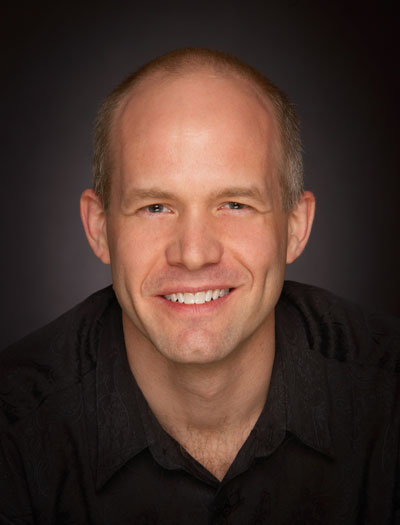
Mathew Buchman
- Department Chair – Music
- Professor – Jazz Studies
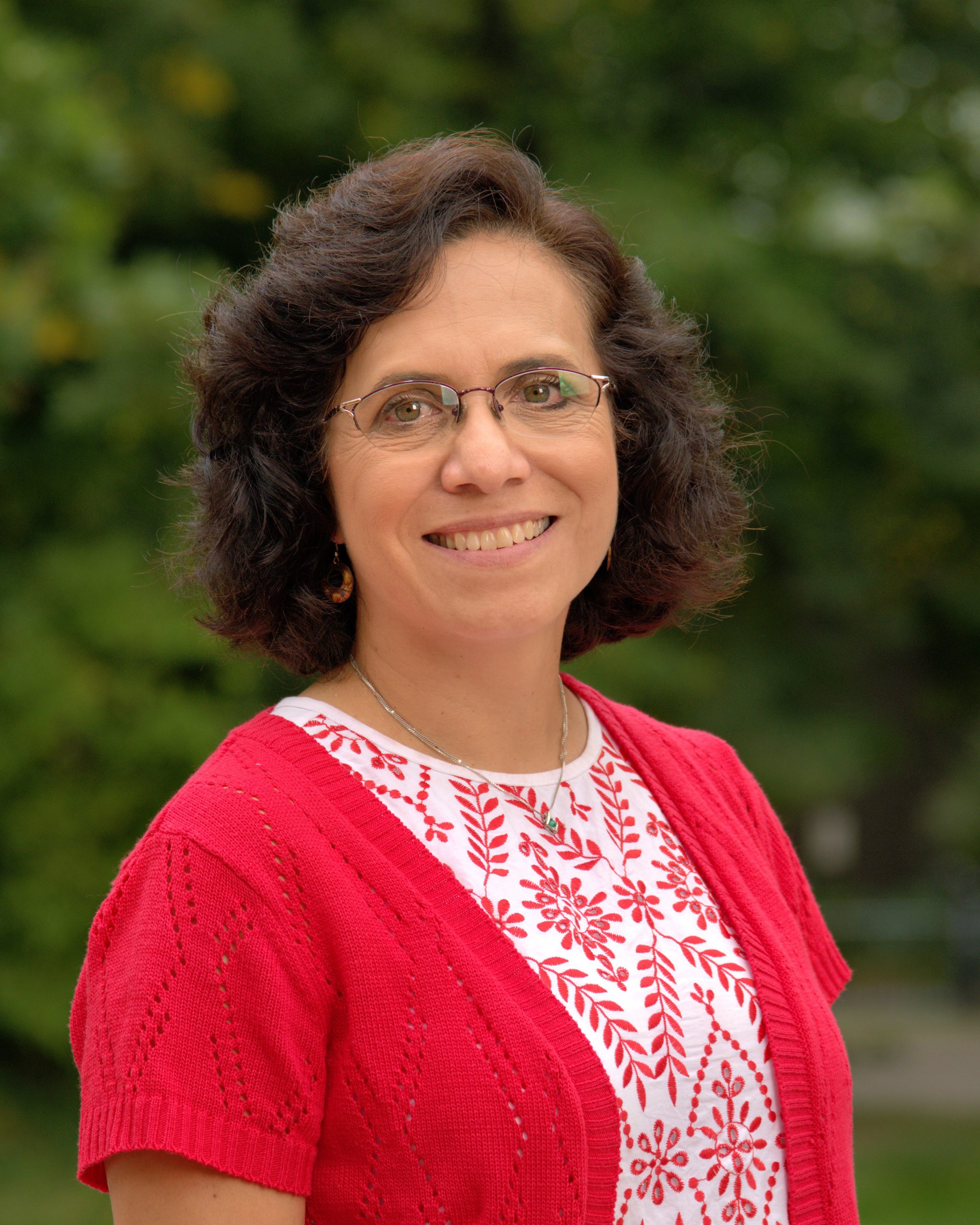
Beatriz Aguilar
- Assistant Professor – Music
- Director of Music Education
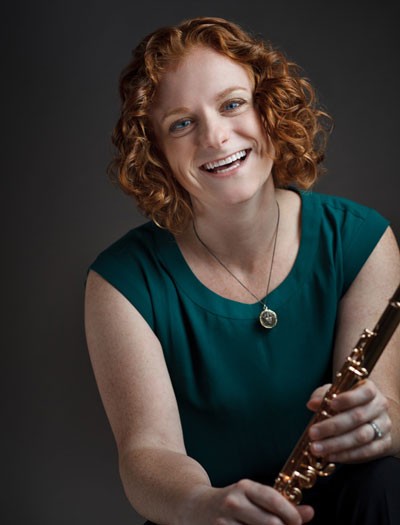
Danielle Breisach
- Lecturer – Flute
- Graduate Program Manager
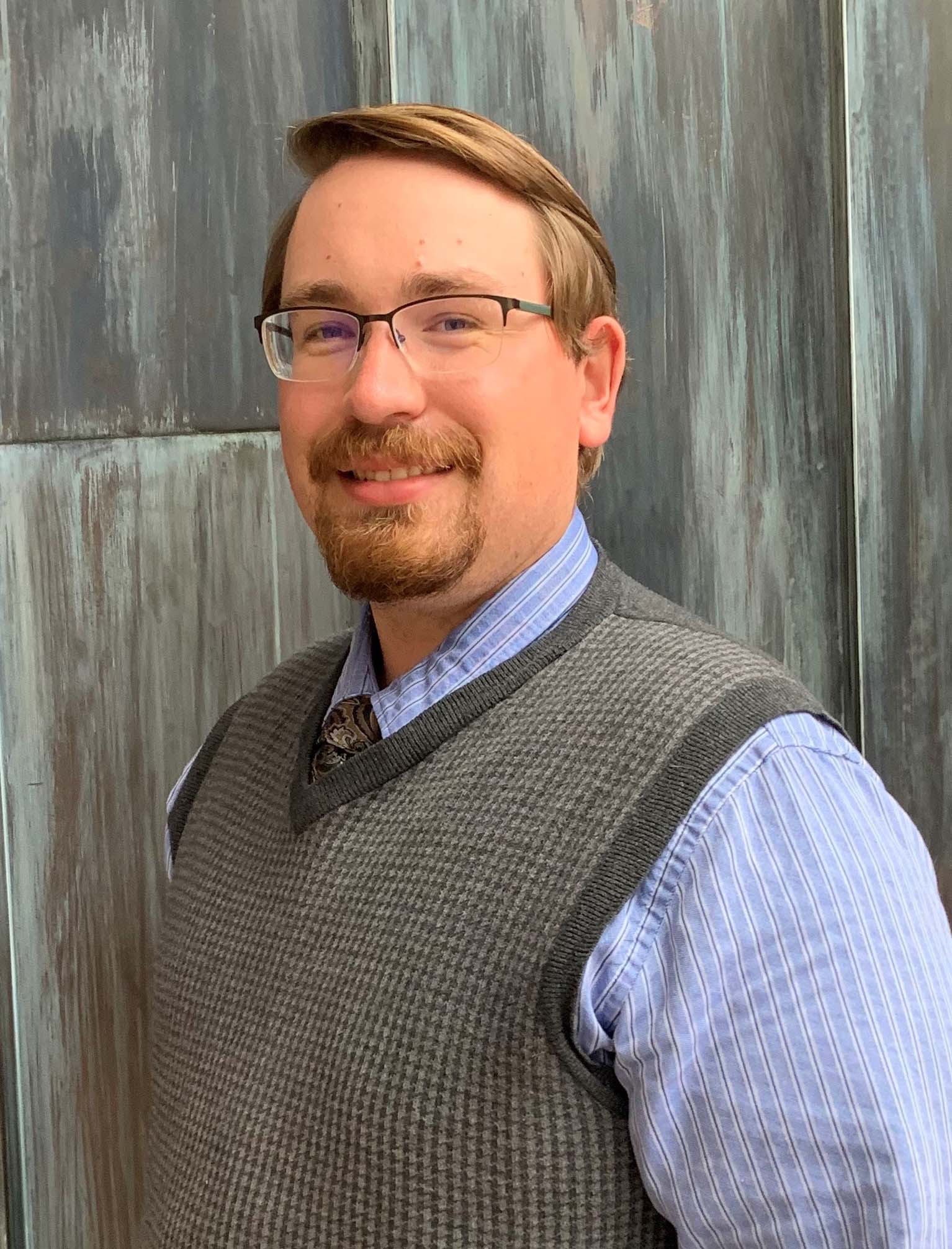
Andrew Slembarski
- Administrative Specialist – Music
upcoming cofac events
The College of Fine Arts and Communication offers more than 500 events open to the public each academic year! These include dance, music, and theater performances, master classes, guest artists, gallery exhibitions, SPTV broadcasts, WWSP radio programs, media and video productions among many other student-created pieces.
While the academic year has concluded, we have an exciting summer ahead! Watch our website for the 2026-27 theatre and dance season announcement, free public concerts during the American Suzuki Institute this July, Carlsten Gallery exhibits and more!
National Association of Schools of Music

Founded in 1924, the National Association of Schools of Music (NASM) is an organization of schools, conservatories, colleges, and universities with approximately 637 accredited institutional members. It establishes national standards for undergraduate and graduate degrees and other credentials for music and music-related disciplines and provides assistance to institutions and individuals engaged in artistic, scholarly, educational, and other music-related endeavors.
The College of Fine Arts and Communication at UW-Stevens Point is accredited by the National Association of Schools of Music.