Physics

SMALL CLASSES, BIG ACHIEVEMENTS AWAIT YOU IN THE pHYSICS PROGRAM

Do you want a deeper understanding of how the physical universe works? If you’re curious about the world around you and you enjoy learning how physics explains everyday phenomena, the Department of Physics and Astronomy at UW-Stevens Point is the place for you!

Upper level students have co-authored published articles in scientific journals; others have presented talks describing their research at national conferences and regional meetings. Approximately half of our graduates accept fellowships or assistantships for advanced study at institutions across the country. Physics majors at UWSP can also enjoy study abroad opportunities, including academic coursework at sites worldwide, and short travel courses covering specialized topics.

Department of Physics and Astronomy

Why study Physics at UW-Stevens Point?

The Department of Physics and Astronomy can help you find rewarding employment upon completion of your degree. Graduates have found work as applications engineers, chemists, contractors, combat engineers, researchers, system administrators and teachers. Graduates have also pursued further schooling in aeronautical engineering, applied physics, astronomy, civil and environmental engineering, mathematics, nuclear engineering and security technologies. Current research activities involving students majoring in physics include astrophysics, optoelectronics, materials science, liquid crystals, and femtosecond lasers.

Physics and Astronomy Facilities

Grow your passion for astronomy and physics when you study at UWSP.  Hands-on learning opportunities include:

Through faculty research collaboration, the department has access to the world’s largest fully steerable radio telescope, the 100-meter Green Bank Telescope in West Virginia.


Dual Degree Physics and Engineering 3 + 2

Earn two degrees in five years, a bachelor of science degree in physics from UW-Stevens Point and a bachelor of science degree in engineering (biomedical, civil, electrical, industrial, materials or mechanical engineering) from UW-Milwaukee. The program includes three years and 90-95 credits at UW-Stevens Point and two years and 60 credits at UW-Milwaukee.

The dual-degree program helps students interested in an engineering career to get an enhanced background in physics. It will help you to distinguish yourself when you start your career, as well as when you must adapt to fast-paced industries in the long term.


Scholarships and Awards

The Department of Physics and Astronomy recognizes outstanding students at the annual School of Mathematics, Computing, Physics and Astronomy Awards. In 2026, a total of $55,000 was awarded thanks to our generous donors and endowed scholarships. Faculty will select the recipients based on academic achievement and scholastic merit.


WHAT TO EXPECT

Students work closely with professors in challenging coursework to earn a Bachelor of Science or Bachelor of Arts degree in physics. With either degree, a student may attain certification to teach at the secondary level.

Our department also offers two tracks within the physics major for students who plan to pursue a career in industry right after graduation: Physics Major with Applied Emphasis in Mechanics and Physics Major and the Physics Major with Applied Emphasis in Electronics.  Applied Emphasis majors are required to participate in an industrial internship either locally or in London through the Study Abroad Program.

Students may also lay the foundation for a career in biomedical, civil, industrial, materials or mechanical engineering as part of a physics/engineering dual-degree (3+2) program offered through a partnership with UW-Milwaukee. You can earn two degrees in five years through this dual-degree collaboration!

Academic minors may be obtained in physics, astronomy and natural science. Courses in astronomy are offered at the introductory and advanced levels. Pre-professional fields of study, such as engineering and medicine, also require certain courses in physics.

GET INVOLVED ON CAMPUS

Students interested in engaging with the professional community may get involved in the Society of Physics Students at UWSP. More opportunities can be found on the Stevens Point Involvement Network (SPIN).

Many students in the department are employed in relevant positions during their studies. Research assistants, tutors, graders, planetarium staff members and laboratory assistants are often hired by the department. In addition, a number of scholarships provide financial support to physics majors.

MORE STUDENT OPPORTUNITIES

Physics majors at UW-Stevens Point have been quite successful in national competition for summer research internships. In recent years, junior and senior level students have participated in programs at institutions such as Argonne and Brookhaven National Laboratories, Marshfield Clinic, Lucent Technologies, and at universities such as Cornell, MIT, Michigan State, and UW-Eau Claire. In addition, UWSP students enjoy access to a wide variety of study abroad opportunities. You could learn physics overseas!


MEET YOUR FACULTY

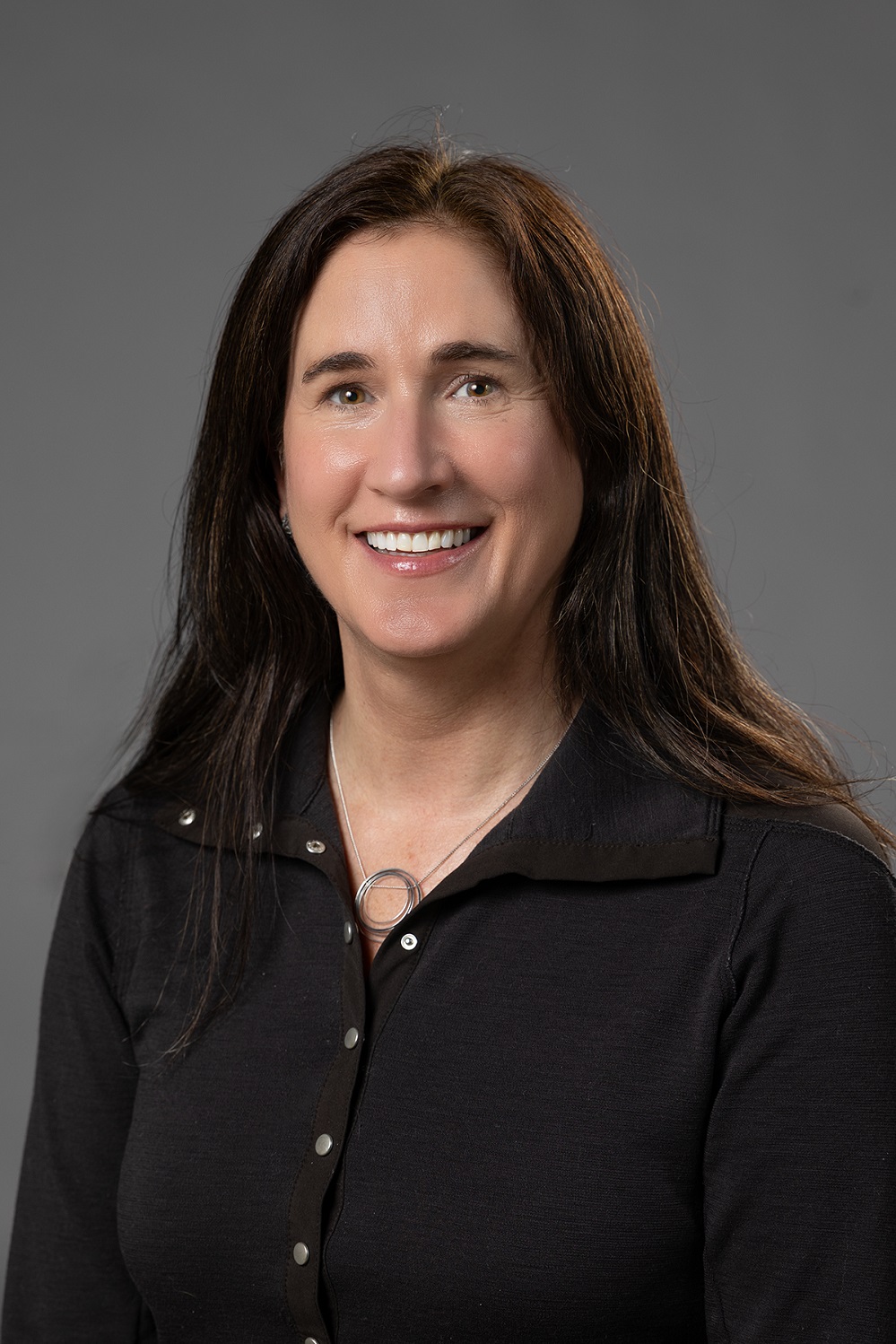
UW-Stevens Point physics classes are small, and students majoring in physics are able to work directly with faculty early in their academic careers. Faculty conduct research in areas such as astrophysics, optoelectronics, materials science, liquid crystals and femtosecond lasers.

Archives: Faculty / Staff Profiles – Faculty / Staff Directory
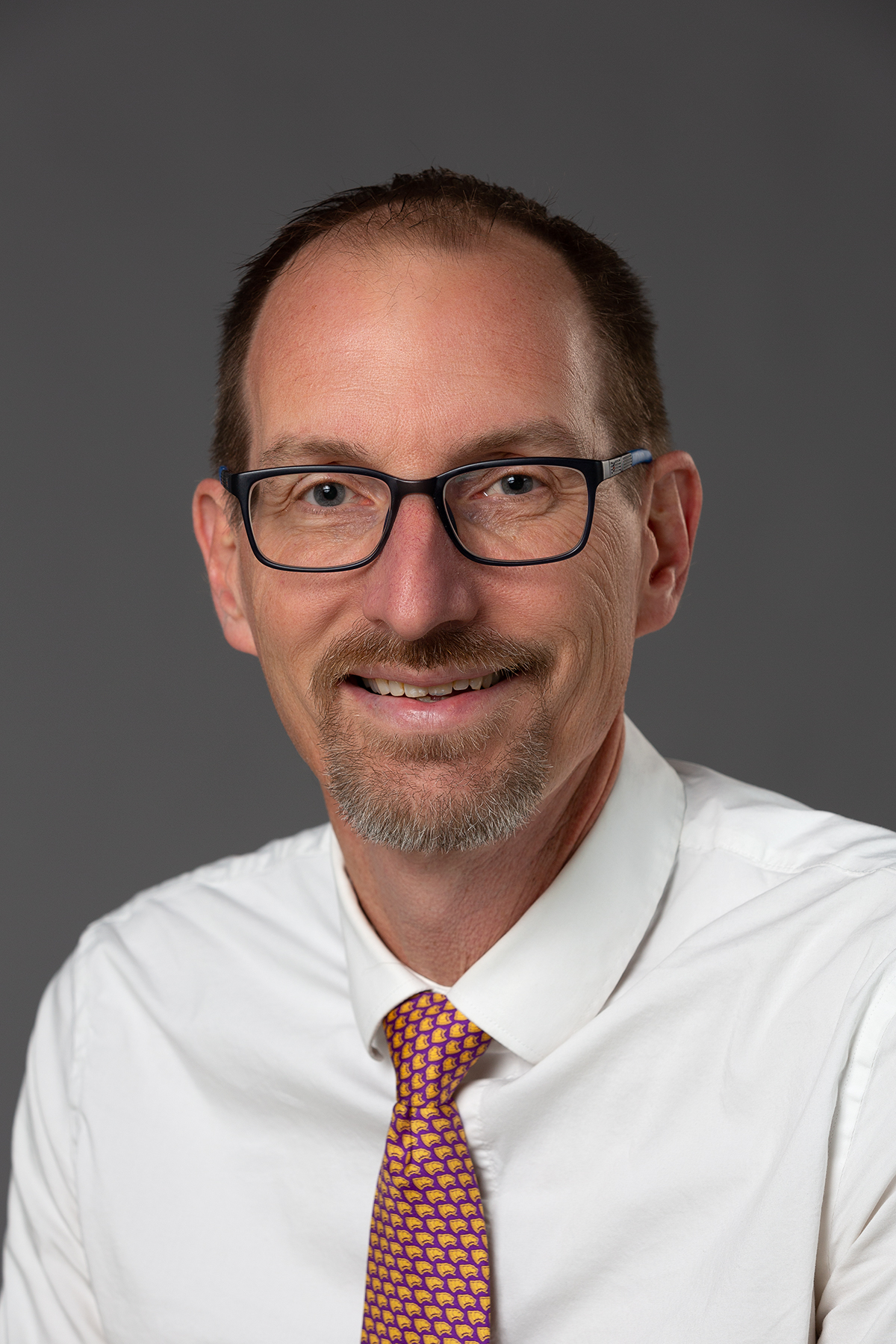
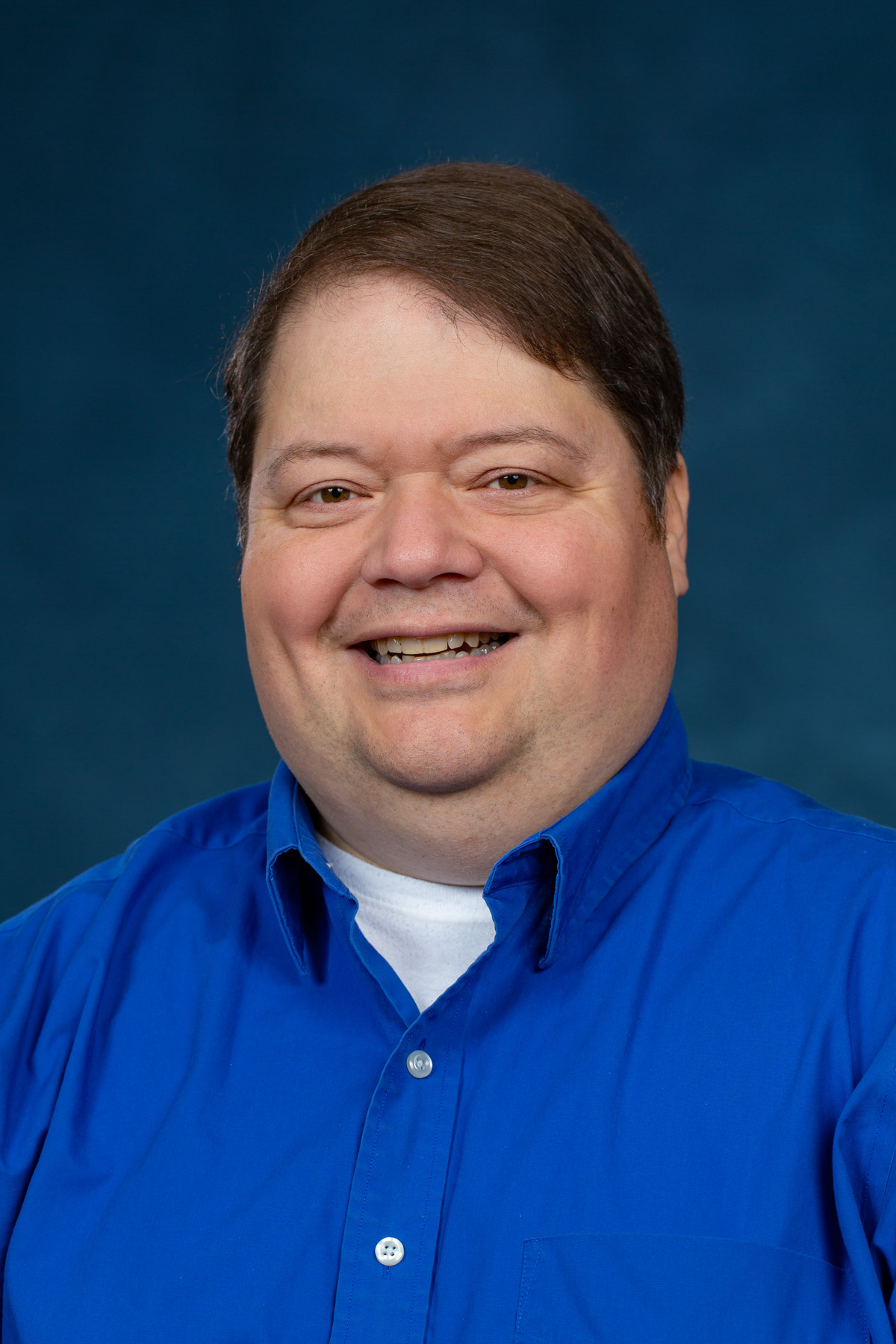
Profile Photo: Brad Hinaus

Brad Hinaus

  • Professor
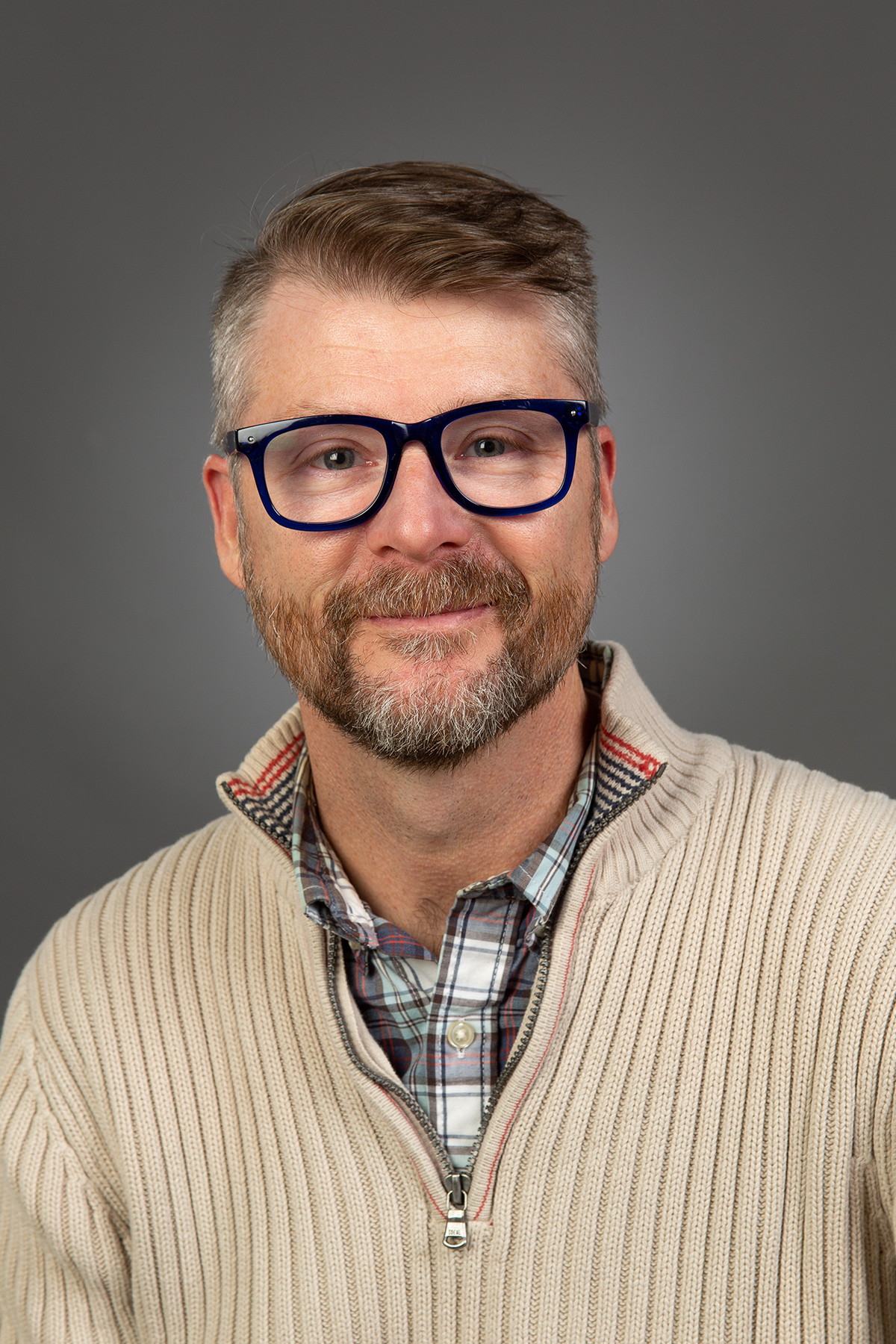
Profile Photo: Chris Verzani

Chris Verzani

  • Associate Professor
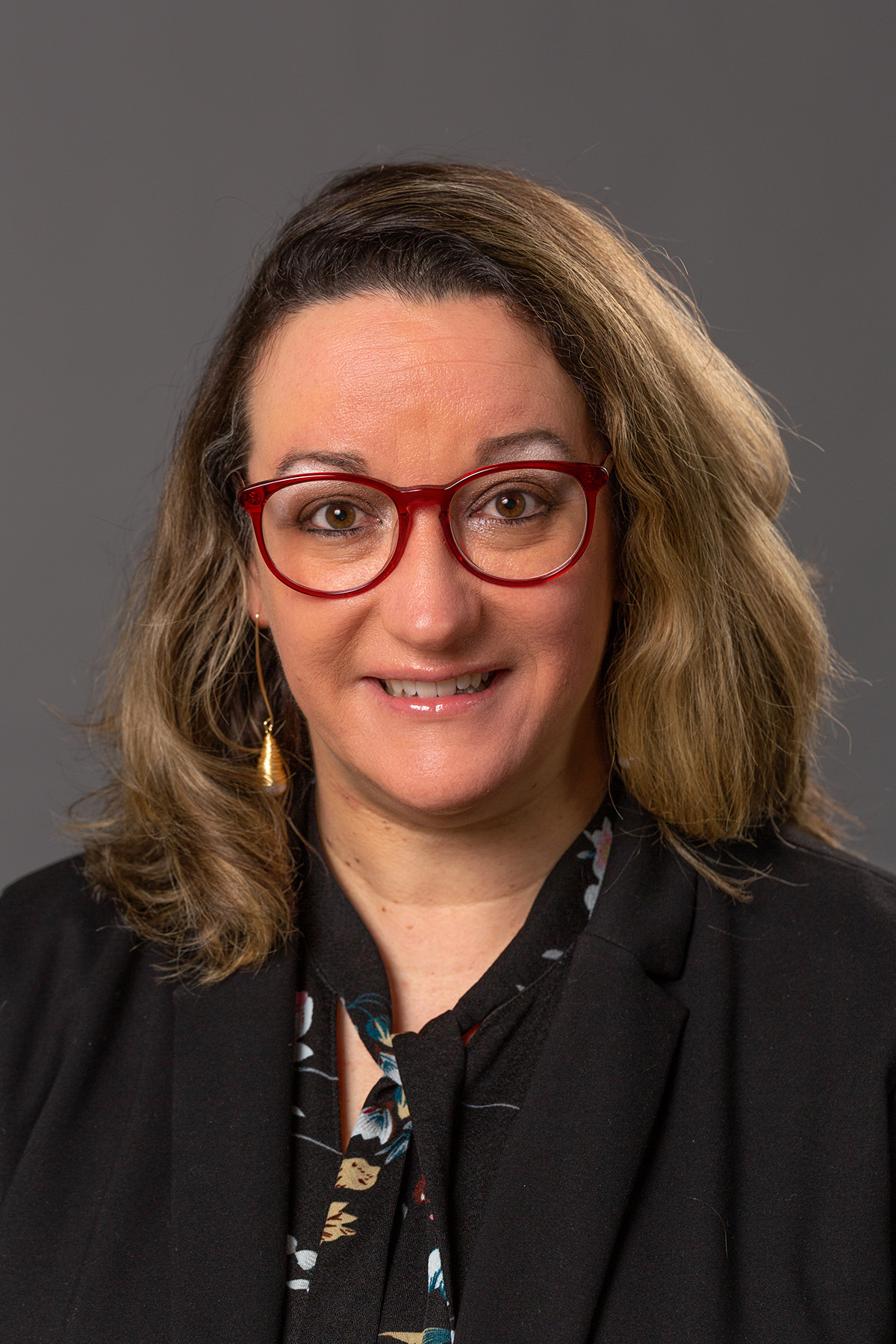
Profile Photo: Mark Holdhusen

Mark Holdhusen

  • Professor
  • Chair, Department of Physics and Astronomy
381-D (UWSP at Wausau) and SCI B109 (Main campus)
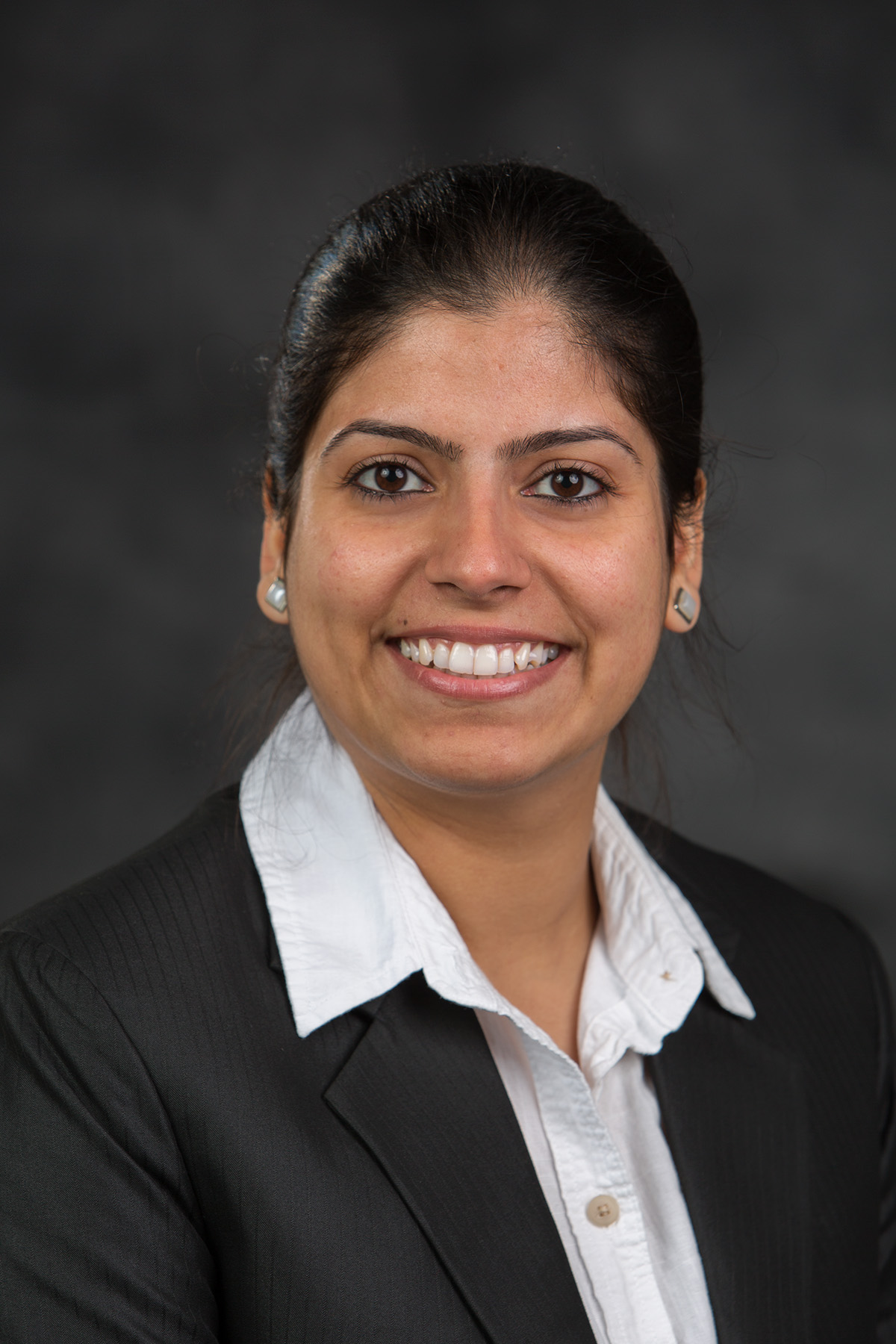
Profile Photo: Maryam Farzaneh

Maryam Farzaneh

  • Professor of Physics
  • Physics/Engineering Dual Degree Coordinator

Web Development

The Web Development minor provides students with a foundation in web design and development, including the theory and practice of human-centered design and evaluation with a focus on usability and user experience, and fundamentals of working with modern web technologies.

As a Web Development student, you will have access to state-of-the-art classrooms and labs, as well as design software and services such as Adobe CC suite, Axure RP, and Balsamiq Mockups.

This minor pairs well with disciplines that benefit from user-centric design and evaluation skills, and it is recommended for students majoring in Computer Information Systems who wish to deepen their understanding of developing interactive applications.

The Web Development minor consists of at least 29 credits:

Requirements: WD 100, 201, 310; CNMT 101, 110, 210.  
Electives: Take three credits of WD courses numbered 300 and above.

For more information visit the UW-Stevens Point course catalog.

Meet Your Faculty

Faculty in the Department of Computing and New Media Technologies have extensive experience and are committed to providing individual attention in small classes.

View All Faculty

Profile Photo: Chad Johnson

Chad Johnson

  • Assistant Professor
  • Coordinator, Digital Forensics and Recovery Analysis Lab
Profile Photo: Tim Krause

Tim Krause

  • Professor
  • Chair, Department of Computing and New Media Technologies
  • [ More… ]
Profile Photo: Tomi Heimonen

Tomi Heimonen

  • Associate Professor
  • Academic Director, M.S. Cybersecurity online degree program

Computer Information Systems

The Computer Information Systems minor provides students with a foundation in computing through coursework in programming, database design and development, web design and development, and networking. This minor pairs well with disciplines that benefit from computational skills, and it is recommended for students majoring in Web Development who wish to specialize in software development.

The CIS minor consists of at least 31 credits:

Requirements: CIS 120, CIS 225 or CNMT 210, CIS 210 and 220, CNMT 101, 110, and 310, and MATH 209.

For more information visit the UW-Stevens Point course catalog.

International Studies

GET GLOBAL PERSPECTIVE WITH A UW-STEVENS POINT DEGREE IN INTERNATIONAL STUDIES

Whether as a standalone major or in combination with other majors/minors, an International Studies degree can prepare you to make your mark in an increasingly globalized world. As a truly interdisciplinary field, the program draws upon work in related disciplines, such as History, Foreign Languages, Political Science, Business, Economics, and English, and encourages students to think about international issues from a variety of perspectives.

Our program helps students develop intercultural knowledge and enhance their employability. Within a year of graduation, 88 percent of our students are employed or enrolled in graduate school. The world is globalizing, keep up with it with a major in International Studies at UW-Stevens Point.

Department of History and International Studies

Why Study International Studies at UW-Stevens Point?

International Studies at UWSP gives students the chance to make their education global in scope, while developing intercultural knowledge and skills that enhance their employability. Whether as a standalone major or in combination with other majors/minors, International Studies can prepare you to make your mark in an increasingly globalized world. Many of our students participate in semester abroad programs and international internships.

Student Research Experience

The Department of History and International Studies frequently sponsors student participation in the College of Letters and Science Undergraduate Research Symposium and faculty-led research opportunities with collaboration on projects and publications through the College of Letters and Science Undergraduate Education Initiative.  


Scholarships and Awards

High-achieving students in the International Studies program are eligible for many significant awards and scholarships thanks to generous support from our alumni, friends, and corporate partners. Recent grads have secured competitive post-graduate funding including Fulbright Fellowships, Japan Exchange Teaching positions, and Rotary Foundation Global Grants.


Study Abroad in 25+ Countries

UWSP features one of the longest-standing and robust study abroad programs in the state of Wisconsin, with experiences in more than 25 countries. Many students pursue international internship experiences for credit. UWSP partners with global organizations such as the Anglo Educational Services office in London to secure meaningful internships for students abroad. International Studies majors and minors have worked as interns for the Westminster Archives, British Parliament, World Health Organization, World Bank, and the U.S. State Department. Additionally, students may also intern for local organizations with an international reach including the Wisconsin Nicaragua Partners, the Rotary Club, and the United Way Worldwide.


WHAT TO EXPECT

The International Studies BA provides a strong foundation for professional careers and graduate studies in global education, foreign service, international law, global business, international nonprofit work, and many other fields. The shared methods courses include activities for students to explore career options, enhance their professional resumé, and overall discover their purpose.

Foundational courses allow students
• to engage with concepts of global citizenship and world languages
• to gain international historical perspectives
• to study global political affairs, sustainability, and world religions

The program encourages study abroad experiences including international internships, presenting original research at local conferences, and extracurricular participation in international student organizations.

Recent graduates continue to make a life, a living, and a difference as directors of study abroad offices at major institutions, leaders in international non-profit organizations, lawyers and foreign service officers, and project managers for multi-national corporations located in Central Wisconsin and beyond.

GET INVOLVED ON CAMPUS

International Studies students often serve as officers or active members in organizations such as the International Club, Japan Language and Culture Club, Spanish Club, German Club, Hmong and Southeast Asian American Club, United Nations, and others.

Students may participate in activities such as the United Nations Student Organization, or pursue international internships or other semester abroad opportunities.

More opportunities can be found on the Stevens Point Involvement Network (SPIN).

MEET YOUR FACULTY

The department offers small classes taught by a dedicated faculty, and a lot of individual attention and advising. Representing diverse disciplinary and regional backgrounds, our faculty boast an impressive record of competitive grants for research and teaching.

Archives: Faculty / Staff Profiles – Faculty / Staff Directory
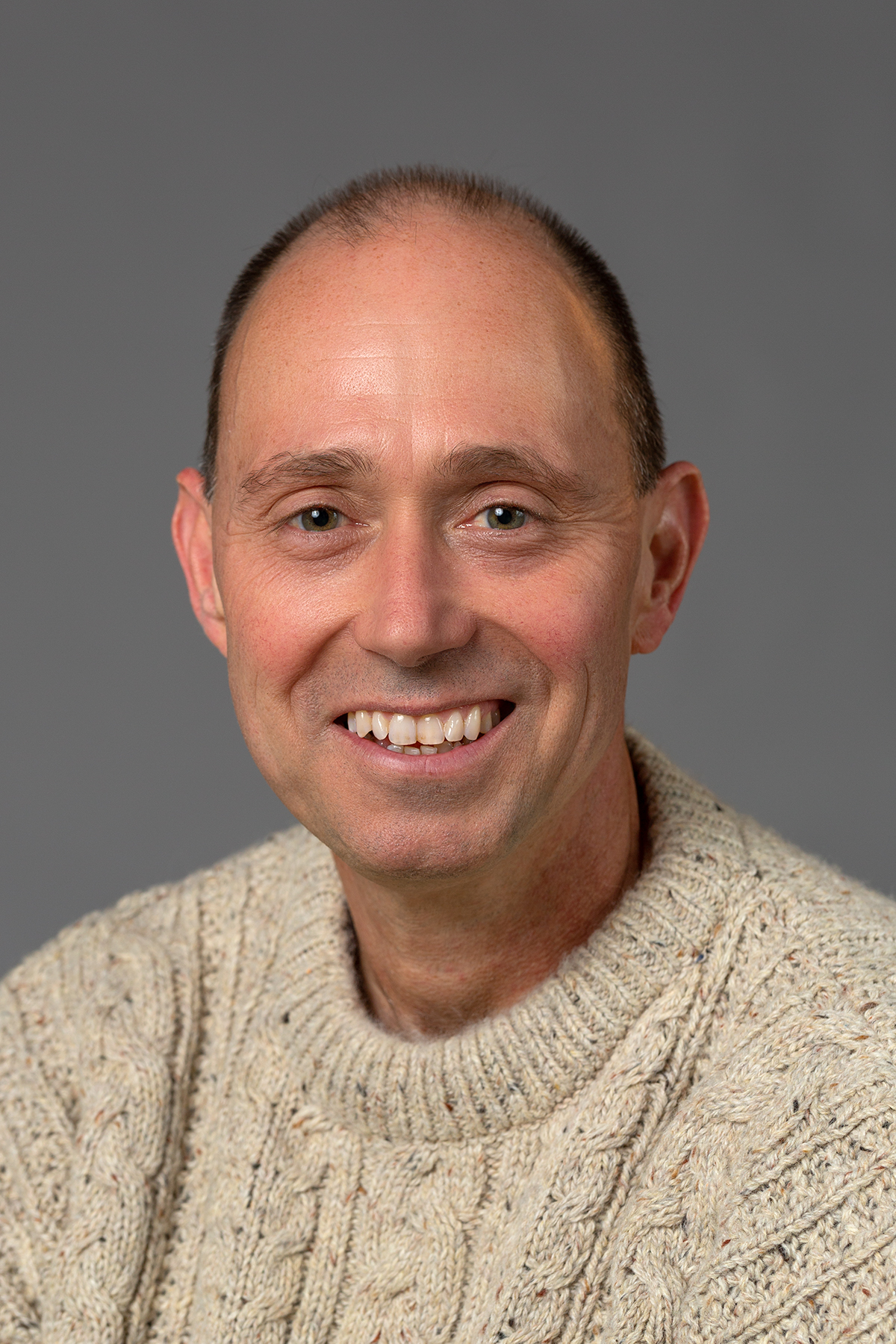
Profile Photo: Brett Barker

Brett Barker

  • Professor of History
  • Chair, Department of History and International Studies
Profile Photo: E Jerry Jessee

E Jerry Jessee

  • Professor
Profile Photo: Valerie Barske

Valerie Barske

  • Professor
  • Coordinator, International Studies and Peace Studies

History

YOUR HISTORY DEGREE AT UW-STEVENS POINT GIVES YOU RESEARCH AND ANALYSIS SKILLS FOR A BRIGHT FUTURE

History and social studies education, offered through the Department of History and International Studies at UW-Stevens Point, is an undergraduate program that focuses on the knowledge, skills and dispositions needed to teach social studies in middle and high school. Successful candidates in the program earn a bachelor’s degree and Wisconsin teaching license in social studies grades 4-12.

In addition to specific general education coursework, students complete a variety of courses that provide opportunities to develop the knowledge and skills needed to be successful certified social studies teachers. Students complete a rigorous social science and history curriculum. Additionally, students complete coursework designed to give them hands-on, practical experience in the application of social science concepts. Practicum experiences allow students to observe and teach actual students from the community to prepare for an eventual career in history and social studies education.

For marketability purposes, students interested in teaching any area of social studies are required to complete a major in history and social studies education.

Department of History and International Studies

Why study History at UW-Stevens Point?

The history program at the University of Wisconsin-Stevens Point is designed for students preparing to teach and for those interested in such fields as law and library science. The department requires students to take coursework in U.S., world regional, and global/comparative history. Many of our students also participate in semester abroad programs and international internships.


Student Research Experience

The Department of History and International Studies frequently sponsors student participation in the College of Letters and Science Undergraduate Research Symposium and faculty-led research opportunities with collaboration on projects and publications through the College of Letters and Science Undergraduate Education Initiative.


Scholarships and Awards

The Department of History and International Studies recognizes outstanding students at the annual Humanities and Global Studies Spring Awards Ceremony. In 2026, a total of $42,200 was awarded thanks to our generous donors and endowed scholarships.


WHAT TO EXPECT

The UW-Stevens Point history program equips students to be global citizens who will succeed in a world where people and nations are interdependent, societies are diverse, and life is shaped by science and technology. By exploring institutions, ideas, and values of human societies, students learn essential skills in research, writing, and analysis.

The public internship requirement connects students with local historical societies and their ongoing research and programming.

Many history majors or minors find employment in teaching, but some seek jobs in government. With a few courses in business and economics, students graduating with a history degree can enter the business world, and history is one of the traditional majors for professional study in law, theology, and library science.

GET INVOLVED ON CAMPUS

History Club is a student led organization that organizes discussions, film viewings and trips to museums and historical sites for students interested in the discipline.

More student group opportunities can be found on the Stevens Point Involvement Network (SPIN).

MEET YOUR FACULTY

Faculty members in the department cover world history and bring a broad range of specializations to course offerings. Unique courses include: U.S. and global environmental history, the history of science, the history of medicine, public history, the history of the Middle East and the wider Islamic World, the history of the American Midwest, the history of Russia and the Soviet Union, and East Asian history. Meet your professors!

Archives: Faculty / Staff Profiles – Faculty / Staff Directory
Profile Photo: Brett Barker

Brett Barker

  • Professor of History
  • Chair, Department of History and International Studies
Profile Photo: E Jerry Jessee

E Jerry Jessee

  • Professor
Profile Photo: Valerie Barske

Valerie Barske

  • Professor
  • Coordinator, International Studies and Peace Studies

Artificial Intelligence

MASTER AI AND THRIVE IN TECH SOLUTIONS WITH YOUR ARTIFICIAL INTELLIGENCE DEGREE

The artificial intelligence program at the University of Wisconsin-Stevens Point integrates machine learning, natural language processing, programming for AI, deep learning, and big data into coursework that prepares you to lead in innovative roles. Employers are actively seeking qualified people who have a deep understanding of AI development and can harness its potential for societal good.

Your skills in AI analysis and design can shape your chances to lead in this challenging and exciting area of technology! You will get to know the faculty and academic staff well, thanks to courses that are in most cases capped at 24 students. We offer foundational topics in computing starting from your first semester.

Department of Computing and New Media Technologies

Why Study Artificial Intelligence at UW-Stevens Point?

Students in the UWSP Artificial Intelligence program are uniquely prepared to innovate with skills in programming and software development, natural language processing and project management that set the program apart. Our major curriculum immerses students in both computational and human sciences with programs not offered by other universities in ethics and emerging trends. You will study human-centered AI implications such as privacy, security, equity and bias. Not just a focus but a comprehensive bachelor’s program, the Artificial Intelligence degree aligns with projected employment growth for computer and information technology occupations of 12% from 2018 to 2028, much faster than the average for all occupations.

Prepare for these Top 3 Occupations:

  • Software Developers
  • Computer and Information Systems Managers
  • Computer Systems Analysts


Career-Ready Skills

From employer-sponsored student internship programs to presentations and other networking and career-skills workshops, the faculty of the Department of Computing and New Media Technologies help students get immersed in resources that grow their confidence. The forward-thinking curriculum ensures deep understanding on the technical side as well as soft skills such as collaboration, problem solving, communications and critical thinking, required of computer systems professionals.


What to Expect? 

Artificial intelligence is incorporated in facets of daily living that affects us all. Professional career opportunities span nearly industry from financial services and gaming to national security and technology. Overall employment of software developers, quality assurance analysts, and testers is projected to grow 17 percent from 2023 to 2033, much faster than the average for all occupations. For computer and information research scientists, that number is projected as high as 26% growth, according to the U.S. Bureau of Labor Statistics.

UWSP students get the chance to connect with faculty closely, some working with faculty on undergraduate research or in independent study on topics including game design machine learning, information security, and more.

YOU WILL LEARN

  • Programming for AI and machine learning
  • Foundations of AI
  • Deep learning and neural networks
  • Natural language processing
  • Reinforcement learning
  • AI for cloud environments
  • AI for cybersecurity

Get Involved on Campus

Connect with other students and build your professional network. You can join a group of like-minded students to gain valuable insights about the artificial intelligence field. Student organization opportunities can be found on the Stevens Point Involvement Network (SPIN).

CONVENIENCE OF A DOUBLE MAJOR

The Artificial Intelligence B.S. at UWSP is a perfect second major for students focused on software development to graduate with complementary high demand skillsets. The curriculum shares 23 credits with the existing CIS: Application Development Support degree. Moreover, currently enrolled students in the Data Analytics program would also be able to pursue a double-major in Artificial intelligence given the overlap of at least 22 credits between both majors.


MEET OUR FACULTY

The Department of Computing and New Media offers a range of student-centered activities and courses. Faculty and staff in the School of Mathematics, Computing, Physics, and Astronomy maintain relationships with a wide variety of local and regional partners.

Profile Photo: Chad Johnson

Chad Johnson

  • Assistant Professor
  • Coordinator, Digital Forensics and Recovery Analysis Lab
Profile Photo: Hardeep Kaur Dhalla

Hardeep Kaur Dhalla

  • Associate Professor
Profile Photo: Tim Krause

Tim Krause

  • Professor
  • Chair, Department of Computing and New Media Technologies
  • [ More… ]
Profile Photo: Tomi Heimonen

Tomi Heimonen

  • Associate Professor
  • Academic Director, M.S. Cybersecurity online degree program

GIS Professional Certificate Program

ADVANCE YOUR CAREER WITH A GIS PROFESSIONAL GRADUATE CERTIFICATE

4 Courses. 12 Credits. 100% Online! 

Build your expertise and accelerate your career in Geographic Information Systems (GIS) with UW–Stevens Point’s GIS Professional Graduate Certificate. This flexible online program is designed for working professionals looking to strengthen their geospatial skills and expand their career opportunities.

Why pursue your GIS Professional Graduate Certificate at UWSP?

Career Advancement
  • The demand for GIS professionals continues to grow as more industries rely on geospatial analysis, data modeling, and spatial decision‑making.
  • Program graduates gain critical Tier 4 and Tier 5 Geospatial Competencies, preparing you for advanced professional roles and supporting your readiness to sit for the GISP exam.
Affordability and Value
  • Our competitively priced tuition is $600 per credit—the same for both in‑state and out‑of‑state students.
  • Increase your earning potential: according to the Geospatial Professional Network, the average annual salary for geospatial professionals in 2024 was $91,774.
Flexibility
  • Designed for busy professionals, all courses are taught asynchronously, allowing you to complete coursework on your schedule.
  • Choose a pace that works for you: earn your certificate in two semesters or spread your coursework over four semesters.

GET STARTED TODAY!

Request information and start your journey in our online GIS program. Our team will reach out to you about attending an information session.

Loading…

Build Your Competencies in GIS

The GIS Professional Graduate Certificate program prepares you for a dynamic, rapidly evolving field with wide-ranging career opportunities. Whether supporting public health and safety initiatives or contributing to climate preparedness planning, you will develop the skills to address complex organizational and societal challenges.

Throughout the program, you will strengthen your data management techniques and learn how to analyze, interpret, and apply geospatial technologies to create effective, real-world solutions. Hands-on projects will give you experience with the latest GIS tools and industry practices.

In addition, the curriculum aligns with several Tier 4 and Tier 5 Geospatial Competencies, helping you build the expertise needed to confidently pursue the GISP Certification Exam.


A Proven Leader in Applied GIS Research

UW-Stevens Point has a long-standing reputation for advancing real‑world GIS solutions through hands‑on, community‑focused research. Students and faculty collaborate on impactful projects across Wisconsin such as watershed erosion assessments, lake bathymetric mapping, wildfire analysis, sustainable transportation studies, and public‑health spatial research. These applied experiences enrich learning, strengthen professional readiness, and demonstrate UWSP’s leadership in solving complex spatial challenges.


Career Growth in GIS is Strong

Your GIS Professional Graduate Certificate is in demand. According to the U.S. Bureau of Labor Statistics, GIS‑related fields are projected to grow 6% over the next decade, outpacing the average growth rate for all occupations.

Professionals with advanced GIS skills are especially sought after in roles such as:

  • GIS specialists
  • Cartographers
  • Photogrammetrists
  • GIS technicians
  • Software developers
  • Surveying and mapping technicians
  • Project management specialists


Invest in Your Future

Boost your earning potential with a GIS Professional Graduate Certificate. According to the Geospatial Professional Network’s 2024 GIS Salary Survey, GIS professionals earn an average salary of $91,774 and a median of $87,000, based on responses from over 4,600 geospatial employees. Salaries vary by job title, location, experience, and certification—highlighting the value of advancing your skills in this growing field.


Flexible Learning Options

We understand that continuing your education often means balancing work, family, and other commitments. That’s why our program offers flexible learning options, including 100% online courses designed to fit your schedule.

Even though the program is fully online, you won’t be learning alone. The GIS Professional Graduate Certificate provides meaningful opportunities to connect with classmates, faculty, and professionals in the GIS field—helping you build valuable networks throughout your studies.

All courses are delivered in an asynchronous format, allowing you to engage with course materials and complete assignments at the times that work best for you.


Curriculum

The program curriculum includes four 3-credit courses for a total of 12 credits of geospatial techniques courses. The certificate can be completed in two or four semesters, depending on the schedule that works best for you. All courses are full semester (16-week) courses and are taught in an asynchronous, online format. View the UWSP course catalog for more information.

Program graduates will meet various Tier 4 and Tier 5 Geospatial Competencies, furthering your readiness to sit for the GISP Exam. After completing the GIS Professional Certificate program, you will be able to:

  • Develop digital geospatial data that represent real-world phenomena and address organizational tasks and societal needs.
  • Communicate geographic information using geospatial tools, data and cartographic techniques.
  • Analyze aerial imagery using digital image processing and photogrammetric techniques.
  • Analyze geospatial conditions, patterns, trends, and relationships.
  • Apply geospatial technologies to address societal problems.

Courses:

GEOG 541: Geographic Information Systems I  (3-Credits)
Develop, use and maintain a geographic-based spatial information system (GIS) for resource management. Acquire and assess spatial data. Compare raster and vector data models. Computer-based geographic data handling, analysis, interpretation, and display. Cartographic spatial modeling.
Offered in Fall semesters. 

GEOG 577: Remote Sensing I (3-Credits)
Characteristics of aerial photographs and digital imagery. Use remote sensing materials to conduct resource inventories, land use evaluations, and landform analysis.
Offered in Fall semesters.

GEOG 742: GIS Database Design and Modeling (3-Credits)
GIS data modeling and database design, creation, maintenance, and integration using desktop GIS and database management software.
Prerequisite: GEOG 541
Offered in Spring semesters.

GEOG 743: Advanced Geospatial Techniques (3-Credits)
Advanced geospatial techniques for problem solving. Integration of digital databases to implement and visualize complex cultural and environmental geospatial analytics and models.
Prerequisite: GEOG 541
Offered in Spring semesters.

Tuition and Fees

Tuition for the online GIS Professional Graduate Certificate program is $600 per credit, plus distance education fees and segregated fees. Segregated fees are charged at a 50% reduced rate for this online program. The cost of the program is the same for in-state and out-of-state students.

TermCreditsTuitionDistance Education FeesSegregated Fees*Total**
Fall6$3,600$300$432$4,332
Spring6$3,600$300$432$4,332
     $8,664

*Segregated fees are estimated and are subject to change. Segregated fees are pro-rated for graduate students taking fewer than 6 credits in one semester.

**Total cost of the program is estimated. Additional administrative fees may apply.

Students seeking financial assistance are encouraged to contact their employer, as many offer tuition reimbursement. Federal and state Veteran education benefits can also be used to cover the cost of the program. Questions regarding financial aid should be directed to the UWSP Financial Aid office at finaid@uwsp.edu.

How To Apply

We are currently accepting applications for the Fall 2026 cohort. Applications to the program are reviewed on a rolling basis. The deadline to apply is August 7, 2026. Fall 2026 classes begin on September 2, 2026.

Admission to the GIS Professional Graduate Certificate program requires a bachelor’s degree from an accredited institution with a minimum undergraduate GPA of 3.0. Applicants with lower GPA’s who have professional GIS experience will be asked to submit supplemental application materials and will be considered on a case-by-case basis.

Step 1. Submit University Application. This step is for admission to UW-Stevens Point.

  • Select “No” when asked you are seeking a degree.
  • Select “Graduate” when asked whether you plan to take undergraduate or graduate courses.
  • Select “UW-Stevens Point” campus and then “GIS Professional Graduate Certificate“.
  • You will receive a welcome email with your UWSP student ID number within 2-4 business days.

Step 2. Submit Transcripts. This step is for admission to the GIS Professional Graduate Certificate Program.

  • After submitting your university application, email your unofficial transcripts to GIS@uwsp.edu. You will need to include unofficial transcripts for all post-secondary institutions you have attended. (UWSP alumni are not required to submit their UWSP transcripts.)
  • If you don’t meet the minimum 3.0 GPA admission requirement, we will email you to request a statement of relevant work experience and a letter of recommendation from a professional/academic reference who can speak to your experience and/or potential in GIS.
  • Program admission decisions will be made within approximately one week of receiving all application materials.

Step 3. Enroll in Classes

  • Students admitted to the GIS Professional Graduate Certificate program will receive a Welcome Letter with instructions on next steps for enrollment.

MEET YOUR FACULTY

Profile Photo: Doug Miskowiak

Doug Miskowiak

  • GIS Instructional Administrator
  • GIS Graduate Certificate Program Director
  • [ More… ]
Profile Photo: Jamie Chavez

Jamie Chavez

  • Associate Lecturer
Profile Photo: Vanessa Bailey

Vanessa Bailey

  • Assistant Professor
SCI 305B

Master of Social Work (MSW)

A MASTER OF SOCIAL WORK PROGRAM TAILORED FOR YOU

Earn your MSW degree through our flexible and accessible 100% online program. Combine your passion for serving others with our expertise and established partnerships.

Why pursue your MSW at UWSP?

Flexibility
  • Most courses are asynchronous
  • Part-time or full-time enrollment available
  • Practicum hours can be completed in or near your home community
Connection
  • Select courses have an evening Zoom component that allows you to build relationships and stay connected to your peers and professors
Career Advancement
  • Prepares you for more advanced, higher-paying positions and leadership opportunities
  • Can qualify you for licensure, open doors to independent clinical roles, and equip you with high-demand skills such as policy advocacy and specialized clinical practice


GET STARTED TODAY!

Request information and start your journey in our online MSW program. Our team will reach out to you about attending an information session.

Loading…


Elevate Community Well-Being

With an emphasis on serving rural communities, our program prepares students to be collaborative organization leaders who advocate for social, economic, racial, and environmental justice and the development of responsive social policies, programs and services. The MSW at UWSP prepares students to abide by the NASW Code of Ethics and to employ systems, strengths-based, and empowerment approaches in serving individuals, families, groups, institutions, and communities.


Career Growth in Social Work

Your MSW degree is in demand. According to the U.S. Bureau of Labor Statistics, employment of social workers is projected to grow 6% in the next ten years, faster than the average for all occupations. A variety of trends are influencing this growth including ongoing child welfare needs, the increasingly recognized value of social workers in school settings, the growth of our aging population, and more and more people seeking treatment for mental health issues and substance use disorders.


Online but Connected

Through our robust online program, we develop meaningful connections among faculty and students. While many classes are asynchronous, others have a required Zoom component that fosters collaborative skills, builds community, and allows for deeper exploration of concepts.


A Plan for Every MSW Student

Advanced or regular standing. Our program meets your individual needs. You will work with our advisers to help you follow a course plan that fits your graduation goals!


MSW TUITION

$625 per credit

FT Advanced Standing

Full-Time Advanced Standing

TermCreditsTuition + Fees*
Summer3$2,158  
Fall15$10,710  
Spring15$10,710  
Total33$23,578  

The MSW program is $625 per credit and is the same price for students who reside in-state or out-of-state.

*Tuition and fees totals include estimated segregated fees and distance education fees. Distance education fees are assessed at $50 per credit for online courses. Additional administrative fees may apply. Students pursuing the School Social Work pathway will be required to complete 2 additional credits.

UWSP Tuition and Fees

UWSP Financial Aid Office

PT Advanced Standing

Part-Time Advanced Standing

TermCreditsTuition + Fees*
Fall6$4,885  
Spring6$4,885  
Summer3 $2,158  
Fall9$6,600  
Spring9$6,600  
Total33$25,248  

The MSW program is $625 per credit and is the same price for students who reside in-state or out-of-state.

*Tuition and fees totals include estimated segregated fees and distance education fees. Distance education fees are assessed at $50 per credit for online courses. Additional administrative fees may apply. Students pursuing the School Social Work pathway will be required to complete 2 additional credits.

UWSP Tuition and Fees

UWSP Financial Aid Office

FT Regular Standing

Full-Time Regular Standing

TermCreditsTuition + Fees*
Summer3$2,158  
Fall14$10,085  
Spring14$10,085  
Summer3$2,158  
Fall15$10,710  
Spring15$10,710  
Total64$45,906  

The MSW program is $625 per credit and is the same price for students who reside in-state or out-of-state.

*Tuition and fees totals include estimated segregated fees and distance education fees. Distance education fees are assessed at $50 per credit for online courses. Additional administrative fees may apply. Students pursuing the School Social Work pathway will be required to complete 2 additional credits.

UWSP Tuition and Fees

UWSP Financial Aid Office

PT Regular Standing

Part-Time Regular Standing

TermCreditsTuition + Fees*
Fall6$4,885  
Spring6$4,885  
Summer3$2,158  
Fall8$6,035  
Spring8$6,035  
Summer3$2,158  
Fall6$4,885  
Spring6$4,885  
Fall9$6,600  
Spring9$6,600  
Total64$49,246  

The MSW program is $625 per credit and is the same price for students who reside in-state or out-of-state.

*Tuition and fees totals include estimated segregated fees and distance education fees. Distance education fees are assessed at $50 per credit for online courses. Additional administrative fees may apply. Students pursuing the School Social Work pathway will be required to complete 2 additional credits.

UWSP Tuition and Fees

UWSP Financial Aid Office

FAQ

What are the requirement differences between regular and advanced standing?

Regular Standing Admission Standards
Applicants must have a baccalaureate degree from a regionally accredited college or university in the United States. International applicants must have a degree comparable to a regionally accredited U.S. baccalaureate degree

Advanced Standing Admission Standards
Applicants must have a CSWE-accredited baccalaureate degree in social work, or an internationally earned ISWDRES-evaluated degree comparable to a baccalaureate in social work, earned within the last 7 years.

Note: We are currently only accepting regular standing students. Advanced standing students will be eligible to apply in August 1, 2026 for the Summer 2027 cohort.

How long will it take to complete the program?

Regular standing students:

  • Part-time: 4 years
  • Full-time: 2 years

Advanced standing students:

  • Part-time: 2 years
  • Full-time: 1 year
Can I complete the program all in my home community?

Yes! The courses are fully online with the required practicum to be completed in or near a student’s home community.

How many hours of practicum are required?

Regular standing students will complete 400 hours of practicum during the foundation year of the program and an additional 500 hours in a separate setting during the advanced year.

Advanced standing students will complete 500 hours of practicum during the advanced year.

Placement hours are dispersed throughout the academic year (September-May), averaging approximately 17 hours per week.

Does the program allow employment-based practicum placement?

Yes, but there is a specific application and screening process that must be completed for this option. We cannot guarantee employment-based practicum.

Will I be able to claim CSWE accreditation when I graduate?

Yes, we are launching the program in a way that all students will be able to claim the accreditation status when they graduate.

The UW-Stevens Point MSW Program has achieved candidacy for accreditation by the Council on Social Work Education’s (CSWE) Board of Accreditation (BOA). Candidacy status indicates that it has made progress toward meeting standards of program quality evaluated through a peer review accreditation process. A program that has attained candidacy status has demonstrated a commitment to meeting the accreditation standards but has not yet demonstrated full compliance. Students that are admitted to candidate programs in the fall (or later) of the academic year in which the program is granted candidacy status will be retroactively recognized as graduates from a CSWE-BOA accredited program as long as the program attains initial accreditation. Candidacy is typically a 3-year process and attaining candidacy does not guarantee that a program will eventually attain initial accreditation. Candidacy applies to all program options, which include locations and delivery methods.  Accreditation provides reasonable assurance about the quality of the program and the competence of students graduating from the program.

Review our program’s candidacy status in CSWE’s Directory of Accredited Programs. For more information about social work accreditation, contact CSWE’s Department of Social Work Accreditation at accreditation@cswe.org.

logo in blue and white for Council on Social Work Education
What resources and services are available to MSW students?

MSW students have access to a variety of resources to support their academic success and well-being. These services are funded by a combination of tuition, distance education, and segregated fees. Resources include:

Dean of Students Office – Support for navigating academic, conduct-related, or personal challenges. Visit the Dean of Students website.

MSW Student Handbook – A comprehensive guide to program policies, curriculum, practicum education, and student expectations. Access the handbook here.

MSW Student Center – A Canvas-based site used during orientation and throughout the program as an ongoing resource. Students self-enroll after receiving UWSP credentials. It includes modules on curriculum, policies, practicum education, self-care, and professional development. Faculty and instructors encourage its use through advising and course activities.

Faculty Advising – Each MSW student is assigned a faculty advisor who provides individualized guidance throughout the program. Advising includes course planning, career development, and support for academic success. Students meet with their advisor at least once per semester and may request additional consultations.

Counseling Center – Offers online telemental health counseling and psychological services for students, including support for stress, anxiety, depression, and other concerns. Learn more and schedule services at the Counseling Center website.

Student Health Services – Provides virtual consultations, information, and referrals for health and wellness needs. While some services require in-person visits, many resources can be accessed remotely. Learn more at the Student Health Services website.

Tutoring-Learning Center – Offers online and virtual academic assistance for writing, research, and coursework, including one-on-one tutoring and workshops accessible remotely. Learn more at the Tutoring-Learning Center website.

Disability Resource Center – Provides accommodations and support for students with disabilities, including those enrolled in online programs. The DRC works virtually with students to ensure equal access to courses and learning activities. Learn more at the Disability Resource Center website.

Academic and Career Advising Center – Guidance on course planning, job search strategies, and career development. Learn more at the Academic and Career Advising Center website.

Financial Aid Office – Assists students with understanding and applying for financial aid, scholarships, and grants. Learn more at the Financial Aid website.

Veterans Services – Provides support for military-connected students, including assistance with VA benefits, tuition, and academic resources. Learn more at the Veterans Services page.

Student Experience and Transformation Office – Offers programs and services to enhance student engagement, leadership development, and transformative learning experiences. Learn more at the Student Experience and Transformation website.

Meet Your Faculty

Our experienced social work faculty at UW-Stevens Point will help you complete your MSW degree and prepare you to address the most challenging social concerns in our communities.

Archives: Faculty / Staff Profiles – Faculty / Staff Directory

Profile Photo: Amy Zlimen Ticho

Amy Zlimen Ticho

  • Professor
  • Chair, Department of Sociology and Social Work
  • [ More… ]
Profile Photo: Jess Bowers

Jess Bowers

  • Associate Professor
  • BSW Program Director
  • [ More… ]
Profile Photo: Keri Otte

Keri Otte

  • Assistant Professor
  • MSW Practicum Director
Profile Photo: Margaret Kubek

Margaret Kubek

  • Assistant Professor
SCI B341

Social Work Advisory Board

The UW–Stevens Point Social Work Advisory Board supports both the BSW and MSW programs by providing external, practice‑informed perspectives that enhance the quality, relevance, and community connection of social work education.

The advisory board plays an important role in strengthening curriculum alignment with workforce needs, supporting high‑quality field education, and advancing the mission of the social work programs through collaboration with community practitioners and stakeholders.

Advisory board members:

  • Provide insight on current and emerging issues impacting social work practice
  • Strengthen connections between the university and the practice community
  • Support continuous program improvement and student preparation for professional practice

Members serve two‑year terms and meet at least twice per academic year.

Inaugural Advisory Board Members

Students

  • Holden Caw (BSW Student)
  • Brandie Hanson (BSW Student)
  • Mallory McGivern (MSW Student)

Practice Professionals and Community Partners

  • Katie Haupt
  • Jacqueline Ingrouille
  • Teresa Kovach
  • Beth Larsen
  • Tim Moe
  • Joseph Rickert
  • Jennifer Schreiber
  • See ViXai Thao
  • Mykeerah Zarazua

Mathematics Education

This certificate program is intended for, but not limited to, those students pursuing a degree in elementary education, science education or special education. Can be completed concurrently with the student’s undergraduate degree in education or a related field with consent of program coordinator. 

The certificate is intended to provide mathematics content for those students already completing a major in education, teaching pedagogy and/or curricular design. Courses in this program focus on content standards suggested by the Wisconsin Mathematics Standards and best practices for teaching inquiry-based lessons. The certificate does not meet the requirements for license through the Wisconsin Department of Public Instruction (e.g. Mathematics Education license). 

The certificate program is administered through the Department of Mathematical Sciences.

Consists of a minimum of 15 credits.

Required

EDUC 205: Pluralism for Educators (2 cr.)

Choose 1 of the following:
Option A
MATH 111: Applied Calculus (4 cr.)
MATH 228: Fundamental Mathematical Concepts for Elementary Teachers (3 cr.)

Option B
MATH 225: Calculus (5 cr.)


Choose 2 of the following:
Option A
MATH 340: College Geometry with Teaching Methods (3 cr)
MED 340: Teaching Geometry (1 cr.)

Option B
MATH 226: Calculus II (5 cr.)
MED 350: Probability and Statistics with Teaching Methods (3 cr)
MED 350: Teaching Probability and Statistics (1 cr.)

Option C
MED 379: Teaching Middle School Mathematics (4 cr.)

For more information visit the Course Catalog, select “Permanent Working Catalog” in dropdown menu.

Linguistics

Linguistics is the scientific study of language. Students can use this minor to prepare for a variety of career opportunities, including software programming and artificial intelligence, teaching language, acting or training actors, writing, editing, publishing, translation and interpreter work, 
law, and advertising. The minor is administered by the Department of English. It consists of 24 credits.

Students will focus on the core subsystems of language, including:

  • Sounds found across all world languages (phonetics)
  • Rules found in the sound system of a specific language (phonology)
  • Methods for constructing words in a language (morphology)
  • Language-specific sentence structure (syntax)
  • Word and sentence meanings (semantics)
  • Situation-specific meanings (pragmatics)
  • Ways in which larger texts are created (discourse analysis)

These subsystems are then studied in relation to concerns such as how children acquire language, how language varies across populations, and how language both structures and is structured by human thought.

For more information, visit the Course Catalog, search by the name of this program, and filter by semester.