
Unlock Your Potential
At the University of Wisconsin-Stevens Point, the Wildlife Ecology discipline offers exciting opportunities to build a career in wildlife conservation. Whether you’re interested in habitat restoration, wildlife rehabilitation, or endangered species management, our program provides the training you need to make a difference. You’ll gain valuable skills to help protect wildlife, enhance habitats, and manage conservation efforts. Graduates of this program are prepared for diverse roles, including Wildlife Refuge Manager, Habitat Manager, Waterfowl Biologist, and Conservation Biologist. Start your journey today and help preserve our natural world for future generations!
Why Choose Wildlife Ecology at UW-Stevens Point?
The Wildlife Ecology and Management program at UW-Stevens Point prepares you for a rewarding career in conservation. With diverse career opportunities in federal, state, and private sectors, you can work as a Wildlife Refuge Manager, Habitat Manager, Conservation Biologist, or in other impactful roles.
Through hands-on learning, you’ll gain expertise in areas like habitat restoration, wildlife rehabilitation, and migratory bird management. Our program equips you with the skills and knowledge needed to make a significant impact on wildlife conservation and the management of natural resources. Choose UW-Stevens Point to start your path to a fulfilling career in wildlife ecology.
Undergraduate and Graduate Programs
Our wildlife ecology and management program offer degrees tailored to your career goals.
Meet Your Faculty and Staff
The faculty members within the Wildlife discipline bring a wide array of knowledge and experience to our indoor and outdoor classrooms at UW-Stevens Point.
View all our faculty and staff.
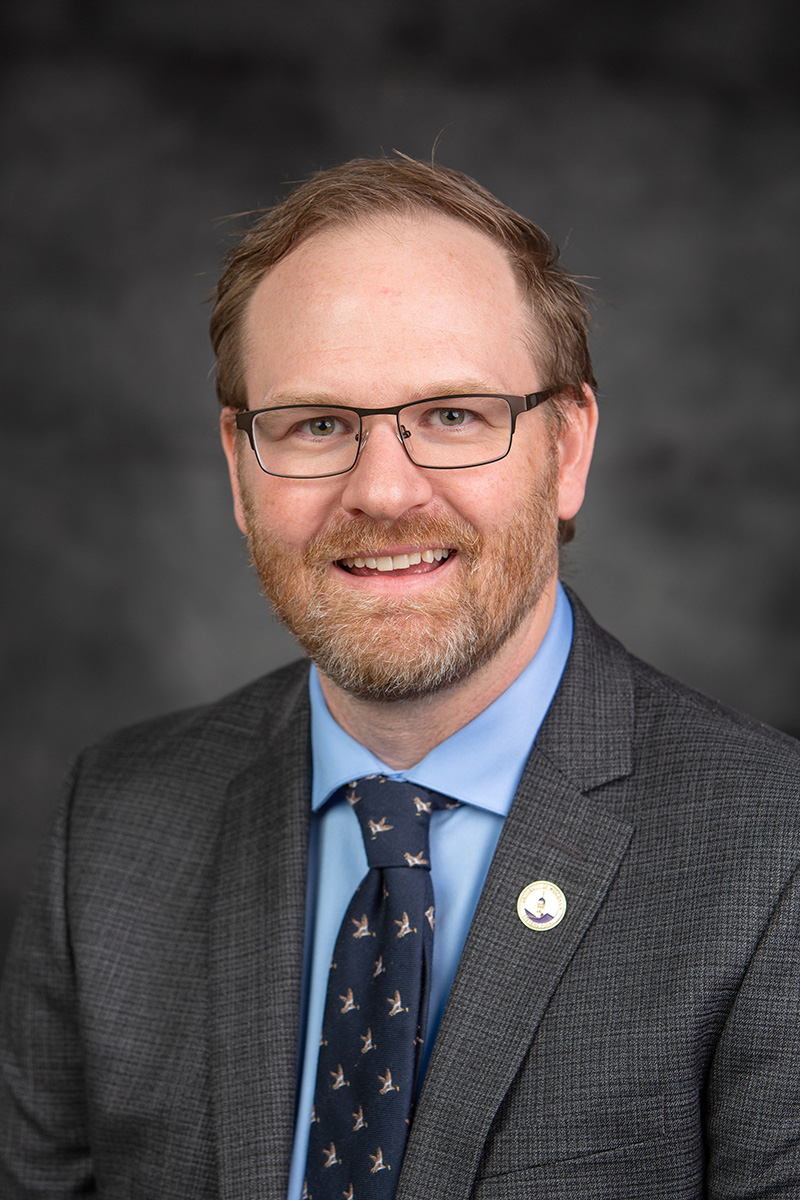
Benjamin Sedinger
- Kennedy-Grohne Chair in Waterfowl and Wetlands Conservation
- Associate Professor of Wildlife

Cady Sartini
- Associate Professor and Coordinator of the Wildlife Disci…
- Principal Investigator for the Stephens Family Foundation…
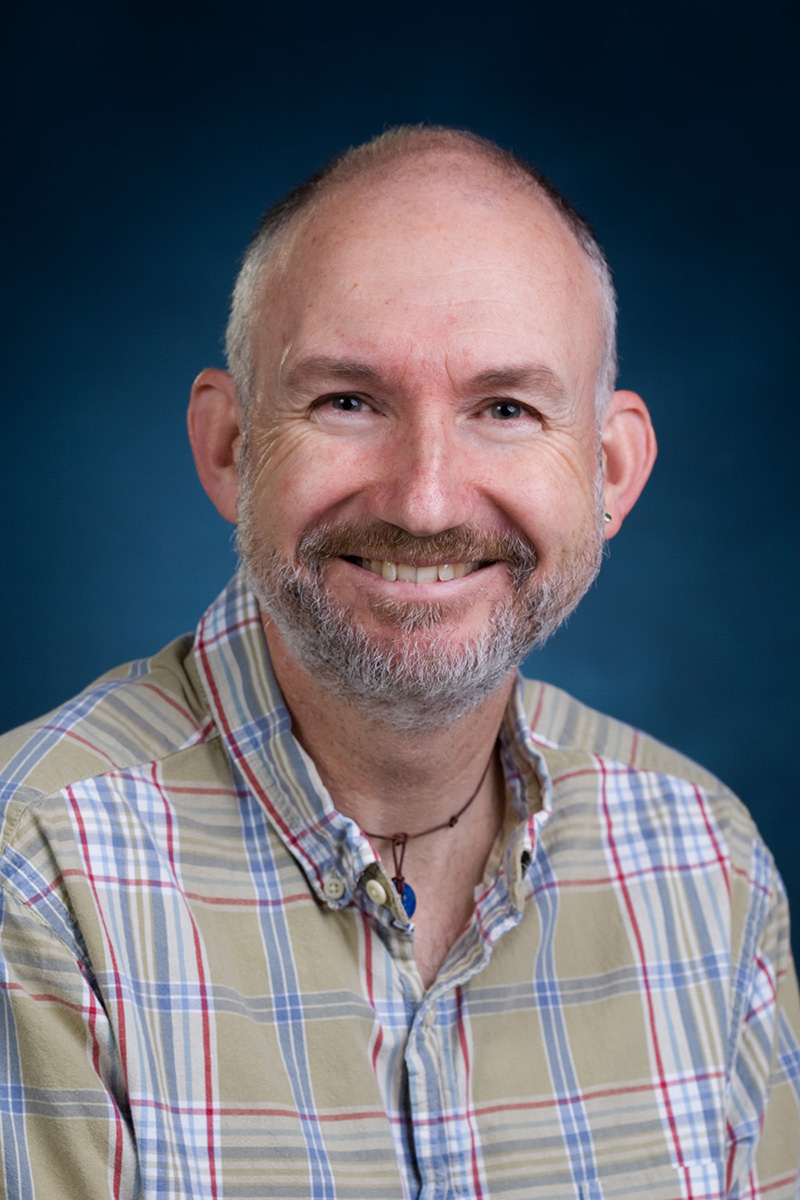
Christopher Yahnke
- Professor of Wildlife
- Curator of Birds and Mammals, UW-Stevens Point Museum of …
- [ More… ]

Jason Riddle
- Douglas R. Stephens Chair in Wildlife and Extension Wildl…
- Wisconsin Center for Wildlife

Marie Perkins
- Associate Professor
- Wildlife
- [ More… ]
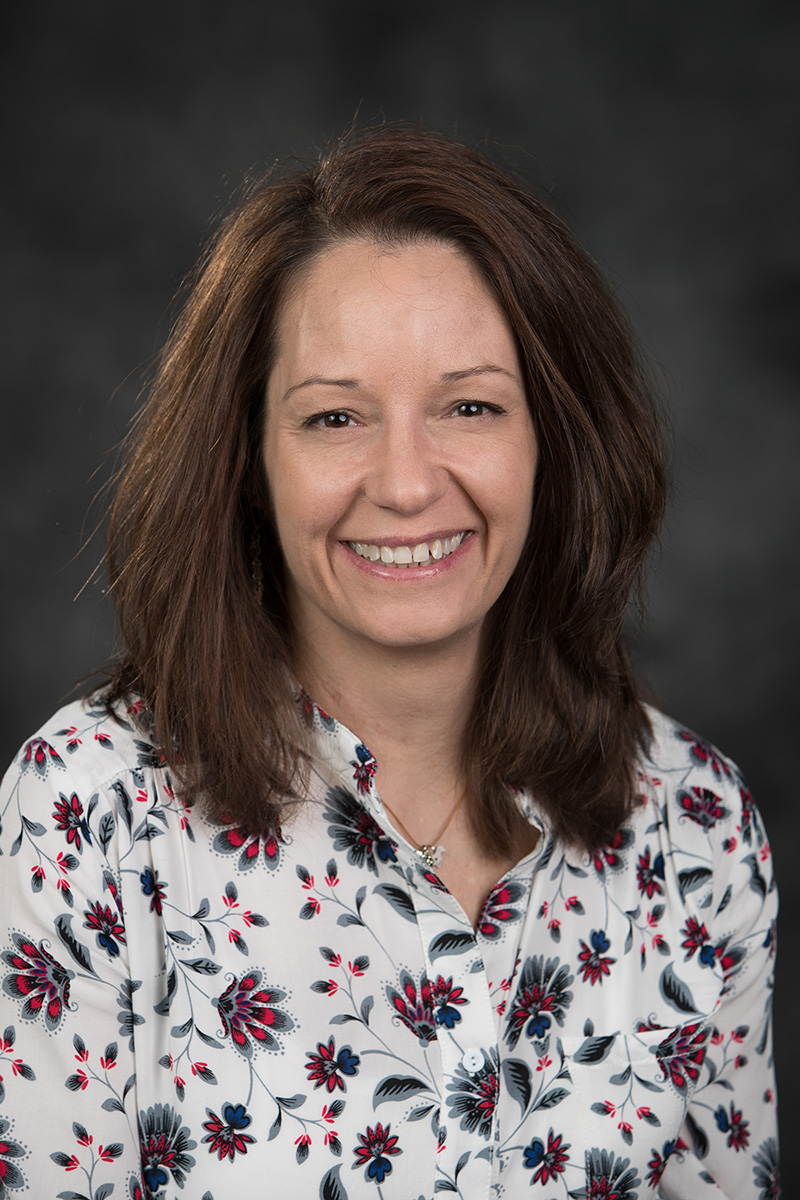
Shelli Dubay
- Professor of Wildlife
- Gerald and Helen Stephens Endowed Professor
- [ More… ]
Wildlife Ecology
At the University of Wisconsin–Stevens Point, the Wildlife Ecology program prepares you to make a meaningful impact on the conservation and management of wildlife and natural ecosystems. Whether you’re interested in conserving habitats, studying animal populations, managing fisheries and forests, or protecting biodiversity, our program provides the knowledge and hands-on experience needed to succeed. You’ll gain practical skills through fieldwork, labs, and research opportunities while building expertise in ecology, biology, conservation science, data analysis, and communication. With a strong foundation in science and resource management, you’ll be ready to address today’s environmental challenges and help shape a sustainable future for wildlife and natural resources.