
We Are So Glad That You Are Here!
Our mission is to engage students, landowners, professionals and the public in sustainable wildlife management through research, education and outreach.
We collaborate with UW–Extension Forestry and Wildlife to host educational outreach activities for private landowners and the public, provide wildlife management trainings, workshops and online resources for professionals, and support the education and career advancement of students.
The Wisconsin Center for Wildlife (WCW) is made up of four fellows, an outreach specialist and student employees.
Explore the Latest and Upcoming Workshops for Students and Professionals
The Wisconsin Center for Wildlife offers a variety of workshops and seminars designed for students, professionals and wildlife enthusiasts. These sessions provide hands-on learning, expert guidance and opportunities to explore current conservation techniques, research findings and best practices. From practical field skills to engaging discussions on wildlife management, WCW’s educational programs help participants deepen their knowledge and actively contribute to wildlife conservation across Wisconsin
2026 Spring Seminar Series
Voices for Conservation in Wisconsin History
The WCW 2026 Spring Seminar Series, “Voices for Conservation in Wisconsin History,” has concluded!
Wisconsin’s conservation legacy was built by many passionate people, each of whom triumphed over challenges to protect our wildlife and our lands. This speaker series features five seminars about the lives and legacies of some of Wisconsin’s most influential voices in land and wildlife conservation. The people featured in this series have triumphed over numerous challenges to conserve our wildlife, lands, water, and more. Come and explore the lasting impacts these inspiring people have had on building Wisconsin’s unique conservation legacy.
Introduction to Raptor Husbandry
We host Introduction to Raptor Husbandry every January. Join falconers and founders of River Valley Raptors Inc., Joe and Abbey Krumrie, in a hands-on introduction to raptor husbandry and falconry. The workshop covers raptor health, care, husbandry, training, housing, and incorporating raptors into environmental education programs. This workshop is open to students and professionals, including zoo personnel, wildlife rehabilitators, individuals interested in falconry, or anyone who works with or plans to work with captive raptors. No previous raptor handling or care experience required.
Get to Know the WCW TEam
Led by dedicated professionals and scholars — endowed faculty (“Fellows”) and passionate staff — the Wisconsin Center for Wildlife (WCW) at UW–Stevens Point champions wildlife education, research and public outreach. Our team brings together expertise across bird conservation, wetlands management and wildlife ecology, supported by meaningful endowments and a shared mission to connect communities with sustainable conservation solutions. Dive deeper below to meet each member and learn more about their unique contributions to advancing wildlife stewardship.
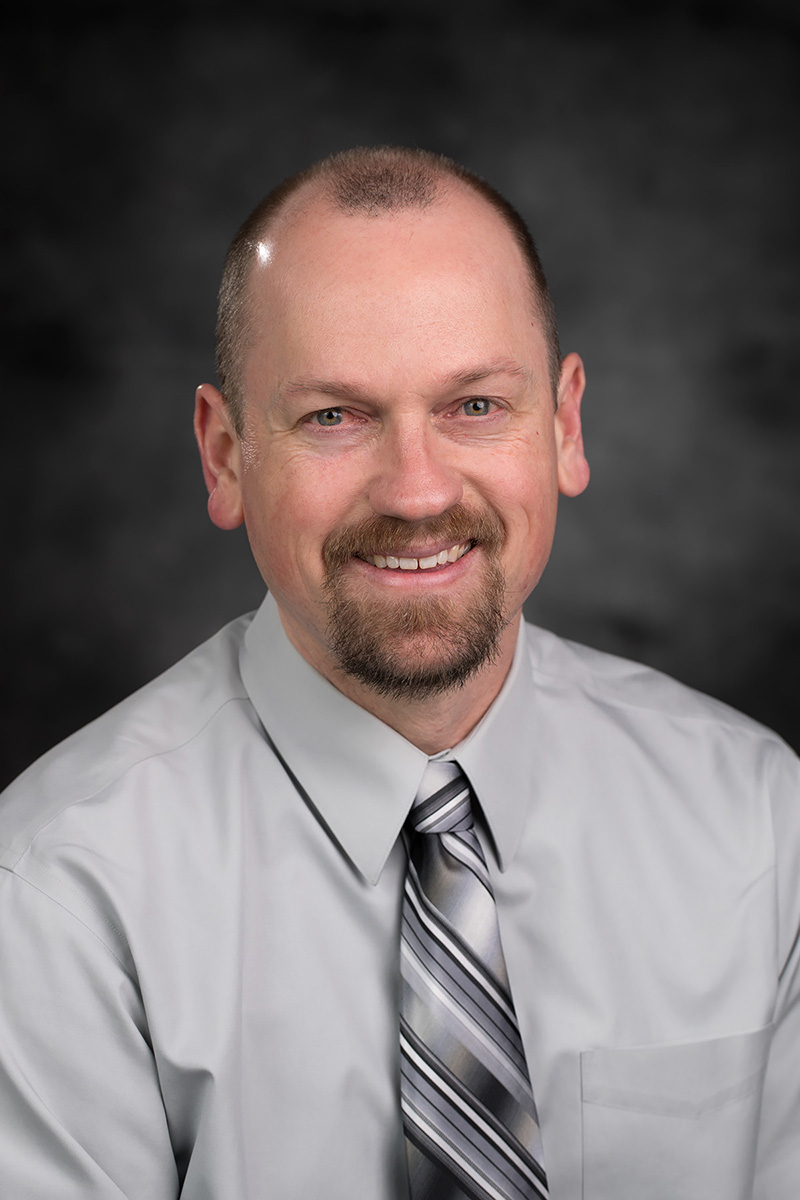
Jason Riddle
- Douglas R. Stephens Chair in Wildlife and Extension Wildl…
- Wisconsin Center for Wildlife
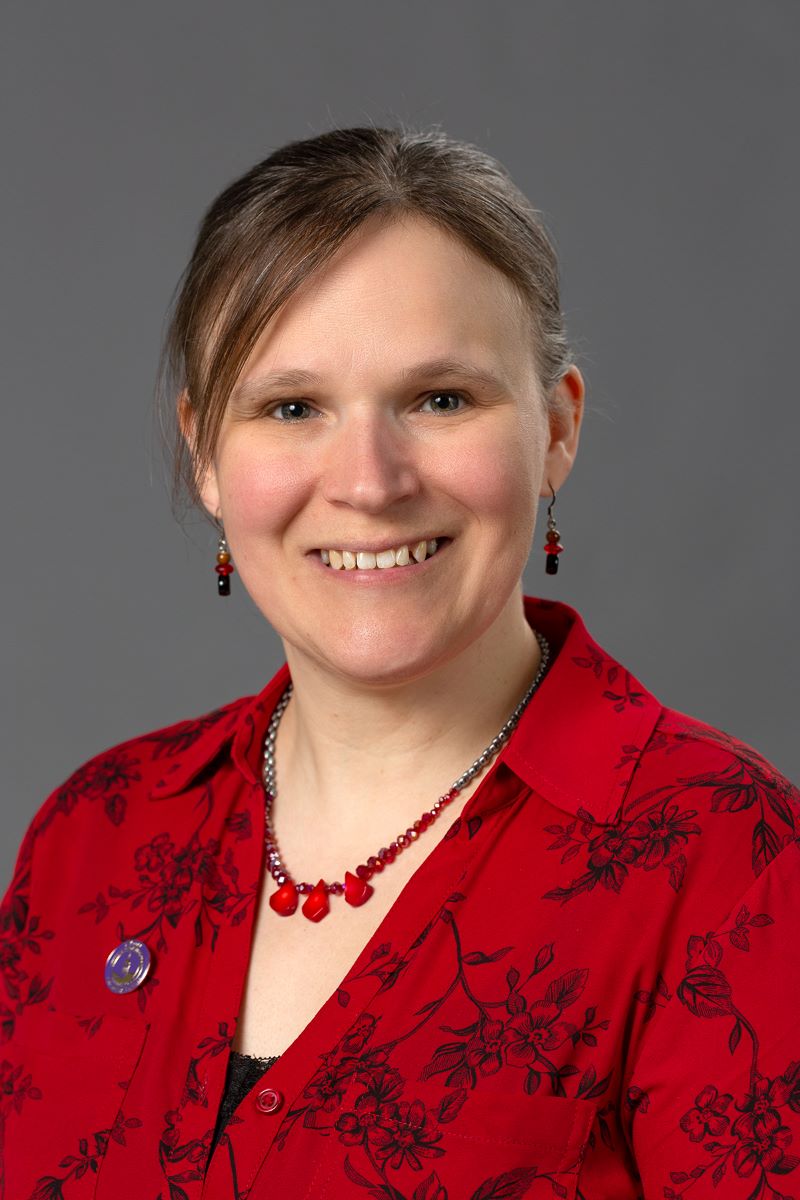
Jennifer Summers
- Program Development Specialist
- Wisconsin Center for Wildlife
- [ More… ]
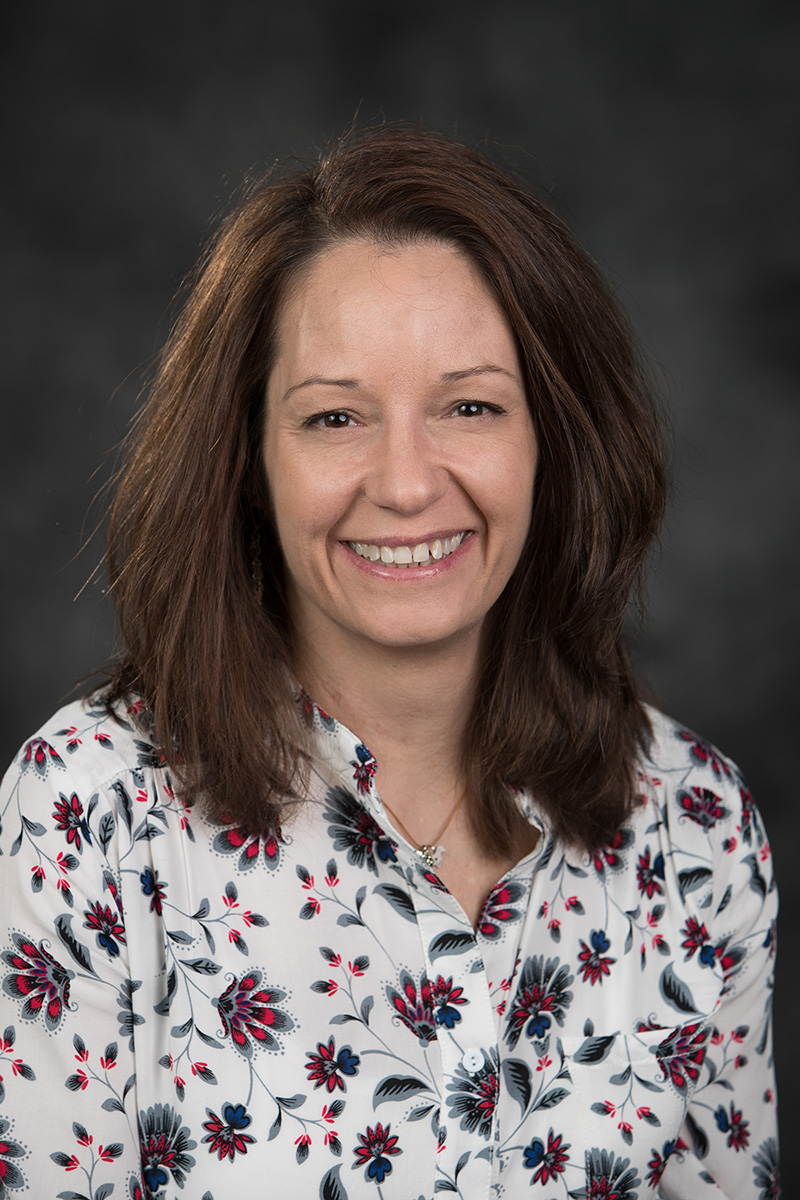
Shelli Dubay
- Professor of Wildlife
- Gerald and Helen Stephens Endowed Professor
- [ More… ]
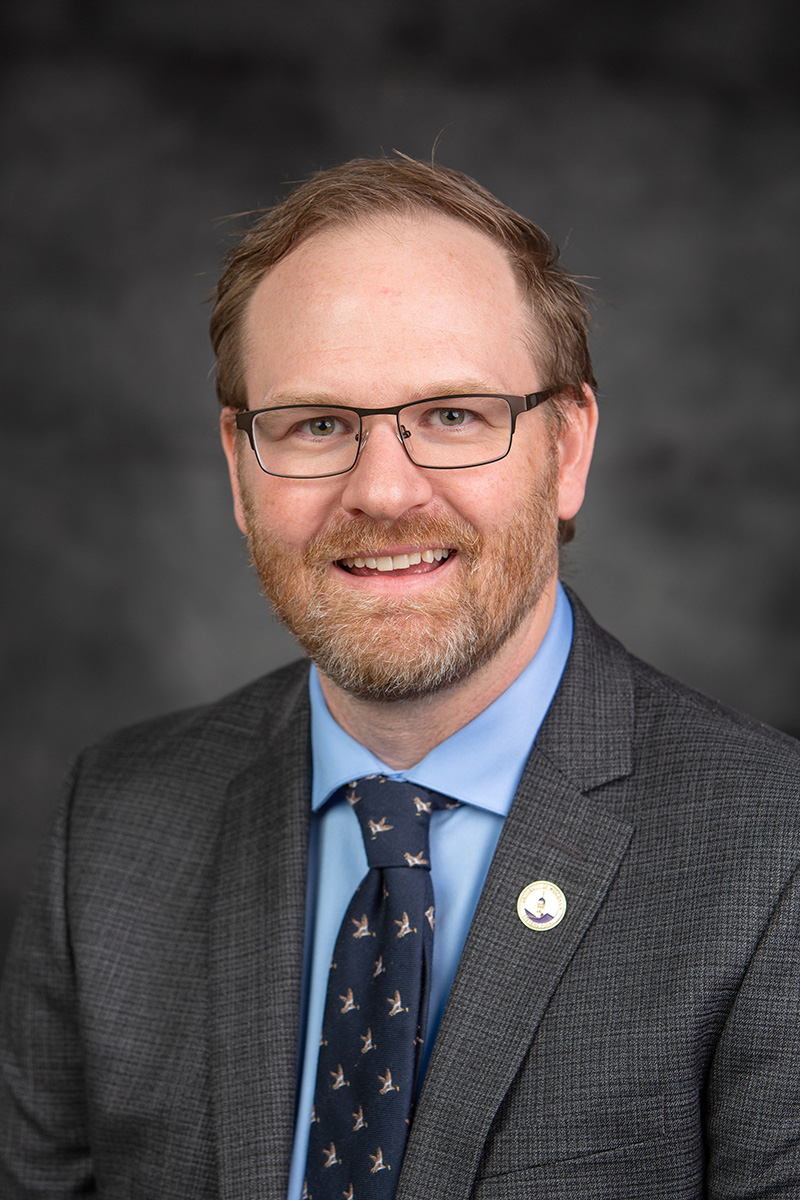
Benjamin Sedinger
- Kennedy-Grohne Chair in Waterfowl and Wetlands Conservation
- Associate Professor of Wildlife

Cady Sartini
- Associate Professor and Coordinator of the Wildlife Disci…
- Principal Investigator for the Stephens Family Foundation…
The WCW is made up of endowed Wildlife Faculty, referred to as “Fellows”, one staff member, and student employees. The Fellows are Jason Riddle, Ph.D., the Douglas R. Stephens Chair in Wildlife, Ben Sedinger, Ph.D., the Kennedy Grohne Chair in Wetlands and Waterfowl Conservation, Shelli Dubay, Ph.D. the Gerald and Helen Stephens Professor of Wildlife, and Cady Sartini, Ph.D., the Principal Investigator of the Stephens Family Foundation Wisconsin Black Bear Research Project.