International Studies

GET GLOBAL PERSPECTIVE WITH A UW-STEVENS POINT DEGREE IN INTERNATIONAL STUDIES

Whether as a standalone major or in combination with other majors/minors, an International Studies degree can prepare you to make your mark in an increasingly globalized world. As a truly interdisciplinary field, the program draws upon work in related disciplines, such as History, Foreign Languages, Political Science, Business, Economics, and English, and encourages students to think about international issues from a variety of perspectives.

Our program helps students develop intercultural knowledge and enhance their employability. Within a year of graduation, 88 percent of our students are employed or enrolled in graduate school. The world is globalizing, keep up with it with a major in International Studies at UW-Stevens Point.

Department of History and International Studies

Why Study International Studies at UW-Stevens Point?

International Studies at UWSP gives students the chance to make their education global in scope, while developing intercultural knowledge and skills that enhance their employability. Whether as a standalone major or in combination with other majors/minors, International Studies can prepare you to make your mark in an increasingly globalized world. Many of our students participate in semester abroad programs and international internships.

Student Research Experience

The Department of History and International Studies frequently sponsors student participation in the College of Letters and Science Undergraduate Research Symposium and faculty-led research opportunities with collaboration on projects and publications through the College of Letters and Science Undergraduate Education Initiative.  


Scholarships and Awards

High-achieving students in the International Studies program are eligible for many significant awards and scholarships thanks to generous support from our alumni, friends, and corporate partners. Recent grads have secured competitive post-graduate funding including Fulbright Fellowships, Japan Exchange Teaching positions, and Rotary Foundation Global Grants.


Study Abroad in 25+ Countries

UWSP features one of the longest-standing and robust study abroad programs in the state of Wisconsin, with experiences in more than 25 countries. Many students pursue international internship experiences for credit. UWSP partners with global organizations such as the Anglo Educational Services office in London to secure meaningful internships for students abroad. International Studies majors and minors have worked as interns for the Westminster Archives, British Parliament, World Health Organization, World Bank, and the U.S. State Department. Additionally, students may also intern for local organizations with an international reach including the Wisconsin Nicaragua Partners, the Rotary Club, and the United Way Worldwide.


WHAT TO EXPECT

The International Studies BA provides a strong foundation for professional careers and graduate studies in global education, foreign service, international law, global business, international nonprofit work, and many other fields. The shared methods courses include activities for students to explore career options, enhance their professional resumé, and overall discover their purpose.

Foundational courses allow students
• to engage with concepts of global citizenship and world languages
• to gain international historical perspectives
• to study global political affairs, sustainability, and world religions

The program encourages study abroad experiences including international internships, presenting original research at local conferences, and extracurricular participation in international student organizations.

Recent graduates continue to make a life, a living, and a difference as directors of study abroad offices at major institutions, leaders in international non-profit organizations, lawyers and foreign service officers, and project managers for multi-national corporations located in Central Wisconsin and beyond.

GET INVOLVED ON CAMPUS

International Studies students often serve as officers or active members in organizations such as the International Club, Japan Language and Culture Club, Spanish Club, German Club, Hmong and Southeast Asian American Club, United Nations, and others.

Students may participate in activities such as the United Nations Student Organization, or pursue international internships or other semester abroad opportunities.

More opportunities can be found on the Stevens Point Involvement Network (SPIN).

MEET YOUR FACULTY

The department offers small classes taught by a dedicated faculty, and a lot of individual attention and advising. Representing diverse disciplinary and regional backgrounds, our faculty boast an impressive record of competitive grants for research and teaching.

Archives: Faculty / Staff Profiles – Faculty / Staff Directory
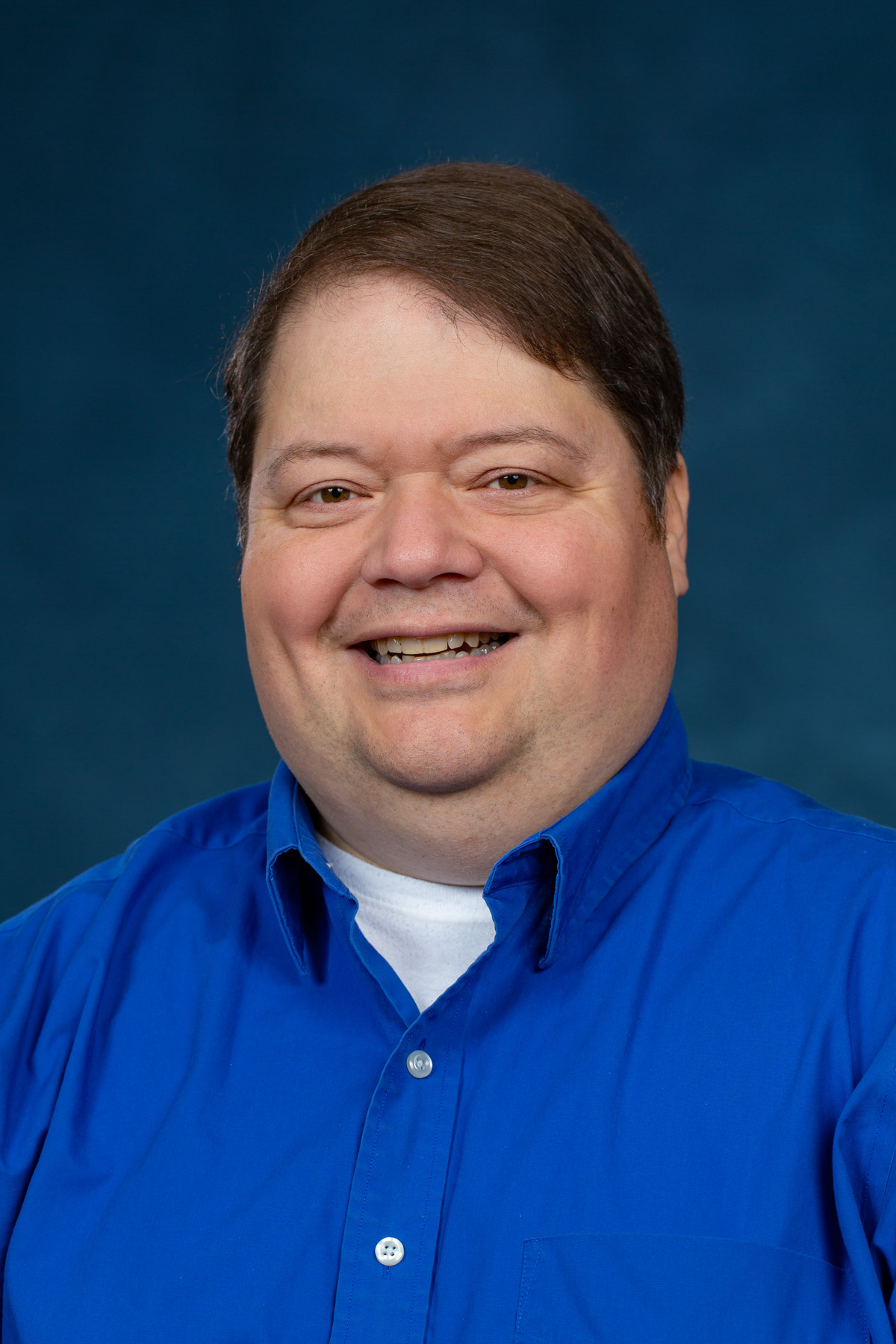
Profile Photo: Brett Barker

Brett Barker

  • Professor of History
  • Chair, Department of History and International Studies
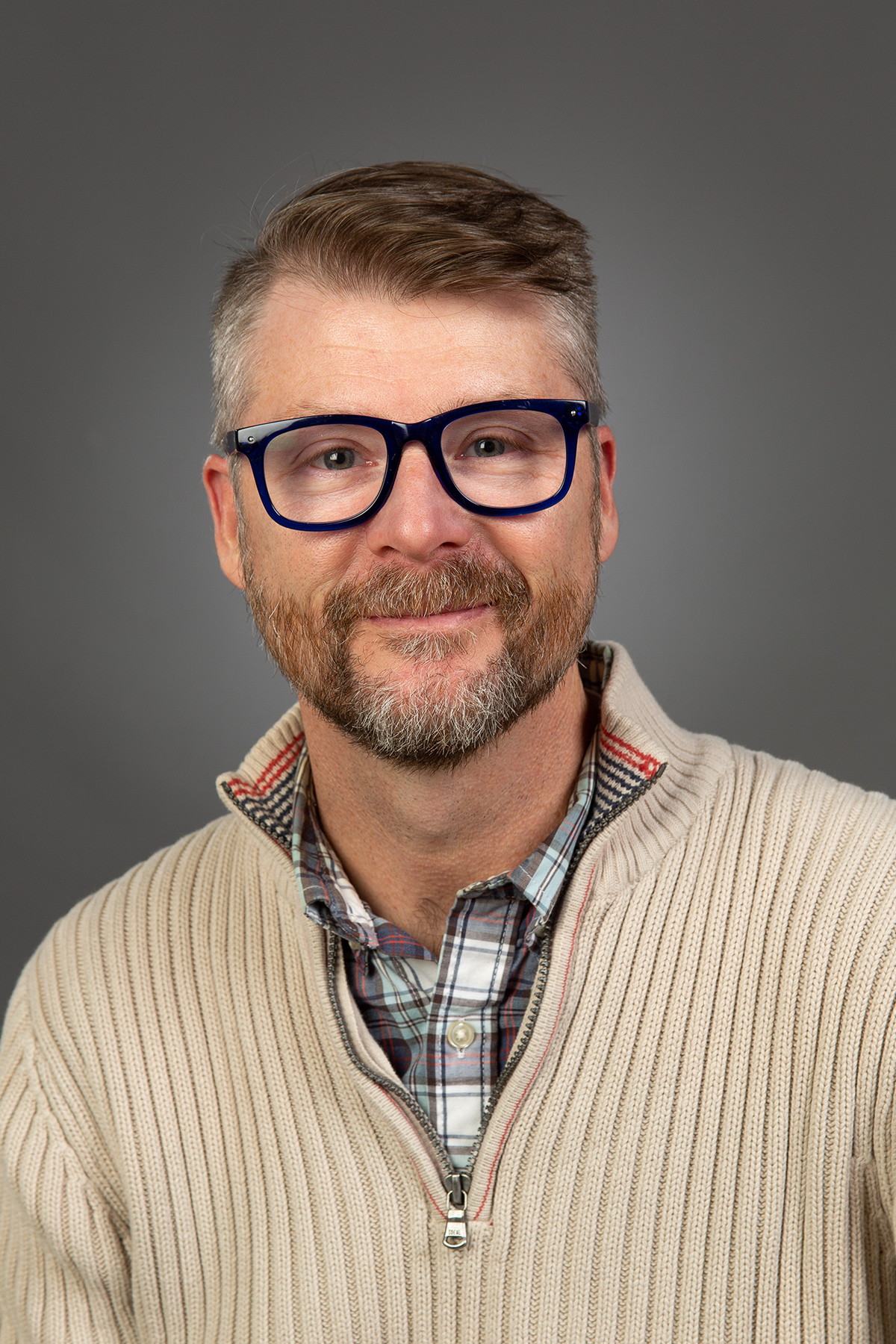
Profile Photo: E Jerry Jessee

E Jerry Jessee

  • Professor
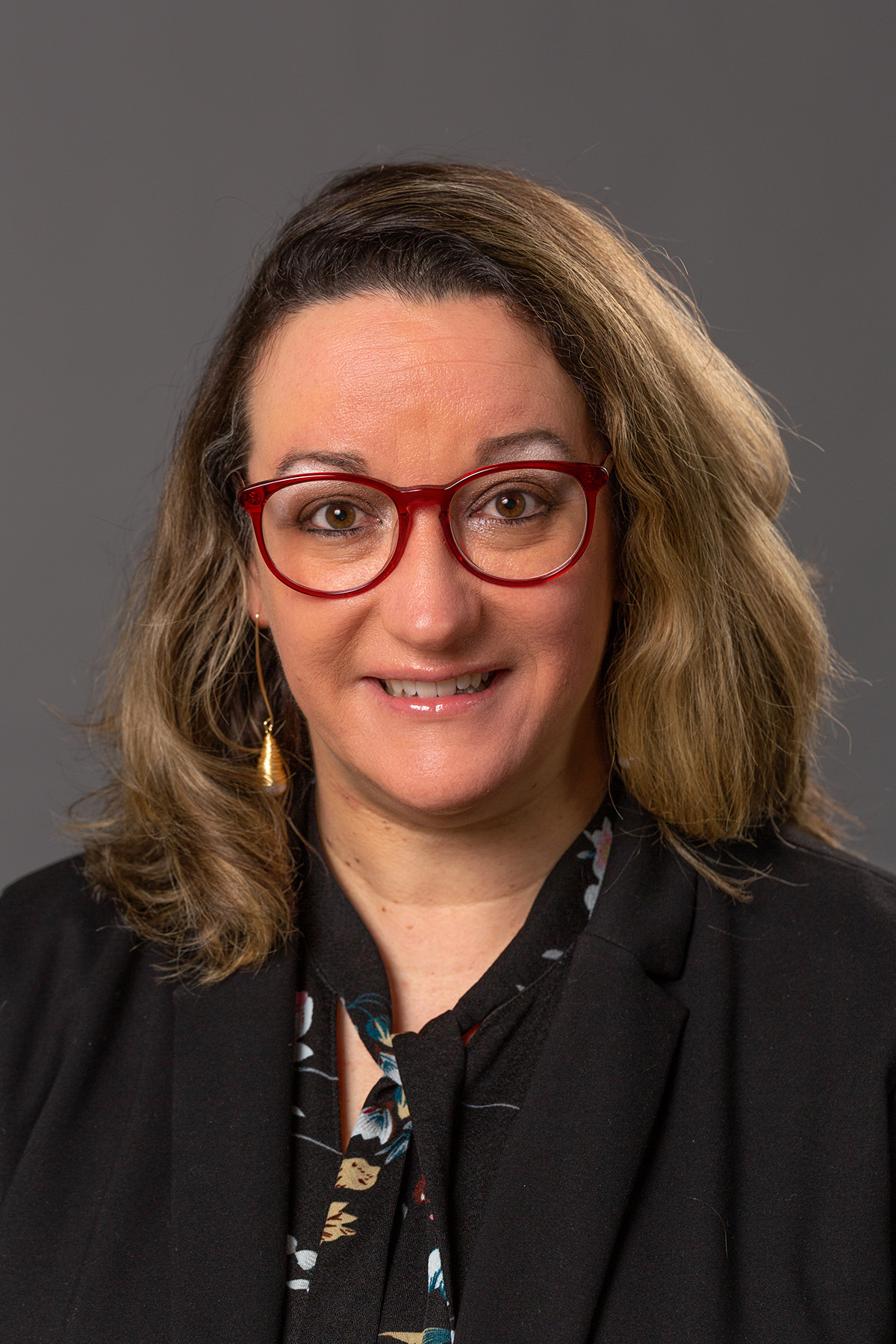
Profile Photo: Valerie Barske

Valerie Barske

  • Professor
  • Coordinator, International Studies and Peace Studies

History

YOUR HISTORY DEGREE AT UW-STEVENS POINT GIVES YOU RESEARCH AND ANALYSIS SKILLS FOR A BRIGHT FUTURE

History and social studies education, offered through the Department of History and International Studies at UW-Stevens Point, is an undergraduate program that focuses on the knowledge, skills and dispositions needed to teach social studies in middle and high school. Successful candidates in the program earn a bachelor’s degree and Wisconsin teaching license in social studies grades 4-12.
In addition to specific general education coursework, students complete a variety of courses that provide opportunities to develop the knowledge and skills needed to be successful certified social studies teachers. Students complete a rigorous social science and history curriculum. Additionally, students complete coursework designed to give them hands-on, practical experience in the application of social science concepts. Practicum experiences allow students to observe and teach actual students from the community to prepare for an eventual career in history and social studies education.

For marketability purposes, students interested in teaching any area of social studies are required to complete a major in history and social studies education.

Department of History and International Studies

Why study History at UW-Stevens Point?

The history program at the University of Wisconsin-Stevens Point is designed for students preparing to teach and for those interested in such fields as law and library science. The department requires students to take coursework in U.S., world regional, and global/comparative history. Many of our students also participate in semester abroad programs and international internships.


Student Research Experience

The Department of History and International Studies frequently sponsors student participation in the College of Letters and Science Undergraduate Research Symposium and faculty-led research opportunities with collaboration on projects and publications through the College of Letters and Science Undergraduate Education Initiative.


Scholarships and Awards

The Department of History and International Studies recognizes outstanding students at the annual Humanities and Global Studies Spring Awards Ceremony. In 2026, a total of $42,200 was awarded thanks to our generous donors and endowed scholarships.


WHAT TO EXPECT

The UW-Stevens Point history program equips students to be global citizens who will succeed in a world where people and nations are interdependent, societies are diverse, and life is shaped by science and technology. By exploring institutions, ideas, and values of human societies, students learn essential skills in research, writing, and analysis.

The public internship requirement connects students with local historical societies and their ongoing research and programming.

Many history majors or minors find employment in teaching, but some seek jobs in government. With a few courses in business and economics, students graduating with a history degree can enter the business world, and history is one of the traditional majors for professional study in law, theology, and library science.

GET INVOLVED ON CAMPUS

History Club is a student led organization that organizes discussions, film viewings and trips to museums and historical sites for students interested in the discipline.

More student group opportunities can be found on the Stevens Point Involvement Network (SPIN).

MEET YOUR FACULTY

Faculty members in the department cover world history and bring a broad range of specializations to course offerings. Unique courses include: U.S. and global environmental history, the history of science, the history of medicine, public history, the history of the Middle East and the wider Islamic World, the history of the American Midwest, the history of Russia and the Soviet Union, and East Asian history. Meet your professors!

Archives: Faculty / Staff Profiles – Faculty / Staff Directory

Profile Photo: Brett Barker

Brett Barker

  • Professor of History
  • Chair, Department of History and International Studies
Profile Photo: E Jerry Jessee

E Jerry Jessee

  • Professor
Profile Photo: Valerie Barske

Valerie Barske

  • Professor
  • Coordinator, International Studies and Peace Studies
Environmental Justice

The Environmental Justice certificate examines the paired problems of social inequality and environmental pollution. Students take one core course, History 279 Environmental Justice, that provides historical context. Further courses deepen the investigation with perspectives from the humanities and social sciences. In completing courses for the certificate, students also satisfy several General Education requirements.

The 12-credit program is an interdisciplinary certificate administered by the Department of History and International Studies.

For more information, view course catalog. Search by the name of this program, and filter by semester.  

For advising questions contact:

Neil Prendergast
Associate Professor, History and International Studies
neil.prendergast@uwsp.edu

Native American and Indigenous Studies

The Native American and Indigenous Studies certificate prepares students to work effectively with sovereign Indigenous nations in career paths such as law, government, education, health care, resource management, journalism, and many others. Program consists of 9-12 credits, including 3 credits at the 300-level or above.

With a completed certificate students will be able to:

  • Describe diverse examples of indigenous experiences, histories, and cultural traditions.
  • Explain key concepts in Native American and Indigenous Studies, including tribal sovereignty, oral tradition, and decolonization.
  • Apply their knowledge of Native American and Indigenous Studies to their work with indigenous people and organizations.

The certificate requirements balance traditional academic coursework with applied, experiential, and/or service learning. Students choose from a practicum experience, a special work project, or an internship with a Native people or Native organization.

Core Classes:
Choose 6-9 credits representing at least two different disciplines:
ENGL 280 – American Indian Literature
ENGL 382 – Ethnic Literature of the United States
ENGL 386 – Major Authors of Ethnic Literature
HIST 292 – Native American History
HIST 393 – Wisconsin Indians
PHIL 381 – American Indian Environmental Philosophies

Additional 3 Credit Courses:
Choose to apply up to 3 credits to the certificate requirements from:
HIST 285 – Women in American History
HIST 288 – Race and Ethnicity in American History
NRES 150 – People, Resources and the Biosphere
POLI 315 – Minority Group Politics
POLI 330 – Constitutional Law
POLI 375 – Latin American Politics
SOC 270 – Race and Ethnicity
SOC 343 – Cultural Perspectives of Family
SW 365 – Social Work Practice with Diverse Populations

Applied Learning:
Choose up to 3 credits from:
NAIS 199 – Practicum
NAIS 399 – Special Work
NAIS 499 – Internship
(1-12 credits, may be repeated for credit)

12-credit program is an interdisciplinary certificate administered by the Department of History and International Studies. For more information, view course catalog. Search by the name of this program and filter by semester.  

Environmental Studies Minor

This is an interdisciplinary 21-credit minor administered by the Department of History and International Studies. Environmental Studies is a multidisciplinary approach to studying the relationships between people and their environments. The minor is one of the longest-running Environmental Studies programs in the nation. You begin with foundational courses in environmental justice, environmental ethics, and sustainability, and then complete additional coursework in each of these areas.

For more information, visit the Course Catalog, search by the name of this program, and filter by semester.  

For advising questions contact:
Neil Prendergast, Associate Professor History and International Studies
nprender@uwsp.edu

History and Social Studies Education

GET READY TO INSPIRE WITH YOUR TEACHING DEGREE FROM UW-STEVENS POINT

History and social studies education, offered through the Department of History and International Studies at UW-Stevens Point, is an undergraduate program that focuses on the knowledge, skills and dispositions needed to teach social studies in middle and high school. Successful candidates in the program earn a bachelor’s degree and Wisconsin teaching license in social studies grades 4-12.

In addition to specific general education coursework, students complete a variety of courses that provide opportunities to develop the knowledge and skills needed to be successful certified social studies teachers. Students complete a rigorous social science and history curriculum. Additionally, students complete coursework designed to give them hands-on, practical experience in the application of social science concepts. Practicum experiences allow students to observe and teach actual students from the community to prepare for an eventual career in history and social studies education.

For marketability purposes, students interested in teaching any area of social studies are required to complete a major in history and social studies education.

Department of History and International Studies

Why study History and Social Studies Education at UW-Stevens Point?

Praised for its program outcomes, graduation and retention rates, advising services, student organization opportunities and vast program options, UW-Stevens Point was ranked second in the U.S. on Study.com’s Best Colleges for Education Majors list. More than 80 percent of our recent social studies education graduates have been hired within one year of graduation.


Field Experiences

The responsibility of the Office of Field Experiences is to provide quality field experiences for students enrolled in the teacher education program at UW-Stevens Point. These experiences, such as student teaching, involve our students and instructors in practical activities with cooperating teachers and administrators in actual schools and educational agencies.


Scholarships and Awards

The Department of History and International Studies recognizes outstanding students at the annual Humanities and Global Studies Spring Awards Ceremony. In 2026, a total of $42,200 was awarded thanks to our generous donors and endowed scholarships.

 
Meet our Teaching Alum!

Hired Before Graduation

History and Social Studies Education

From student teachers to teaching professionals. Our teacher candidates are able to refine their knowledge and skills under the guidance of our faculty who have dedicated their careers to education!


WHAT TO EXPECT

Our program provides students with frequent opportunities for hands-on learning in middle school and high school classrooms. This includes practicum experiences working with school-aged children early and often throughout the program.

Student teaching is the culminating experience in the teacher candidate’s academic program of study at UW-Stevens Point. It provides an opportunity for teacher candidates to practice and refine their knowledge and skills under the supervision and guidance of cooperating teachers and our own faculty who have dedicated their careers to education and a lifetime of student learning.

UW-Stevens Point graduates in the School of Education typically have some of the highest placement rates of full-time teaching jobs within their first year after graduation across the UW System.​ See where our graduates are working on our alumni map.

GET INVOLVED ON CAMPUS

Through volunteer opportunities and varied professional development opportunities, you’ll be an active learner closely involved in real-world situations designed to ensure your professional success.

Our students are academically engaged, highly motivated and actively involved at the local, state, national and international levels. Student organizations are vital to your pre-professional experiences. As such, the School of Education sponsors the following organizations: Aspiring Educators, Association for the Education of Young Children, Kappa Delta Pi, and Student Council for Exceptional Children. In addition, many social science education students also participate in the History Club.

You may be lucky enough to work with one of the Neale Fellows, select teachers whose projects make a difference at their schools and who work jointly with faculty teaching your classes.

More student group opportunities can be found on the Stevens Point Involvement Network (SPIN).

MEET YOUR FACULTY

Faculty and staff from the School of Education and Department of History are caring, involved and committed to student success. They are dynamically responsive to the changes happening in education and offer outstanding support to our students’ professional preparation.

Archives: Faculty / Staff Profiles – Faculty / Staff Directory

Profile Photo: Brett Barker

Brett Barker

  • Professor of History
  • Chair, Department of History and International Studies
Profile Photo: E Jerry Jessee

E Jerry Jessee

  • Professor
Profile Photo: Jeff Leigh

Jeff Leigh

  • Professor
  • Multicultural Resource Center adviser, UW-Stevens Point a…

History

A history minor enhances the teaching possibilities for students majoring in other social science fields, in international studies, or in world languages.

The History Minor consists of a minimum of 21 credits:

12 credits from 100- and 200-level history courses distributed according to the following guidelines:

  • At least 3 credits from Global or Comparative history courses (101, 102, 201-215).
  • At least 3 credits from Regional history courses (216-275).

9 credits from 300-level history courses.
For more information visit the UW-Stevens Point course catalog.

History Minor for Teacher Certification

The History Minor for Teacher Certification (Grades 1-9) consists of a minimum of 24 credits

12 credits from 100- and 200-level history courses distributed according to the following guidelines:

  • At least 3 credits from Global or Comparative history courses (101, 102, 201-215).
  • At least 3 credits from Regional history courses (216-275).

3 credits from History 300.

9 credits from 300-level history courses distributed according to the following guidelines:

  • At least 3 credits from 300-level Global or Comparative history courses (301-315).
  • At least 3 credits from 300-level Regional history courses (316-375).
  • At least 3 credits from 300-level U.S. history courses (376-395).

*To meet DPI requirements for a History Minor with Teacher Certification in elementary or secondary education, you should take, as part of the 24 required credits, at least 6 credits in European history; 3 credits survey, 3 credits advanced level, and in different periods of history.

International Studies

International Studies at UW-Stevens Point gives students the chance to add a global dimension to their education while enhancing their employability. An INTL major/minor is particularly effective in combination with other majors. It combines naturally with majors such as Business, Economics, English, Foreign Languages, History, and Political Science. Other majors, from Anthropology to Zoology can also benefit by being coupled with International Studies. INTL students are strongly encouraged to maintain a major in a traditional discipline.

The INTL major/minor provides a superb background for anyone wishing to pursue a career in international relations or other branches of governmental work. It also provides a solid base for graduate study and for professional careers in fields with international components in business, law, health, natural resource development, the environment, and others.

Many of our students also participate in semester abroad programs and international internships. For more information, please contact the Office of International Programs.

For more information, visit the International Studies page in the UW-Stevens Point Course Catalog, search by the name of this program, and filter by semester.  

Museum Studies

Museum Studies is a broad field that encompasses curating exhibitions, managing cultural sites, caring for collections, and more. The Museum Studies minor prepares students for careers as museum technicians and curators.

UW-Stevens Point provides students with hands-on experiences working with collections from vast disciplines. Students taking the minor will gain both theoretical knowledge of the current issues facing museums as well as practical skills for working in museum settings. Students will learn best practices while cultivating their own interests for future career paths.

Work on projects across campus, including in these areas:

Why Study Museum Studies at UW-Stevens Point?

A background in museum studies complements areas such as cultural resources, biology, arts management, history, education, geology, natural resources, business or nonprofit management, grant writing, visual arts, and interior architecture, among many others. We value applied learning applications. You may choose a track in natural history, public history or the visual arts. And, students need not be history majors to take the minor. Open to students from all colleges and majors!


The Museum Studies minor includes courses from 12 different departments ranging from history and biology to business and arts management. Students choose tracks in public history, natural history, or the visual arts, with opportunities to take courses outside of their direct fields. This multidisciplinary approach exposes students to the wide array of potential careers within museums and related institutions. 

The culmination of the minor is a practicum where students apply their skills in a museum setting. Students participate in opportunities such as curating an exhibition, managing collections, producing a documentary, or creating educational programming.

For more information visit the UW-Stevens Point course catalog.

Race and Ethnicity

This minor provides a multi-disciplinary approach to race and ethnicity in the United States in which you gain skills and perspectives critical to thriving in diverse communities and workplaces. The minor includes many categories of the General Education Program, allowing you to pursue a distinct race and ethnicity track within the GEP.

Consists of 24 credits. For more information visit the UW-Stevens Point course catalog.