International Studies

GET GLOBAL PERSPECTIVE WITH A UW-STEVENS POINT DEGREE IN INTERNATIONAL STUDIES

Whether as a standalone major or in combination with other majors/minors, an International Studies degree can prepare you to make your mark in an increasingly globalized world. As a truly interdisciplinary field, the program draws upon work in related disciplines, such as History, Foreign Languages, Political Science, Business, Economics, and English, and encourages students to think about international issues from a variety of perspectives.

Our program helps students develop intercultural knowledge and enhance their employability. Within a year of graduation, 88 percent of our students are employed or enrolled in graduate school. The world is globalizing, keep up with it with a major in International Studies at UW-Stevens Point.

Department of History and International Studies

Why Study International Studies at UW-Stevens Point?

International Studies at UWSP gives students the chance to make their education global in scope, while developing intercultural knowledge and skills that enhance their employability. Whether as a standalone major or in combination with other majors/minors, International Studies can prepare you to make your mark in an increasingly globalized world. Many of our students participate in semester abroad programs and international internships.

Student Research Experience

The Department of History and International Studies frequently sponsors student participation in the College of Letters and Science Undergraduate Research Symposium and faculty-led research opportunities with collaboration on projects and publications through the College of Letters and Science Undergraduate Education Initiative.  


Scholarships and Awards

High-achieving students in the International Studies program are eligible for many significant awards and scholarships thanks to generous support from our alumni, friends, and corporate partners. Recent grads have secured competitive post-graduate funding including Fulbright Fellowships, Japan Exchange Teaching positions, and Rotary Foundation Global Grants.


Study Abroad in 25+ Countries

UWSP features one of the longest-standing and robust study abroad programs in the state of Wisconsin, with experiences in more than 25 countries. Many students pursue international internship experiences for credit. UWSP partners with global organizations such as the Anglo Educational Services office in London to secure meaningful internships for students abroad. International Studies majors and minors have worked as interns for the Westminster Archives, British Parliament, World Health Organization, World Bank, and the U.S. State Department. Additionally, students may also intern for local organizations with an international reach including the Wisconsin Nicaragua Partners, the Rotary Club, and the United Way Worldwide.


WHAT TO EXPECT

The International Studies BA provides a strong foundation for professional careers and graduate studies in global education, foreign service, international law, global business, international nonprofit work, and many other fields. The shared methods courses include activities for students to explore career options, enhance their professional resumé, and overall discover their purpose.

Foundational courses allow students
• to engage with concepts of global citizenship and world languages
• to gain international historical perspectives
• to study global political affairs, sustainability, and world religions

The program encourages study abroad experiences including international internships, presenting original research at local conferences, and extracurricular participation in international student organizations.

Recent graduates continue to make a life, a living, and a difference as directors of study abroad offices at major institutions, leaders in international non-profit organizations, lawyers and foreign service officers, and project managers for multi-national corporations located in Central Wisconsin and beyond.

GET INVOLVED ON CAMPUS

International Studies students often serve as officers or active members in organizations such as the International Club, Japan Language and Culture Club, Spanish Club, German Club, Hmong and Southeast Asian American Club, United Nations, and others.

Students may participate in activities such as the United Nations Student Organization, or pursue international internships or other semester abroad opportunities.

More opportunities can be found on the Stevens Point Involvement Network (SPIN).

MEET YOUR FACULTY

The department offers small classes taught by a dedicated faculty, and a lot of individual attention and advising. Representing diverse disciplinary and regional backgrounds, our faculty boast an impressive record of competitive grants for research and teaching.

Archives: Faculty / Staff Profiles – Faculty / Staff Directory
Profile Photo: Brett Barker

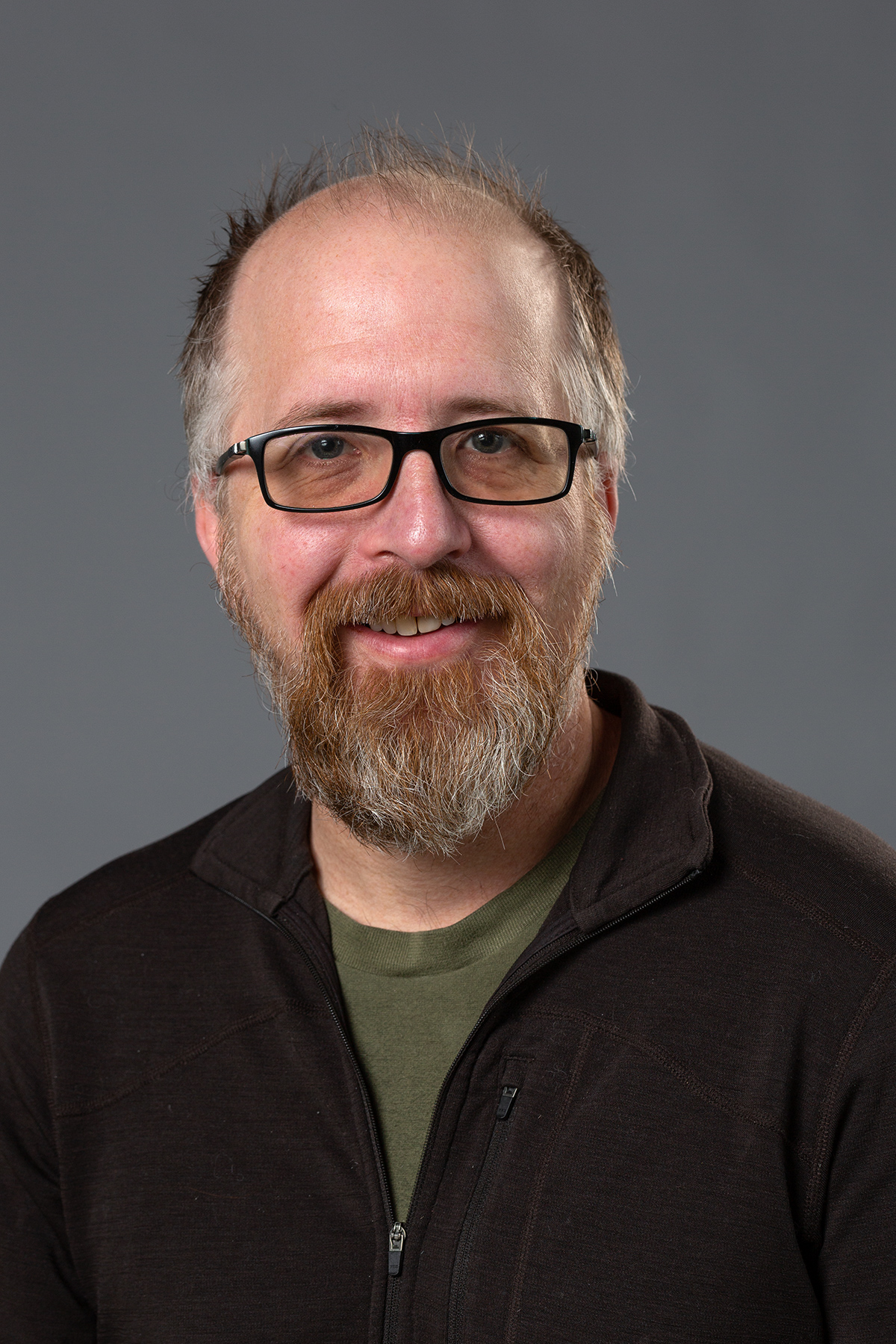
Brett Barker

  • Professor of History
  • Chair, Department of History and International Studies
Profile Photo: E Jerry Jessee

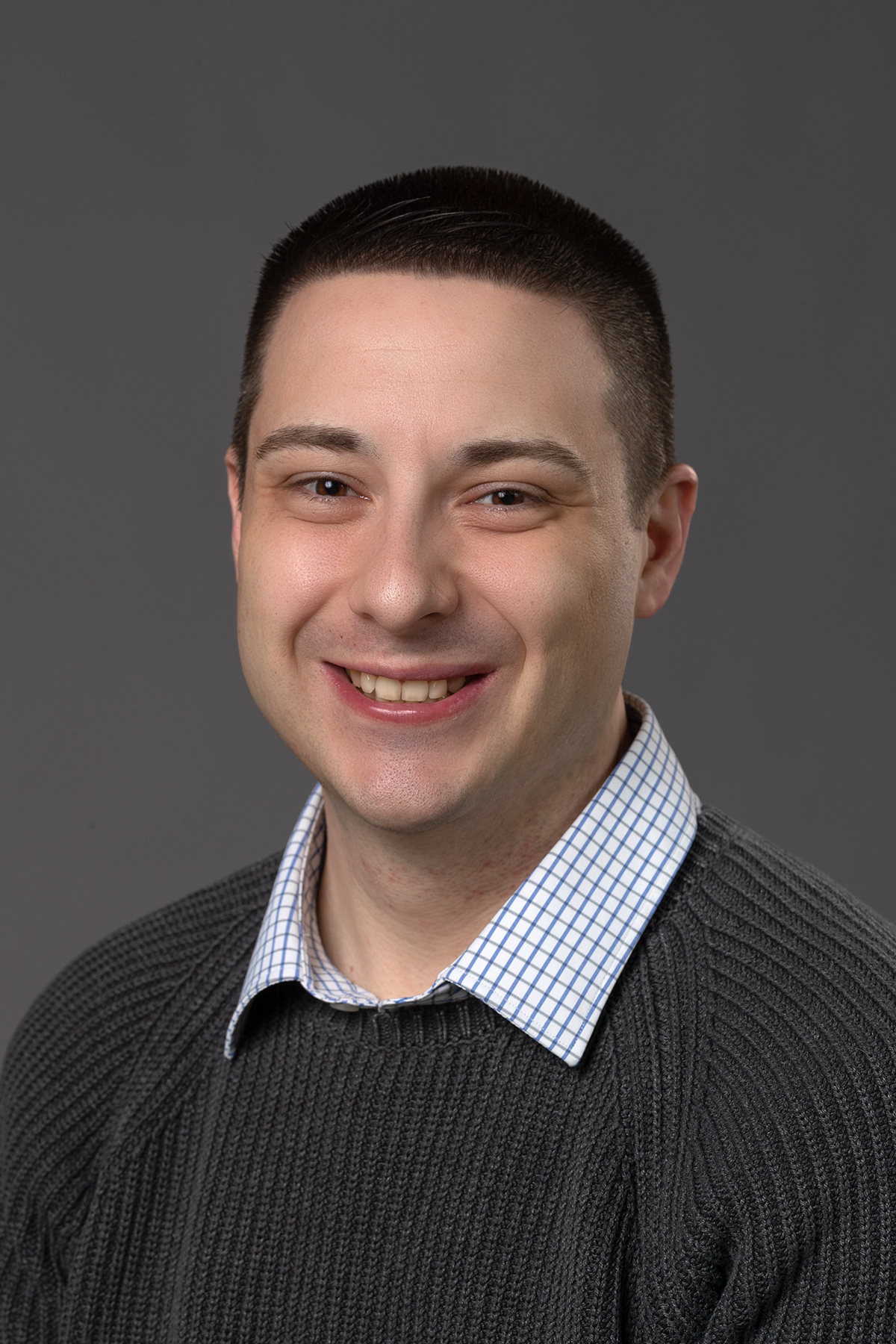
E Jerry Jessee

  • Professor
Profile Photo: Valerie Barske

Valerie Barske

  • Professor
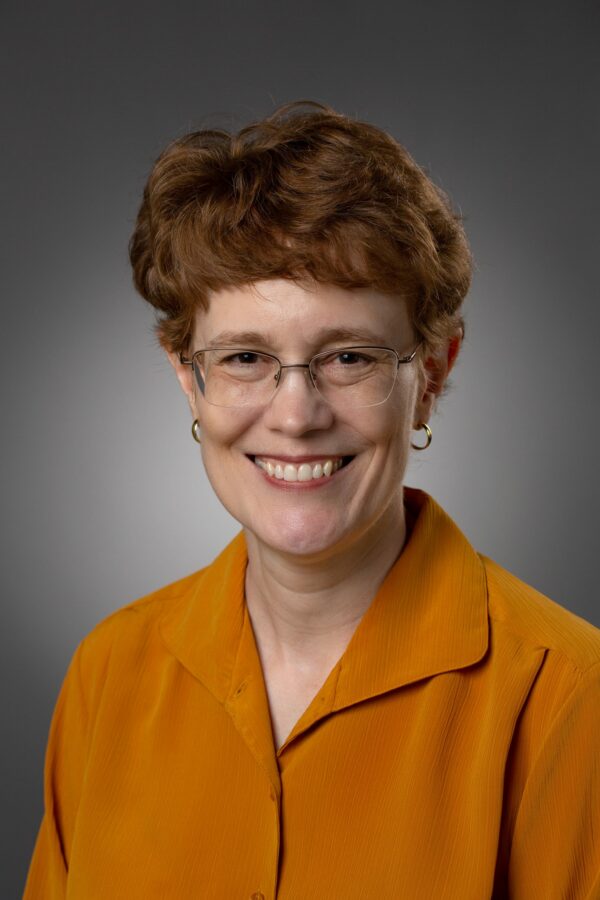
  • Coordinator, International Studies and Peace Studies

History

YOUR HISTORY DEGREE AT UW-STEVENS POINT GIVES YOU RESEARCH AND ANALYSIS SKILLS FOR A BRIGHT FUTURE

History and social studies education, offered through the Department of History and International Studies at UW-Stevens Point, is an undergraduate program that focuses on the knowledge, skills and dispositions needed to teach social studies in middle and high school. Successful candidates in the program earn a bachelor’s degree and Wisconsin teaching license in social studies grades 4-12.
In addition to specific general education coursework, students complete a variety of courses that provide opportunities to develop the knowledge and skills needed to be successful certified social studies teachers. Students complete a rigorous social science and history curriculum. Additionally, students complete coursework designed to give them hands-on, practical experience in the application of social science concepts. Practicum experiences allow students to observe and teach actual students from the community to prepare for an eventual career in history and social studies education.

For marketability purposes, students interested in teaching any area of social studies are required to complete a major in history and social studies education.

Department of History and International Studies

Why study History at UW-Stevens Point?

The history program at the University of Wisconsin-Stevens Point is designed for students preparing to teach and for those interested in such fields as law and library science. The department requires students to take coursework in U.S., world regional, and global/comparative history. Many of our students also participate in semester abroad programs and international internships.


Student Research Experience

The Department of History and International Studies frequently sponsors student participation in the College of Letters and Science Undergraduate Research Symposium and faculty-led research opportunities with collaboration on projects and publications through the College of Letters and Science Undergraduate Education Initiative.


Scholarships and Awards

The Department of History and International Studies recognizes outstanding students at the annual Humanities and Global Studies Spring Awards Ceremony. In 2026, a total of $42,200 was awarded thanks to our generous donors and endowed scholarships.


WHAT TO EXPECT

The UW-Stevens Point history program equips students to be global citizens who will succeed in a world where people and nations are interdependent, societies are diverse, and life is shaped by science and technology. By exploring institutions, ideas, and values of human societies, students learn essential skills in research, writing, and analysis.

The public internship requirement connects students with local historical societies and their ongoing research and programming.

Many history majors or minors find employment in teaching, but some seek jobs in government. With a few courses in business and economics, students graduating with a history degree can enter the business world, and history is one of the traditional majors for professional study in law, theology, and library science.

GET INVOLVED ON CAMPUS

History Club is a student led organization that organizes discussions, film viewings and trips to museums and historical sites for students interested in the discipline.

More student group opportunities can be found on the Stevens Point Involvement Network (SPIN).

MEET YOUR FACULTY

Faculty members in the department cover world history and bring a broad range of specializations to course offerings. Unique courses include: U.S. and global environmental history, the history of science, the history of medicine, public history, the history of the Middle East and the wider Islamic World, the history of the American Midwest, the history of Russia and the Soviet Union, and East Asian history. Meet your professors!

Archives: Faculty / Staff Profiles – Faculty / Staff Directory

Profile Photo: Brett Barker

Brett Barker

  • Professor of History
  • Chair, Department of History and International Studies
Profile Photo: E Jerry Jessee

E Jerry Jessee

  • Professor
Profile Photo: Valerie Barske

Valerie Barske

  • Professor
  • Coordinator, International Studies and Peace Studies
Linguistics

Linguistics is the scientific study of language. Students can use this minor to prepare for a variety of career opportunities, including software programming and artificial intelligence, teaching language, acting or training actors, writing, editing, publishing, translation and interpreter work, 
law, and advertising. The minor is administered by the Department of English. It consists of 24 credits.

Students will focus on the core subsystems of language, including:

  • Sounds found across all world languages (phonetics)
  • Rules found in the sound system of a specific language (phonology)
  • Methods for constructing words in a language (morphology)
  • Language-specific sentence structure (syntax)
  • Word and sentence meanings (semantics)
  • Situation-specific meanings (pragmatics)
  • Ways in which larger texts are created (discourse analysis)

These subsystems are then studied in relation to concerns such as how children acquire language, how language varies across populations, and how language both structures and is structured by human thought.

For more information, visit the Course Catalog, search by the name of this program, and filter by semester. 

Environmental Ethics minor

The Environmental Ethics minor is relevant for students of any background and can be of special interest to students majoring in natural resources, sustainability, geoscience, biology, or natural sciences.  It includes courses in Environmental Ethics, Animal Ethics, Food Ethics, and American Indian Environmental Philosophies, along with interdisciplinary classes in English, History, Political Science, or Sociology. 

Through this coursework students will learn to navigate diverse perspectives, reflect on the ethics of these perspectives, and communicate clearly and persuasively about environmental issues.

The Environmental Ethics minor consists of 18 credits.
For more information visit the UW-Stevens Point course catalog.

Required Classes – 9 credits
PHIL 380 Environmental Ethics (3 cr.) 

6 Credits, choose from:
PHIL 321 Food Ethics (3 cr.) 
PHIL 360 Animal Ethics (3 cr.) 
PHIL 381 American Indian Environmental Philosophies (3 cr.) 
PHIL 480 Advanced Environmental Ethics (3 cr.) 


Philosophy Electives – 6 credits
Take 6 credits of any PHIL course.

Interdisciplinary Electives – Choose 3 credits

  • ENGL 358 – Outdoor Writing (3 cr.) 
  • ENGL 363 – Nature Literature (3 cr.) 
  • HIST 204 – Modern Global Environmental History (3 cr.) 
  • HIST 279 – Environmental Justice (3 cr.) 
  • HIST 280 – American Environmental History (3 cr.) 
  • HIST 380 – The Environmental Movement (3 cr.) 
  • POLI 304 – Environmental Politics and Policy (3 cr.) 
  • POLI 305 – Climate Change Politics and Policy (3 cr.) 
  • POLI 338 – Environmental Law and Regulation (3 cr.) 
  • POLI 389 – Public Policy for Sustainable Communities (3 cr.) 
  • REL 345 – Religion and Ecology (3 cr.) 
  • SOC 355 – Environmental Sociology (3 cr.) 

For more information

Contact:
Chris Diehm, Ph.D.
Chair, Department of Philosophy and Religious Studies

Law and Justice minor

The Law and Justice minor is an interdisciplinary minor, grounded in the humanities. It is intended both for students pursuing law school as well as those interested in law and law-related fields, including nonprofit career work, work for NGOs, paralegal work, and criminal justice broadly construed.

The minor allows students to study law and its connection to human attitudes, behaviors, practices, and values. Students will develop skills in critical thinking, written and oral communication, and analytical thought. Students will study the relationship between law and ethics, justice, freedom, power, rights, knowledge, truth, and justification.

The minor consists of at least 18 credits. View UW-Stevens Point course catalog.

  1. Core credits – Two courses (6 credits): PHIL 315 (Philosophy of Law) and PHIL 336 (Social and Political Philosophy)
  2. Logic core – One course (3 credits): PHIL 121 (Critical Thinking) or PHIL 322 (Symbolic Logic)
  3. Writing core – One course (3 credits) ENGL 347 (Grant and Proposal Writing) or ENGL 370 (Legal Writing)
  4. Philosophy electives – (3 credits) from the Philosophy Curriculum
  5. Interdisciplinary electives – (3 credits) from the Philosophy Curriculum

Multidisciplinary

EARN A DEGREE CUSTOMIZED TO FIT YOUR NEEDS

Chart your own major path! The multidisciplinary major allows you to create a unique pathway to complete a bachelor’s degree. It gives students an opportunity to design their major, capitalizing on diverse interests.

Students will propose their major, using unique combinations of existing UW-Stevens Point majors, minors, and certificates that will be coherent and challenging. You must propose your program prior to completing 75 credits, including all transfer credits, to be sure the courses you need are available and can be integrated into your major pathway.


REQUIREMENTS:

For the multidisciplinary major, you must:

B.A. Multidisciplinary Major
    1. Have a minimum grade point average of 2.75 before you enter the program.
    2. Meet the requirements for the degree type you choose. You will graduate in the School of Humanities and Global Studies within the College of Letters and Science.
    3. Have a minimum grade point average of 3.00 to graduate, regardless of academic forgiveness, in all courses in your major.

World Language Courses (0-8 credits)

Complete a two-semester sequence of university entry-level world language courses (101, 102). The requirement may be fulfilled through equivalent coursework or other language acquisition as demonstrated through a test-out policy (including Native American languages and American Sign Language). If your native language is not English and you can document formal high school or university study of your native language, you may use ENGL 101 and ENGL 202, or ENGL 150 as a means of fulfilling this world language requirement. Please see the Department of World Languages and Literatures for details.

B.S. Multidisciplinary Major
  1. Have a minimum grade point average of 2.75 before you enter the program.
  2. Meet the requirements for the degree type you choose. You will graduate in the School of Humanities and Global Studies within the College of Letters and Science.
  3. Have a minimum grade point average of 3.00 to graduate, regardless of academic forgiveness, in all courses in your major.

Students must decide to begin this major no later than the completion of 75 credits. This requirement may be waived in some cases. View UW-Stevens Point course catalog.

You will have to develop a proposal for your major by consulting with the coordinator in the School of Humanities and Global Studies and advisers from the departments where you will be doing the work. The proposal must include a title, a statement of the objectives of the program, and a list of specific courses.

Benefits of a multidisciplinary bachelor’s degree:

  • Diverse educational pathway fosters relevant skillset
  • Flexible program for working adult learners
  • Gain well-rounded depth of knowledge in variety of areas
  • Ability to analyze cultural, ethical, and social problems
  • Preparation for an increasingly diverse workforce
A major customized for you!

WELL-ROUNDED CAREER PREPARATION

Your studies from across academic disciplines will give you advantages and an intellectual depth to stand out.  Working with our advisers, you will craft a multidisciplinary degree major track that is tailored to your interests and career objectives.


MEET OUR FACUlty

Study under our diverse faculty members in the School of Humanities and Global Studies. Faculty bring a broad range of specializations to course offerings.

View All Faculty

Philosophy: Law and Justice

STUDY THE RELATIONSHIP BETWEEN LAW AND ETHICS

The Law and Justice program is an interdisciplinary program that provides a way to study law and its connection to human attitudes, behaviors, practices, and values. Our focus is on analyzing the relationship between law and ethics, justice, freedom, power, rights, knowledge, truth, and justification. Understanding these relationships is not incidental to law; they are critical and essential components of it.  

Students completing the Law and Justice major will have mastery of logic, knowledge of legal doctrines and concepts, the theories behind law and justice, and sound critical thinking skills. The Philosophy Major with a Concentration in Law and Justice will help students understand that the law is a social phenomenon, inseparable from those that create, analyze, and interpret it. As such, we will study the relationship between law and justice, both as they are understood in theory and implemented in practice.

Department of Philosophy and Religious Studies

Why Study Law and Justice at UW-Stevens Point?

The UWSP degree in Philosophy: Law and Justice, first offered in Fall 2023, will prepare students interested in non-profit work, work for NGOs, paralegal work, social services, and criminal justice, more broadly. A BS or BA degree can be earned. The Law and Justice track emphasizes the environmental and social role that law and justice play, and intentionally develops the critical thinking and written and oral communication skills required for sustained success in law-related fields.

Awards and Scholarships

The Philosophy Department has scholarships to currently enrolled students. Students are notified of available scholarships in class and via email at the beginning of the spring semester. In April, and after scholarships have been awarded, students, parents, family members, and faculty come together to honor awardees at our Annual Department Awards Ceremony.


ALUMNI VOICES

Philosophy helped them carve a path to fulfilling careers. UWSP Department of Philosophy alum from 1994- 2019 share their graduate stories!


Graduate School Preparation

For those whose career path leads through graduate school, the Philosophy major offers great preparation. Nationwide, students who major in Philosophy score higher on law school entrance exams (LSAT) that almost all other majors.


WHAT TO EXPECT

The Law and Justice program at UWSP is an interdisciplinary track grounded in the humanities. Students will reflect on the human condition, developing critical thinking, written, and oral communication skills. Law and Justice is not only designed for students interested in pursuing law school; rather, it is a program designed for students interested in law and law-related fields, like non-profit work, work for NGOs, paralegal work, and criminal justice, broadly construed.

The major in Philosophy: Law and Justice requires 39 credits. At least 30 credits must be at 300 level or above. You will take required courses in critical thinking, legal writing, Philosophy of Law, and Social and Political Philosophy. Students can choose from a range of interdisciplinary electives which include such courses as “Environmental Justice,” “Constitutional Law” and “International Law and Human Rights.”  As a major, you will also complete a senior research project. Our classes are mostly small, discussion-based and student centered. 

GET INVOLVED ON CAMPUS

The Philosophy Club of UWSP is a student organization dedicated to promoting and maintaining a mature and professional environment for students interested in the field of philosophy and philosophical discussion. Regular activities include student facilitated conversations about controversial and topical issues. Faculty also attend some meetings to share some of their own work with students. The club welcomes all students. For further information, please contact the faculty advisor to the Philosophy Club, Jason Zinser.

Phi Sigma Tau is the international honor society for the study of philosophy. The purpose of Phi Sigma Tau is to cultivate interest in philosophy among students and to celebrate high achievement in the study of philosophy. Phi Sigma Tau publishes a journal, Dialogue, for student contributions in all areas of contemporary philosophical research. For further information, please contact the faculty advisor to Phi Sigma Tau, Jason Zinser.

More student group opportunities can be found on the Stevens Point Involvement Network (SPIN).

Philosophy students are active in many student organizations, including the Student Government Association, and are frequently included in the ranks of the Chancellor’s Albertson Student Leadership Award winners.

MEET YOUr faculty

UW-Stevens Point philosophy faculty ensure students read carefully, think critically, communicate effectively and participate meaningfully in environments characterized by cultural, religious and philosophical diversity.

Archives: Faculty / Staff Profiles – Faculty / Staff Directory

Profile Photo: Chris Diehm

Chris Diehm

  • Professor
  • Chair, Department of Philosophy and Religious Studies
  • [ More… ]
Profile Photo: Dona Warren

Dona Warren

  • Professor of Philosophy
  • Critical Thinking Center Head
Profile Photo: Jason Zinser

Jason Zinser

  • Associate Professor
Profile Photo: Joshua Horn

Joshua Horn

  • Professor

English as a Second Language – Teaching

LEAD ENGLISH LEARNERS WITH A UW-STEVENS POINT DEGREE

As the number of English Language learners grows in our public schools nationally, so does the need for ESL teachers. Courses are designed to give students a framework in linguistics applied to second language education and provides students with the skills, methods, strategies and practice teaching for working with English language learners. With an introduction to linguistics, an introduction to theories of second language acquisition, as well as the knowledge you will need to teach and/or train effectively at all age levels, this program has many present-day applications. The English as a Second Language program, also known as ESL, is housed in the Department of World Languages and Literatures and is offered as a interdisciplinary minor at UW-Stevens Point. Courses from Communicative Disorders, Education, English, Political Science and Psychology departments make up the minor and are in accordance with state requirements and professional standards.

Requirements

This minor is for undergraduate general education students and certified teachers pursuing an add-on minor certification, K-12. The state of Wisconsin requires students to master content specific to the field of teaching ESL. These content requirements are covered through the university’s required courses. UWSP requires a minimum of 22 credit hours in ESL.

Minor Requirements

The ESL-Teaching minor consists of 22-29 credits. The ESL-Teaching minor is taken in conjunction with teaching majors in early childhood, elementary education, K-12 majors, or secondary teaching majors.

Prerequisites

Proficiency in English with minimum scores required by the Wisconsin Dept. of Public Instruction on verbal and reading sections of the PPST. World Language Courses (totaling 8 credits)

Student Teaching Requirement

This minor requires a student teaching assignment. If you are pursuing an ESL teaching license, please contact an adviser in the School of Education or the ESL Coordinator, Dr. Tobias Barske, to discuss the timeline of your program. Failure to do so may result in a delay of placement for the supervised practice teaching (FLED 398). Typically, students are placed in a school that has a free-standing ESL program where they complete either the first or the second half of their student teaching experience working with ESL supervising and cooperating teachers. Preparation for student teaching in ESL at UW-Stevens Point consists of a minimum of 30 hours during which students observe classes, develop and submit lesson plans, develop a unit, reflect upon and journal teaching experience, participate in testing and assessment, participate in relevant outside activities, including parent conferences, work with and get feedback from a practicum teacher, and videotape and critique their own teaching. For more information, visit the Course Catalog, search by the name of this program, and filter by semester.

Licensing

Students have to pass the Praxis II exam (test code: 20360) with the Wisconsin Department of Public Instruction before they are allowed to student teach in the area of ESL in Wisconsin. For more information contact the ESL Advisor and Program Coordinator Dr. Tobias Barske Assistant Dean, School of Humanities and Global Studies tbarske@uwsp.edu 715-346-4406

Bilingual-Bicultural Education Add-On

Program participants acquire abilities to teach content both in English and another language (either Spanish or Hmong).  If you are an undergraduate student seeking ESL teacher certification or a practicing K-12 teacher with ESL certification, the Bilingual-Bicultural Education Certificate is only a few additional credits beyond the ESL teaching certification.

The certificate can be awarded after completion of coursework including FLED 345/FLED 545 (3 credits), FLED 397/FLED 597, and FLED 399 and requires a minimum of 5 credits. It is administered by the Department of World Languages and Literatures.

Attain this certificate by first successfully completing the English as a Second Language Minor with K-12 Teacher Certification.

For more information, visit the Course Catalog, search by the name of this program, and filter by semester.   

English Minor

The University of Wisconsin-Stevens Point offers you a strong liberal arts education in language and literature, which fosters communication, critical reading and critical thinking skills. Our English minor consists of 24 credits beyond freshman English including 12 credits taken in courses numbered 300 and above.

Required

ENGL 200 – Introduction to the Study of Literature Credits: 3

Survey of British literature, 6 credits
Choose one course from:

  • ENGL 211 – English Literature I Credits: 3
  • ENGL 321 – English Literature to 1485 Credits: 3
  • ENGL 323 – British Literature Before 1790, Excluding Drama Credits: 3 (a) or (b) or
  • ENGL 366 – English Drama to Shaw (British) Credits: 3

Choose one course from:

  • ENGL 212 – English Literature II Credits: 3
  • ENGL 324 – Romantic Movement (British) Credits: 3
  • ENGL 325 – Victorian Literature (British) Credits: 3
  • ENGL 327 – Victorian Literature in Transition (British) Credits: 3

Survey of American literature, 6 credits
Choose one course from:

  • ENGL 213 – American Literature I Credits: 3
  • ENGL 329 – The American Renaissance Credits: 3
  • ENGL 313 – American Novel Credits: 3 (a)

Choose one course from:

  • ENGL 214 – American Literature II Credits: 3
  • ENGL 313 – American Novel 3 cr. (b)
  • ENGL 320 – American Realism and Naturalism Credits: 3
  • ENGL 360 – Regional Literature (American) Credits: 3
  • ENGL 382 – Ethnic Literature of the United States Credits: 3

Language, 6 credits
Choose from:

  • ENGL 240 – Introduction to Linguistics Credits: 3
  • ENGL 340 – Language, Gender, and Sexuality Credits: 3
  • ENGL 341 – Invented Languages Credits: 3
  • ENGL 342 – English Grammars Credits: 3
  • ENGL 344 – History of the English Language Credits: 3
  • ENGL 346 – Old English Credits: 3

Masters, 6 credits
Choose from:

  • ENGL 330 – Chaucer (British) Credits: 3
  • ENGL 333 – Shakespeare (British) Credits: 3
  • ENGL 334 – Shakespeare (British) Credits: 3
  • ENGL 336 – Milton (British) Credits: 3
  • ENGL 385 – Major Authors Credits: 3
  • ENGL 386 – Major Authors of Ethnic Literature Credits: 3

View UW-Stevens Point course catalog for more information!