Professional Selling

Succeed in a competitive sales environment

The professional selling certificate provided by the Sentry School of Business and Economics is designed to provide students with a comprehensive understanding of the principles and practices of professional selling. The certificate program covers a range of topics, including sales strategies, sales management, communication skills and negotiation techniques.

The certificate program will equip students with the knowledge and skills they need to succeed in a competitive sales environment. Students who complete the program will have a significant advantage over their peers who lack this specialized training.

Why study Professional Selling at UW-Stevens Point?

The Sentry School of Business and Economics has a strong reputation for producing graduates who are well-prepared for the workforce. The professional selling certificate program provides students with a recognized credential that is valued by employers in the sales industry.


What to Expect? 

The professional selling certificate program can serve as a steppingstone to a successful career in sales. Graduates of the program will be equipped with the skills and knowledge needed to excel in a variety of sales roles, from account executives to sales managers.

Meet Your Faculty and Staff

Our faculty and staff members have real-world experience in a wide range of business disciplines as well as degrees from some of the most highly respected universities internationally. You’ll benefit from our hands-on style of instruction, personal attention and comprehensive understanding of our fields as you learn key concepts and practices of business applications.

View all our faculty/staff
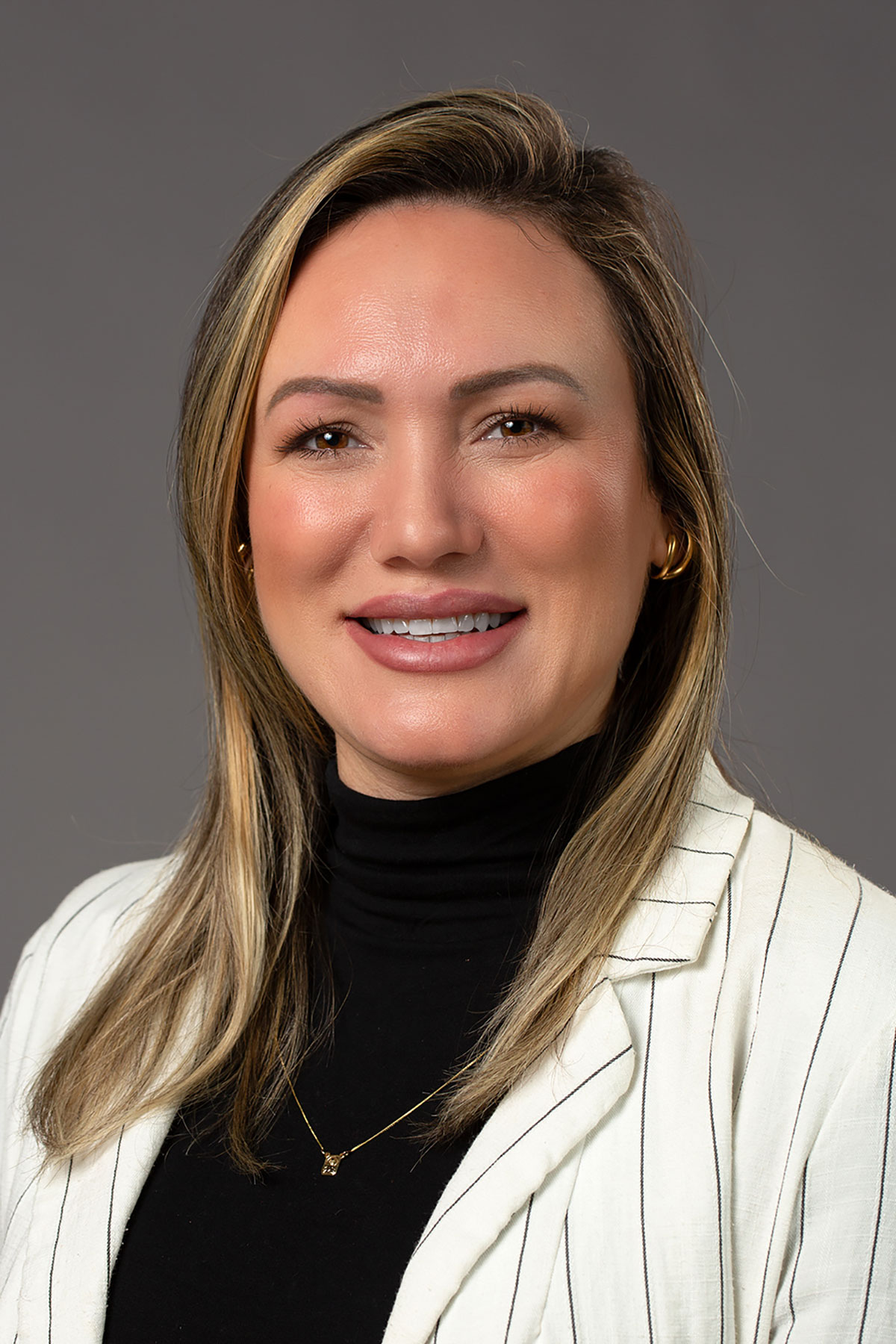
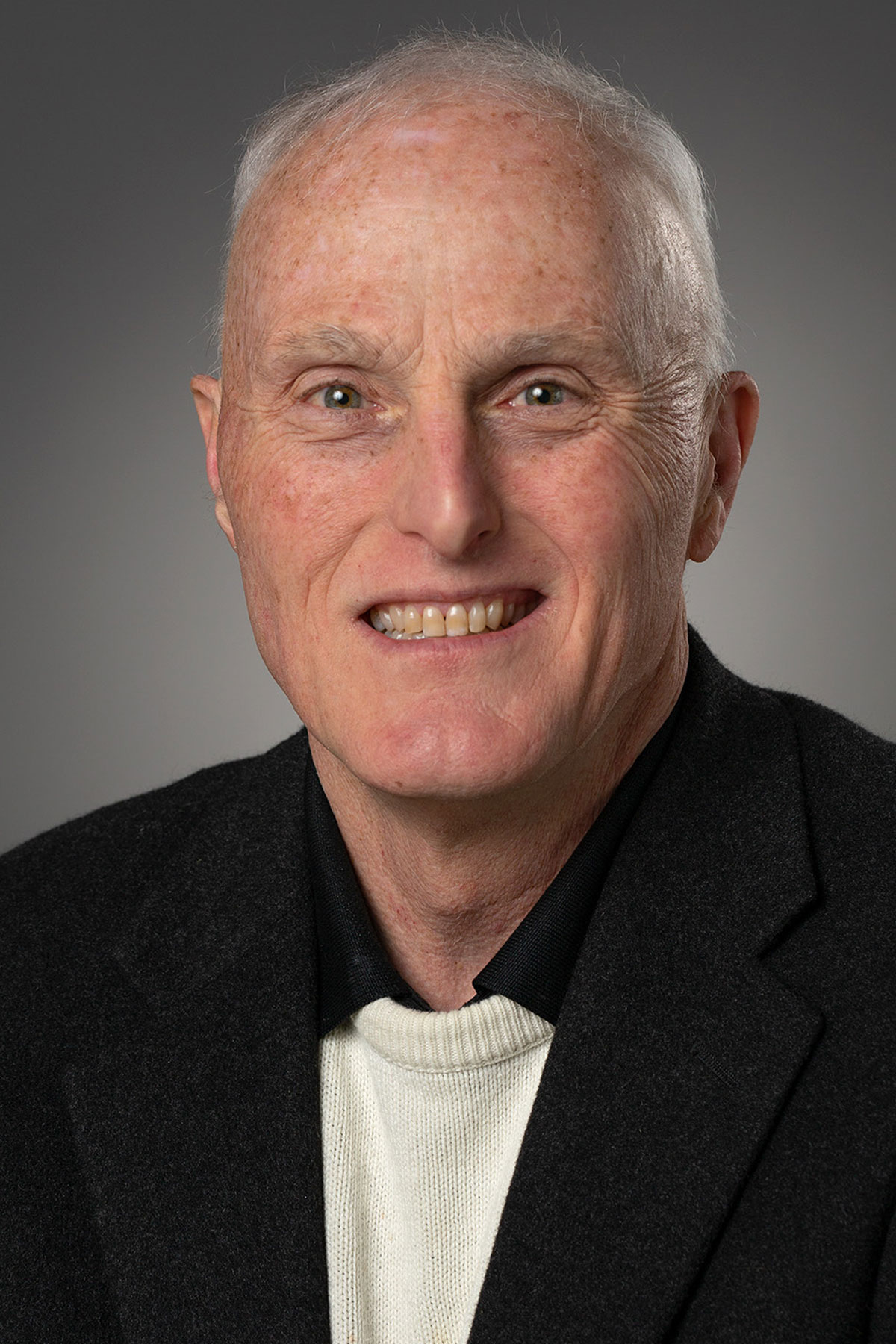
Profile Photo: Fran Reinert Ce

Fran Reinert Ce

  • Assistant Professor – Marketing
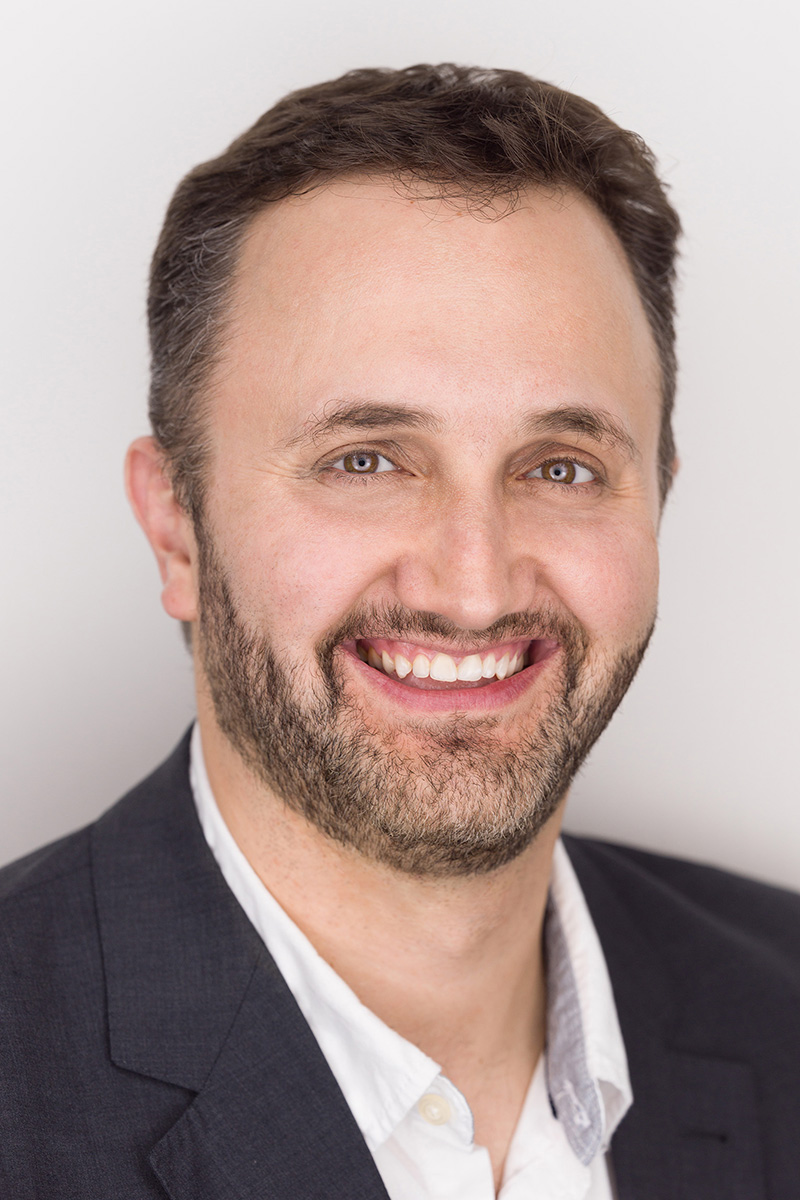
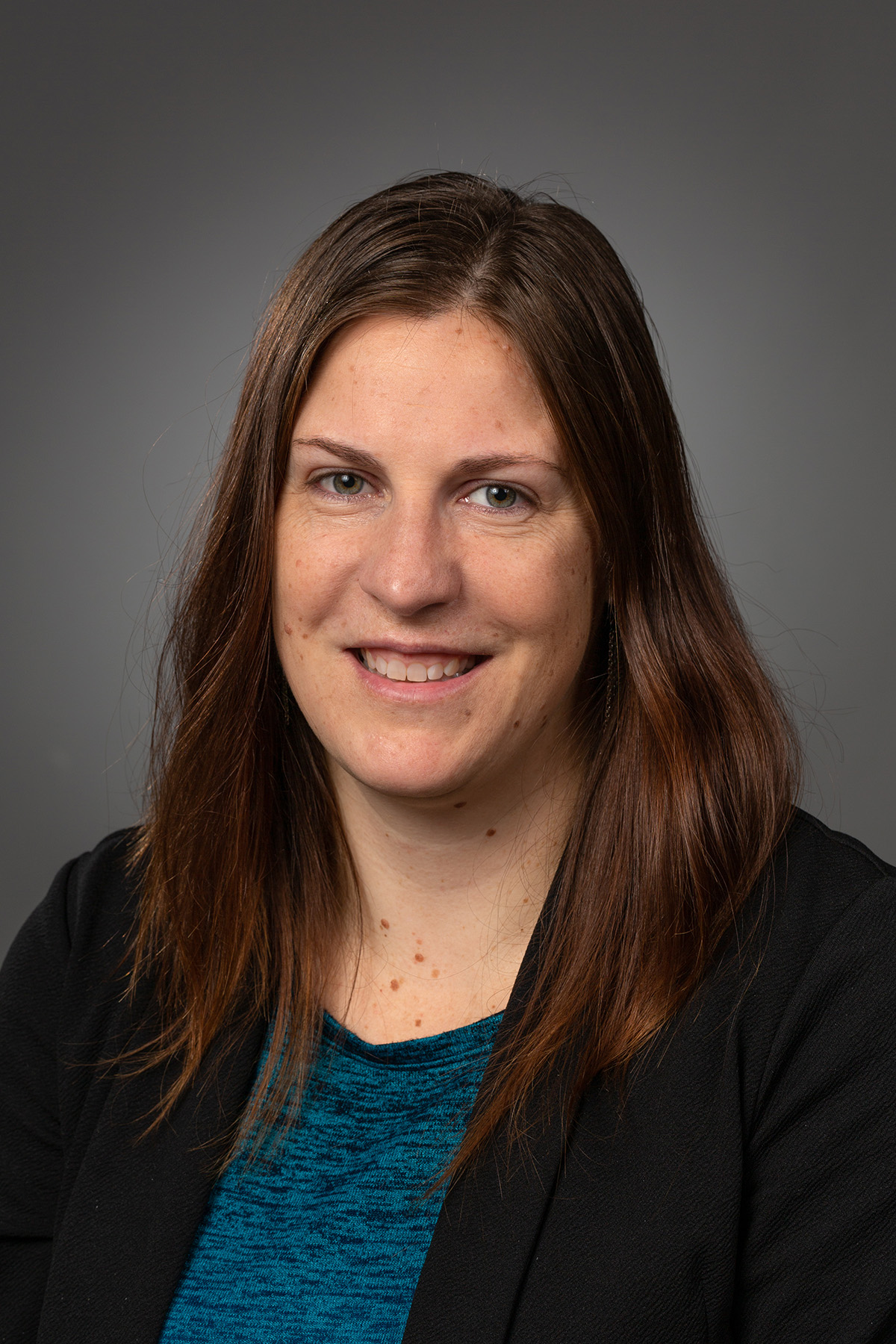
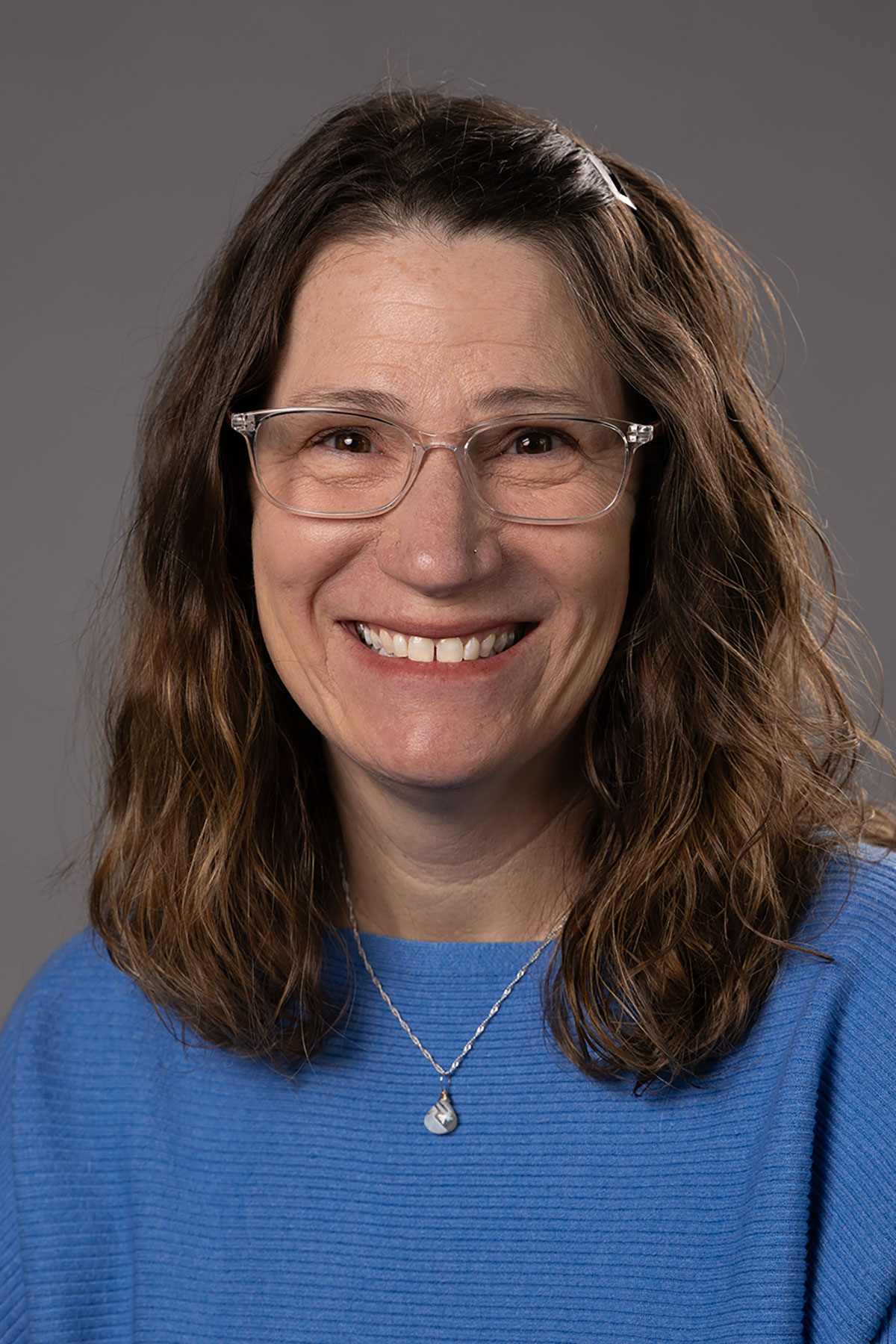
Profile Photo: Kit Kiefer

Kit Kiefer

  • Lecturer – Sentry School of Business and Economics
128 Delzell Hall
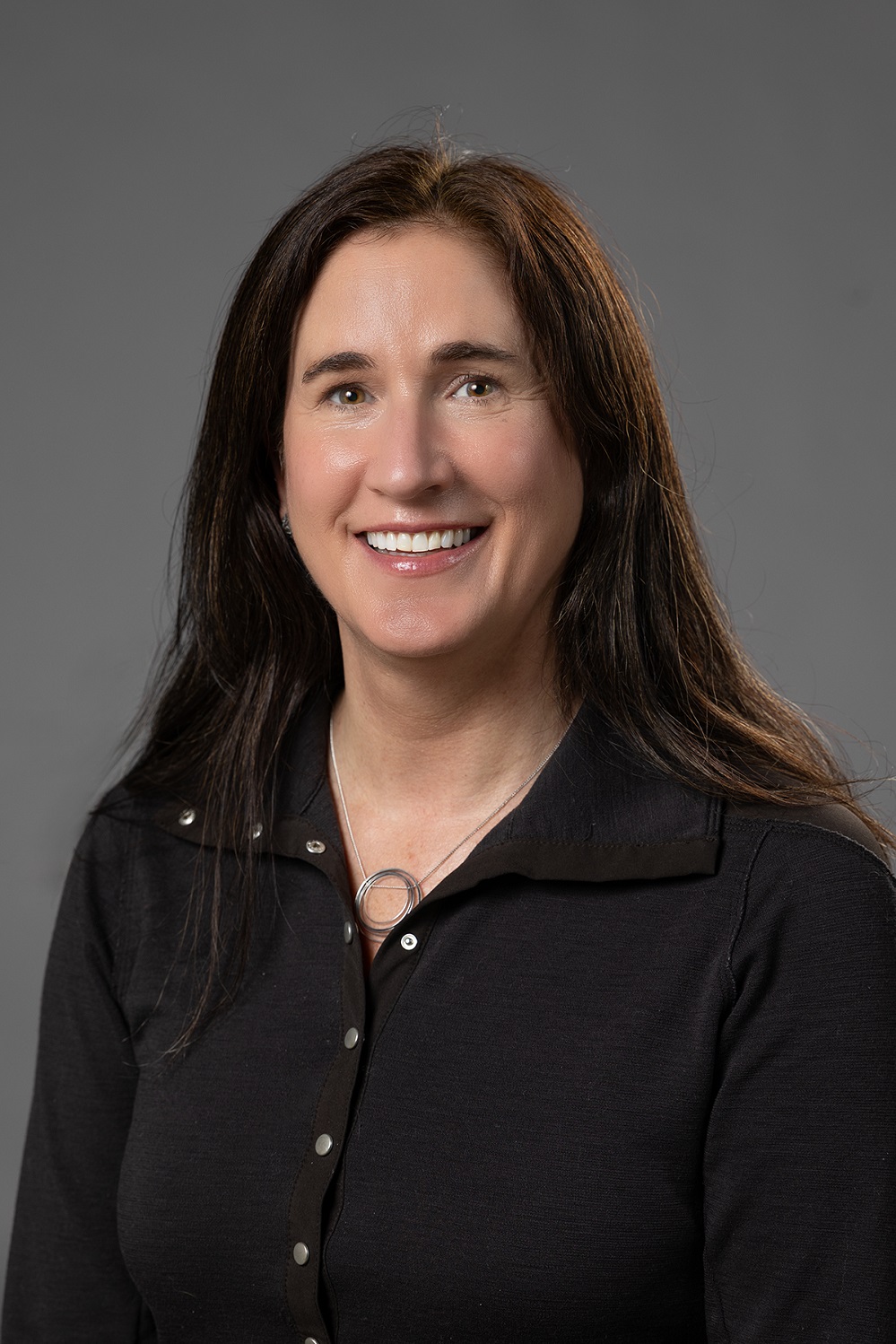
Profile Photo: Ricardo Boeing

Ricardo Boeing

  • Director of Internships – Sentry School of Business and E…
  • Professor – Marketing
  • [ More… ]

AACSB Accreditation

UW-Stevens Point Sentry School of Business and Economics is accredited by the Association to Advance Collegiate Schools of Business (AACSB). Graduates will complete degrees from a program ranked among the top 20 percent in the nation and top 5 percent in the world.
 

Sentry School of Business and Economics

Programs

Employee and Organizational Wellbeing

Wellness in the workplace

The employee and organizational wellbeing certificate is administered by the area of Health Sciences and Wellness in the School of Health Sciences and Wellness.

This certificate prepares students from business, wellness, or other health studies with the knowledge and skills to create an organizational culture of wellbeing and manage a successful wellness program. Wellbeing concepts are incorporated in healthcare settings, workplaces, and in community outreach and business leaders indicate employee health is a top priority to attract and retain talent.

What to Expect?

Workplace wellbeing programs encompass employee activities and employer-sponsored benefits to promote positive health-related behaviors in employees. Employee wellbeing is the overall measure of an employee’s mental and physical health stemming from factors in and out of the office. Employers are increasing their wellness offerings and commitment to supporting the health of their employees to reduce healthcare costs, work injury, and improve employee productivity, resilience, satisfaction and morale.

Wellness programs are increasing among U.S. employers and are becoming part of organizational culture leading to an increased need for qualified health promotion professionals to create, operate and oversee these programs. U.S. Department of Labor and U.S. Department of Health and Human Services report found that 80% of U.S. businesses with more than 50 employees offered corporate wellness programs.

  • Large Employers: Approximately 84% of large employers (those with 200 or more workers) offer workplace wellness programs. (Harvard Business Review, 2024)
  • Small Businesses: Around 54% of small businesses offer at least one wellness program.
  • Overall: More than three-quarters of employers indicated that their company offered some type of wellness program, resource, or service to their employees.

Need for Professionals

Workplace wellness and wellbeing is now a corporate priority post-COVID. In 2024, 86% of employers offer mental health support, while 45% of organizations plan to increase spending on wellness programs, 51% expect to maintain their current investment, and only 4% foresee a decrease.

Worksite wellness focuses on establishing and maintaining a healthy environment in the workplace, by promoting and encouraging employees to lead a healthy lifestyle through wellness programming. The programs and the type of professionals needed include:

  • smoking cessation (Wellness, Health Coaching, Nursing)
  • biometric screenings (Nursing, Medical Lab Science, Wellness, Health Coaching, Nutrition)
  • mental health, stress and resilience training (Health Science and Wellness, Psychology, Pre-phyiscal therapy, pre-athletic training, Nursing, Nutrition, Coaching)
  • weight loss (Nutrition, Health Science and Wellness, Pre-phyiscal therapy, pre-athletic training, Nursing, Coaching)
  • back health, injury prevention, and ergonomics (Pre-phyiscal therapy, pre-athletic training, pre-occupational therapy, Strength and Conditioning)
  • fitness classes (Pre-phyiscal therapy, pre-athletic training, pre-occupational therapy, Strength and Conditioning, Wellness)

This certificate prepares students to create programs that build a strong culture of health while developing knowledge and skills to manage successful wellness programs. Wellbeing concepts are incorporated in healthcare settings, workplaces, and in community outreach and business leaders indicate employee health is a top priority to attract and retain talent.

Course Catalog

School of Health Sciences and Wellness

Programs

School of Health Sciences and Wellness
D127 Science Building
2001 Fourth Ave.
Stevens Point, WI 54481-3897
715-346-3766
health@uwsp.edu
College of Professional Studies

Strength and Conditioning

Study the exciting health and fitness industry

The strength and conditioning minor is designed for students interested in applying scientific knowledge to design, implement and train individuals with the goals of improving health, fitness and/or performance. Students will gain expertise in leading exercise assessments, creating workouts and coaching proper exercise techniques to provide effective strength and conditioning programs.

The strength and conditioning minor will give you a distinct education and the ability to sit for the Certified Strength and Conditioning Specialist (CSCS) examination through the National Strength and Conditioning Association.

Career settings include colleges, high schools, professional sports teams, sports medicine clinics and fitness facilities. The exercise performance minor will equip students with the professional knowledge, skills, and abilities needed to meet industry standards and be successful.

At UW-Stevens Point, this minor consists of a minimum of the 36 credits below. Students majoring in health science and wellness can complete the strength and conditioning minor with just an additional 12-15 credits.

Course Catalog

School of Health Sciences and Wellness

Programs

School of Health Sciences and Wellness
D127 Science Building
2001 Fourth Ave.
Stevens Point, WI 54481-3897
715-346-3766
health@uwsp.edu
College of Professional Studies

English as a Second Language – Teaching

LEAD ENGLISH LEARNERS WITH A UW-STEVENS POINT DEGREE

As the number of English Language learners grows in our public schools nationally, so does the need for ESL teachers. Courses are designed to give students a framework in linguistics applied to second language education and provides students with the skills, methods, strategies and practice teaching for working with English language learners. With an introduction to linguistics, an introduction to theories of second language acquisition, as well as the knowledge you will need to teach and/or train effectively at all age levels, this program has many present-day applications. The English as a Second Language program, also known as ESL, is housed in the Department of World Languages and Literatures and is offered as a interdisciplinary minor at UW-Stevens Point. Courses from Communicative Disorders, Education, English, Political Science and Psychology departments make up the minor and are in accordance with state requirements and professional standards.

Requirements

This minor is for undergraduate general education students and certified teachers pursuing an add-on minor certification, K-12. The state of Wisconsin requires students to master content specific to the field of teaching ESL. These content requirements are covered through the university’s required courses. UWSP requires a minimum of 22 credit hours in ESL.

Minor Requirements

The ESL-Teaching minor consists of 22-29 credits. The ESL-Teaching minor is taken in conjunction with teaching majors in early childhood, elementary education, K-12 majors, or secondary teaching majors.

Prerequisites

Proficiency in English with minimum scores required by the Wisconsin Dept. of Public Instruction on verbal and reading sections of the PPST. World Language Courses (totaling 8 credits)

Student Teaching Requirement

This minor requires a student teaching assignment. If you are pursuing an ESL teaching license, please contact an adviser in the School of Education or the ESL Coordinator, Dr. Tobias Barske, to discuss the timeline of your program. Failure to do so may result in a delay of placement for the supervised practice teaching (FLED 398). Typically, students are placed in a school that has a free-standing ESL program where they complete either the first or the second half of their student teaching experience working with ESL supervising and cooperating teachers. Preparation for student teaching in ESL at UW-Stevens Point consists of a minimum of 30 hours during which students observe classes, develop and submit lesson plans, develop a unit, reflect upon and journal teaching experience, participate in testing and assessment, participate in relevant outside activities, including parent conferences, work with and get feedback from a practicum teacher, and videotape and critique their own teaching. For more information, visit the Course Catalog, search by the name of this program, and filter by semester.

Licensing

Students have to pass the Praxis II exam (test code: 20360) with the Wisconsin Department of Public Instruction before they are allowed to student teach in the area of ESL in Wisconsin. For more information contact the ESL Advisor and Program Coordinator Dr. Tobias Barske Assistant Dean, School of Humanities and Global Studies tbarske@uwsp.edu 715-346-4406

Food and Nutrition for Health and Wellness

Study food as medicine

The food and nutrition for health and wellness undergraduate certificate at UW-Stevens Point appeals to future health professionals who have interest studying in food as medicine.

Through the courses in this certificate, you will gain:

  • Hands-on, food prep skills and cooking experience 
  • Strong background in evidence-based, healthy eating guidelines  
  • Experience developing food and nutrition education programs 

Course Catalog

School of Health Sciences and Wellness

Programs

School of Health Sciences and Wellness
D127 Science Building
2001 Fourth Ave.
Stevens Point, WI 54481-3897
715-346-3766
health@uwsp.edu
College of Professional Studies

Family and Consumer Sciences Accelerated Teacher Licensure

School of Health Sciences and Wellness

Programs

School of Health Sciences and Wellness
D127 Science Building
2001 Fourth Ave.
Stevens Point, WI 54481-3897
715-346-3766
health@uwsp.edu
College of Professional Studies

Adapted Physical Education

Bilingual-Bicultural Education Add-On

Program participants acquire abilities to teach content both in English and another language (either Spanish or Hmong).  If you are an undergraduate student seeking ESL teacher certification or a practicing K-12 teacher with ESL certification, the Bilingual-Bicultural Education Certificate is only a few additional credits beyond the ESL teaching certification.

The certificate can be awarded after completion of coursework including FLED 345/FLED 545 (3 credits), FLED 397/FLED 597, and FLED 399 and requires a minimum of 5 credits. It is administered by the Department of World Languages and Literatures.

Attain this certificate by first successfully completing the English as a Second Language Minor with K-12 Teacher Certification.

For more information, visit the Course Catalog, search by the name of this program, and filter by semester.   

Trauma and Resilience

EARN A GRADUATE CERTIFICATE IN TRAUMA AND RESILIENCE 

The UW-Stevens Point online graduate teaching certificate in Trauma and Resilience empowers learners to foster resilience and self-care and to promote trauma informed environments. Students will learn how to apply the foundations of trauma and resilience with diverse populations, in an equitable and inclusive manner.

This 15-credit program (5 courses) includes three core multidisciplinary courses and two elective courses. Students may choose between a pathway in social work or a pathway in education. The two elective courses will be in the pathway of choice. Students will have a culminating applied research or leadership experience in trauma and resilience in a capstone course. All courses can apply towards a master’s in education degree at UW-Stevens Point. 

Program Benefits  

  • apply concepts of resilience and self-care to personal and work settings 
  • courses are 100% online 
  • courses offered during fall, spring and summer semesters 
  • students can step into this certificate at any time 

Why choose the Trauma and Resilience Certificate at UW-Stevens Point?

A growing number of children experience substantial trauma or chronic stress throughout childhood, manifesting in cognitive, social, physical, and emotional challenges. These challenges are expressed in the K-12 academic setting through behavioral and emotional self-regulation, academic functioning and engagement, absenteeism, and physical and mental illness. Advances in trauma-informed care and social-emotional learning, as applied to the school environment, provide pathways for educators to proactively address the many challenges our students experience. UWSP’s program offers a variety of actionable, research-based methods and strategies that are beneficial in addressing the many challenges our students and educators face throughout each school year.

 
School of Education

In the News and Social Media

Catch up on the latest news from the School of Ed programs and get an insight from our students in their blogs.


Graduate Certificate

By the Numbers

15
Credits
1-1.5
Year to Complete
100
%
Online

Courses

There are three required courses, and then students will choose an emphasis in education or social work. Students will complete two additional courses within their emphasis track. This program is 5 courses total (15 credits).

Requirements and Electives

Required Courses

  • EDUC 707 – Educational Research (Capstone Experience)
  • EDUC 720 – Resilience and Self-care
  • EDUC 725 – Adverse Childhood Experiences and Child Development

Electives (Choose either Education or Social Work Pathway)

Education Pathway – Choose 2 courses

  • EDUC 727 – Trauma Informed, Restorative, and Resilient Schools
  • EDUC 730 – The Resilient Teacher
  • EDUC 790 – Grief and Loss or Social Emotional Learning

Sociology and Social Work Pathway

  • SW 385/585 – Social Work and Mental Health
  • SW 387/587 – Emerging Issues in Social Work with Children and Youth

How much will it cost?

Tuition rates for School of Education master’s degree-level courses are $465/credit. Tuition rates are estimated and subject to change.

Tuition and Costs

We recognize that cost is essential when determining which program is best for you. Tuition, segregated fees, and a distance education fee combine to determine the program’s total cost, and each item is priced on a per-credit basis. There is an additional $25 administrative fee per semester of enrollment. For questions about tuition or more information, please reach out to Student Financial Services.

Students enrolled in an add-on licensure program are considered non-degree seeking and will not be eligible for financial aid. If students combine their add-on licensure with the master’s in education degree, they are degree-seeking and are eligible for financial aid.


Are you Ready to Apply?

To apply to this program, please follow the steps below. Applications received on a rolling basis throughout the year. Please apply at least one month prior to when classes start for your first term.

Application Information
  1. Apply. You will need to submit a cover letter, resume or CV, and all post-secondary unofficial transcripts.
  2. Once you have been accepted into the program, you will apply to the University of Wisconsin-Stevens Point as a non-degree seeking student. If you are adding the Ed.D. in Educational Sustainability degree, then you will apply as a degree seeking student.
  3. Once you have been accepted into the University of Wisconsin-Stevens Point, you will be emailed instructions to set up your student account and register for classes.

Questions? Please contact SOEGrad@uwsp.edu.

Add a Master’s in Education

Are you interested in earning your Master’s in Education? Why not use the credits from this add-on licensure/certification to count towards your degree? The M.S. in Education degree requires 30 graduate credits, and these courses can be used to count towards your degree. Learn more about our master’s degree and how you can earn both a degree and an add-on licensure/certification at the same time.


Meet your Faculty and Staff

Our instructors consistently achieve exemplary ratings and strive to utilize innovative instructional strategies in an online environment. We are available to assist our students and care deeply about their needs.

View all our faculty/staff
Profile Photo: Kristi Roth

Kristi Roth

  • Professor
  • Chair – Common Council
Profile Photo: Margaret Kubek

Margaret Kubek

  • Assistant Professor
SCI B341
Profile Photo: Tara Anderson

Tara Anderson

  • Assistant Professor
  • Coordinator, Substance Use and Addiction Studies Minor

School of Education

Graduate Programs

School of Education
Graduate Programs
University of Wisconsin-Stevens Point
Room 469, College of Professional Studies
1901 Fourth Ave.
Stevens Point, WI 54481-3897
715-346-2048
soegrad@uwsp.edu

Bilingual-Bicultural Education

Program participants acquire abilities to teach content both in English and another language (either Spanish or Hmong).  If you are an undergraduate student seeking ESL teacher certification or a practicing K-12 teacher with ESL certification, the Bilingual-Bicultural Education Certificate is only a few additional credits beyond the ESL teaching certification.

The certificate can be awarded after completion of coursework including FLED 345/FLED 545 (3 credits), FLED 397/FLED 597, and FLED 399 and requires a minimum of 5 credits. It is administered by the Department of World Languages and Literatures.

Attain this certificate by first successfully completing the English as a Second Language Minor with K-12 Teacher Certification.

For more information, visit the Course Catalog, search by the name of this program, and filter by semester.