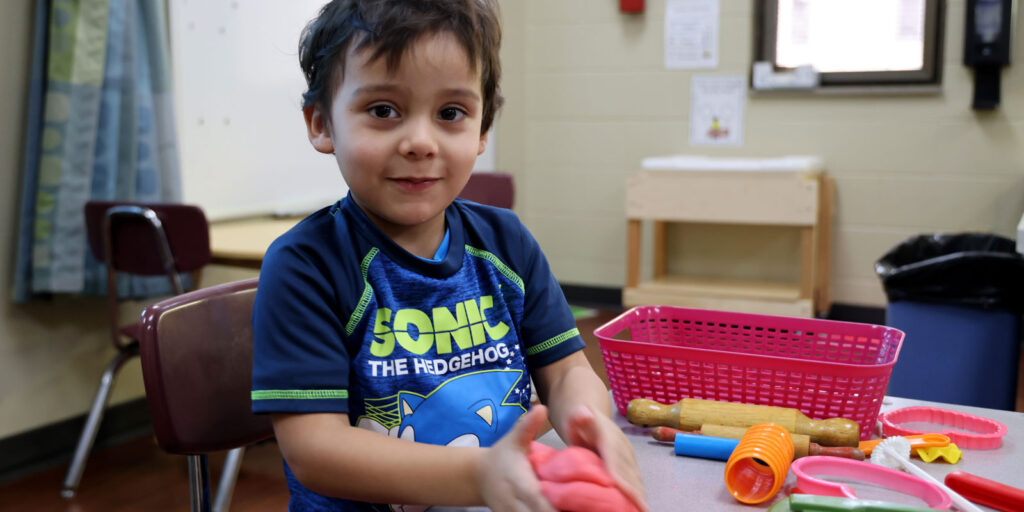
4K and Preschool
Gesell Institute for Early Childhood Learning
Meet Your Teachers
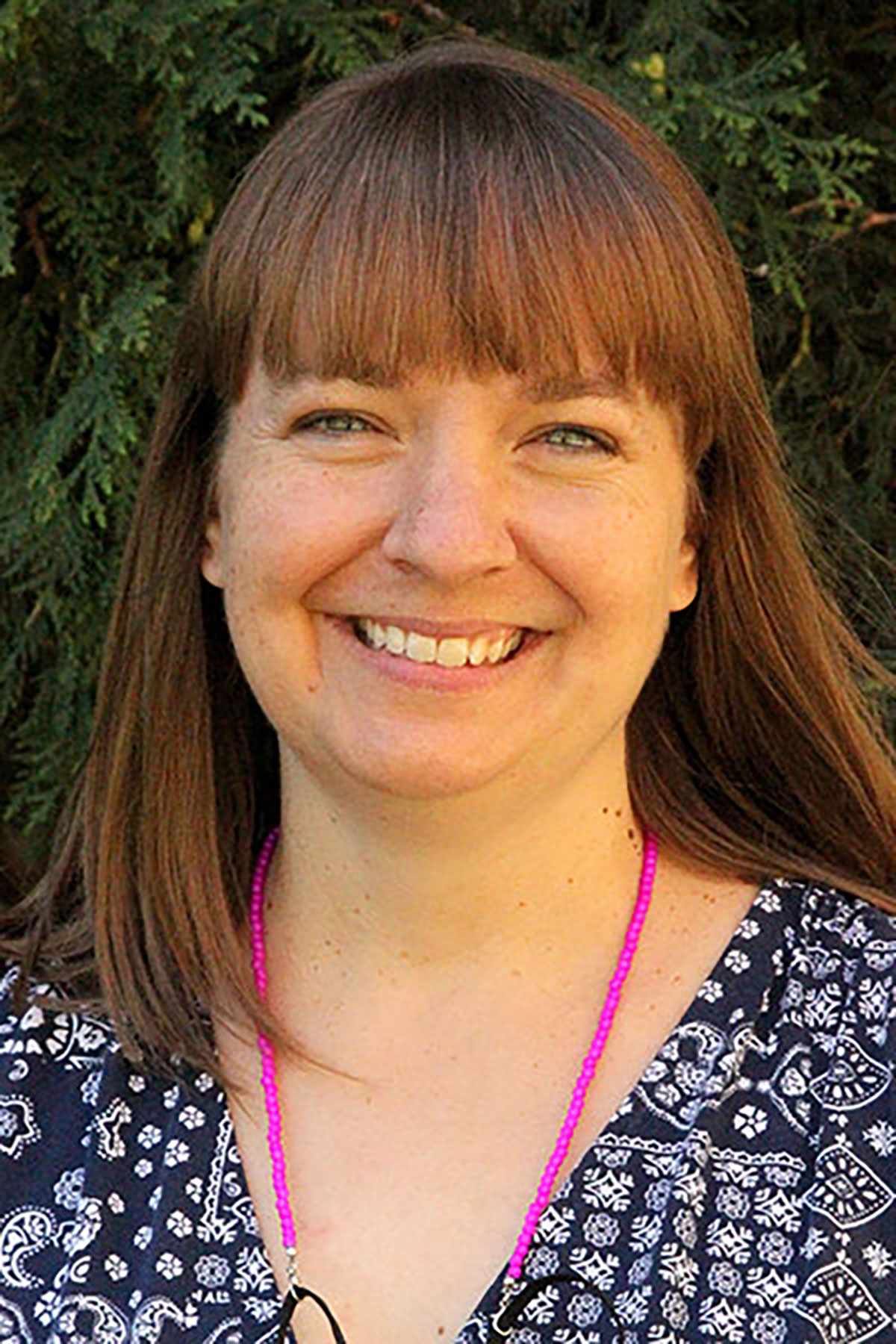
Angela Jennings
- 4K/ECSE Teacher – Gesell Institute 4K/Preschool
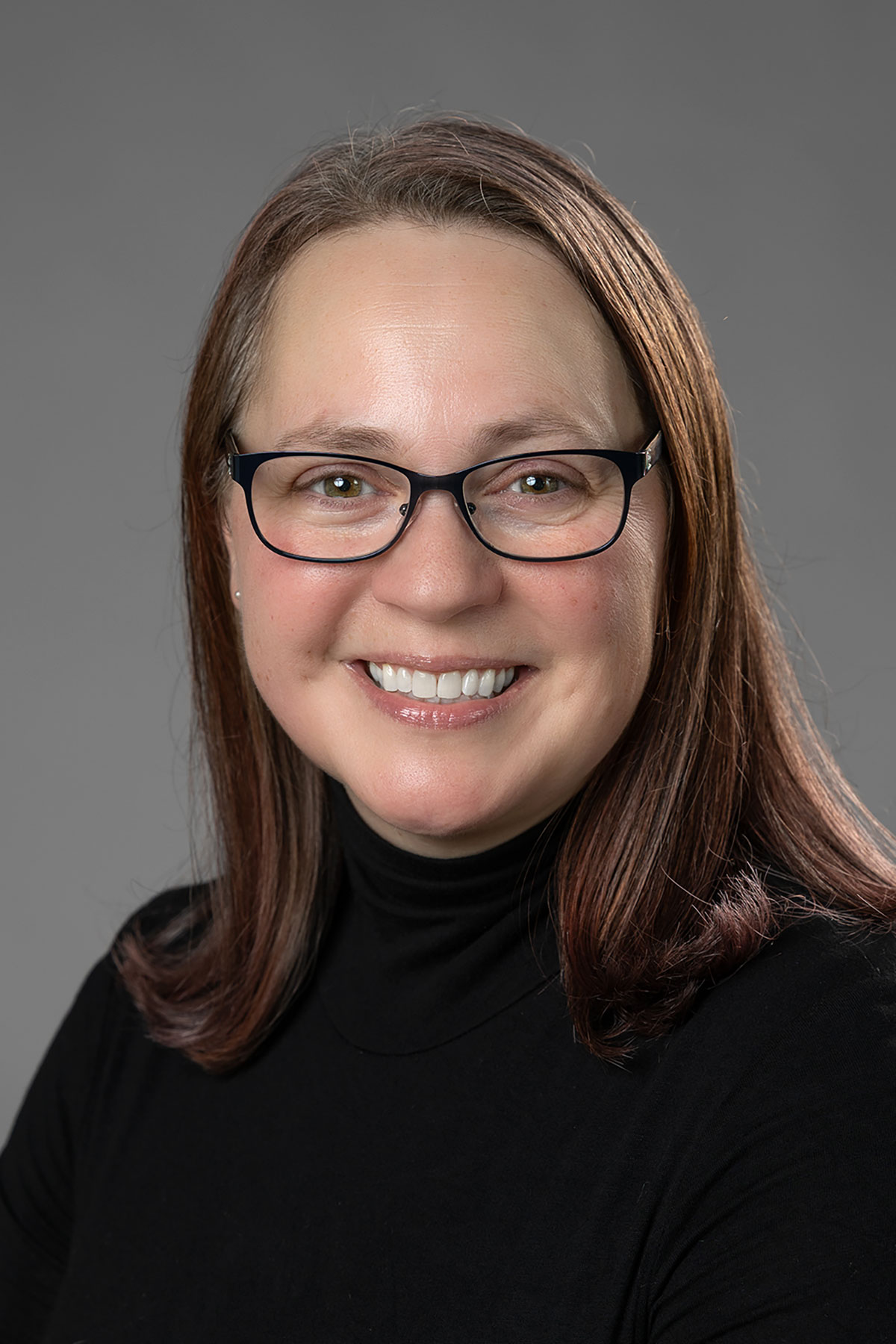
Katie Anderson-Pence
- Assistant Dean – College of Professional Studies
- Head – School of Education
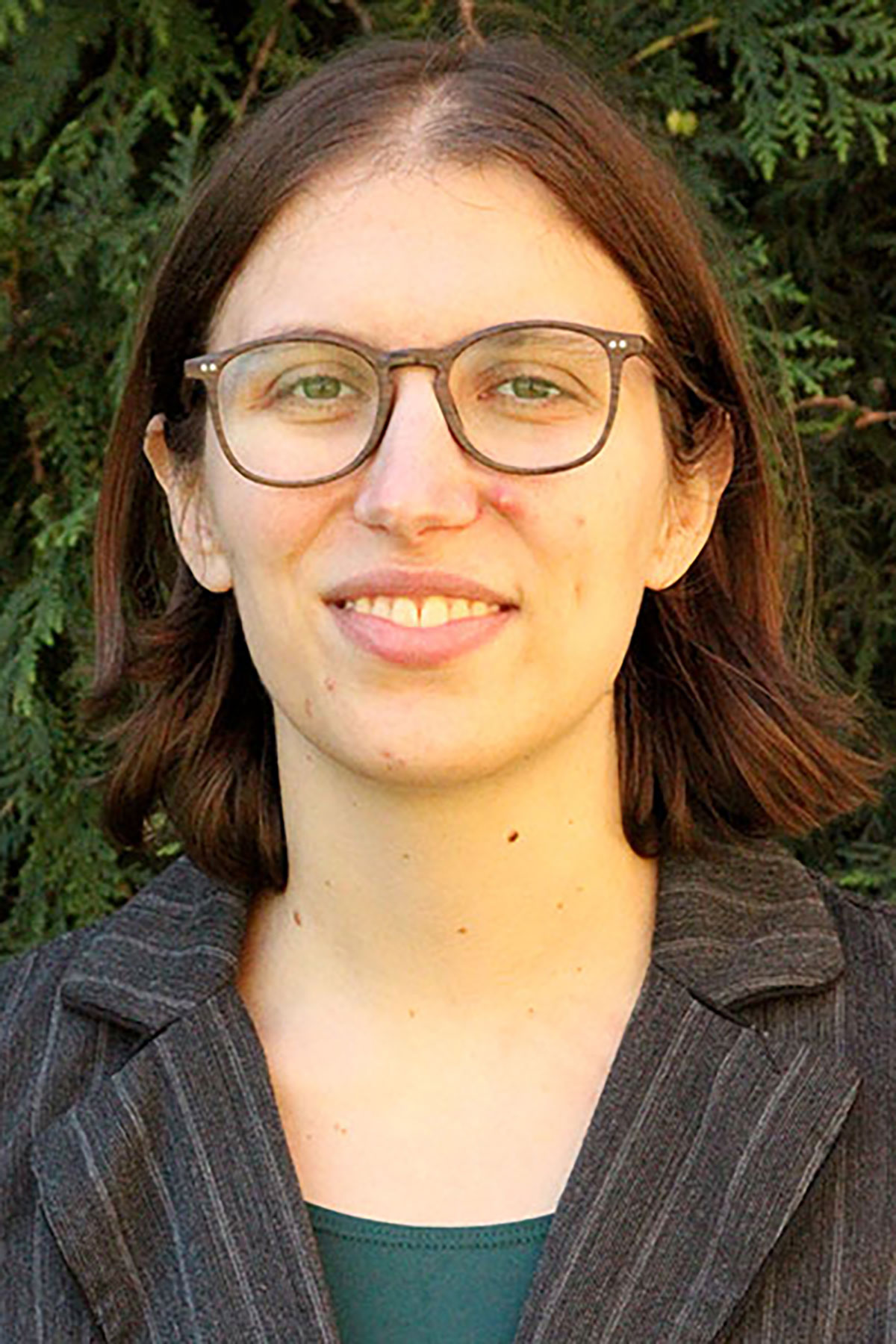
Lexie Weiner
- PK/ECSE Teacher – Gesell Institute 4K/Preschool
Location
Located at UW-Stevens Point
2025-26
3-Year-old Preschool
Monday and Tuesday: 8:40-11:40 a.m.<br> Wednesday and Thursday: 8:40-11:40 a.m.
2025-26
4K Program
Monday-Thursday: 12:30-3:40 p.m.
4K Guiding Principles
“To provide equal access to quality early childhood learning experiences for all children.”
We Believe …
For collaborative community based early childhood programs to be successful, we believe …
- Quality education occurs in safe facilitative environments
- Young children learn best in play-based classrooms with developmentally appropriate practices and curriculum (e.g. The Wisconsin Model Early Learning Standards)
- In teaching to the whole child (cognitive, physical, social, emotional)
- Literacy is at the core of quality instructional programming
- That teachers must respect the individuality of each child by appreciating their unique style and rate of learning
- Early childhood classrooms should be inclusive with early identification and intervention for children with special needs
- Parent/Community involvement is essential for successful programs
- Early learning environments are best when supporting consistent care while minimizing transitions
- Diversity within children and families builds a stronger learning community
- Early education is strengthened through offering comprehensive services such as family support and education, resource & referral, on-going assessment, and transportation
Admission Policies
Admission Policies
The Stevens Point Area Public School District does not discriminate on the basis of race, color, national origin, ancestry, marital status, pregnancy, parental status, arrest or conviction record, membership in the military reserve, religion, political beliefs or affiliations, citizenship, use or non-use of lawful products off school premises during non-working hours or any other factor prohibited by law. Discrimination on the basis of age, sex or other requirements constitutes a bona fide occupational qualification necessary to the proper and efficient operation and administration of the school district. The director of Student Services is the district’s compliance officer. If you have concerns, please call 715-345-5454.
Program Philosophy
The program is developmentally based, utilizing several principles set forth by Arnold Gesell.
- All children proceed through the same sequence of development, but all vary in rates of development.
- There is an inner timetable which determines the child’s rate of development. Trying to teach activities ahead of that timetable will at best result in only minor, temporary growth.
- A favorable environment helps to insure the realization of a child’s potential.
- Each child is unique in temperament and growth style. The culture should try to adjust to each child’s uniqueness.
Other theories upon which the program draws include those of Erik Erikson, Lev Vygotsky, and Jean Piaget. These theories provide us with a set of developmental expectations which allow us to plan appropriate activities and develop behavioral guidelines for children
Program Goals
Goals for Gesell Students
- To provide children with opportunities for social interaction with same age peers.
- To assure that children have a good start in the development of a positive self-concept.
- To assist children in the formation of positive attitudes toward school and learning.
- To provide the children with a wide variety of activities and experiences which will build the firm foundations for later academic learning.
- Conceptual development
- Language development
- Listening and following directions
- Thinking and decision making
- Independence and responsibility
- To provide children with opportunities to practice large and small motor skills.
- To encourage development of creativity
Goals for UWSP Students
- To provide a facility in which education students and related majors may observe the development process in young children.
- To provide opportunities for students in teacher preparation programs to observe a master teacher and then apply principles discussed in teaching method classes to real life situations.
- To provide a quality program for children 3-5 years of age.
- To provide university students, in various fields of study, direct experience working with children ages 3-5 years.
- To provide opportunities for students in teacher preparation programs to observe a master teacher and then apply principles discussed in teaching method classes to real life situations.
- To give UWSP students opportunities to interact with parents and to observe parent-child interactions.
- University students in the Gesell classroom will implement developmentally appropriate activities and encourage positive socialization between Gesell students.
Rose and Don Petersen Hands-on Learning Lab
Students at the Gesell Institute now have a space where they can learn about the importance of food from growing their own garden to preparing meals in a kitchen.
Education is made fun when taught through foods. The Rose and Don Petersen Hands-On Learning Lab promotes positive growth through activities such as:
- writing and following recipes
- measuring ingredients
- exploring the science of growing foods
- creating food-related artwork
- experiencing new foods
- learning about healthy eating and the farm-to-school movement
Rose ’57 and Don Petersen were instrumental in the redesign of the Gesell Institute and creating the Rose and Don Petersen Hands-on Learning Lab. Learn more about Rose’s legacy or find out how you can make a gift to support the Gesell program.