Welcome to WInSTEP
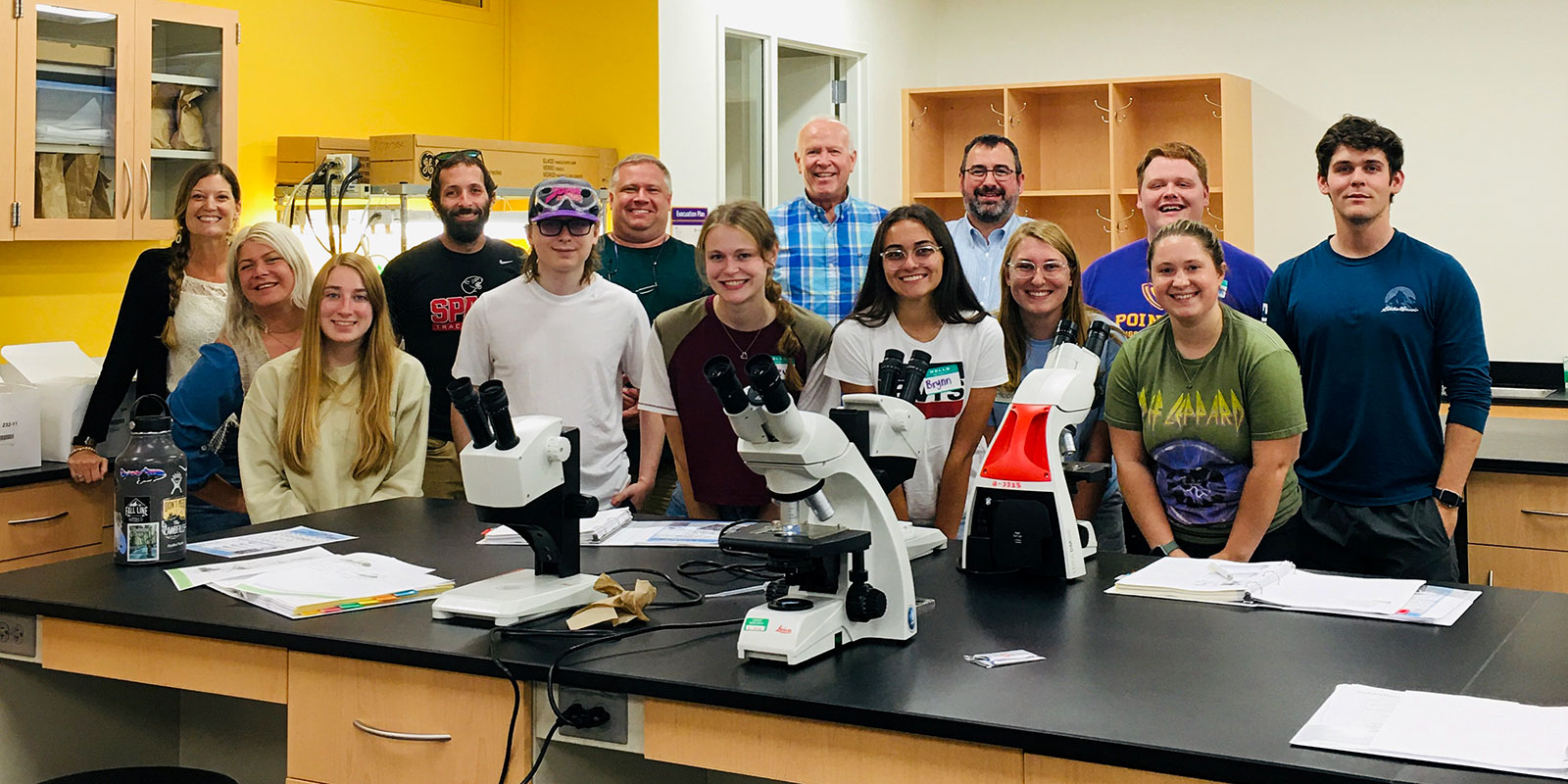
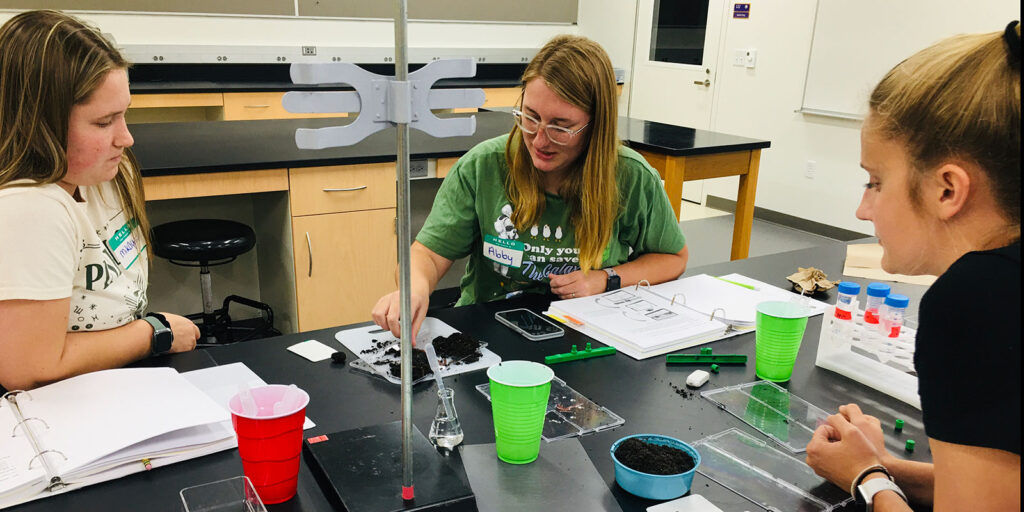
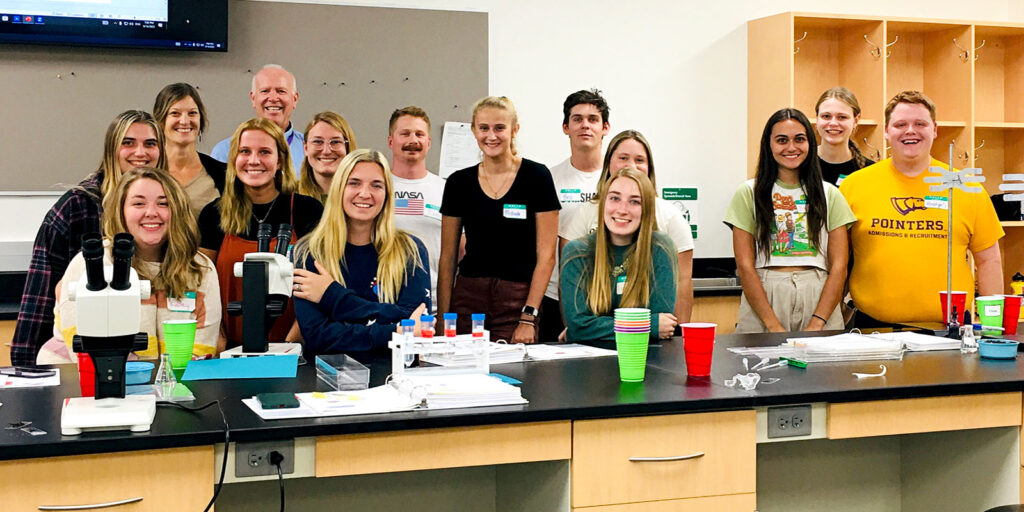
Known as the Wisconsin Inquiry-based Scientist-Teacher Education Partnership (WInSTEP) Program, the focus of this effort is to help preservice and middle and high school science teachers get more students involved in doing classroom-based research with an environmental health focus.
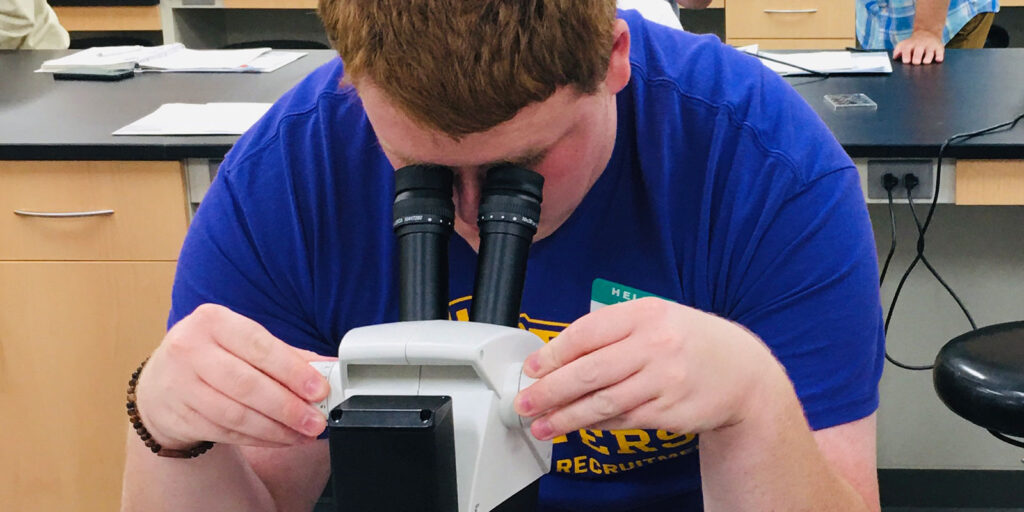
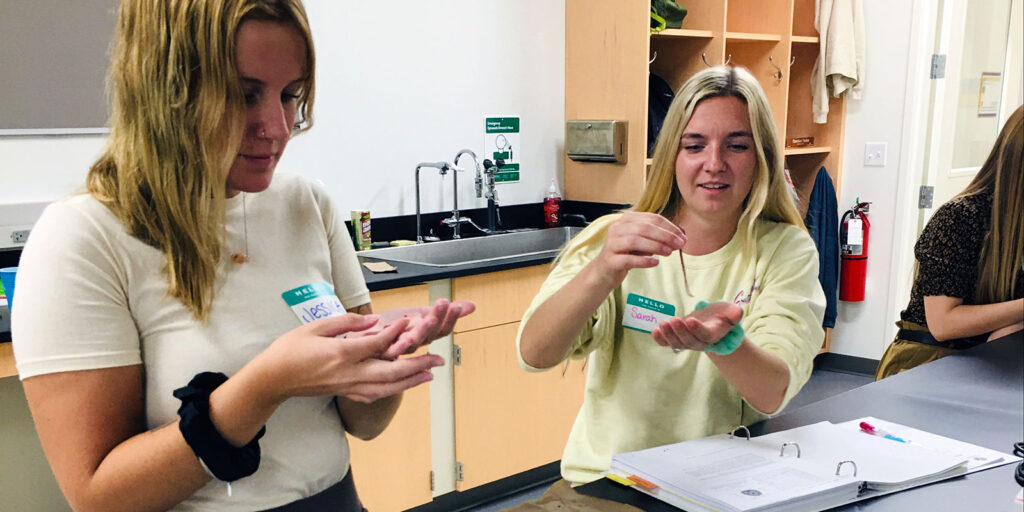
Using inquiry-based modules developed by professors David Petering and Craig Berg at UW-Milwaukee, teachers and students study the effects of various environmental agents on the development and behavior of organisms such as fathead minnows, zebrafish, and earthworms – and then communicate their research via the scientific process of writing papers and creating scientific posters. The year-long program culminates with an annual spring Student Research Conference that highlights the innovative research done by the students.
Calendar of Events
9/24
Zebrafish Module
9/26
Zebrafish Module
10/1
Zebrafish Module
10/3
Zebrafish Module
4/15
Student Research Conference
UWSP WINSTEP Contacts


Perry Cook
- Professor – Science Education
- Director – Harju Center for Opportunities in Education
- [ More… ]
SEPA Program
This project is made possible by Grant Number R25GM142031 awarded to the University of Wisconsin-Milwaukee from the Science Education Partnership Award (SEPA) Program, which is sponsored by the National Institutes of Health (NIH). NIH’s SEPA Program is designed to improve STEM teaching and learning throughout the nation through the funding of innovative educational programs. SEPA-supported projects create partnerships among biomedical and clinical researchers and K-12 teachers and schools, museums and science centers, media experts, and other educational organizations. The content is solely the responsibility of the authors and does not necessarily represent the official views of the National Institutes of Health.
Why Study Natural Science Education at UW-Stevens Point?
Our program provides students with frequent opportunities for hands-on learning in grade 4-12 classrooms and schools. This includes practicum experiences working with school-aged children early and often throughout the program. UW-Stevens Point graduates with Secondary Science Teaching Certification typically have some of the highest full-time job placement rates within their first year after graduation across the UW System. For example, more than 90 percent of our recent science education graduates have been hired within one year of graduation.
Our Hands-on Experiences
UW-Stevens Point offers its students dedicated labs for molecular genetics, cell biology, human and animal physiology, plant taxonomy, human anatomy, higher vertebrates and lower vertebrates. We are able to study in 40,000 acres of private, county and state land within 20 miles of campus, providing a great diversity of habitats for scientific investigations, and we have the only student-run vivarium in the state. Plus, the department operates the Northern Aquaculture Demonstration Facility.