GIS Professional Certificate Program

ADVANCE YOUR CAREER WITH A GIS PROFESSIONAL GRADUATE CERTIFICATE

4 Courses. 12 Credits. 100% Online! 

Build your expertise and accelerate your career in Geographic Information Systems (GIS) with UW–Stevens Point’s GIS Professional Graduate Certificate. This flexible online program is designed for working professionals looking to strengthen their geospatial skills and expand their career opportunities.

Why pursue your GIS Professional Graduate Certificate at UWSP?

Career Advancement
  • The demand for GIS professionals continues to grow as more industries rely on geospatial analysis, data modeling, and spatial decision‑making.
  • Program graduates gain critical Tier 4 and Tier 5 Geospatial Competencies, preparing you for advanced professional roles and supporting your readiness to sit for the GISP exam.
Affordability and Value
  • Our competitively priced tuition is $600 per credit—the same for both in‑state and out‑of‑state students.
  • Increase your earning potential: according to the Geospatial Professional Network, the average annual salary for geospatial professionals in 2024 was $91,774.
Flexibility
  • Designed for busy professionals, all courses are taught asynchronously, allowing you to complete coursework on your schedule.
  • Choose a pace that works for you: earn your certificate in two semesters or spread your coursework over four semesters.

GET STARTED TODAY!

Request information and start your journey in our online GIS program. Our team will reach out to you about attending an information session.

Loading…

Build Your Competencies in GIS

The GIS Professional Graduate Certificate program prepares you for a dynamic, rapidly evolving field with wide-ranging career opportunities. Whether supporting public health and safety initiatives or contributing to climate preparedness planning, you will develop the skills to address complex organizational and societal challenges.

Throughout the program, you will strengthen your data management techniques and learn how to analyze, interpret, and apply geospatial technologies to create effective, real-world solutions. Hands-on projects will give you experience with the latest GIS tools and industry practices.

In addition, the curriculum aligns with several Tier 4 and Tier 5 Geospatial Competencies, helping you build the expertise needed to confidently pursue the GISP Certification Exam.


A Proven Leader in Applied GIS Research

UW-Stevens Point has a long-standing reputation for advancing real‑world GIS solutions through hands‑on, community‑focused research. Students and faculty collaborate on impactful projects across Wisconsin such as watershed erosion assessments, lake bathymetric mapping, wildfire analysis, sustainable transportation studies, and public‑health spatial research. These applied experiences enrich learning, strengthen professional readiness, and demonstrate UWSP’s leadership in solving complex spatial challenges.


Career Growth in GIS is Strong

Your GIS Professional Graduate Certificate is in demand. According to the U.S. Bureau of Labor Statistics, GIS‑related fields are projected to grow 6% over the next decade, outpacing the average growth rate for all occupations.

Professionals with advanced GIS skills are especially sought after in roles such as:

  • GIS specialists
  • Cartographers
  • Photogrammetrists
  • GIS technicians
  • Software developers
  • Surveying and mapping technicians
  • Project management specialists


Invest in Your Future

Boost your earning potential with a GIS Professional Graduate Certificate. According to the Geospatial Professional Network’s 2024 GIS Salary Survey, GIS professionals earn an average salary of $91,774 and a median of $87,000, based on responses from over 4,600 geospatial employees. Salaries vary by job title, location, experience, and certification—highlighting the value of advancing your skills in this growing field.


Flexible Learning Options

We understand that continuing your education often means balancing work, family, and other commitments. That’s why our program offers flexible learning options, including 100% online courses designed to fit your schedule.

Even though the program is fully online, you won’t be learning alone. The GIS Professional Graduate Certificate provides meaningful opportunities to connect with classmates, faculty, and professionals in the GIS field—helping you build valuable networks throughout your studies.

All courses are delivered in an asynchronous format, allowing you to engage with course materials and complete assignments at the times that work best for you.


Curriculum

The program curriculum includes four 3-credit courses for a total of 12 credits of geospatial techniques courses. The certificate can be completed in two or four semesters, depending on the schedule that works best for you. All courses are full semester (16-week) courses and are taught in an asynchronous, online format. View the UWSP course catalog for more information.

Program graduates will meet various Tier 4 and Tier 5 Geospatial Competencies, furthering your readiness to sit for the GISP Exam. After completing the GIS Professional Certificate program, you will be able to:

  • Develop digital geospatial data that represent real-world phenomena and address organizational tasks and societal needs.
  • Communicate geographic information using geospatial tools, data and cartographic techniques.
  • Analyze aerial imagery using digital image processing and photogrammetric techniques.
  • Analyze geospatial conditions, patterns, trends, and relationships.
  • Apply geospatial technologies to address societal problems.

Courses:

GEOG 541: Geographic Information Systems I  (3-Credits)
Develop, use and maintain a geographic-based spatial information system (GIS) for resource management. Acquire and assess spatial data. Compare raster and vector data models. Computer-based geographic data handling, analysis, interpretation, and display. Cartographic spatial modeling.
Offered in Fall semesters. 

GEOG 577: Remote Sensing I (3-Credits)
Characteristics of aerial photographs and digital imagery. Use remote sensing materials to conduct resource inventories, land use evaluations, and landform analysis.
Offered in Fall semesters.

GEOG 742: GIS Database Design and Modeling (3-Credits)
GIS data modeling and database design, creation, maintenance, and integration using desktop GIS and database management software.
Prerequisite: GEOG 541
Offered in Spring semesters.

GEOG 743: Advanced Geospatial Techniques (3-Credits)
Advanced geospatial techniques for problem solving. Integration of digital databases to implement and visualize complex cultural and environmental geospatial analytics and models.
Prerequisite: GEOG 541
Offered in Spring semesters.

Tuition and Fees

Tuition for the online GIS Professional Graduate Certificate program is $600 per credit, plus distance education fees and segregated fees. Segregated fees are charged at a 50% reduced rate for this online program. The cost of the program is the same for in-state and out-of-state students.

TermCreditsTuitionDistance Education FeesSegregated Fees*Total**
Fall6$3,600$300$432$4,332
Spring6$3,600$300$432$4,332
     $8,664

*Segregated fees are estimated and are subject to change. Segregated fees are pro-rated for graduate students taking fewer than 6 credits in one semester.

**Total cost of the program is estimated. Additional administrative fees may apply.

Students seeking financial assistance are encouraged to contact their employer, as many offer tuition reimbursement. Federal and state Veteran education benefits can also be used to cover the cost of the program. Questions regarding financial aid should be directed to the UWSP Financial Aid office at finaid@uwsp.edu.

How To Apply

We are currently accepting applications for the Fall 2026 cohort. Applications to the program are reviewed on a rolling basis. The deadline to apply is August 7, 2026. Fall 2026 classes begin on September 2, 2026.

Admission to the GIS Professional Graduate Certificate program requires a bachelor’s degree from an accredited institution with a minimum undergraduate GPA of 3.0. Applicants with lower GPA’s who have professional GIS experience will be asked to submit supplemental application materials and will be considered on a case-by-case basis.

Step 1. Submit University Application. This step is for admission to UW-Stevens Point.

  • Select “No” when asked you are seeking a degree.
  • Select “Graduate” when asked whether you plan to take undergraduate or graduate courses.
  • Select “UW-Stevens Point” campus and then “GIS Professional Graduate Certificate“.
  • You will receive a welcome email with your UWSP student ID number within 2-4 business days.

Step 2. Submit Transcripts. This step is for admission to the GIS Professional Graduate Certificate Program.

  • After submitting your university application, email your unofficial transcripts to GIS@uwsp.edu. You will need to include unofficial transcripts for all post-secondary institutions you have attended. (UWSP alumni are not required to submit their UWSP transcripts.)
  • If you don’t meet the minimum 3.0 GPA admission requirement, we will email you to request a statement of relevant work experience and a letter of recommendation from a professional/academic reference who can speak to your experience and/or potential in GIS.
  • Program admission decisions will be made within approximately one week of receiving all application materials.

Step 3. Enroll in Classes

  • Students admitted to the GIS Professional Graduate Certificate program will receive a Welcome Letter with instructions on next steps for enrollment.
MEET YOUR FACULTY

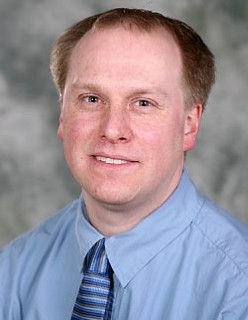
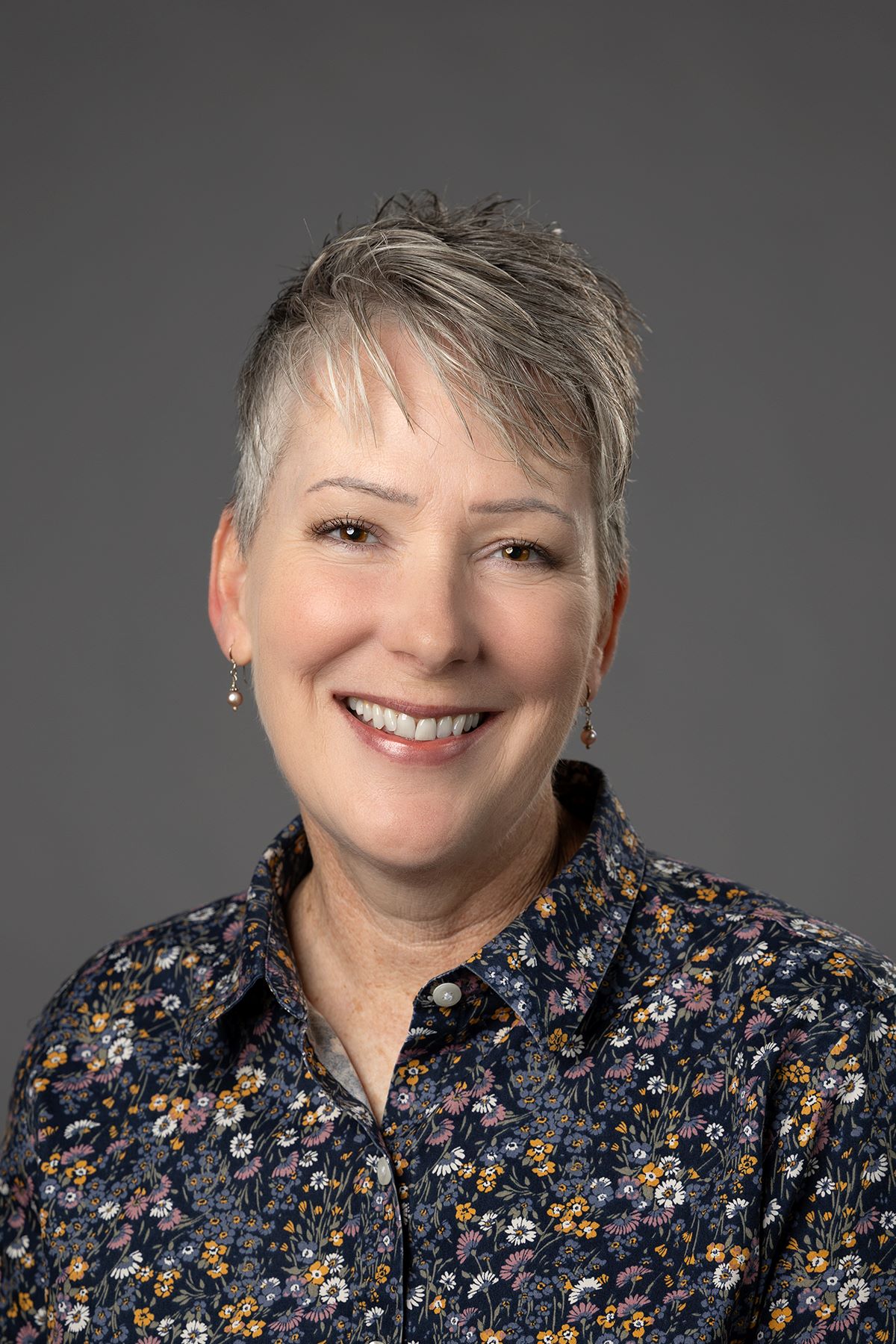
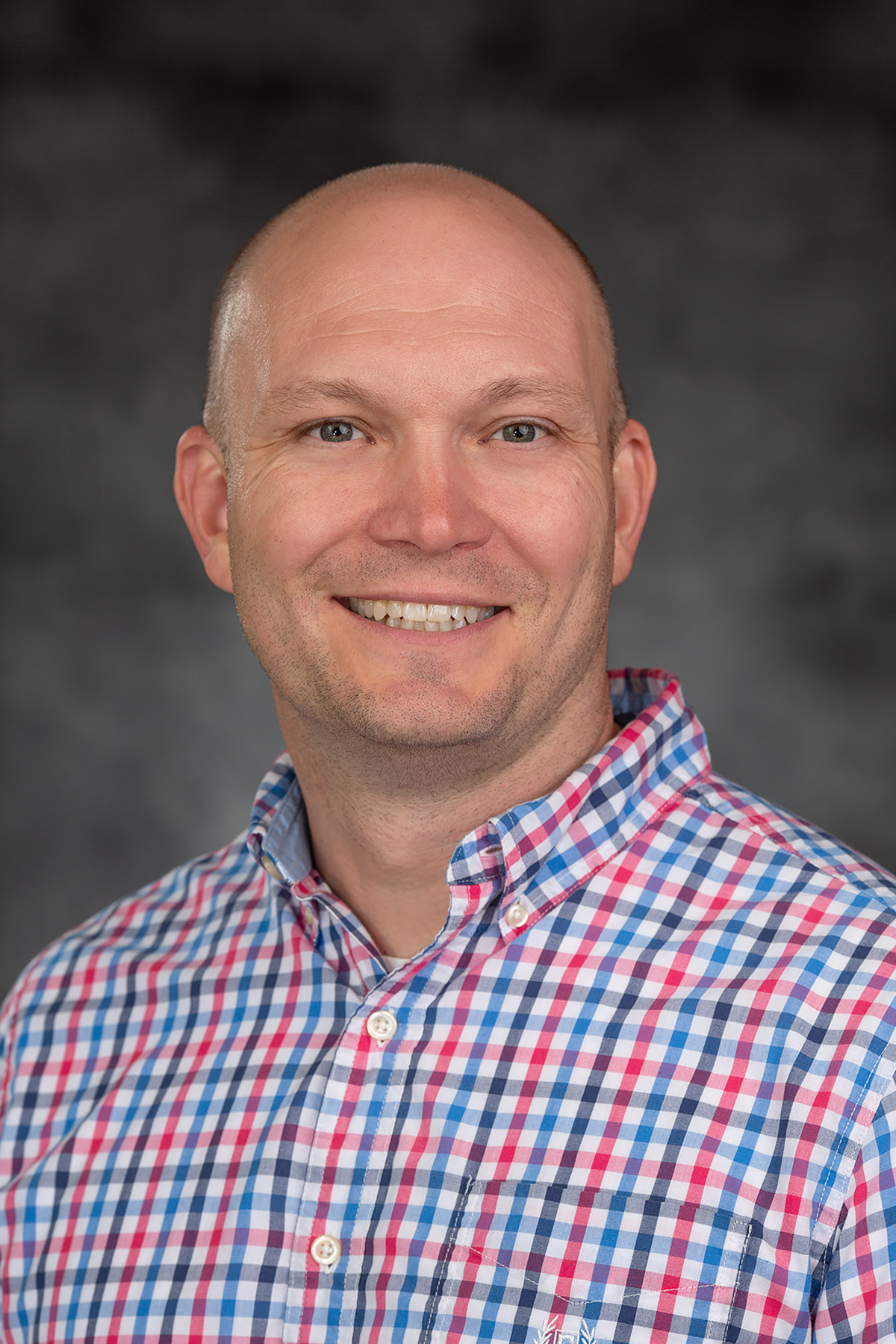
Profile Photo: Doug Miskowiak

Doug Miskowiak

  • GIS Instructional Administrator
  • GIS Graduate Certificate Program Director
  • [ More… ]
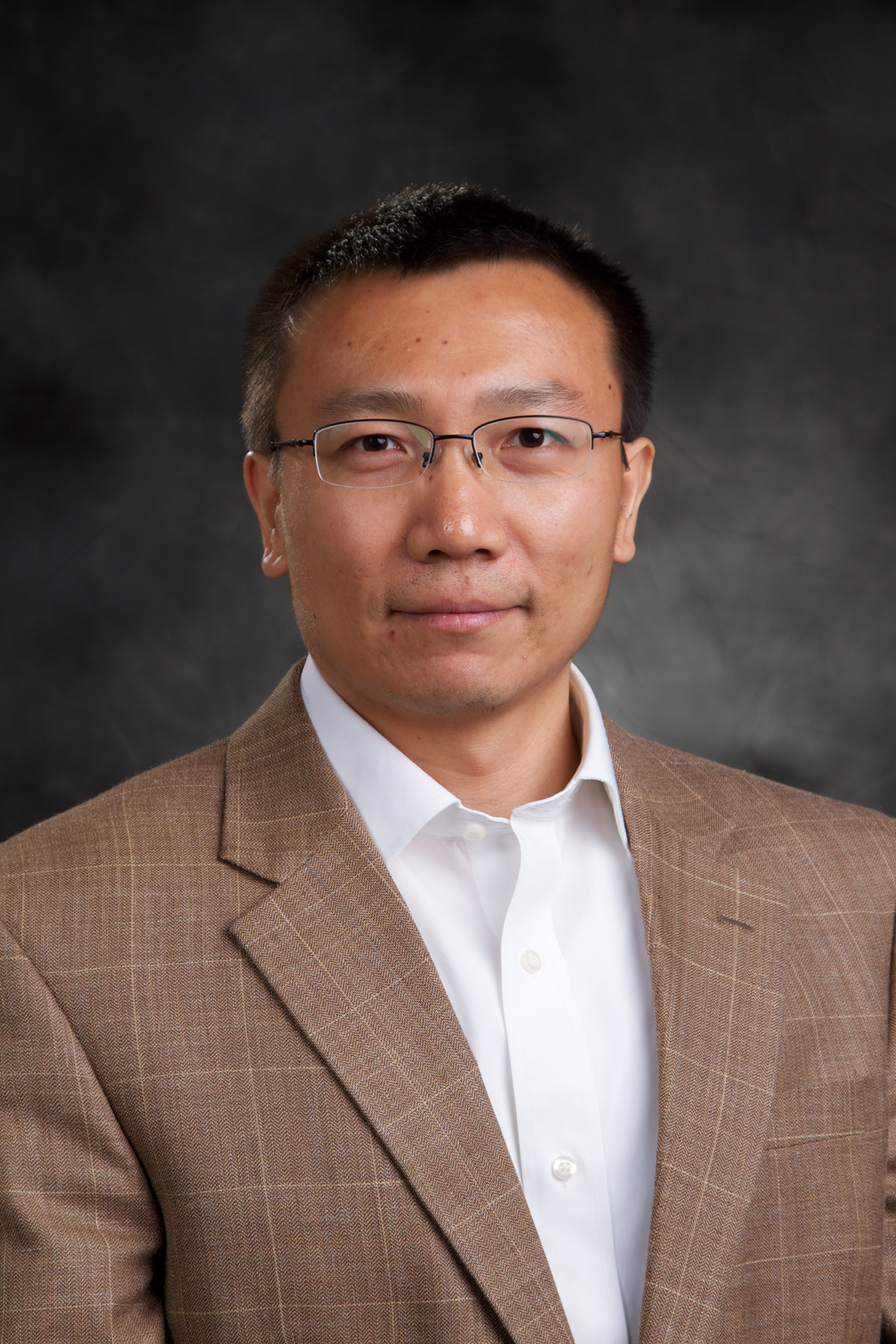
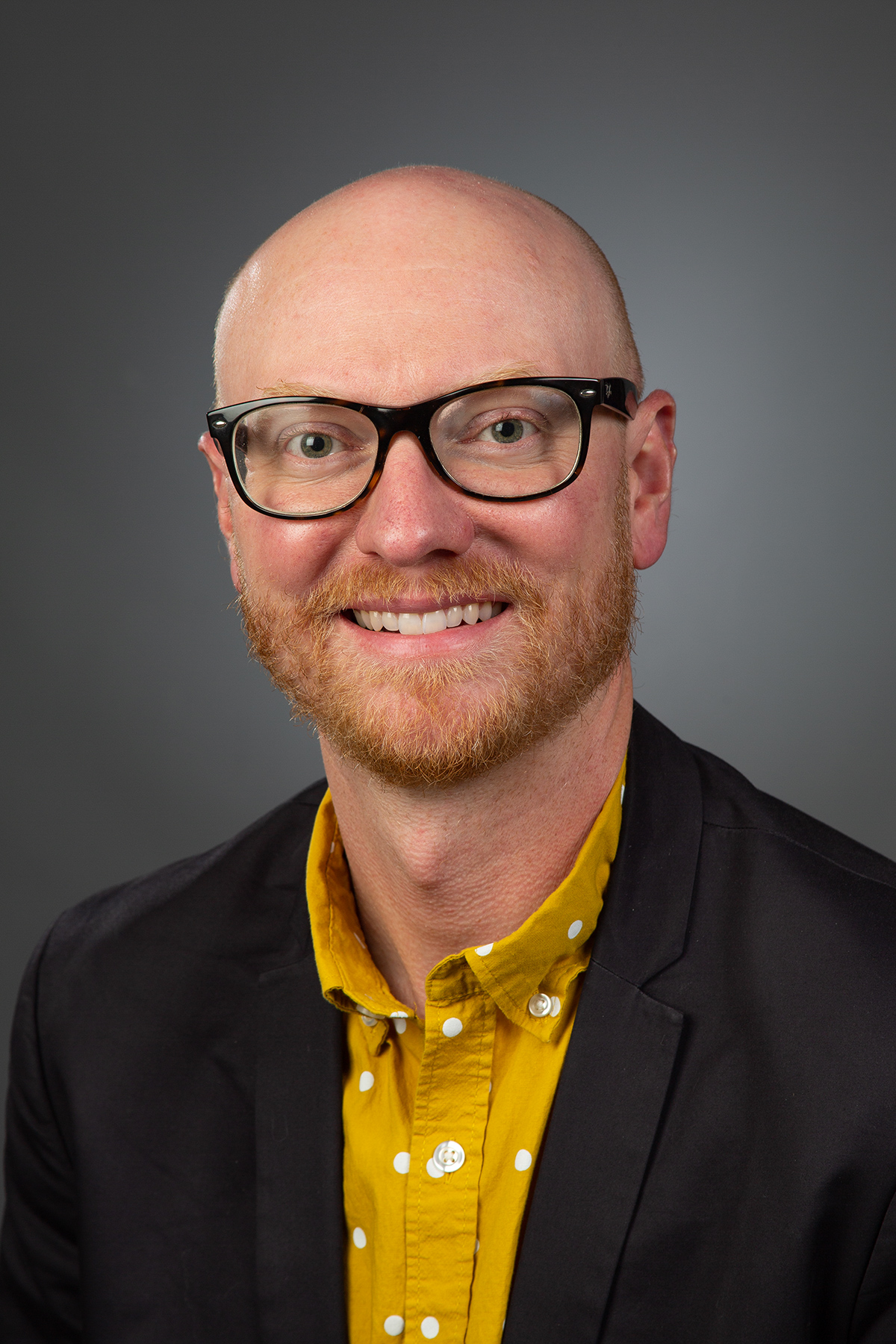
Profile Photo: Jamie Chavez

Jamie Chavez

  • Associate Lecturer
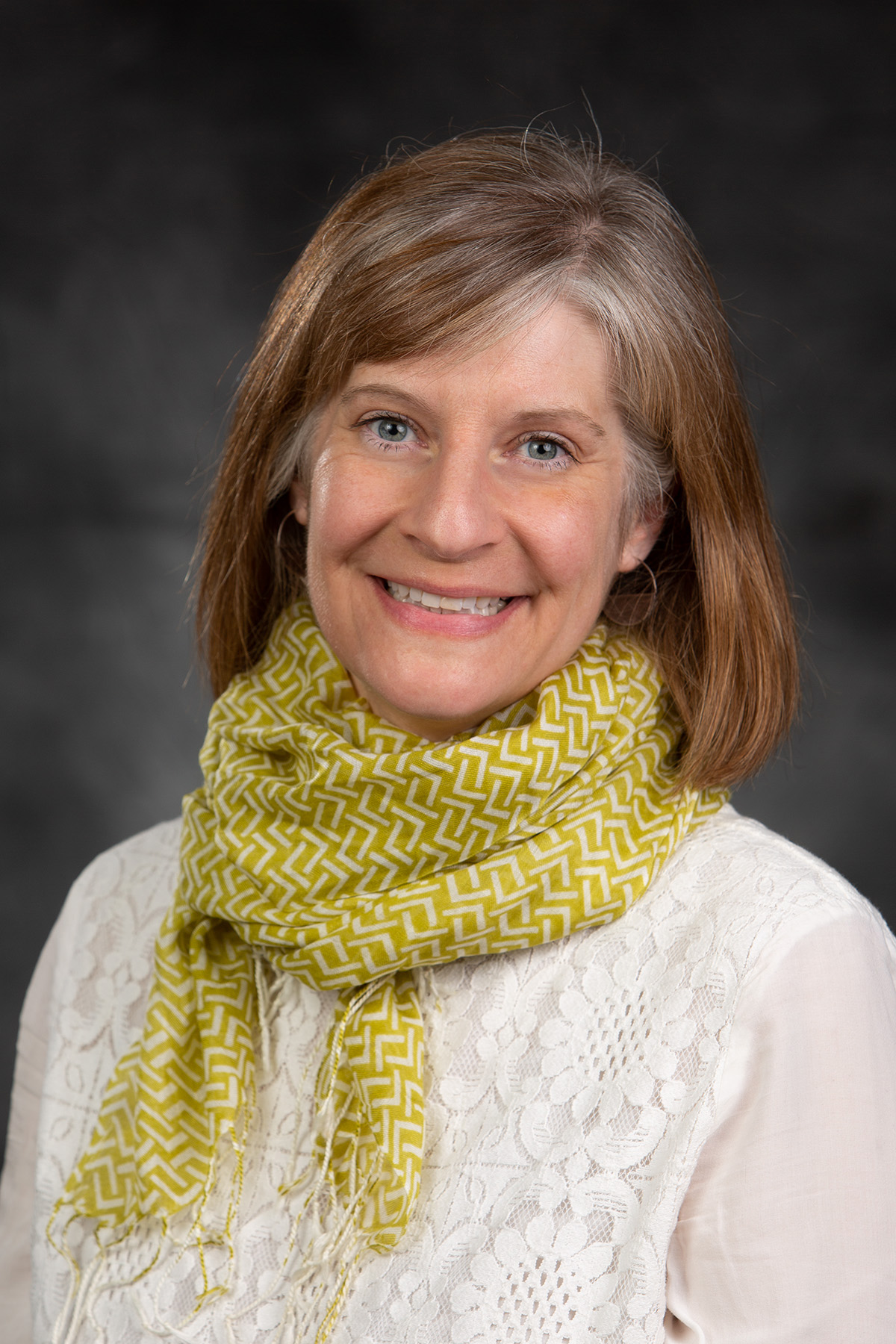
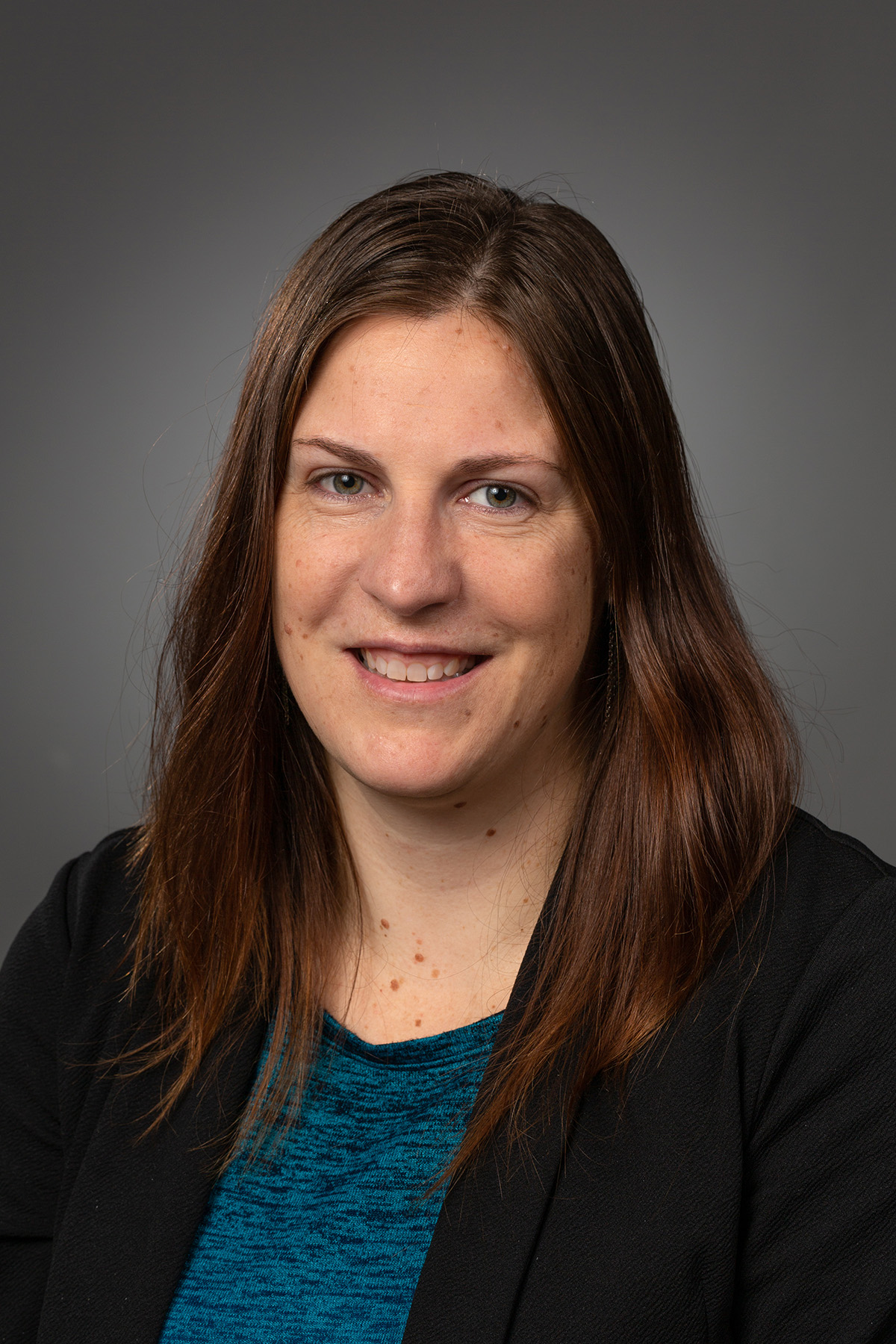
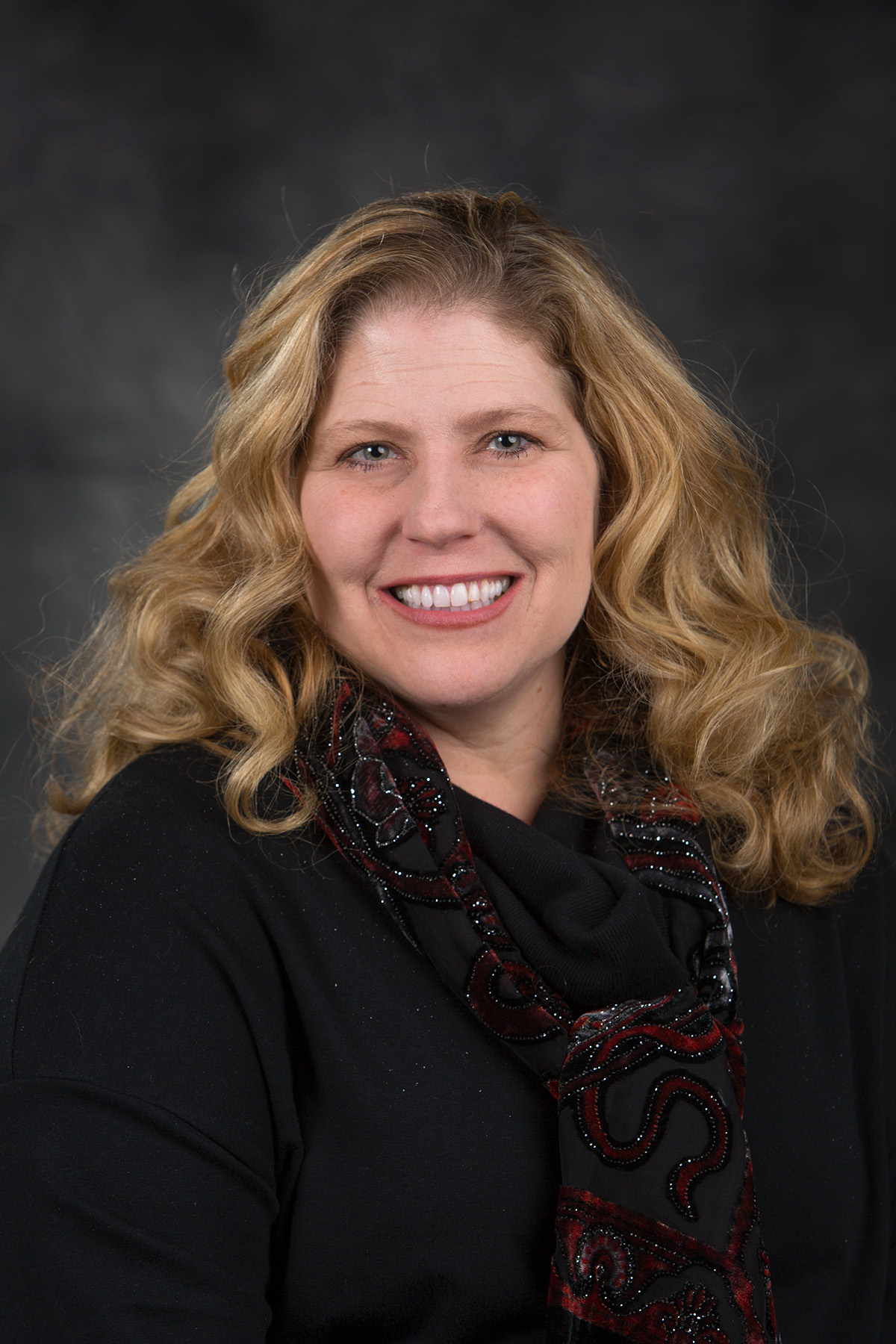
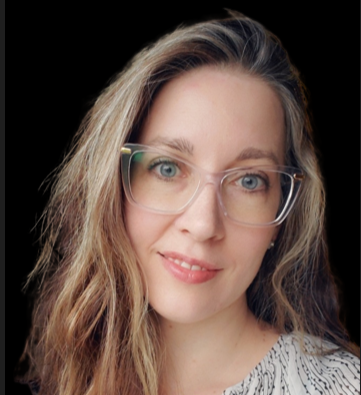
Profile Photo: Vanessa Bailey

Vanessa Bailey

  • Assistant Professor
SCI 305B

Master of Social Work (MSW)

A MASTER OF SOCIAL WORK PROGRAM TAILORED FOR YOU

Earn your MSW degree through our flexible and accessible 100% online program. Combine your passion for serving others with our expertise and established partnerships.

Why pursue your MSW at UWSP?

Flexibility
  • Most courses are asynchronous
  • Part-time or full-time enrollment available
  • Practicum hours can be completed in or near your home community
Connection
  • Select courses have an evening Zoom component that allows you to build relationships and stay connected to your peers and professors
Career Advancement
  • Prepares you for more advanced, higher-paying positions and leadership opportunities
  • Can qualify you for licensure, open doors to independent clinical roles, and equip you with high-demand skills such as policy advocacy and specialized clinical practice


GET STARTED TODAY!

Request information and start your journey in our online MSW program. Our team will reach out to you about attending an information session.

Loading…


Elevate Community Well-Being

With an emphasis on serving rural communities, our program prepares students to be collaborative organization leaders who advocate for social, economic, racial, and environmental justice and the development of responsive social policies, programs and services. The MSW at UWSP prepares students to abide by the NASW Code of Ethics and to employ systems, strengths-based, and empowerment approaches in serving individuals, families, groups, institutions, and communities.


Career Growth in Social Work

Your MSW degree is in demand. According to the U.S. Bureau of Labor Statistics, employment of social workers is projected to grow 6% in the next ten years, faster than the average for all occupations. A variety of trends are influencing this growth including ongoing child welfare needs, the increasingly recognized value of social workers in school settings, the growth of our aging population, and more and more people seeking treatment for mental health issues and substance use disorders.


Online but Connected

Through our robust online program, we develop meaningful connections among faculty and students. While many classes are asynchronous, others have a required Zoom component that fosters collaborative skills, builds community, and allows for deeper exploration of concepts.


A Plan for Every MSW Student

Advanced or regular standing. Our program meets your individual needs. You will work with our advisers to help you follow a course plan that fits your graduation goals!


MSW TUITION

$625 per credit

FT Advanced Standing

Full-Time Advanced Standing

TermCreditsTuition + Fees*
Summer3$2,158  
Fall15$10,710  
Spring15$10,710  
Total33$23,578  

The MSW program is $625 per credit and is the same price for students who reside in-state or out-of-state.

*Tuition and fees totals include estimated segregated fees and distance education fees. Distance education fees are assessed at $50 per credit for online courses. Additional administrative fees may apply. Students pursuing the School Social Work pathway will be required to complete 2 additional credits.

UWSP Tuition and Fees

UWSP Financial Aid Office

PT Advanced Standing

Part-Time Advanced Standing

TermCreditsTuition + Fees*
Fall6$4,885  
Spring6$4,885  
Summer3 $2,158  
Fall9$6,600  
Spring9$6,600  
Total33$25,248  

The MSW program is $625 per credit and is the same price for students who reside in-state or out-of-state.

*Tuition and fees totals include estimated segregated fees and distance education fees. Distance education fees are assessed at $50 per credit for online courses. Additional administrative fees may apply. Students pursuing the School Social Work pathway will be required to complete 2 additional credits.

UWSP Tuition and Fees

UWSP Financial Aid Office

FT Regular Standing

Full-Time Regular Standing

TermCreditsTuition + Fees*
Summer3$2,158  
Fall14$10,085  
Spring14$10,085  
Summer3$2,158  
Fall15$10,710  
Spring15$10,710  
Total64$45,906  

The MSW program is $625 per credit and is the same price for students who reside in-state or out-of-state.

*Tuition and fees totals include estimated segregated fees and distance education fees. Distance education fees are assessed at $50 per credit for online courses. Additional administrative fees may apply. Students pursuing the School Social Work pathway will be required to complete 2 additional credits.

UWSP Tuition and Fees

UWSP Financial Aid Office

PT Regular Standing

Part-Time Regular Standing

TermCreditsTuition + Fees*
Fall6$4,885  
Spring6$4,885  
Summer3$2,158  
Fall8$6,035  
Spring8$6,035  
Summer3$2,158  
Fall6$4,885  
Spring6$4,885  
Fall9$6,600  
Spring9$6,600  
Total64$49,246  

The MSW program is $625 per credit and is the same price for students who reside in-state or out-of-state.

*Tuition and fees totals include estimated segregated fees and distance education fees. Distance education fees are assessed at $50 per credit for online courses. Additional administrative fees may apply. Students pursuing the School Social Work pathway will be required to complete 2 additional credits.

UWSP Tuition and Fees

UWSP Financial Aid Office

FAQ

What are the requirement differences between regular and advanced standing?

Regular Standing Admission Standards
Applicants must have a baccalaureate degree from a regionally accredited college or university in the United States. International applicants must have a degree comparable to a regionally accredited U.S. baccalaureate degree

Advanced Standing Admission Standards
Applicants must have a CSWE-accredited baccalaureate degree in social work, or an internationally earned ISWDRES-evaluated degree comparable to a baccalaureate in social work, earned within the last 7 years.

Note: We are currently only accepting regular standing students. Advanced standing students will be eligible to apply in August 1, 2026 for the Summer 2027 cohort.

How long will it take to complete the program?

Regular standing students:

  • Part-time: 4 years
  • Full-time: 2 years

Advanced standing students:

  • Part-time: 2 years
  • Full-time: 1 year
Can I complete the program all in my home community?

Yes! The courses are fully online with the required practicum to be completed in or near a student’s home community.

How many hours of practicum are required?

Regular standing students will complete 400 hours of practicum during the foundation year of the program and an additional 500 hours in a separate setting during the advanced year.

Advanced standing students will complete 500 hours of practicum during the advanced year.

Placement hours are dispersed throughout the academic year (September-May), averaging approximately 17 hours per week.

Does the program allow employment-based practicum placement?

Yes, but there is a specific application and screening process that must be completed for this option. We cannot guarantee employment-based practicum.

Will I be able to claim CSWE accreditation when I graduate?

Yes, we are launching the program in a way that all students will be able to claim the accreditation status when they graduate.

The UW-Stevens Point MSW Program has achieved candidacy for accreditation by the Council on Social Work Education’s (CSWE) Board of Accreditation (BOA). Candidacy status indicates that it has made progress toward meeting standards of program quality evaluated through a peer review accreditation process. A program that has attained candidacy status has demonstrated a commitment to meeting the accreditation standards but has not yet demonstrated full compliance. Students that are admitted to candidate programs in the fall (or later) of the academic year in which the program is granted candidacy status will be retroactively recognized as graduates from a CSWE-BOA accredited program as long as the program attains initial accreditation. Candidacy is typically a 3-year process and attaining candidacy does not guarantee that a program will eventually attain initial accreditation. Candidacy applies to all program options, which include locations and delivery methods.  Accreditation provides reasonable assurance about the quality of the program and the competence of students graduating from the program.

Review our program’s candidacy status in CSWE’s Directory of Accredited Programs. For more information about social work accreditation, contact CSWE’s Department of Social Work Accreditation at accreditation@cswe.org.

logo in blue and white for Council on Social Work Education
What resources and services are available to MSW students?

MSW students have access to a variety of resources to support their academic success and well-being. These services are funded by a combination of tuition, distance education, and segregated fees. Resources include:

Dean of Students Office – Support for navigating academic, conduct-related, or personal challenges. Visit the Dean of Students website.

MSW Student Handbook – A comprehensive guide to program policies, curriculum, practicum education, and student expectations. Access the handbook here.

MSW Student Center – A Canvas-based site used during orientation and throughout the program as an ongoing resource. Students self-enroll after receiving UWSP credentials. It includes modules on curriculum, policies, practicum education, self-care, and professional development. Faculty and instructors encourage its use through advising and course activities.

Faculty Advising – Each MSW student is assigned a faculty advisor who provides individualized guidance throughout the program. Advising includes course planning, career development, and support for academic success. Students meet with their advisor at least once per semester and may request additional consultations.

Counseling Center – Offers online telemental health counseling and psychological services for students, including support for stress, anxiety, depression, and other concerns. Learn more and schedule services at the Counseling Center website.

Student Health Services – Provides virtual consultations, information, and referrals for health and wellness needs. While some services require in-person visits, many resources can be accessed remotely. Learn more at the Student Health Services website.

Tutoring-Learning Center – Offers online and virtual academic assistance for writing, research, and coursework, including one-on-one tutoring and workshops accessible remotely. Learn more at the Tutoring-Learning Center website.

Disability Resource Center – Provides accommodations and support for students with disabilities, including those enrolled in online programs. The DRC works virtually with students to ensure equal access to courses and learning activities. Learn more at the Disability Resource Center website.

Academic and Career Advising Center – Guidance on course planning, job search strategies, and career development. Learn more at the Academic and Career Advising Center website.

Financial Aid Office – Assists students with understanding and applying for financial aid, scholarships, and grants. Learn more at the Financial Aid website.

Veterans Services – Provides support for military-connected students, including assistance with VA benefits, tuition, and academic resources. Learn more at the Veterans Services page.

Student Experience and Transformation Office – Offers programs and services to enhance student engagement, leadership development, and transformative learning experiences. Learn more at the Student Experience and Transformation website.

Meet Your Faculty

Our experienced social work faculty at UW-Stevens Point will help you complete your MSW degree and prepare you to address the most challenging social concerns in our communities.

Archives: Faculty / Staff Profiles – Faculty / Staff Directory

Profile Photo: Amy Zlimen Ticho

Amy Zlimen Ticho

  • Professor
  • Chair, Department of Sociology and Social Work
  • [ More… ]
Profile Photo: Jess Bowers

Jess Bowers

  • Associate Professor
  • BSW Program Director
  • [ More… ]
Profile Photo: Keri Otte

Keri Otte

  • Assistant Professor
  • MSW Practicum Director
Profile Photo: Margaret Kubek

Margaret Kubek

  • Assistant Professor
SCI B341

Social Work Advisory Board

The UW–Stevens Point Social Work Advisory Board supports both the BSW and MSW programs by providing external, practice‑informed perspectives that enhance the quality, relevance, and community connection of social work education.

The advisory board plays an important role in strengthening curriculum alignment with workforce needs, supporting high‑quality field education, and advancing the mission of the social work programs through collaboration with community practitioners and stakeholders.

Advisory board members:

  • Provide insight on current and emerging issues impacting social work practice
  • Strengthen connections between the university and the practice community
  • Support continuous program improvement and student preparation for professional practice

Members serve two‑year terms and meet at least twice per academic year.

Inaugural Advisory Board Members

Students

  • Holden Caw (BSW Student)
  • Brandie Hanson (BSW Student)
  • Mallory McGivern (MSW Student)

Practice Professionals and Community Partners

  • Katie Haupt
  • Jacqueline Ingrouille
  • Teresa Kovach
  • Beth Larsen
  • Tim Moe
  • Joseph Rickert
  • Jennifer Schreiber
  • See ViXai Thao
  • Mykeerah Zarazua

Child Advocacy Studies

The certificate is administered by the Department of Sociology and Social Work.

View course catalog

Courses Required in the Certificate:
Consists of 9 credits.

  • SW 316 – Child Welfare Practice
  • SW 317 – Advanced Assessment and Intervention in Child Welfare
  • SW 318 – Responding to Survivors of Child Maltreatment

Earth and Space Science for Educators

This certificate program is intended for, but not limited to, those students pursuing a degree in science education. The certificate can be completed concurrently with your undergraduate degree in Natural Sciences with teaching intent or a related field. The certificate does not meet the requirements for an Earth/Space license through the Wisconsin Department of Public Instruction.

Consists of a minimum of 15 credits. The certificate is administered jointly by the Department of Physics and Astronomy and the Department of Geography and Geology.

Required Courses, 12 credits

  • ASTR 205 – The Solar System Credits: 4
  • ASTR 206 – Stars and Stellar Systems Credits: 4
  • GEOG 105 – The Dynamic Earth Credits: 3
  • GEOL 106 – Earth History Credits: 1

Elective Courses, 3 credits

Choose From:

  • ASTR 306 – Observational Astronomy Credits: 3
  • GEOG 208 – Weather and Climate Credits: 3
  • GEOG 308 – Climate: Past, Present, and Future Credits: 3 or
  • GEOL 308 – Climate: Past, Present, and Future Credits: 3
  • GEOG 312 – Geomorphology Credits: 3 or
  • GEOL 312 – Geomorphology Credits: 3
  • GEOL 104 – Physical Geology Credits: 4
  • GEOL 230 – Environmental Geology Credits: 3
  • GEOL 370 – Glacial Geology Credits: 3

For more information, please visit the UW-Stevens Point course catalog.

Social Justice and Equity

The Social Justice and Equity certificate critically examines the principles of social justice theory and practice, social activism, and cultivates professional proficiencies that address equity, diversity and inclusion – with particular focus in the United States. Coursework includes elective and applied courses as well as a core requirement course (SOC386). This certificate program consists of 12 credits.

Required Course
SOC 386 – Social Change and Social Movements Credits: 3

Applied Courses (3 Credits)

Choose from the following:

  • ENGL 347 – Grant and Proposal Writing Credits: 3
  • ENGL 370 – Legal Writing Credits: 3
  • BUS 201 – Writing and Presenting for Business Credits: 3

Elective Courses (6 Credits)

Choose from the following:

  • WGS 105 – Introduction to Women’s and Gender Studies Credits: 3
  • SOC 270 – Race and Ethnicity Credits: 3
  • SOC 327 – Social Inequality Credits: 3
  • HIST 285 – Women in American History Credits: 3
  • REL 311 – American Religious History Credits: 3
  • REL 330 – Women and Religion Credits: 3
  • PHIL 381 – American Indian Environmental Philosophies Credits: 3
  • POLI 315 – Minority Group Politics Credits: 3
  • POLI 360 – Gender and Politics in Comparative Perspective Credits: 3
  • MSTU 394 – Sex, Media and Rape Culture Credits: 3
  • ENGL 278 – Asian American Literature Credits: 3
  • ENGL 279 – Chicano and Chicana Literature Credits: 3
  • ENGL 280 – American Indian Literature Credits: 3
  • ENGL 282 – Black Literature Credits: 3
  • ENGL 340 – Language, Gender and Sexuality Credits: 3

FOR MORE INFORMATION

Contact:

David Barry, Ph.D.
Associate Professor of Sociology
Social Justice and Equity program coordinator
dbarry@uwsp.edu

Organizational Leadership

DEVELOP THE SKILLS TO LEAD AND STRENGTHEN COMMUNITY ORGANIZATIONS

The core courses in the Organizational Leadership B.S. provide a clear and broad curriculum in applied social science. Graduates will be able to apply knowledge of business practices to leadership and management and understand the importance of social science to organizational leadership. Many of the courses required for the B.S. in Organizational Leadership will also satisfy GEP requirements.

School of Behavioral and Social Sciences

Why study Organizational Leadership at UW-Stevens Point?

Our Organizational Leadership degree B.S. promotes career development for students by promoting cultural, social, and political literacy as it applies to the development of leadership skills; developing applied business skills in leadership and project management; strengthening interpersonal and organizational communication skills in both writing and speech.


Graduate School Preparation

A degree in Organizational Leadership provides a pathway to careers in training and development, community and nonprofit administration, higher education, project management, and general business administration.


WHAT TO EXPECT

The student majoring in Organizational Leadership will study cultural, social, and political literacy as it applies to the development of leadership skills; developing applied business skills in leadership and project management; strengthening interpersonal and organizational communication skills in both writing and speech.

The B.S. in Organizational Leadership requires at least 120 credits hours, and up to 72 credits may be awarded for coursework previously completed for the Applied Associate degree. Students enrolled in the program will also be required to complete the General Education Program (GEP) requirements. View UW-Stevens Point course catalog.

Students choose from required courses in ethics, business leadership, organizational behavior, principles of management, legal writing or grant and proposal writing.  Our classes are mostly small, discussion-based and student centered. 

GET INVOLVED ON CAMPUS

UW-Stevens Point offers a wide range of activities and clubs that provide student leadership opportunities. Examples include the Sociology & Social Work Organization, Professional Speaking & Leadership Club of UWSP, Women in Business, Philosophy Club of UWSP, Pi Sigma Alpha, Psychology Club, and The Business Club. Each fall, learn about volunteer organizations looking for student support. Social clubs such as Delta Phi Epsilon organize speakers, programs, trips and other events of interest to our students.

More opportunities can be found on the Stevens Point Involvement Network (SPIN)

MEET YOUR FACULTY

Our diverse faculty, with backgrounds from around the U.S. and around the world, has expertise in a wide range of subjects including economics, demography, community studies, writing and communications, global issues, and more.

Profile Photo: Brad Mapes-Martins

Brad Mapes-Martins

  • Professor
D333 Science Building
Profile Photo: Craig Wendorf

Craig Wendorf

  • Assistant Dean, School of Behavioral and Social Sciences
  • Professor
Profile Photo: M. David Chunyu

M. David Chunyu

  • Associate Professor
SCI B335

Social Work – Online

EARN AN ONLINE SOCIAL WORK DEGREE, OPEN DOORS

UW-Stevens Point’s Social Work Program is accredited by the Council on Social Work Education. Students develop skill in working with individuals, families, groups, organizations, and communities as well as advancing human rights, engaging in policy practice, using evidence-based strategies, and striving for inclusivity and equity across society. 

With the convenience of a 100% online degree pathway, students have maximum flexibility.  Most classes are offered asynchronously, with no meeting times, while some have a synchronous component offered via Zoom.  Canvas is used as an educational platform.

SOCIAL WORK BA SOCIAL WORK BS

SOCIAL WORK MAJOR ONLINE PATHWAY

UWSP Program Requirements*:

Consists of 64 credits in core social work, required supporting courses, and electives. *Students will take online individual courses to fulfill general education credits and supplement on-campus coursework.  Course credit will not be granted for life experience or previous work experience. Students must meet the following requirements:

  • Core Courses: SW 261, SW 262, SW 303, SW 316, SW 359, SW 361, SW 362, SW 365, SW 376, SW 377 or SW 385, SW 494, SW, 495
  • Supporting Courses: POLI 101, PSYC 110 and SOC 101.
    SOC 270 or SOC 327
    SOC 351 or PSYC 300 and
    SOC 352 or SW 352
  • Choose 3 additional elective credits: SW 381, SW 383, SW 384 or SW 387

You can find more information about the UWSP general education program by visiting the UWSP General Education page. View UW-Stevens Point course catalog.

Department of Sociology and Social Work

Work at Your Pace

Your online degree in Social Work provides you the flexibility to start or complete your degree fully online with instructors who are highly interactive in the remote learning environment. In addition to a regular 4-year plan of study, part-time and accelerated options are available.


Accredited Program

The B.A. and B.S. majors in Social Work are accredited by the Council on Social Work Education (CSWE).


WHAT TO EXPECT

The UWSP Social Work program is designed to prepare students for entry-level professional social work as well as graduate study in social work. Students typically apply for acceptance into the program during their sophomore year. Learn more here!

All students are required to complete at least 400 hours of internship in an approved agency and meet in a weekly seminar each semester that they are interning. Internships can take place in the student’s home community. The Department of Sociology and Social Work has established relationships with more than 70 community agencies in Central Wisconsin and beyond, involving many different client populations.

JOBS FOR SOCIAL WORK GRADUATES

Social Work graduates are in demand, with a faster than average growth rate of 9 percent projected from 2021-2031 (U.S. Bureau of Labor Statistics). Nationwide, social and community service manager openings are projected to increase 16 percent from 2022-2030. (Lightcast)

Typical jobs held by graduates include:

  • Health Education Specialist: $48,860 median salary
  • Probation Officer: $60,250 median salary
  • Social Worker: $50,390 median salary
  • Rehabilitation Counselor: $38,560 median salary
  • Substance Abuse, Behavioral Disorder Counselor: $48,520 median salary
  • Social and Community Service Manager: $74,000 median salary
  • School and Career Counselor: $60,510 median salary
  • Community Health Worker: $48,860 median salary
  • Social and Human Service Assistant: $37,610 median salary

Our graduates have worked for companies including:

  • Children’s Hospital of Wisconsin
  • Marshfield Health System
  • Family Crisis Center
  • North Central Health Care
  • Behavioral Health Clinic
  • Mendota Mental Health Institute
  • Heartland Home Care & Hospice
  • Aspirus Wausau Hospital
  • Taylor County Human Services

Meet Your Faculty

UW-Stevens Point social work faculty have a broad range of experience within the field. Our Social Work faculty members hold a MSW/MSSW in social work, and several hold a Ph.D. or DSW in social work. They have expertise in mental health, substance use disorders, hospice and medical social work, school social work, and public child welfare. Students admitted into the social work major will be assigned one of the full-time social work faculty members as an adviser.

Profile Photo: Amy Zlimen Ticho

Amy Zlimen Ticho

  • Professor
  • Chair, Department of Sociology and Social Work
  • [ More… ]
Profile Photo: Jess Bowers

Jess Bowers

  • Associate Professor
  • BSW Program Director
  • [ More… ]
Profile Photo: Kate Kipp

Kate Kipp

  • Associate Professor
Profile Photo: Margaret Kubek

Margaret Kubek

  • Assistant Professor
SCI B341
Profile Photo: Tara Anderson

Tara Anderson

  • Assistant Professor
  • Coordinator, Substance Use and Addiction Studies Minor

Sociology – Online

GET CAREER-READY WITH YOUR ONLINE SOCIOLOGY DEGREE

Sociology students at UW-Stevens Point prepare to make an impact as they enter careers like the following: community and human service; law enforcement and criminal justice; teaching and education; public service and government; social justice advocacy and reform; general business and management.

Best of all, we now offer the convenience of the major, 100% online. Sociology graduates pursue careers in the private sector as well as advanced degrees in graduate school. Our instructors are dedicated to providing a quality education and have extensive experience in teaching online classes. 

SOCIOLOGY BA SOCIOLOGY BS

SOCIOLOGY MAJOR ONLINE PATHWAY AT UW-STEVENS POINT Same great major, but fully online!

The sociology major at the University of Wisconsin-Stevens Point is rooted in 32 credits of coursework that builds analytical skills – through four required core courses – and then applies those skills – through electives that provide a foundation and the Applied Sociology Practicum that emphasizes practical experience.

Required core courses:

  • SOC 101 – Introduction to Sociology (3 credits)
  • SOC 350 – Applied Social Theory (3 credits)
  • SOC 351 – Social Statistics (4 credits)
  • SOC 352 – Research Methods (3 credits)

Electives:

15 additional Sociology credits.  Course descriptions can be found in the course catalog here.

The Applied Sociology Practicum caps off the undergraduate experience and allows for a natural bridge into the professional world and/or graduate school, all toward career-readiness upon graduation. 


Department of Sociology and Social Work

Work at Your Pace

Your online pathway to a sociology degree provides you the flexibility to start or complete your degree fully online with instructors who are highly interactive in the remote learning environment. Most classes are offered asynchronously, with no meeting times, allowing for maximum flexibility for students. Some classes have a synchronous component, offered via Zoom. Canvas is used as an educational platform.


Stay Connected + Get Involved

Being an online student doesn’t mean you have to miss out! To connect students to the program, each other, and the university, we have created the SOC-HUB. All students majoring in Sociology have access to the SOC-HUB in Canvas. Students will meet their faculty and find academic, department, campus, and professional resources.

  • The Sociology and Social Work Organization (SSWO) involves students in extra-curricular activities related to sociology and social work. SSWO participates in a wide variety of activities such as hosting speakers and fund-raising for cancer research, food drives, and numerous other local volunteer activities.
  • The Alpha Kappa Delta honor society  promotes excellence in the study of sociology, the research of social problems, and other social and intellectual activities that will lead to involvement in the human condition.


WHAT TO EXPECT

Sociology is a highly versatile degree, and at UWSP, we focus on the skills and knowledge graduates need in order to improve organizations, communities, and society writ large. Our program emphasizes the career-readiness and professional proficiencies of Applied Sociology. In other words, we take the ideas of sociology and bring them to life through practical applications and experiences.   

All Sociology students are required to complete the Applied Sociology Practicum, an opportunity to utilize and apply their course knowledge to hands-on field or research internships. Internships are a type of experiential learning that provide students with both observational and hands-on knowledge to enhance their academic endeavors and increase their ability to perform professionally. The UW-Stevens Point Department of Sociology and Social Work has partnerships with community organizations and agencies across the region, and state, and beyond. We work with our online students specifically to establish contacts and placements where they live in order to serve the best experience possible. Students acquire transformative knowledge to succeed in their careers by completing our Applied Sociology Practicum.

CAREER OPPORTUNITIES FOR SOCIOLOGY GRADUATES

Employment for sociologists is projected to grow 5 percent from 2021-2031, about as fast as the average for all occupations. (U.S. Bureau of Labor Statistics).

Jobs held by sociology graduates may include:

  • Survey Research: $59,740 median salary
  • Postsecondary Teacher: $79,640 median salary
  • Arbitrators, Mediators and Conciliators: $49,410 median salary
  • Management Analyst: $93,000 median salary
  • Strategic Project Management: $77,500 median salary
  • Social and Community Service Manager: $74,000 median salary
  • Training and Development Specialist: $61,570 median salary
  • Market Researcher: $63,790 median salary
  • Labor Relations Specialist: $77,010 median salary
  • Paralegal and Legal Assistant: $56,230 median salary
    (payscale.com)

Our graduates have worked for companies including:

  • Inclusa
  • Mendota Mental Health Institute
  • Peace Corps
  • Grand Chute Police Department
  • Portage County Health and Human Services
  • Community Care Connections of Wisconsin

Meet Your Faculty

Our diverse faculty, with backgrounds from around the U.S. and around the world, has expertise in a wide range of subjects including gender and sexuality, race and ethnicity, family, demography, criminology, community studies, environmental sociology, globalization, social inequality, social change, and more. All sociology faculty members hold a Ph.D. Students majoring in sociology are assigned a sociology adviser at the beginning of their junior year or sooner.

Profile Photo: Ann Herda-Rapp

Ann Herda-Rapp

  • Professor
Stevens Point – SCI B327, Wausau – 304 North Hall, Marshfield – room 437
Profile Photo: David Barry

David Barry

  • Professor
  • Applied Sociology Practicum, field coordinator
  • [ More… ]
Profile Photo: Dorothy De Boer

Dorothy De Boer

  • Professor
  • Criminal Justice Minor coordinator
SCI B331
Profile Photo: M. David Chunyu

M. David Chunyu

  • Associate Professor
SCI B335
Profile Photo: Maggie Bohm-Jordan

Maggie Bohm-Jordan

  • Associate Professor
  • Coordinator, Health, Behavior, and Society Minor

Psychology Online

SUCCEED IN HUMAN BEHAVIOR CAREERS

The UWSP psychology online major is an excellent option for busy students who need flexibility in their schedules.  An online major at UWSP is also a great option for students who already have an associate degree or students who have significant coursework already completed and are interested in returning to college.  Our instructors are dedicated to providing a quality education and have extensive experience in teaching online classes. 

WHY STUDY PSYCHOLOGY ONLINE?

UWSP Psychology graduates find jobs in human services, administration, public affairs, education, business, sales, service industries, health, the biological sciences and computer programming. They become guidance counselors, substance use and disorder counselors, clinical psychologists, community organizers, and business managers.

Loading…


YOUR B.S. IN PSYCHOLOGY WILL HELP YOU:

  • Demonstrate a broad knowledge in the field of psychology
  • Apply psychological knowledge outside the classroom
  • Interpret psychology research and think critically about scientific findings
  • Exhibit skills in reading, writing, presentation, and effectively working with others

PSYCHOLOGY MAJOR ONLINE PATHWAY AT UW-STEVENS POINT

Program Requirements:

The Bachelor of Science in Psychology program consists of at least 37 credits. Requirements for the major can be found by clicking here. Students must meet the following requirements:

  • PSYC 110, PSYC 200, PSYC 300 or SOC 351
  • At least two courses of: PSYC 260, PSYC 301, PSYC 320, PSYC 351
  • At least two courses of: PSYC 325, PSYC 330, PSYC 331, PSYC 375
  • 12 additional elective psychology credits (No more than 6 credits of 200-level courses will count toward these electives).
  • Program capstone: PSYC 400 or PSYC 490

To obtain a bachelor’s degree from UWSP, students must complete 120 credits of coursework in which 45-60 of these credits are in general education. View UW-Stevens Point course catalog. Students can complete these credits online at UWSP or transfer these credits from other universities. You can find more information about the UWSP general education program by visiting the UWSP General Education page.

JOBS FOR PSYCHOLOGY GRADUATES

Psychology graduates are in demand, with 14 percent growth projected from 2021-2031 (U.S. Bureau of Labor Statistics). UWSP alumni are working in applied psychology, behavioral research, clinical and counseling psychology, and in neuroscience.

Typical jobs held by psychology graduates include:

  • Mental Health Counselor: $47,660 Average salary
  • Health Care Services: $26,514 Average salary
  • General Management: $25,168 Average salary
  • Human Resources: $30,140 Average salary
  • Psychiatric Technician: $33,140 Average salary
  • School Counselor: $58,120 Average salary
  • Career Counselor: $46,606 Average salary
  • Community and Social Services: $27,625 Average salary
    (Payscale 2021 data)

Our graduates have worked for companies including:

  • Aspirus Hospital
  • Marshfield Health System
  • Behavioral Health Clinic
  • UW-Madison Neuroscience

ASSOCIATE OF ARTS AND SCIENCE ONLINE DEGREE

Fulfill the requirements for your AAS degree, fully online and easily transition into a bachelor’s degree program at UW-Stevens Point! A minimum of 60 credits is required to complete the AAS and at least 24 of the 60 credits must be earned in the collaborative AAS online degree program. It’s a great way to complete your general education requirements, online at your own pace.


MEET YOUR FACULTY

The Department of Psychology has 11 full-time faculty members representing the major sub-disciplines of psychology: biological, clinical/counseling, cognitive, developmental, industrial/organizational and social psychology. Meet your professors!

View All Faculty

Profile Photo: Ellen Meier

Ellen Meier

  • Associate Professor
Profile Photo: Heather Molenda-Figueira

Heather Molenda-Figueira

  • Associate Professor
  • Coordinator, Neuroscience and Behavior Minor
Profile Photo: Mark Ferguson

Mark Ferguson

  • Professor
  • Global Affiliate Scholar – Ed.D. in Educational Sustainab…
Profile Photo: Sean Mooney-Leber

Sean Mooney-Leber

  • Assistant Professor

Substance Use and Addiction Studies

The Substance Use and Addiction Studies Minor will prepare you to engage, assess, and intervene with individuals, families, groups, and communities impacted by substance use. You will gain knowledge and skills in the domains of assessment, case management, counseling, education, and professional responsibility. The minor, administered by the Department of Sociology and Social Work, is useful preparation for careers in social work, psychology, the criminal justice field, and the health professions.

The Substance Use and Addiction Studies minor, when paired with a major in social work or psychology- concentration in human services, is approved as a pre-certification education program by the Wisconsin Department of Safety and Professional Services (DSPS) to satisfy the educational requirements toward certification as a substance abuse counselor.

DSPS grants certification for substance abuse counselors in the state of Wisconsin. To become certified, a person must apply for licensure with DSPS, have specialized coursework, documented work experience in an appropriately supervised substance use disorder counseling setting, and must pass state-required examinations.

Taking the Substance Use and Addiction Studies minor offers our students the opportunity to complete the required specialized coursework while concurrently earning their social work degree or psychology- concentration in human services degree. While students of any major can take the minor, our DSPS-approved substance abuse counseling curriculum can only be taken in conjunction with these degree programs.

Required, 24 credits


Take all of the following:
Descriptions in course catalog here.

  • PSYC 351 – Psychopathology  Credits: 3
  • PSYC 385 – Health Psychology  Credits: 3
  • PSYC 390 – Psychoactive Drugs and Behavior  Credits: 3
  • PSYC 401 – Introduction to Counseling and Psychotherapy  Credits: 3
  • SW 303 – Ethical Practice in the Helping Professions  Credits: 3
  • SW 383 – Introduction to Substance Use Disorders  Credits: 3
  • SW 384 – Substance Use Disorders: Advanced Practices for Recovery  Credits: 3
  • SW 385 – Mental Health and Co-Occurring Disorders: Resilience and Recovery  Credits: 3

Prerequisite (required for advanced courses in psychology and social work)


Not included in credit for the minor.

  • *PSYC 110 – Introduction to Psychology  Credits: 3
  • **PSYC 480 – Applied Theories of Behavioral and Cognitive Therapies Credits: 3
    *Prerequisite: Required for advanced courses in psychology and social work
    **Additional Coursework required for Psychology Human Services Majors planning to seek the State of WI SAC license

CONTACt

Tara Anderson, MSW, DSW, LCSW, CSAC
Assistant Professor
Department of Sociology and Social Work
SCI B 345
tanderso@uwsp.edu