Natural Science Education

GET READY TO INSPIRE WITH YOUR TEACHING DEGREE FROM UW-STEVENS POINT        

The UW-Stevens Point Natural Science Education program is one of the first within the Universities of Wisconsin to address the new science, grades 4-12, state requirements. Of critical importance, this program addresses the need for broadly trained and highly qualified science teachers in school districts across the state.

Students in the natural science major take course work from a core set of science courses, select a minor in chemistry, biology, physics, or earth and space sciences, and a certificate in an additional area of chemistry, biology, physics, earth and space sciences, or environmental sciences. This diverse array of science coursework provides ample knowledge to teach any science discipline, grades 4-12, and provides an opportunity to focus on an area of emphasis. 

Praised for its program outcomes, graduation and retention rates, advising services, student organization opportunities and vast program options, UW-Stevens Point was ranked second in the U.S. on Study.com’s Best Colleges for Education Majors list.

Department of Biology

Why study Natural Science Education at UW-Stevens Point?

Our program provides students with frequent opportunities for hands-on learning in grade 4-12 classrooms and schools. This includes practicum experiences working with school-aged children early and often throughout the program. UW-Stevens Point graduates with Secondary Science Teaching Certification typically have some of the highest full-time job placement rates within their first year after graduation across the UW System.​ For example, more than 90 percent of our recent science education graduates have been hired within one year of graduation.

Our Hands-on Experiences

UW-Stevens Point offers its students dedicated labs for molecular genetics, cell biology, human and animal physiology, plant taxonomy, human anatomy, higher vertebrates and lower vertebrates. We are able to study in 40,000 acres of private, county and state land within 20 miles of campus, providing a great diversity of habitats for scientific investigations, and we have the only student-run vivarium in the state. Plus, the department operates the Northern Aquaculture Demonstration Facility.


Scholarships and Awards

The Department of Biology recognizes outstanding students at the annual Spring Awards Ceremony. In 2026, a total of $55,000 was awarded thanks to our generous donors and endowed scholarships.


WHAT TO EXPECT

Students are immersed in a curriculum that emphasizes an inquiry-based approach and best practices in science education as well as a broad exposure to all scientific disciplines with a deep understanding of its intricacies. Students have opportunities to collaborate with faculty through independent, authentic scientific research, think critically about scientific conventions and how scientific disciplines are intertwined, and utilize state-of-the-art equipment throughout their course work.

At UWSP, we foster inclusivity in STEM fields by building and supporting communities of STEM learners. Educational coursework emphasizes the development of praxis through reflection and commitment to thinking and acting ethically concerning social and educational equity and justice. The program emphasizes the transformative power of education as a call to action to challenge injustice and empower all learners.

Students are able to directly put into practice skills and knowledge learned throughout their coursework during their student teaching, the culminating experience in a pre-service teacher’s academic program of study. This provides an opportunity for teacher candidates to practice and refine their knowledge and skills under the supervision and guidance of cooperating teachers and UWSP science faculty who have dedicated their careers to science education and mentorship.

GET INVOLVED ON CAMPUS

Through volunteer opportunities and varied professional development opportunities, you’ll be an active learner closely involved in real-world situations designed to ensure your professional success.

Our students are academically engaged, highly motivated and actively involved at the local, state, national and international levels. Student organizations are vital to your pre-professional experiences. As such, the School of Education sponsors the following organizations: Aspiring Educators, Association for the Education of Young Children, Kappa Delta Pi and Student Council for Exceptional Children. In addition, science departments in the College of Letters and Science offer similar opportunities to get involved with fellow students, professors and the community through the Botany Club, Herpetology Society, National Biological Honor Society, Chemistry Club, Society of Physics Students and Geo Club. Explore More!

You may be lucky enough to work with one of the Neale Fellows, select teachers whose projects make a difference at their schools and who work jointly with faculty teaching your classes.

MEET YOUR FACULTY

Faculty and staff from the School of Education, Department of Biology, Department of Chemistry and Biochemistry, Department of Physics, and Geospatial Sciences are caring, involved and committed to student success. They are dynamically responsive to the changes happening in education and scientific disciplines and offer outstanding support to our students’ professional preparation.

Archives: Faculty / Staff Profiles – Faculty / Staff Directory
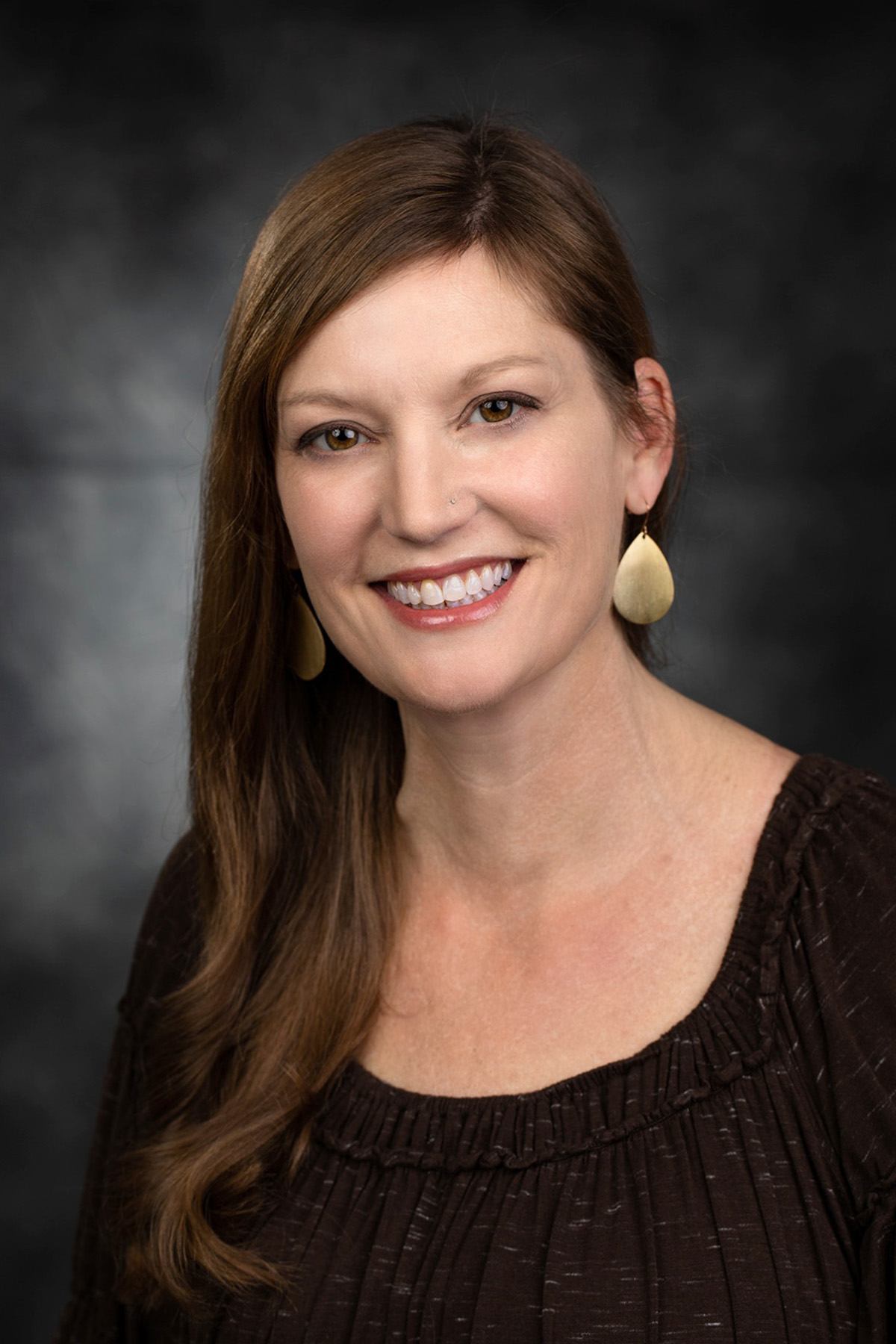
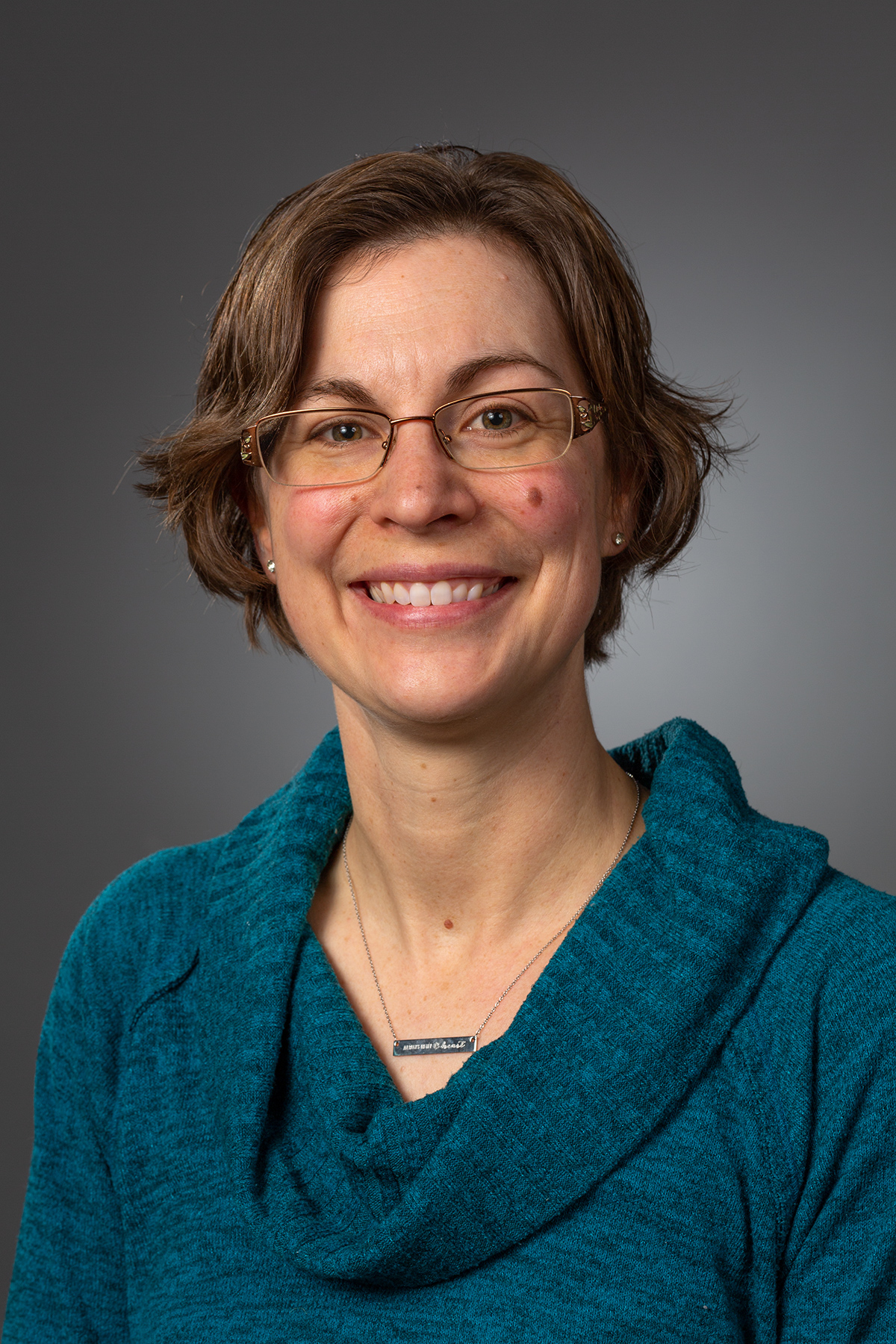
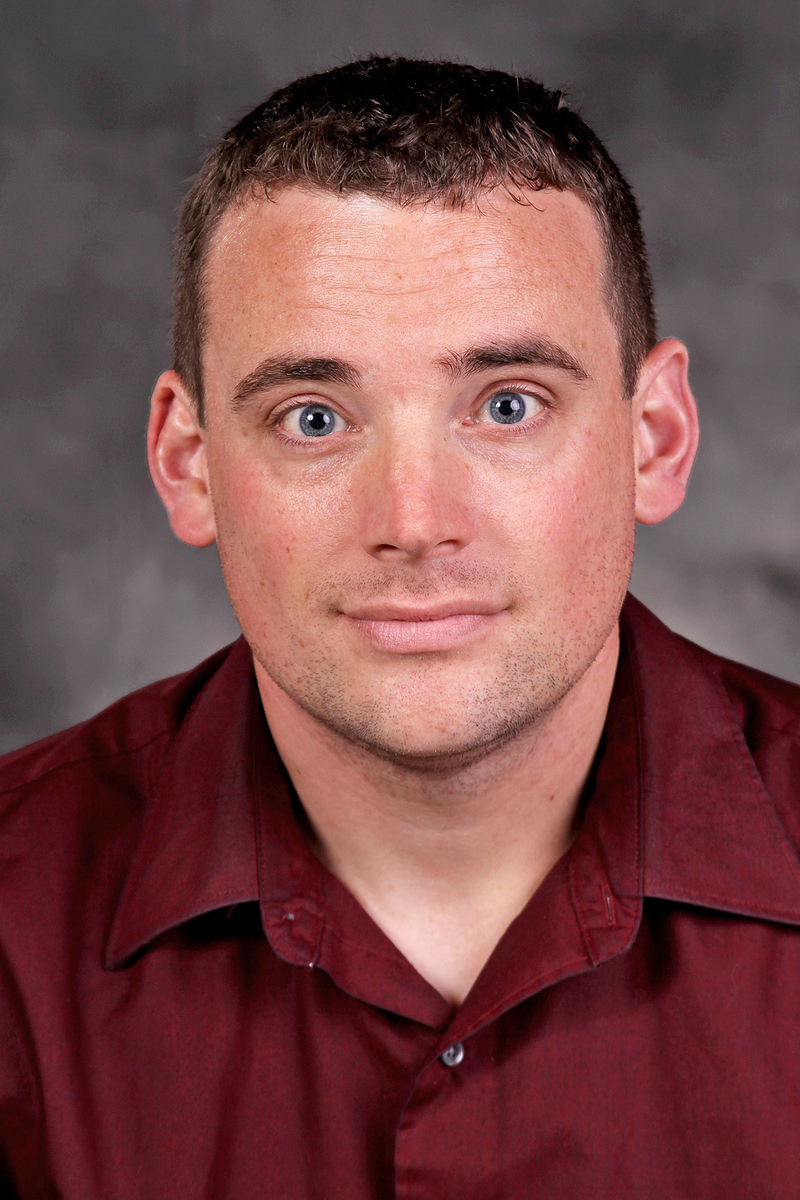
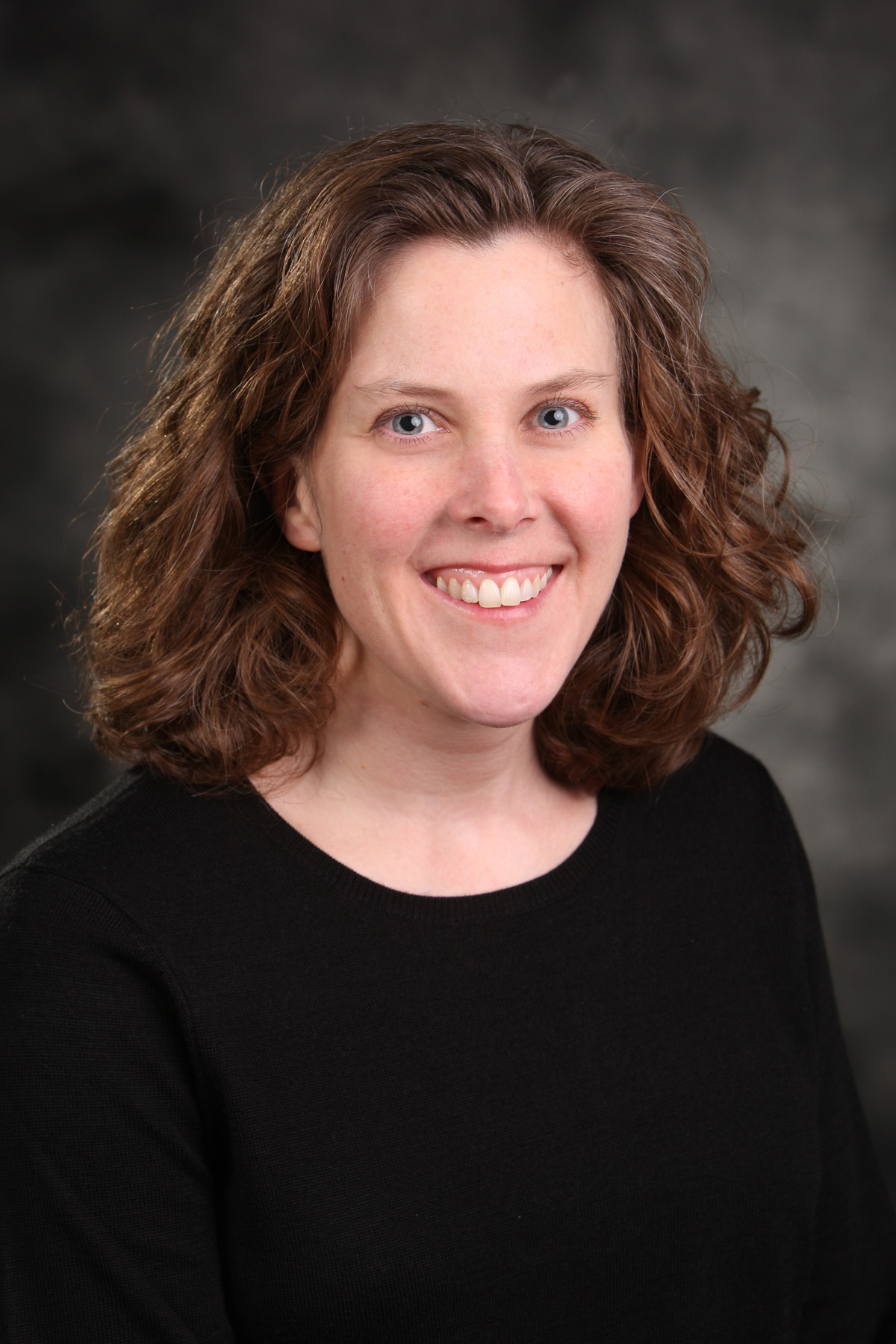
Profile Photo: Krista Slemmons

Krista Slemmons

  • Professor
  • Natural Science Education coordinator
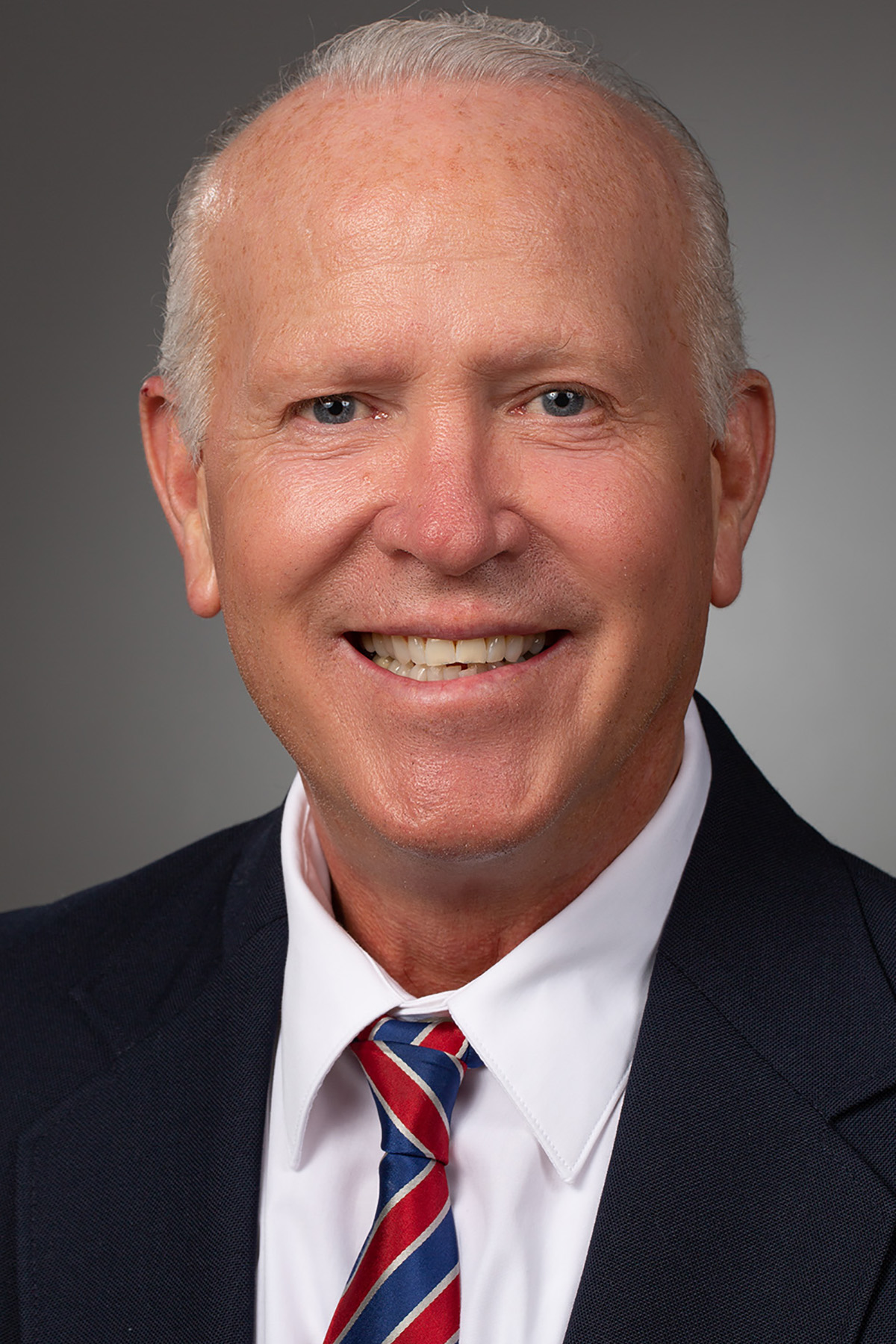
Profile Photo: Perry Cook

Perry Cook

  • Professor – Science Education
  • Director – Harju Center for Opportunities in Education
  • [ More… ]
452 College of Professional Studies
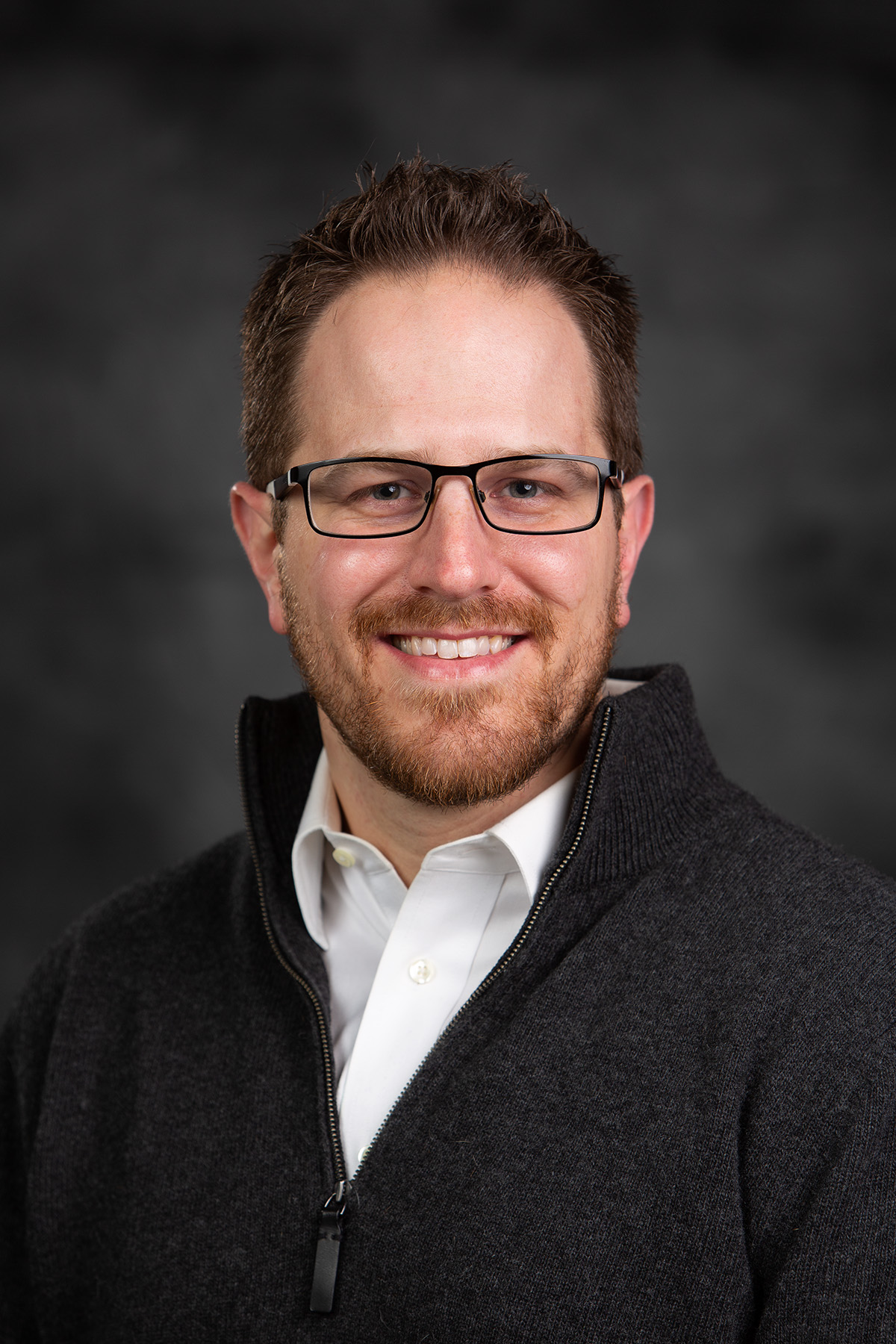
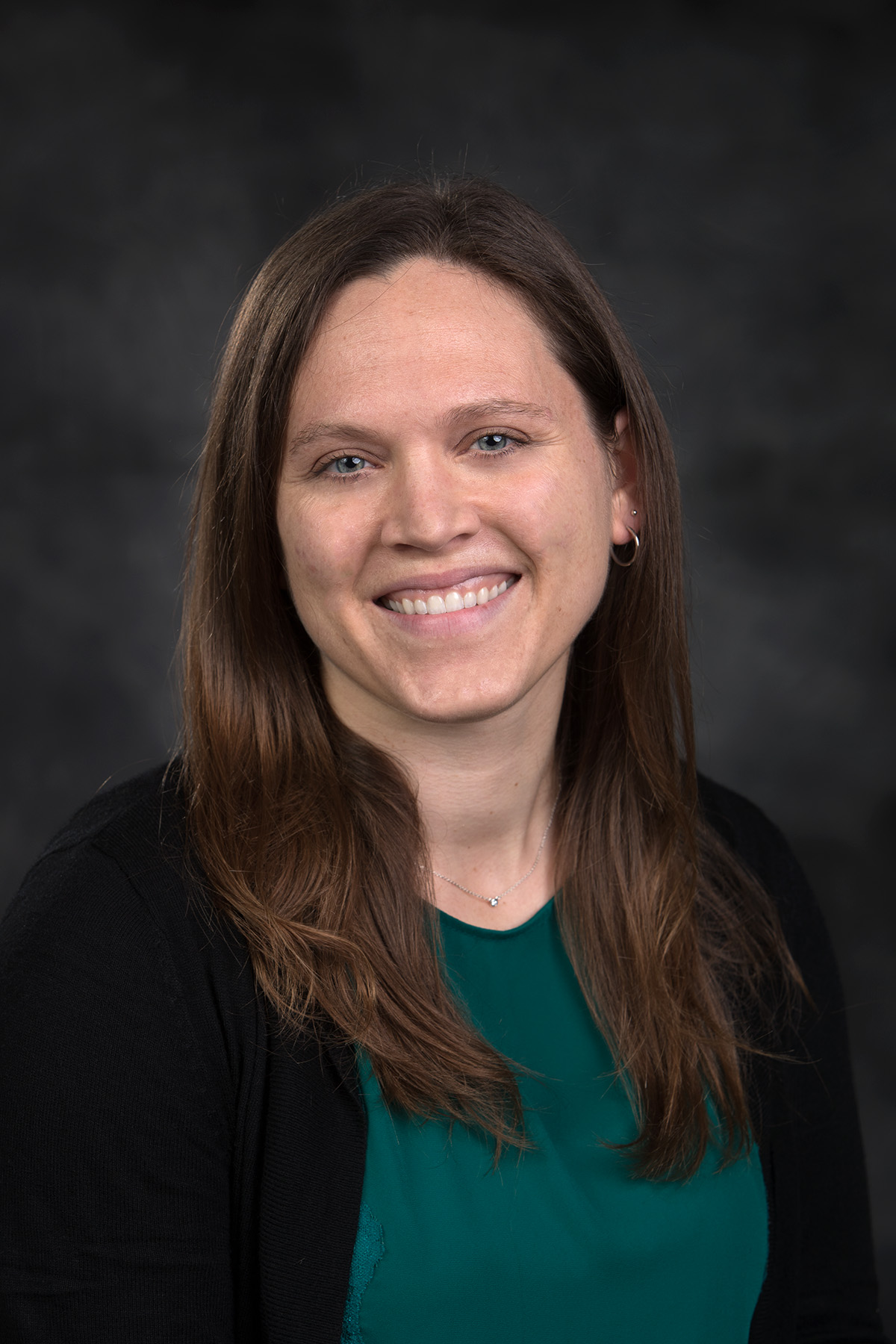
Profile Photo: Sarah Orlofske

Sarah Orlofske

  • Associate Professor
  • Curator of Animal Parasites

Chemistry Minor

The UW-Stevens Point chemistry minor is designed to give students a solid background in chemistry to supplement a major in other areas. The objective of a minor in chemistry is to provide you with knowledge of introductory and intermediate chemical principles and to have you acquire sufficient technical skills to perform capably in a modern chemical laboratory.

The minor consists of 26 credits (21 credits if taking Chem 117).

You may take one of the following course sequences:

  • Chem 105 and 106 or Chem 117, 248, 325, 326, and a minimum of 4 credits selected from Chem 329, 335, 365, 371, 373, 387, 395 or the combination of Water/Geology 487 and Water 492.
  • Chem 105 and 106 or Chem 117, 220, 248, 260, and the combination of Water/Geology 487 and Water 492.

It is highly recommended that students select the courses required to fulfill the minor in consultation with the faculty of the Department of Chemistry and Biochemistry in order to best complement the student’s major and career goals.

For more information visit the UW-Stevens Point course catalog.

Chemistry (ACS Certified)

STUDENTS PURSING A CHEMISTRY DEGREE WILL FIND A CHALLENGING, MODERN COURSE OF STUDY

The University of Wisconsin-Stevens Point Department of Chemistry and Biochemistry provides a supportive learning environment. Chemistry appeals to us because it touches on each branch of the physical sciences including biology, earth science, and environmental science.

Students may earn the American Chemical Society-certified chemistry degree. The certification indicates that the student has completed rigorous course work that provides them with the skills needed for a successful career in science. About 35 percent of UW-Stevens Point chemistry and biochemistry graduates go on to graduate or professional schools.

Department of Chemistry and Biochemistry

WHY STUDY CHEMISTRY AT UW-STEVENS POINT?

The Department of Chemistry and Biochemistry offers a challenging and modern course of study in a supportive learning environment. The department plays a central role in helping graduates find satisfying, appropriate employment through personal referrals and shared openings. Personal letters of recommendation are also available from faculty familiar with the student’s performance record. UWSP chemistry students take classes and conduct research in the university’s Haeni Chemistry Biology Building, a state-of-the-art, $75 million facility.


Guidance Just for You

We are committed to helping you achieve both your personal and professional goals. Students will work with their adviser to plan out their course of study, and discuss career options, and on- and off-campus opportunities including research internships and scholarships. If you love science, our university will feel like home to you!


Scholarships and Awards

The Department of Chemistry and Biochemistry administers several awards to recognize outstanding student performance in the chemistry curriculum. Awards are presented annually in the spring semester.


WHAT TO EXPECT

The $75 million Haeni Chemistry Biology Building is home for all chemistry majors. The department houses approximately $2 million of state-of-the-art instrumentation, giving students access to equipment used in diagnostic labs, hospitals, graduate programs, and environmental analysis labs throughout the country.

UWSP graduates in chemistry and biochemistry are extremely competitive in today’s job market. Successful job placement is usually attained within six months of graduation.

Chemistry pairs well with a variety of other UW-Stevens Point programs, including biology, mathematics, physics, paper science, chemical engineering, and psychology.

GET INVOLVED ON CAMPUS

The department supports the local chapter of the American Chemical Society-Student Affiliate. Also known as Chemistry Club, ACS-SA is a student-run organization that promotes interest in chemistry and science in general to campus and the local community.

The Department of Chemistry and Biochemistry has a variety of interesting research projects for students to choose from. Projects are available in the areas of nanotechnology, polymer chemistry, organic and inorganic synthesis, analytical chemistry, computational chemistry, environmental chemistry, biochemistry, microbiology, and molecular biology. Many chemistry majors present their research at the on-campus College of Letters and Sciences Undergraduate Research Symposium, at off-campus scientific conferences, and as co-authors on refereed journal articles.

MEET OUR FACULTY

Our chemistry courses, including laboratories, are taught by 15 Ph.D.-trained chemists who excel as instructors and mentors. Our faculty’s expertise encompasses every sub-discipline of chemistry. Meet your professors!

View All Faculty

Profile Photo: Joseph Mondloch

Joseph Mondloch

  • Associate Professor
Profile Photo: Kathryn McGarry

Kathryn McGarry

  • Associate Professor
Profile Photo: Nate Bowling

Nate Bowling

  • Professor
Profile Photo: Shannon Riha

Shannon Riha

  • Associate Professor
CBB 448

Biochemistry

A BIOCHEMISTRY DEGREE COMBINES THE KNOWLEDGE OF BIOLOGY AND CHEMISTRY TO EXPLAIN LIFE PROCESSES

This interdisciplinary major has a chemistry-based curriculum, coupled with a significant biology component. The role of a biochemist is to look for understanding of organismal diversity in the principles and concepts of chemistry and physics, as well as in the structure, mechanisms and chemical processes that are common to all organisms. Pursuit of a biochemistry degree will allow students to explain life processes in terms of molecular structure and chemical reactions within living cells.

Department of Chemistry and Biochemistry

Why Study Biochemistry at UW-Stevens Point?

The biochemistry major will prepare students for admission into dental, medical, pharmacy and veterinary schools. Our students learn in-demand skills from experienced Ph.D. faculty members. They get hands-on research in areas such as virology, cancer biology, stem cell biology, human genetics, neurobiology, molecular ecology, genomics, proteomics, metabolomics, protein structure and function and many others. Our undergraduates often publish their findings with our faculty and are listed as co-authors in top-tier chemistry and biology research journals. UWSP Biochemistry students also routinely attend regional, national, and international conferences!

Applied Science Experiences

Our Department of Chemistry and Biochemistry faculty put a high priority on collaborating in research and discovery.  


Awards and Scholarships

The Department of Chemistry and Biochemistry has established a program of awards to encourage, reward, and recognize student excellence in the department. Each award includes a certificate and cash award.


WHAT TO EXPECT

If you love science, the School of Biology, Chemistry, and Biochemistry will feel like home to you. Drawing together two of the largest departments on campus, the UW-Stevens Point School of Biology, Chemistry, and Biochemistry offers challenging and modern coursework in a supportive learning environment. Working together in one of the newest laboratory facilities in the Universities of Wisconsin, our students and faculty put a high priority on collaborating in research and discovery. 

The school administers pre-professional programs including pre-chiropractic, pre-dental, pre-medical, pre-optometry, pre-physician assistant, pre-veterinary and pre-pharmacy. It will prepare students for admission to graduate biochemistry programs, and jobs in bioscience-related industries, in government laboratories, and in the state’s research hospitals. Our research shows there are many unfilled bioscience-related positions in Wisconsin, particularly in the Madison and Milwaukee areas.

GET INVOLVED ON CAMPUS

Students are strongly encouraged to get involved in a research project with a faculty mentor. The biology and chemistry faculties have a variety of research interests and students have many interesting projects to choose from.

Benefits for Students:

  • apply knowledge learned in courses to make new discoveries
  • chance to present results at on-campus and/or off-campus research meetings
  • potential to co-author on journal articles

For some students, the research opportunity presents a life-changing experience and they elect to pursue research as a career.

The department supports the local student chapter of the American Chemical Society and the American Society for Biochemistry and Molecular Biology (ASBMB) student affiliate. These are student-run organizations that help promote interest in chemistry and chemical education specifically and science in general. Biology student organizations include the Herpetology Society, the campus chapter of the Tri-Beta Lambda Omicron National Biological Honor Society, Pre-Med and Allied Health Club, and Animal and Pre-Vet Club.

The B.S. in Biochemistry at UW-Stevens Point is accredited by the American Society for Biochemistry and Molecular Biology through 2031. Students within the program are eligible to sit for the 2025 exam to be offered in April.

State-of-the-art Facilities

Our teaching and research labs in the Haeni Chemistry Biology Building are equipped with $2.5 million in modern instrumentation. Many courses have their own dedicated labs, while other labs are shared by two or three courses with similar equipment requirements. Most faculty members also maintain labs where they work with students on original research.


MEET YOUR FACULTY

The University of Wisconsin-Stevens Point Departments of Biology and Chemistry pride themselves on the strength and commitment of their faculty-to-undergraduate education. All courses required for a biochemistry degree are taught by Ph.D.-trained scientists who are effective instructors and mentors. We offer a challenging and modern course of study in a supportive learning environment.

View All Faculty

Profile Photo: Joseph Mondloch

Joseph Mondloch

  • Associate Professor
Profile Photo: Karin Bodensteiner

Karin Bodensteiner

  • Professor of Biology Academic Director
  • Online Associates of Arts and Sciences Degree
Profile Photo: Nate Bowling

Nate Bowling

  • Professor
Profile Photo: Shannon Riha

Shannon Riha

  • Associate Professor
CBB 448