Philosophy

A UW-STEVENS POINT DEGREE IN PHILOSOPHY PREPARES YOU FOR INNOVATIVE LEADERSHIP IN A VARIETY OF FIELDS

Philosophy is the systematic study of the enduring ideas and questions that have engaged thoughtful people for millennia such as: “What is the purpose of life?”, “What is the nature of reality?”, “How do we know what is true?” and “How do we decide what choices are ethical?”. By providing us with the intellectual tools necessary to tackle these questions, philosophy helps us to open our beliefs to scrutiny and teaches us how to reason well about issues that are important to us.  

The study of Philosophy is intrinsically interesting, which is why students love it, but it is also very practical for career preparation. As they pursue the big questions, Philosophy majors hone advanced level skills in critical thinking, ethical problem solving and clear communication. These skills are in high demand by today’s employers and open doors to many interesting and profitable careers including law, education, business, human services, and technology industries. Philosophy majors find work that is both personally meaningful and profitable; the median mid-career income of philosophy graduates is $84,000. 

Our graduates engage the world ready to flourish as global citizens, to assume leadership positions, and to exercise professional adaptability in the face of a rapidly changing world.

Department of Philosophy and Religious Studies

Why Study Philosophy at UW-Stevens Point?

Philosophy is both intellectually adventurous and a practical choice for career preparation. As they pursue the big questions, students in philosophy gain the skills in high demand by today’s employers: the ability to follow complex lines of reasoning, identify presuppositions, evaluate evidence, craft arguments, refute unsupported claims, grapple with ethical dilemmas, and think “outside of the box.”

Awards and Scholarships

The Philosophy Department has scholarships to currently enrolled students. Students are notified of available scholarships in class and via email at the beginning of the spring semester.


ALUMNI VOICES

Philosophy helped them carve a path to fulfilling careers. UWSP Department of Philosophy alum from 1994- 2019 share their graduate stories!


Graduate School Preparation

For those whose career path leads through graduate school, the Philosophy major offers great preparation. Nationwide, students who major in Philosophy score higher on law school entrance exams (LSAT) that almost all other majors. Philosophy majors also have a higher rate of acceptance to medical school than students who studied Biology or Chemistry.


WHAT TO EXPECT

The major in Philosophy requires 27 core credits in the discipline. You will take required courses in critical thinking, ethics, and the history of philosophy and can choose from a range of electives which include such courses as “Philosophy of Death,” “Environmental Ethics” and “Animal Ethics”.  As a major, you will also complete a senior research project. Our classes are mostly small, discussion-based and student centered. 

A double major in Philosophy and another discipline brings many advantages. You may find that majoring in two different disciplines is a powerful way to up your brain power and your ability to “think outside the box”.  Also, as you pursue career opportunities, a double major will help you stand out as unique and impressive in the eyes of potential employers.

In addition to the major in Philosophy, we also offer the major with an emphasis in different areas of study. The Philosophy Major with a Concentration in Environmental Ethics, the Philosophy Major with a Concentration in Law and Justice, and the Philosophy Major with a Concentration in Religious Studies are all popular options for students. Each concentration requires core classes in Philosophy, along with additional courses in other relevant programs on campus.

Environmental Ethics is a branch of Philosophy that explores questions concerning the values, beliefs and attitudes that influence how people relate to the environment.    Students learn how to navigate diverse perspectives skillfully, to reflect on the ethics of these perspectives, and to communicate clearly and persuasively about environmental issues. 

Law and Justice is the interdisciplinary study of law and justice, grounded in the humanities. Our focus is on analyzing the relationship between law and ethics, justice, freedom, power, rights, knowledge, truth, and justification. It is intended both for students pursuing law school, as well as those interested in law-related fields, including nonprofit career work, work for NGOs, paralegal work, and criminal justice, broadly construed.

Religious Studies is the comparative and interdisciplinary study of the world’s religions and the creativity of the human religious imagination.  Because religion is at the core of human culture and is a powerful force shaping human history, the study of religion gives students a broad knowledge of the history of the world and the diversity of human cultures.

Students with outstanding original work have the opportunity to present their research at the College of Letters and Science Undergraduate Research Symposium, held each spring. Internships and creative experiential learning opportunities give majors hands on experience in professional settings

GET INVOLVED ON CAMPUS

The Philosophy Club of UWSP is a student organization dedicated to promoting and maintaining a mature and professional environment for students interested in the field of philosophy and philosophical discussion. Regular activities include student facilitated conversations about controversial and topical issues. Faculty also attend some meetings to share some of their own work with students. The club welcomes all students. For further information, please contact the faculty advisor to the Philosophy Club, Jason Zinser.

Phi Sigma Tau is the international honor society for the study of philosophy. The purpose of Phi Sigma Tau is to cultivate interest in philosophy among students and to celebrate high achievement in the study of philosophy. Phi Sigma Tau publishes a journal, Dialogue, for student contributions in all areas of contemporary philosophical research. For further information, please contact the faculty advisor to Phi Sigma Tau, Jason Zinser.

More student group opportunities can be found on the Stevens Point Involvement Network (SPIN).

Philosophy students are active in many student organizations, including the Student Government Association, and are frequently included in the ranks of the Chancellor’s Albertson Student Leadership Award winners.

MEET YOUr faculty

UW-Stevens Point philosophy faculty ensure students read carefully, think critically, communicate effectively and participate meaningfully in environments characterized by cultural, religious and philosophical diversity.

Archives: Faculty / Staff Profiles – Faculty / Staff Directory

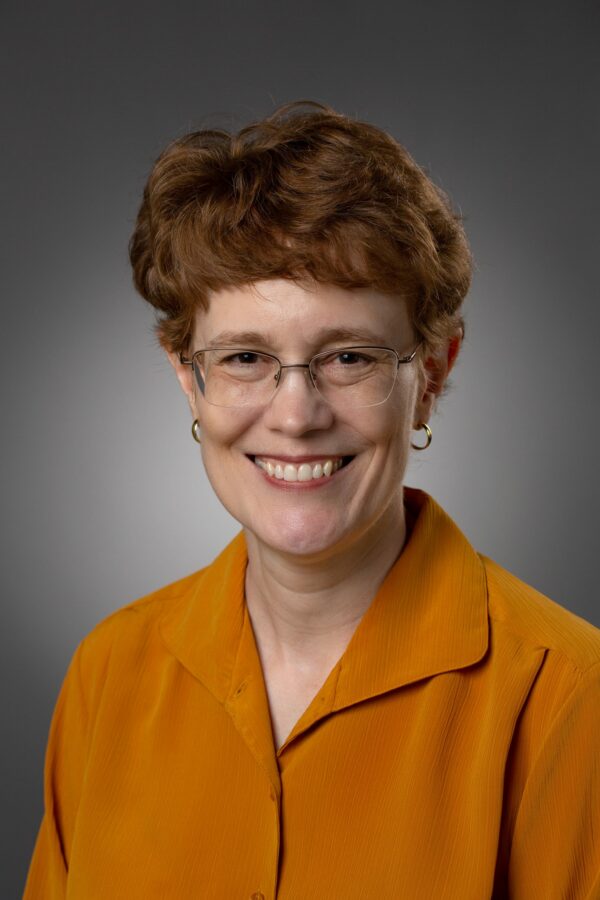
Profile Photo: Alice Keefe

Alice Keefe

  • Professor of Religious Studies
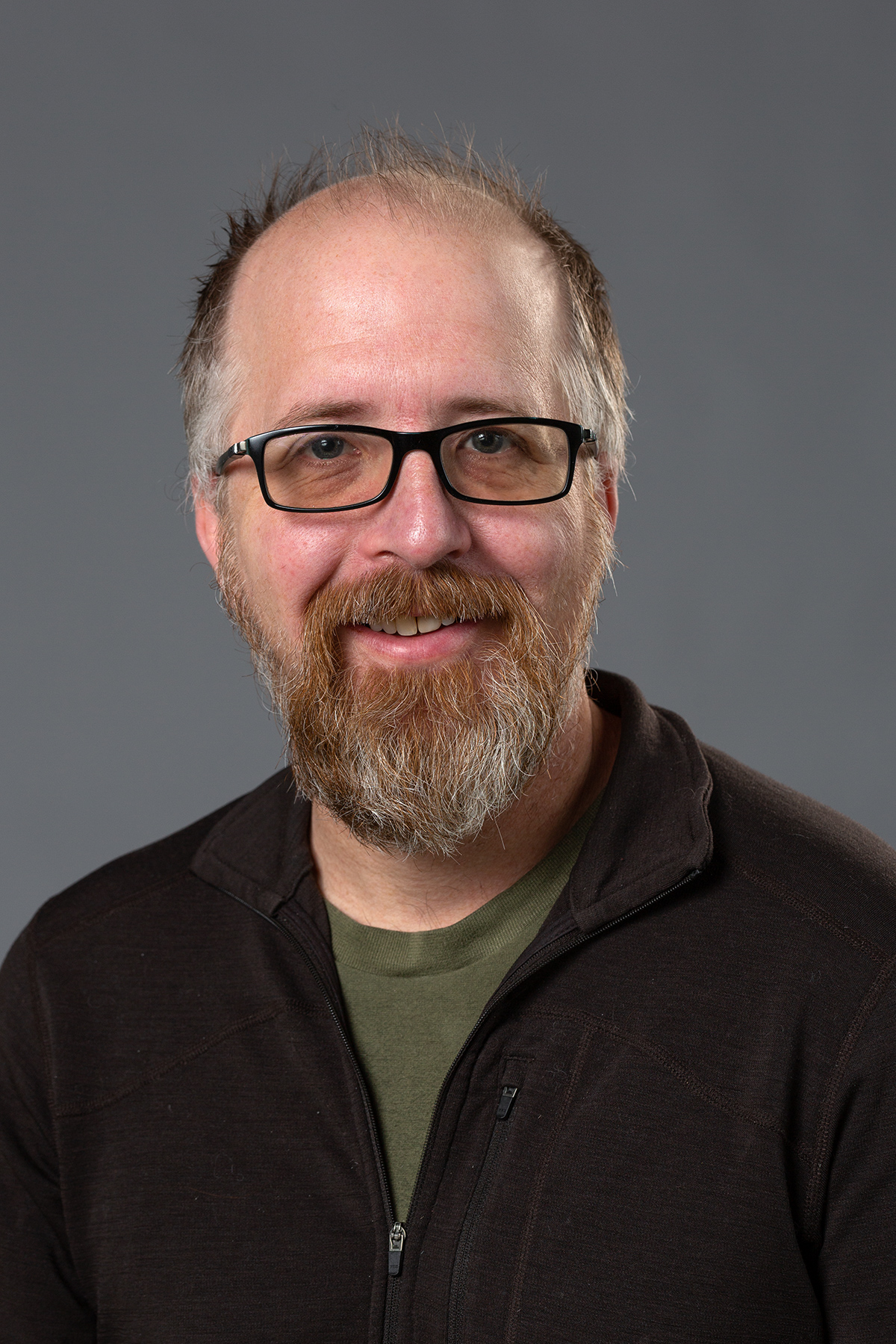
Profile Photo: Chris Diehm

Chris Diehm

  • Professor
  • Chair, Department of Philosophy and Religious Studies
  • [ More… ]
Profile Photo: Dona Warren

Dona Warren

  • Professor of Philosophy
  • Critical Thinking Center Head
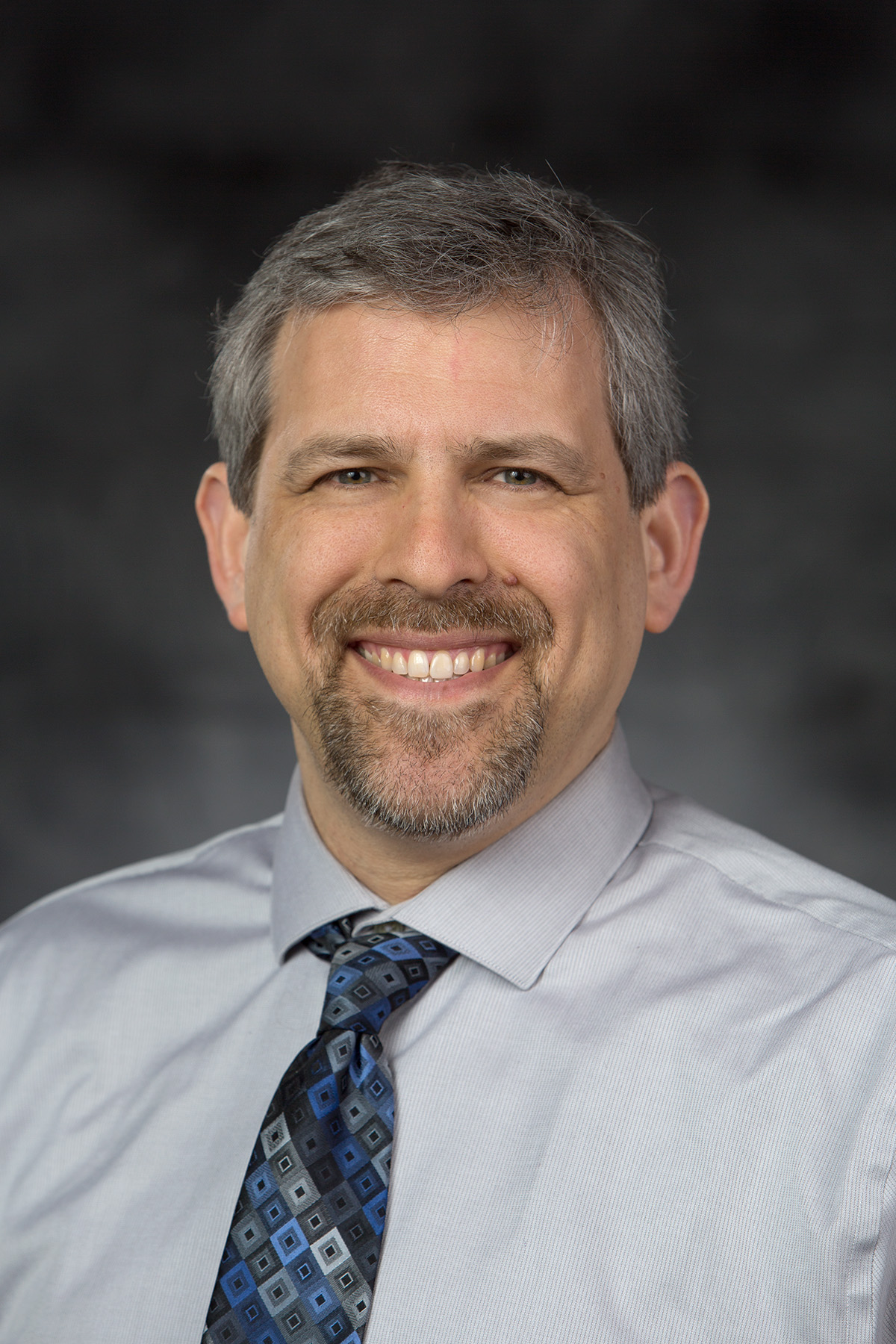
Profile Photo: Jason Zinser

Jason Zinser

  • Associate Professor

Philosophy: Religious Studies

COMMUNICATE ACROSS BOUNDARIES AND LEAD WITH A DEGREE IN PHILOSOPHY WITH AN EMPHASIS IN RELIGIOUS STUDIES

Religion has been and continues to be one of the most powerful forces shaping our world.  Grappling with the question of how and why religions are so powerful leads us to deeper understanding of global cultures, the diversity of worldviews, and the mystery of what it means to be human.

Study in this discipline focuses on empathetic understanding of human diversity and trains students in the skill of effective communication across cultural divides.   Further, because the study of religion draws on so many other disciplines (history, psychology, sociology, political science, etc.), students learn to analyze and solve problems in ways that are interdisciplinary, creative and holistic.

You will learn:

  • How to think logically, read critically, and write clearly
  • How to research in the digital age and assess information sources
  • How to communicate across the boundaries of cultural and religious differences

Department of Philosophy and Religious Studies

Why Pursue Religious Studies at UW-Stevens Point?

Graduates in philosophy with an emphasis in religious studies possess key skills employers seek, including critical thinking, written and oral communication, information literacy, the ability to rapidly master new skills, and most importantly, empathetic understanding of human diversity and the ability to communicate effectively across cultural divides. While some graduates pursue careers in ministry, others go on to careers in counseling, higher education leadership, management, teaching, social services, and much more.

Awards and Scholarships

The Philosophy Department has scholarships to currently enrolled students. Students are notified of available scholarships in class and via email at the beginning of the spring semester.


ALUMNI VOICES

Philosophy helped them carve a path to fulfilling careers. UWSP Department of Philosophy alum from 2003- 2019 share their graduate stories!


Graduate School Preparation

For those whose career path leads through graduate school, the Philosophy major offers great preparation. Nationwide, students who major in Philosophy score higher on law school entrance exams (LSAT) that almost all other majors. Philosophy majors also have a higher rate of acceptance to medical school than students who studied Biology or Chemistry.


WHAT TO EXPECT

Our program consists of 39 credits; at least 12 credits must be in Philosophy, including one course in Critical Thinking and one course in Ethics, and the remaining credits must be in Religious Studies or relevant interdisciplinary courses. Our classes are small and emphasize discussion, active learning, critical thinking and research skills.   

Religious studies majors are able to effectively communicate across cultural divides, they excel in understanding human diversity and they possess strong written and oral communication skills, desired by employers.

Internships and creative experiential learning opportunities give majors hands on experience in professional settings. 

GET INVOLVED ON CAMPUS

The Philosophy Club of UWSP is a student organization dedicated to promoting and maintaining a mature and professional environment for students interested in the field of philosophy and philosophical discussion. Regular activities include student facilitated conversations about controversial and topical issues. Faculty also attend some meetings to share some of their own work with students. The club welcomes all students. For further information, please contact the faculty advisor to the Philosophy Club, Jason Zinser.

Phi Sigma Tau is the international honor society for the study of philosophy. The purpose of Phi Sigma Tau is to cultivate interest in philosophy among students and to celebrate high achievement in the study of philosophy. Phi Sigma Tau publishes a journal, Dialogue, for student contributions in all areas of contemporary philosophical research. For further information, please contact the faculty advisor to Phi Sigma Tau, Jason Zinser.

More student group opportunities can be found on the Stevens Point Involvement Network (SPIN).

Philosophy students are active in many student organizations, including the Student Government Association, and are frequently included in the ranks of the Chancellor’s Albertson Student Leadership Award winners.

Students with outstanding original work have the opportunity to present their research at the College of Letters and Science Undergraduate Research Symposium, held each spring.

MEET YOUr faculty

UW-Stevens Point philosophy faculty ensure students read carefully, think critically, communicate effectively and participate meaningfully in environments characterized by cultural, religious and philosophical diversity.

Archives: Faculty / Staff Profiles – Faculty / Staff Directory
Profile Photo: Alice Keefe

Alice Keefe

  • Professor of Religious Studies
Profile Photo: Dona Warren

Dona Warren

  • Professor of Philosophy
  • Critical Thinking Center Head
Profile Photo: Ryan O’Leary

Ryan O’Leary

  • Lecturer in Religious Studies
  • Academic Success Associate
Room 162 – Student Center, Marshfield campus
Profile Photo: Shanny Luft

Shanny Luft

  • Associate Professor of Religious Studies
  • Director of General Education

Philosophy: Environmental Ethics

OPEN A WORLD OF POSSIBILITY WITH A UW-STEVENS POINT DEGREE IN PHILOSOPHY WITH AN EMPHASIS IN ENVIRONMENTAL ETHICS

Environmental ethics explores questions concerning the values, beliefs and attitudes that influence how people relate to the environment.  We train students to navigate diverse perspectives skillfully, to reflect on the ethics of these perspectives, and to communicate clearly and persuasively about environmental issues. Graduates with this major find employment in the nonprofit sector working for environmental advocacy, conservation, sustainable food systems, alternative energy, and environmental education.

Environmental Ethics at UWSP has a proud history, as one of the oldest such programs in the nation. The first course in Environmental Ethics offered anywhere was offered here at UW-Stevens Point, in 1971.  The enormity of environmental concerns and the need for an ethical response to those issues has resulted in the rapid spread of the environmental ethics concept.

Department of Philosophy and Religious Studies

Why Study Environmental Ethics at UW-Stevens Point?

Our students benefit from deep knowledge in the field of environmental ethics. Our program is the oldest in the UW system. Students may pursue a bachelor’s of science or bachelor’s of arts major in Philosophy with an Emphasis in Environmental Ethics. They can find employment in the nonprofit sector working for environmental advocacy, conservation, sustainable food systems, alternative energy, and environmental education.

Awards and Scholarships

The Philosophy Department has scholarships to currently enrolled students. Students are notified of available scholarships in class and via email at the beginning of the spring semester. In April, and after scholarships have been awarded, students, parents, family members, and faculty come together to honor awardees at our Annual Department Awards Ceremony.


ALUMNI VOICES

Philosophy helped them carve a path to fulfilling careers. UWSP Department of Philosophy alum from 1994- 2019 share their graduate stories!


Graduate School Preparation

For those whose career path leads through graduate school, the Philosophy major offers great preparation. Nationwide, students who major in Philosophy score higher on law school entrance exams (LSAT) that almost all other majors. Philosophy majors also have a higher rate of acceptance to medical school than students who studied Biology or Chemistry.


WHAT TO EXPECT

Students in Philosophy with Environmental Ethics take a core of Philosophy classes in critical thinking, ethics, and the history of Philosophy, along with focused classes in Environmental Ethics and a senior seminar. A selection of interdisciplinary courses from Natural Resources and other disciplines also are included in the electives for this major. Most of the classes in the major are small and discussion-focused, stressing independent thinking and active learning.  

Students with a major in Philosophy with an emphasis in Environmental Ethics train in the skills employers are looking for including critical thinking, advanced writing and research, and clear argumentation.

Students with outstanding original work have the opportunity to present their research at the College of Letters and Science Undergraduate Research Symposium, held each spring. Internships and creative experiential learning opportunities give majors hands on experience in professional settings. 

GET INVOLVED ON CAMPUS

Philosophy students are active in many student organizations, including the Student Government Association, and are frequently included in the ranks of the Chancellor’s Albertson Student Leadership Award winners.

The Philosophy Club of UWSP is a student organization dedicated to promoting and maintaining a mature and professional environment for students interested in the field of philosophy and philosophical discussion. Regular activities include student facilitated conversations about controversial and topical issues. Faculty also attend some meetings to share some of their own work with students. The club welcomes all students. For further information, please contact the faculty advisor to the Philosophy Club, Jason Zinser.

Phi Sigma Tau is the international honor society for the study of philosophy. The purpose of Phi Sigma Tau is to cultivate interest in philosophy among students and to celebrate high achievement in the study of philosophy. Phi Sigma Tau publishes a journal, Dialogue, for student contributions in all areas of contemporary philosophical research. For further information, please contact the faculty advisor to Phi Sigma Tau, Jason Zinser.

More opportunities can be found on the Stevens Point Involvement Network (SPIN).

MEET YOUr faculty

UW-Stevens Point philosophy faculty ensure students read carefully, think critically, communicate effectively and participate meaningfully in environments characterized by cultural, religious and philosophical diversity.

Archives: Faculty / Staff Profiles – Faculty / Staff Directory

Profile Photo: Alice Keefe

Alice Keefe

  • Professor of Religious Studies
Profile Photo: Dona Warren

Dona Warren

  • Professor of Philosophy
  • Critical Thinking Center Head
Profile Photo: Ryan O’Leary

Ryan O’Leary

  • Lecturer in Religious Studies
  • Academic Success Associate
Room 162 – Student Center, Marshfield campus
Profile Photo: Shanny Luft

Shanny Luft

  • Associate Professor of Religious Studies
  • Director of General Education

Philosophy Minor

Philosophy Minor

Philosophy is that inquiry whose special concern is to think seriously about such questions as “Is there a God?”, “Are values objective?”, and “Is your mind distinct from your brain?” There are no final answers to these questions but rather by posing such questions, philosophy enables us to understand what we believe. By providing us with the intellectual tools necessary to tackle these questions, philosophy helps us to open our beliefs to scrutiny and teaches us how to reason well about issues that are important to us. By acquainting us with the variety of ways in which these questions are answered, philosophy helps us to formulate provisional positions on pressing issues, while stretching our capacity to tolerate uncertainty and live with the open-endedness of critical dialogue.   

In addition to broadened intellectual understanding of these kinds of questions, courses in philosophy help you develop skills in analytical thinking and effective communication that will prove useful in many areas of life.

The philosophy minor consists of a minimum of 18 credits. For more information visit the UW-Stevens Point course catalog.

  1. Logic – One course (3 credits): Phil 121 (Critical Thinking) or Phil 322 (Symbolic Logic)
  2. History of Philosophy – One course (3 credits): Phil 325 (Ancient Greek Philosophy) or Phil 326 (17th and 18th Century Philosophy)
  3. Theoretical Foundations – One course (3 credits) drawn from a list of options
  4. Practical Applications – One course (3 credits) drawn from a list of options
  5. Electives – Two additional courses (6 credits) from the Philosophy Curriculum

Religious Studies Minor

Religious studies is the comparative and interdisciplinary exploration of the world’s religions. Because religion is at the core of human culture and is a powerful force shaping human history, the study of religion gives students a broad knowledge of the history of the world and the diversity of human cultures.  Study in this discipline focuses on empathetic understanding of human diversity and trains students in the skill of effective communication across cultural divides.   

For more information visit the UW-Stevens Point course catalog The minor consists of a minimum of 18 credits, at least 9 of which must be at the 300 level, including:

  1. Introduction to the Study of Religion – One course (3 credits): Rel 202 (Introduction to the Study of Religion).
  2. Global Religions 1, Asian and Indigenous Traditions – Two courses (6 credits) selected from: Rel 100 (Religions of Asia), Rel 307 (Religion and Health), Rel 333 (Women and Goddesses in India), Rel 340 (Buddhism), Rel 341 (Religions of India, or Phil 105 (Philosophy and Religion of India and China).
  3. Global Religions 2, Western Traditions – Two Courses (6 credits) selected from: Rel 101 (Judaism, Christianity, Islam), Rel 302 (Religion and Cultural Conflict), Rel 303 (Jewish Scriptures), Rel 304 (New Testament and Early Christianity), Rel 311 (Religion in America), Rel 330 (Women and Religion).
  4. Electives – A minimum of one course (3 credits) from religious studies and relevant interdisciplinary courses.

Joining the Philosophy and Religious Studies Department felt more like joining a family. Not only did this family welcome me in and was supportive, but challenged me to be better- a better learner, a better critical thinker, and a better individual who can think clearly, logically, and differently.
-2018 Alumni Wesley Sweet, Major – Philosophy with Religious Studies

For advising questions contact:
Luke Whitmore
Associate Professor
Philosophy and Religious Studies
luke.whitmore@uwsp.edu

Environmental Ethics

The UWSP Environmental Ethics Certificate will present you with lively, contemporary topics and teach you to think carefully and critically about them. In this program, students engage in robust discussion related to the nature of personal responsibility and moral thinking about the natural world.

Our certificate, administered by the Department of Philosophy, is relevant for students of any background, and can be of special interest to students majoring in natural resources, sustainability, geoscience, biology, natural sciences, and others. The 9 credits of the certificate can be taken in any sequence.

Graduates with an emphasis in environmental ethics find employment in the nonprofit sector working for environmental advocacy, conservation, sustainable food systems, alternative energy, and environmental education.

Required Courses

  • PHIL 380 – Environmental Ethics 3 cr.

Take 6 credits from the following courses:

  • PHIL 305 – Ethics 3 cr.
  • PHIL 321 – Food Ethics 3 cr.
  • PHIL 351 – Ecofeminism 3 cr.
  • PHIL 360 – Animal Ethics 3 cr.
  • PHIL 381 – American Indian Environmental Philosophies 3 cr.
  • PHIL 395 – Philosophical Problems 1-3 cr.
  • PHIL 480 – Advanced Environmental Ethics 3 cr.

The minimum grade point requirements to be met: A minimum grade of C must be attained in each course taken, and a minimum GPA of 2.0 must be attained. View course catalog for more information.

For advising questions contact:
Professor Chris Diehm, 715-346-2334
chris.diehm@uwsp.edu

History

A history minor enhances the teaching possibilities for students majoring in other social science fields, in international studies, or in world languages.

The History Minor consists of a minimum of 21 credits:

12 credits from 100- and 200-level history courses distributed according to the following guidelines:

  • At least 3 credits from Global or Comparative history courses (101, 102, 201-215).
  • At least 3 credits from Regional history courses (216-275).

9 credits from 300-level history courses.
For more information visit the UW-Stevens Point course catalog.

History Minor for Teacher Certification

The History Minor for Teacher Certification (Grades 1-9) consists of a minimum of 24 credits

12 credits from 100- and 200-level history courses distributed according to the following guidelines:

  • At least 3 credits from Global or Comparative history courses (101, 102, 201-215).
  • At least 3 credits from Regional history courses (216-275).

3 credits from History 300.

9 credits from 300-level history courses distributed according to the following guidelines:

  • At least 3 credits from 300-level Global or Comparative history courses (301-315).
  • At least 3 credits from 300-level Regional history courses (316-375).
  • At least 3 credits from 300-level U.S. history courses (376-395).

*To meet DPI requirements for a History Minor with Teacher Certification in elementary or secondary education, you should take, as part of the 24 required credits, at least 6 credits in European history; 3 credits survey, 3 credits advanced level, and in different periods of history.

International Studies

International Studies at UW-Stevens Point gives students the chance to add a global dimension to their education while enhancing their employability. An INTL major/minor is particularly effective in combination with other majors. It combines naturally with majors such as Business, Economics, English, Foreign Languages, History, and Political Science. Other majors, from Anthropology to Zoology can also benefit by being coupled with International Studies. INTL students are strongly encouraged to maintain a major in a traditional discipline.

The INTL major/minor provides a superb background for anyone wishing to pursue a career in international relations or other branches of governmental work. It also provides a solid base for graduate study and for professional careers in fields with international components in business, law, health, natural resource development, the environment, and others.

Many of our students also participate in semester abroad programs and international internships. For more information, please contact the Office of International Programs.

For more information, visit the International Studies page in the UW-Stevens Point Course Catalog, search by the name of this program, and filter by semester.  

Museum Studies

Museum Studies is a broad field that encompasses curating exhibitions, managing cultural sites, caring for collections, and more. The Museum Studies minor prepares students for careers as museum technicians and curators.

UW-Stevens Point provides students with hands-on experiences working with collections from vast disciplines. Students taking the minor will gain both theoretical knowledge of the current issues facing museums as well as practical skills for working in museum settings. Students will learn best practices while cultivating their own interests for future career paths.

Work on projects across campus, including in these areas:

Why Study Museum Studies at UW-Stevens Point?

A background in museum studies complements areas such as cultural resources, biology, arts management, history, education, geology, natural resources, business or nonprofit management, grant writing, visual arts, and interior architecture, among many others. We value applied learning applications. You may choose a track in natural history, public history or the visual arts. And, students need not be history majors to take the minor. Open to students from all colleges and majors!


The Museum Studies minor includes courses from 12 different departments ranging from history and biology to business and arts management. Students choose tracks in public history, natural history, or the visual arts, with opportunities to take courses outside of their direct fields. This multidisciplinary approach exposes students to the wide array of potential careers within museums and related institutions. 

The culmination of the minor is a practicum where students apply their skills in a museum setting. Students participate in opportunities such as curating an exhibition, managing collections, producing a documentary, or creating educational programming.

For more information visit the UW-Stevens Point course catalog.

Race and Ethnicity

This minor provides a multi-disciplinary approach to race and ethnicity in the United States in which you gain skills and perspectives critical to thriving in diverse communities and workplaces. The minor includes many categories of the General Education Program, allowing you to pursue a distinct race and ethnicity track within the GEP.

Consists of 24 credits. For more information visit the UW-Stevens Point course catalog.