At UW-Stevens Point, the assessment of student learning is intended to provide the foundation for all academic planning and decision-making. The ultimate goal of assessment is to ensure the continuous improvement of student learning by refining the courses, programs, and policies that make student learning possible.
The review and evaluation of student learning in academic programs of study is the responsibility of the Assessment Subcommittee, which resides under the Common Council’s Academic Affairs Committee.
The reporting procedure for program assessment has been revised. Rather than a five-year reporting cycle harmonized with each department’s 10-year review cycle, we are switching to annual reporting of individual learning outcomes for each program. The goal will be to assess and report all learning outcomes within a five-year cycle. Consequently, programs with more than five program learning outcomes may need to report on multiple learning outcomes in a given year to meet that goal.
As explained in the Handbook, each annual report will have the following components:
- Program Learning Outcomes: Verify all the listed program learning outcomes and select the focal program learning outcome to be assessed.
- Current Curriculum Map: Include the program curriculum map depicting the ways in which courses, activities and requirements support all program learning outcomes.
- Summary of Previous Results: If the focal learning outcome has been assessed previously, provide a brief (<250 words) abstract of those results.
- Brief Description of Departmental Improvements and Changes as related to Assessment: If the focal learning outcome has been assessed previously, describe specific changes that have been made (to curriculum, assessment methods, etc.), based on that previous assessment.
- Assessment Strategies/Measures/Techniques/Methods: Include brief descriptions of assessment methods used in the program to assess student learning. Examples of assessment methods include exams, portfolios, pre- and post- tests, direct observation of performance, surveys (current students, alumni, employers), focus groups, and national exams. Also, specify the target percentage that represents the programmatic benchmark for the focal PLO—that is, the percentage of students expected to meet or exceed expectations for this outcome.
- Assessment Results/Findings/Interpretation: Describe specifically what the assessment results reveal about student learning in the context of the stated focal program learning outcome.
- Implications: Describe how results will be used by the department to enhance student learning, including changes to the curriculum, assessment techniques, and/or learning outcomes.
- Dissemination of Findings: Describe how the findings of the departmental assessment work will be disseminated, to whom, and for what purpose.
- Five-Year Assessment Plan: An updated plan that describes when each PLO will be assessed and reported within the five-year cycle.
2025-2026 Annual Reports’ Submission:
2025-2026 Annual Reports’ Submission
According to the University Handbook, annual program assessment reports are due the first Friday in February, i.e., 02/06/2026.
We are using Program Assessment Microsoft Teams site for the submissions of the annual program assessment reports for undergraduate and graduate programs (The latest version is 1.3.3). If you are an assessment representative for your program, and you do not have automatic access to the team site, please contact the Assessment Coordinator.
Additional materials and recordings of previous program assessment workshops could be found in our learning management system – Canvas: Program Assessment at UWSP and Assessment Training Course.
Fall 2025 Annual Program Assessment Workshops:
Wednesday, August 27, 2025, from 9 am to 9:45 am. Join the meeting online via Zoom.
- Workshop recording and materials will be available on the Program Assessment at UWSP Canvas Course. To self-enroll, please follow this URL: https://uwstp.instructure.com/enroll/MK8LFE.
Friday, December 12, 2025, from 1 pm to 1:45 pm. Join the meeting online via Zoom.
- This is a repeat of the August 27th workshop for programs that were unable to attend the original session. Workshop recording and materials will be available on the Program Assessment at UWSP Canvas Course. To self-enroll, please follow this URL: https://uwstp.instructure.com/enroll/MK8LFE.
Meta-Assessment Reports:
- 2019-2020 Program Assessment Meta-Assessment Report
- 2020-2021 Program Assessment Meta-Assessment Report
- 2021-2022 Program Assessment Meta-Assessment Report
- 2022-2023 Program Assessment Meta-Assessment Report
- 2023-2024 Program Assessment Meta-Assessment Report
- 2024-2025 Program Assessment Meta-Assessment Report (forthcoming)
Useful Documents:
Resources Related to Assessment
- UWSP Handbook, Chapter 7, Section 3 (Assessment)
- Workshop for Annual Program Assessment PDF of presentation slides, presented on January 17, 2023.
- Annual Assessment Report Resources Explained This short video explains new resources prepared by the Assessment Subcommittee in collaboration with CITL to assist programs with their assessment efforts (checklist, CM template, and 5-year plan example).
- Annual Assessment Report Checklist The following checklist seeks to provide guidance to programs on how to complete their annual assessment reports to comply with the expectations on each required part of the report.
- Annual Assessment Report Curriculum Map Example & Template Tab 1 of this Excel file provides an EXAMPLE of a curriculum map for a fictional program. Tab 2 provides a blank TEMPLATE for producing a curriculum map for any academic program. This template seeks to assist programs to ensure that the alignment between courses, their PLOs, and plans for assessment are transparent to reviewers.
- Annual Assessment Report: 5-Year Assessment Plan Example This Word document provides an example of a 5-year assessment plan for a fictional program. See how collecting and reporting schedules may differ. This example also specifies what assessment methods and instruments could be used in course-embedded assignments or summative activities which are not embedded in courses but are required by the program, such as a comprehensive exam or a capstone project.
For assistance or advice on matters related to the assessment of student learning outcomes associated with undergraduate majors or graduate programs, please contact:

For other questions related to the assessment of student learning, please contact:
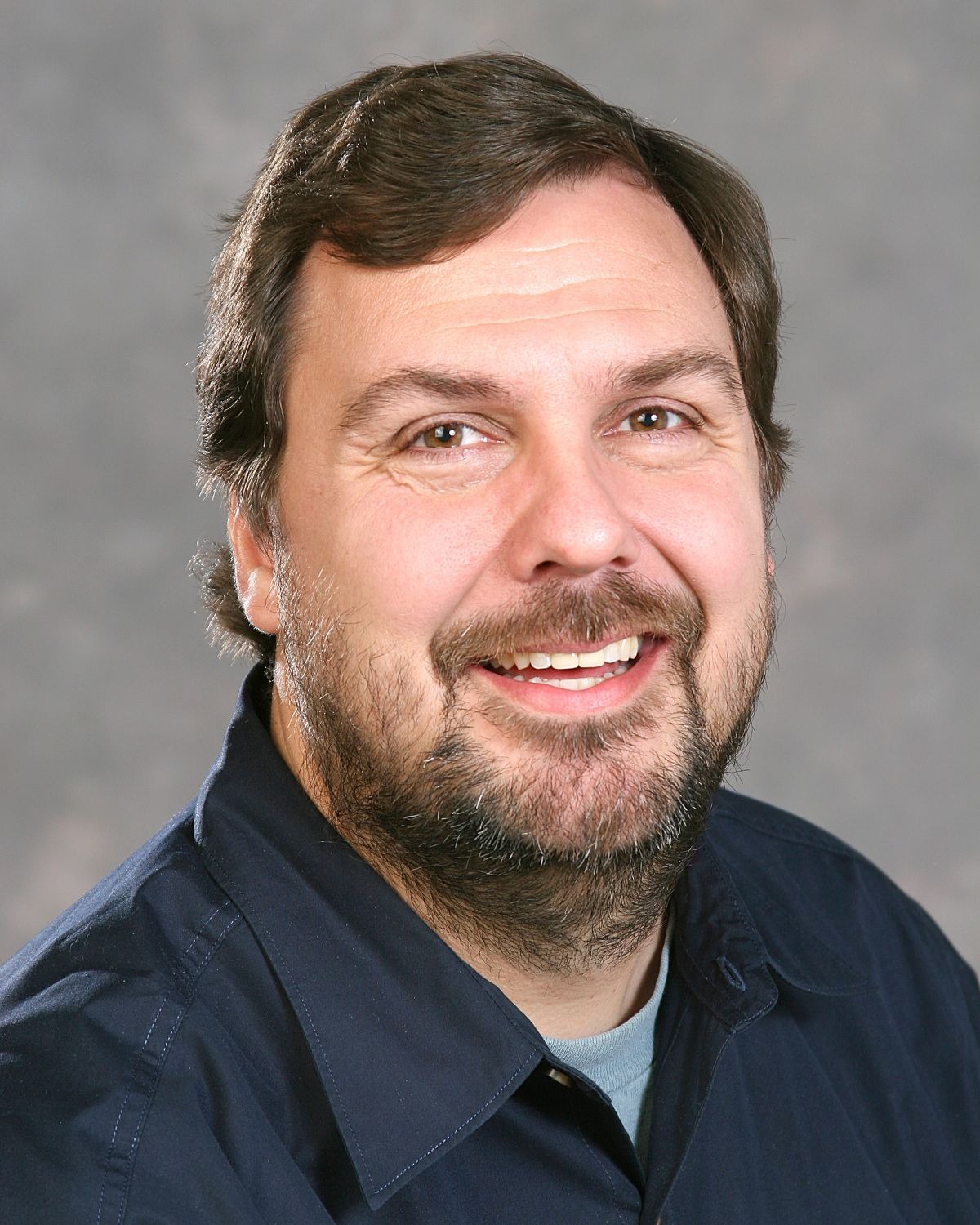
Todd Huspeni
- Associate Vice Chancellor for Teaching, Learning, & Strat…