Department: Department of World Languages and Literatures
Bilingual-Bicultural Education Add-On
Program participants acquire abilities to teach content both in English and another language (either Spanish or Hmong). If you are an undergraduate student seeking ESL teacher certification or a practicing K-12 teacher with ESL certification, the Bilingual-Bicultural Education Certificate is only a few additional credits beyond the ESL teaching certification.
The certificate can be awarded after completion of coursework including FLED 345/FLED 545 (3 credits), FLED 397/FLED 597, and FLED 399 and requires a minimum of 5 credits. It is administered by the Department of World Languages and Literatures.
Attain this certificate by first successfully completing the English as a Second Language Minor with K-12 Teacher Certification.
For more information, visit the Course Catalog, search by the name of this program, and filter by semester.
English as a Second Language
The English as a Second Language program, also known as ESL, is housed in the Department of World Languages and Literatures and is an interdisciplinary minor at UW-Stevens Point. Courses are designed to give students a framework in linguistics as it’s applied to second language education. The program provides students with the skills, methods, strategies, and practicum experience for working with English language learners.
Students get an introduction to linguistics, an introduction to theories of second language acquisition, and acquire the knowledge to work effectively with all age levels. Present-day applications include working with, hiring, training, and servicing English language learners in a variety of vocations.
The minor is available to undergraduate students who are not pursuing teaching degrees or for those who are pursuing teaching degrees but not interested in pursuing the ESL teaching license.
Requirements
Consists of a minimum of 16 credits (not including the World Languages prerequisite requirement).
Prerequisites
- Demonstrated proficiency in English
- World languages requirement (totaling 8 credits)
For more information, visit the Course Catalog, search by the name of this program, and filter by semester.
Sample Graduation Plan (Spanish Teaching Certification) with ESL Minor
For more information contact the ESL Advisor and Program Coordinator
Dr. Tobias Barske
Assistant Dean
School of Humanities and Global Studies
tbarske@uwsp.edu
715-346-2334
Collaborative Language Program
The Collaborative Language Program makes less commonly taught languages (LCTLs) available to students at all UW campuses through distributed learning technologies, where courses are taught here and transmitted to other schools or vice versa. Each course is facilitated by a qualified speaker of that language from a UW-System campus.
Currently, UW-Stevens Point receives the following courses from other campuses:
- Chinese: sent from UW-La Crosse, taught by Hongying Xu
- French sent from UW-Whitewater, taught by Sheila Turek
- German: sent from UW-Stevens Point, taught by Thomas Leek
- Japanese: sent from UW-River Falls, taught by Magara Maeda
- Russian: sent from UW-La Crosse, taught by Natalia Roberts
For information about the Universities of Wisconsin Collaborative Language Program click here.
World Languages Communicative Proficiency
The World Languages Communicative Proficiency Certificate helps you further develop your proficiency level in one of the target languages taught in the Department of World Languages and Literatures and deepen your understanding of the cultures of the people who speak this language. It can enhance the general education of any student and allow those who have already studied their target language in K-12 to continue their linguistic adventure. Higher proficiency in any second language prepares you from a variety of disciplines to work more effectively with others in your future workplaces – whether those workplaces are in business, higher education, government, or non-profit agencies.
Consists of 12 credits. View course catalog
Required Courses:
- FLNG 250 – Introduction to World Languages Credits: 3
- 9 credits in one world language at 300-400 level taken at UWSP and/or one of our approved study-abroad programs.
Preferred Course Sequence
- FREN 313/GERM 313/SPAN 313
- FREN 314/GERM 314/SPAN 314
- FREN 315/GERM 315/SPAN 315
Other Requirements
Global Seal of Biliteracy: Apply, test, and receive the certification from the Global Seal of Biliteracy and provide a copy of the certification to the Department of World Languages and Literatures.
German Minor
CONNECT GLOBALLY WITH A GERMAN MINOR AT UW-STEVENS POINT
A minor in German offers students a background in the language at the undergraduate level, an introduction to the study of German literary classics, and knowledge of the history of German culture. Students pursing music and the arts may be interested in a German minor for a better multi-cultural understanding of the arts. Business and international studies majors interested in working with companies or in career fields with German affiliates may be interested in the minor as well.
Consists of 18 credits.
In cooperation with the Office of International Programs, we offer a semester long language immersion program. Be sure to investigate study abroad opportunities in Marburg, Germany.
For more information, visit the Course Catalog, search by the name of this program, and filter by semester.
Spanish Minor
SEE THE WORLD THROUGH MORE THAN ONE LENS WITH A MINOR IN SPANISH AT UW-STEVENS POINT
A Spanish minor is an excellent option for a variety of majors. Approximately 350 million people worldwide are native Spanish speakers and Spanish is the second most spoken language in the world. In fact, 21 countries have Spanish as their official language: Spain, Equatorial Guinea (Malabo) in West Africa, Mexico, Costa Rica, Cuba, Dominican Republic, El Salvador, Guatemala, Honduras, Nicaragua, Panama, Puerto Rico, Argentina, Bolivia, Chile, Colombia, Ecuador, Paraguay, Peru, Uruguay, Venezuela. The Spanish-speaking population is one of the fasting growing segments in the world, especially in the United States.
English as a Second Language teachers are in high need. Additionally, the Hispanic market is today the most rapidly expanding market in the United States. Hispanic consumers have become a driving force in the largest national markets, including southern and northern California, New York, Chicago, Florida, Texas, and others. Some marketing studies show that Hispanics prefer to make buying decisions in Spanish and not surprisingly, there are many career fields in the U.S. are transitioning to bilingual services.
Learning Spanish helps you to gain access to a wealth of Spanish art, music, literature, and film. Becoming bilingual means seeing the world through more than one lens; a skill that can help you in many areas and if you plan to travel, knowing the language of the places you visit will give you insights into the people and culture that a non-Spanish speaker would never have access to.
Consists of 18 credits.
For more information, visit the Course Catalog, search by the name of this program, and filter by semester.
Bilingual-Bicultural Education
Program participants acquire abilities to teach content both in English and another language (either Spanish or Hmong). If you are an undergraduate student seeking ESL teacher certification or a practicing K-12 teacher with ESL certification, the Bilingual-Bicultural Education Certificate is only a few additional credits beyond the ESL teaching certification.
The certificate can be awarded after completion of coursework including FLED 345/FLED 545 (3 credits), FLED 397/FLED 597, and FLED 399 and requires a minimum of 5 credits. It is administered by the Department of World Languages and Literatures.
Attain this certificate by first successfully completing the English as a Second Language Minor with K-12 Teacher Certification.
For more information, visit the Course Catalog, search by the name of this program, and filter by semester.
Basic Second Language Proficiency
The Basic Second Language Proficiency Certificate allows students to acquire a second language to reach a basic proficiency level and to focus on understanding cultural knowledge related to the people where this second language is spoken. The certificate provides preparation for students from a variety of disciplines to work more effectively with others in their future workplaces – whether those workplaces are in business, higher education, government or non-profit agencies. The certificate can enhance the general education of any student.
Learning Objectives
Students will be able to:
- Demonstrate an understanding of how languages other than English are similar to and different from the English language.
- Discuss the importance of speaking a language other than English to become a more engaged global citizen.
- Discuss how basic language proficiency in a second language represents an asset to professional success.
Required Courses:
Complete first four semesters of a world language offered at UWSP including Chinese, French, German, Japanese, Russian or Spanish. View course catalog
- At least one of the courses in the following sequences must be taken at UWSP.
- If you have enough retro-active credits to cover the sequence and your placement is above this level, take a 300-level language course at UWSP. To receive retro-active credits, you need to earn B- or above in this course.
- For languages not offered at UWSP (e.g., Hmong), an official ACTFL oral proficiency test score of beginning high may be substituted.
- FLNG 101 – Intercultural Communication and Global Citizenship Credits: 3
UWSP Course Sequences
Chinese: CHIN 101, 102, 200, 201
French: FREN 101, 102, 211, 212
German: GERM 101, 102, 211, 212
Japanese: JAPN 101, 102, 211, 212
Russian: RUSS 101, 102, 211, 215
Spanish: SPAN 101, 102, 211, 212
German: Teacher Certification
PREPARE FOR A REWARDING TEACHING CAREER WITH A UW-STEVENS POINT DEGREE
As a student at UW-Stevens Point you have the opportunity to become a German speaker with a marketable set of skills in education and business, and well-versed in the culture and literature of German speaking peoples.
For students pursuing a Bachelor of Arts degree in the Teaching of German, a study abroad trip is a requirement. In cooperation with the Office of International Programs, we offer semester long language immersion programs in Marburg, Germany. Internships are also available through the department.
We offer a variety of options for those wishing to major in German. Teaching certification majors have close to a 100 percent job placement!
Department of World Languages and Literatures
Why study German at UW-Stevens Point?
When you pursue a German degree, you become an educated citizen with skills valuable in business, finance, communications, social services, education, science, technology and government.
Marburg, Germany Semester Abroad
In cooperation with the Office of International Programs, we offer semester long language immersion program in Marburg, Germany. Marburg is known as an exciting location full of history, well-known for being the site of the oldest protestant university. Our returning students have consistently related positive impressions of their experiences in Germany.
Scholarships and Awards
The Department of World Languages and Literatures recognizes outstanding students at the annual Humanities and Global Studies Spring Awards Ceremony. In 2026, a total of $42,200 was awarded thanks to our generous donors and endowed scholarships.
Post-graduate Opportunities
Knowledge of a foreign language and language pedagogy can be a vital factor in career success. We are committed to placing our students on a firm career path through study abroad programs, fellowships, internships and other career-enhancing possibilities. Students with high proficiencies in languages, experience studying abroad and expertise in a second field have promising employment opportunities. Some recent graduates have worked for European companies with North American branches, with airlines, and as bilingual customer service representatives and international account auditors.
WHAT TO EXPECT
If you plan to teach German or Spanish grades K-12, you must apply to the School of Education (SOE) at UW-Stevens Point and be accepted into the program. Prior to applying, you must meet requirements set by SOE which can be found on their website: SOE Professional Education Program Application Requirements.
Once accepted into the program, there are no other applications requirements required by the Department of World Languages and Literatures.
APPLICATION DEADLINES: Applications for the Professional Education Program are processed two times a year – February 22 and September 22. Applications are due the Friday prior to the deadline if the deadline falls on a Saturday or Sunday.
GET INVOLVED ON CAMPUS
The UW-Stevens Point German Club is active and holds a weekly Stammtisch in which you can hone your language skills in an informal setting. More opportunities can be found on the Stevens Point Involvement Network (SPIN).
MEET YOUR FACULTY
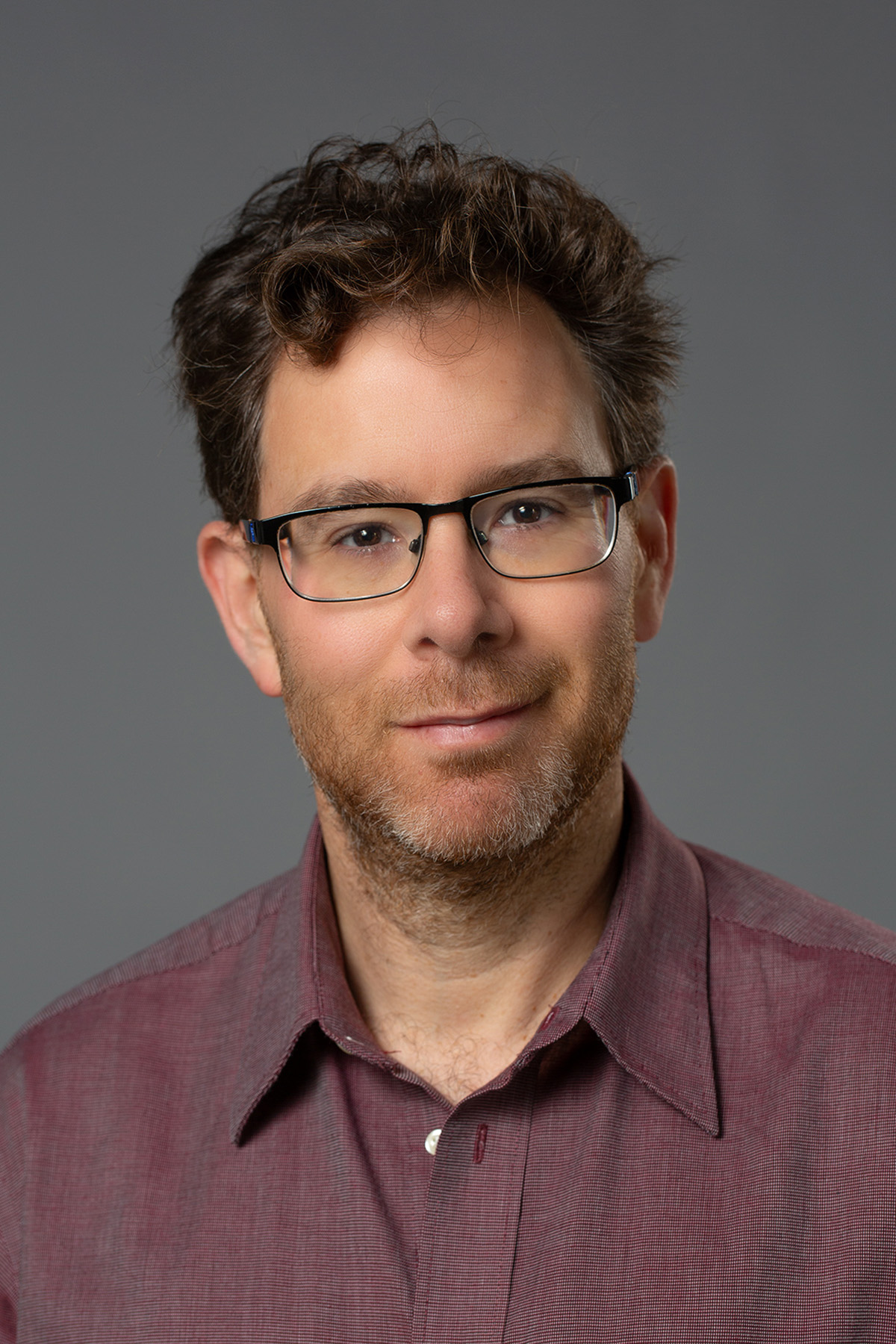
Thomas Leek
- Associate Professor of German
- Chair, Department of World Languages and Literatures
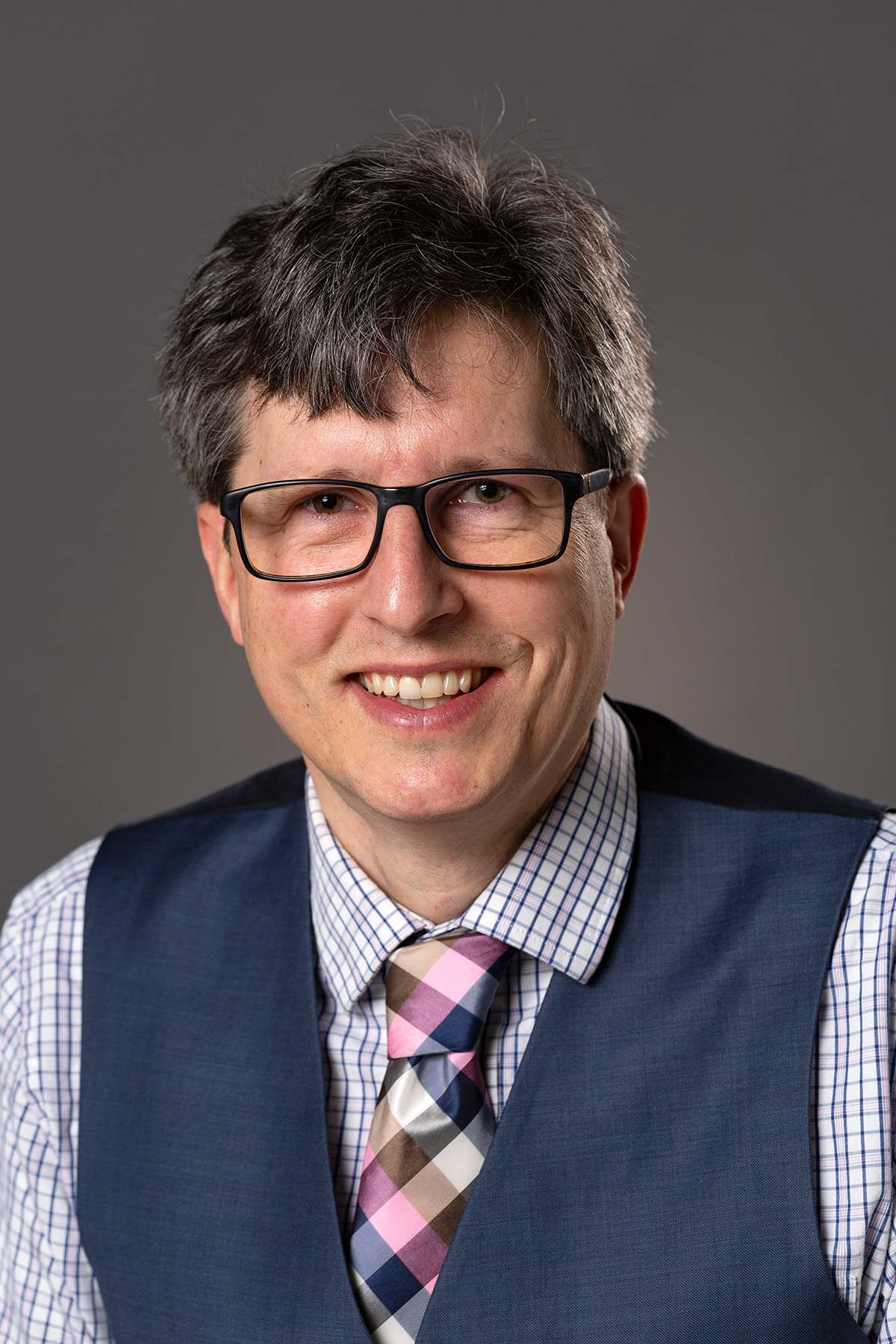
Tobias Barske
- Assistant Dean, School of Humanities and Global Studies
- Professor of German Applied Linguistics