Master of Science in Natural Resources

Earn Your Master of Science in Natural Resources and Lead the Future of Conservation

Advance your career with the Master of Science in Natural Resources program at the University of Wisconsin–Stevens Point. Offered through the College of Natural Resources, this is a two-year, in-person, thesis-based graduate program that combines hands-on research, field experience, and professional development to prepare students for leadership roles in natural resource management and environmental stewardship.

Students can customize their degree within the following disciplines: environment and society, fisheries and water resources, forestry, soil and waste resources, and wildlife ecology and management. With access to field stations, applied research opportunities, and nationally recognized outreach centers, the program provides an immersive graduate experience designed to support individual academic and professional goals.

Admission follows a faculty-adviser model, meaning prospective students are responsible for contacting faculty members whose research interests align with their own. Admission is granted once a faculty member agrees to serve as the student’s graduate adviser and the application is complete.

Why choose a Master of Science in Natural Resources

Choosing a Master of Science in Natural Resources means building advanced expertise and practical experience to address real-world challenges in conservation, sustainability, and natural resource management. You will develop specialized knowledge and applied research skills that prepare you for meaningful and impactful environmental careers.

The program is flexible, allowing you to tailor your studies to your interests while working closely with faculty mentors who support your academic and professional goals. Through interdisciplinary coursework, hands-on research, and professional engagement, you gain the experience needed to stand out in the field.

A key feature of the program is the faculty-adviser model. You take an active role in connecting with a faculty member whose expertise matches your interests, and admission is confirmed once that faculty member agrees to serve as your graduate adviser, ensuring strong mentorship from the start.


Affordability

The Master of Science in Natural Resources program offers a range of financial support options to help make graduate study more accessible and manageable. Students may be eligible for graduate assistantships that provide a stipend and potential tuition benefits in exchange for teaching or research responsibilities. These positions not only help offset the cost of the program but also provide valuable professional experience that supports academic and career development.

Additional funding opportunities may also be available through scholarships, grants, and federal or state financial aid programs. Together, these resources help reduce the overall cost of earning an advanced degree and allow students to focus more fully on their thesis research and professional growth.

Applying to the Master of Science in Natural Resources at UW-Stevens Point

Applying to the Master of Science in Natural Resources program is a personalized, faculty-centered process designed to ensure strong alignment between your academic interests, research goals, and faculty expertise. Rather than a traditional admissions model, acceptance is based on finding a graduate faculty adviser who agrees to support and guide your studies. This approach helps ensure that each student enters the program with a clear research direction and meaningful mentorship from the beginning of their graduate experience.

Step 1. Choose your area of interest

  • Begin by selecting the discipline that best aligns with your goals, such as Environment and Society, Fisheries and Water Resources, Forestry, Soil and Waste Resources, or Wildlife Ecology.

Step 2. Connect with a Faculty adviser

  • Reach out directly to the College of Natural Resources faculty whose research interests match yours. Admission requires a faculty member to agree to serve as your graduate adviser.

Step 3: Submit application materials

  • Prepare and send the following required materials:
    • Resume or CV
    • Statement of purpose (professional interests and goals)
    • Writing sample (academic paper)
    • Two letters of recommendation
    • Proof of at least a 3.0 GPA in the last two undergraduate years

Step 4: Complete the Graduate Application

  • Submit the official UWSP Graduate School application, including:
    • Application form
    • Application fee
    • Official transcripts
  • International students must apply through International Student and Scholar Services (ISSS).

Step 5: Review and Admission Decision

  • Once a faculty member agrees to serve as your adviser and all materials are received, your application will be reviewed. If accepted, you will receive an official admission notification to the program.

Additional Notes:

Some applicants who do not meet the minimum GPA may still be considered if a prospective adviser submits a waiver request, and it is approved. Graduate assistantship opportunities may also be available to support students financially during their studies.

Important Dates

To receive top consideration for admission to the MNR program, sign up for an information session or submit your application by the priority deadline for your intended semester.

6/15
Fall Semester Application Deadline
11/1
Spring Semester Application Deadline

Courses for the Master of Science in Natural Resources

The Master of Science in Natural Resources program is a thesis-based graduate degree designed to provide students with advanced academic training and independent research experience. Working closely with a graduate committee, students develop a customized plan of study that includes required coursework, research credits, and a culminating thesis. The program also includes a final comprehensive oral examination to demonstrate mastery of both coursework and research.

  • Credit Requirement
    • Minimum of 30 graduate credits
    • At least 15 credits at the 700-level or above
    • Courses selected with your graduate committee based on your research and goals
  • Graduate Committee
    • Minimum of 3 graduate faculty members
    • At least 2 members must be from the College of Natural Resources
  • Core Coursework
    • Graduate seminar required (NRES 795 – 1 credit)
    • Research methods course requirement:
      • NRES 750 or NRES 791 (1 credit)
    • Limited number of credits from core NRES courses may count toward the 30-credit total
  • Thesis Requirement
    • Completion of an independent research thesis
    • Minimum of 6 credits of NRES 799 (Thesis)
    • Thesis completed under faculty adviser and committee supervision
    • Final approved thesis submitted electronically to the university library
  • Final Examination
    • Comprehensive oral exam
    • Covers both coursework and thesis research
      • Conducted by your graduate committee

Frequently Asked Questions

Applying to and completing a graduate degree can raise many important questions about admissions, requirements, funding, and program expectations. Below you will find answers to common inquiries about the Master of Science in Natural Resources to help you better understand the application process, academic structure, and student experience.

Can I apply if my undergraduate degree is not in natural resources?

Yes. Students from related or unrelated fields may apply, but additional coursework may be required depending on your academic background.

Is the program course-based or thesis-based?

The program is a thesis-based Master of Science degree, requiring independent research and a final oral examination in addition to coursework.

How long does the program take to complete?

The program is designed to be completed in approximately two years of full-time, in-person study.

What are the application deadlines?

The application deadlines for the Master of Science in Natural Resources program are June 15 for fall admission and November 1 for spring admission.

What financial support is available?

Students may be eligible for graduate assistantships, scholarships, and federal or state financial aid, which may help offset tuition costs and provide a stipend.

Are assistantship guaranteed?

No. Assistantships are competitive and are typically awarded by individual faculty members based on funding availability and student qualifications.

What are the minimum GPA requirements?

A minimum GPA of 3.0 in the last two years of undergraduate study is generally required, though waivers may be considered in some cases with faculty support.

Who can I contact for more information?

For more information about the Master of Science in Natural Resources program, you can contact the program office by email at cnrms@uwsp.edu or by phone at 715-346-4617.


Meet Our Instructors

Our faculty members teach in one of the nation’s top undergraduate natural resources colleges, which means your instructors are leading professionals in their fields of study and will provide quality and relatable courses with the current curriculum for your MS program.

View all our faculty and staff here.
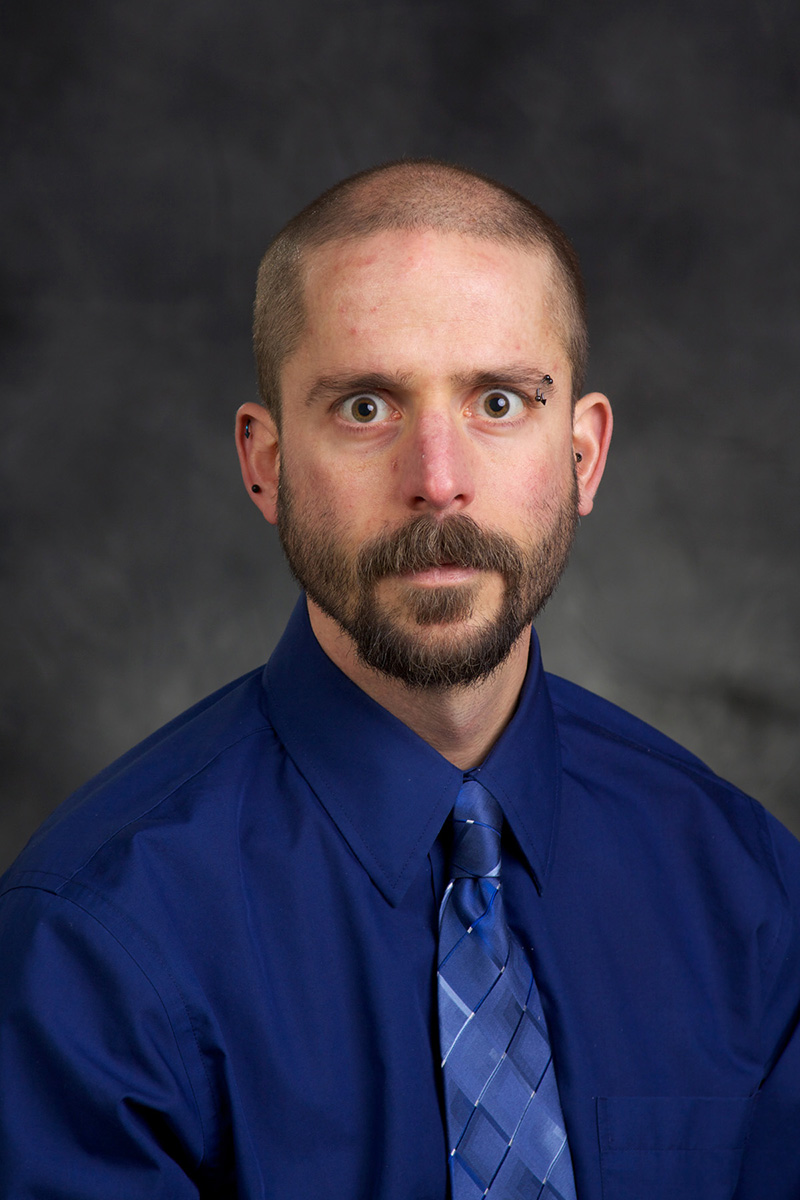
Profile Photo: Benjamin Sedinger

Benjamin Sedinger

  • Kennedy-Grohne Chair in Waterfowl and Wetlands Conservation
  • Associate Professor of Wildlife
342 Trainer Natural Resources
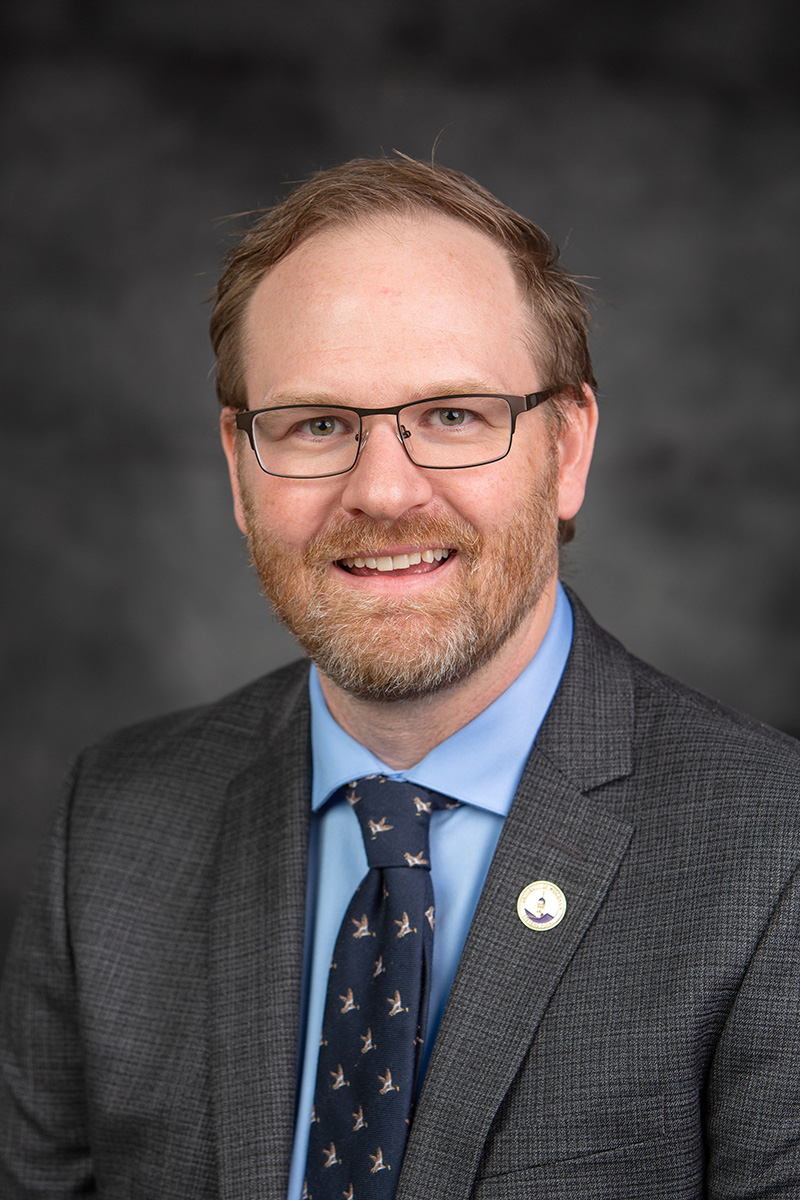
Profile Photo: Bryant Scharenbroch

Bryant Scharenbroch

  • Associate Professor
278 Trainer Natural Resources
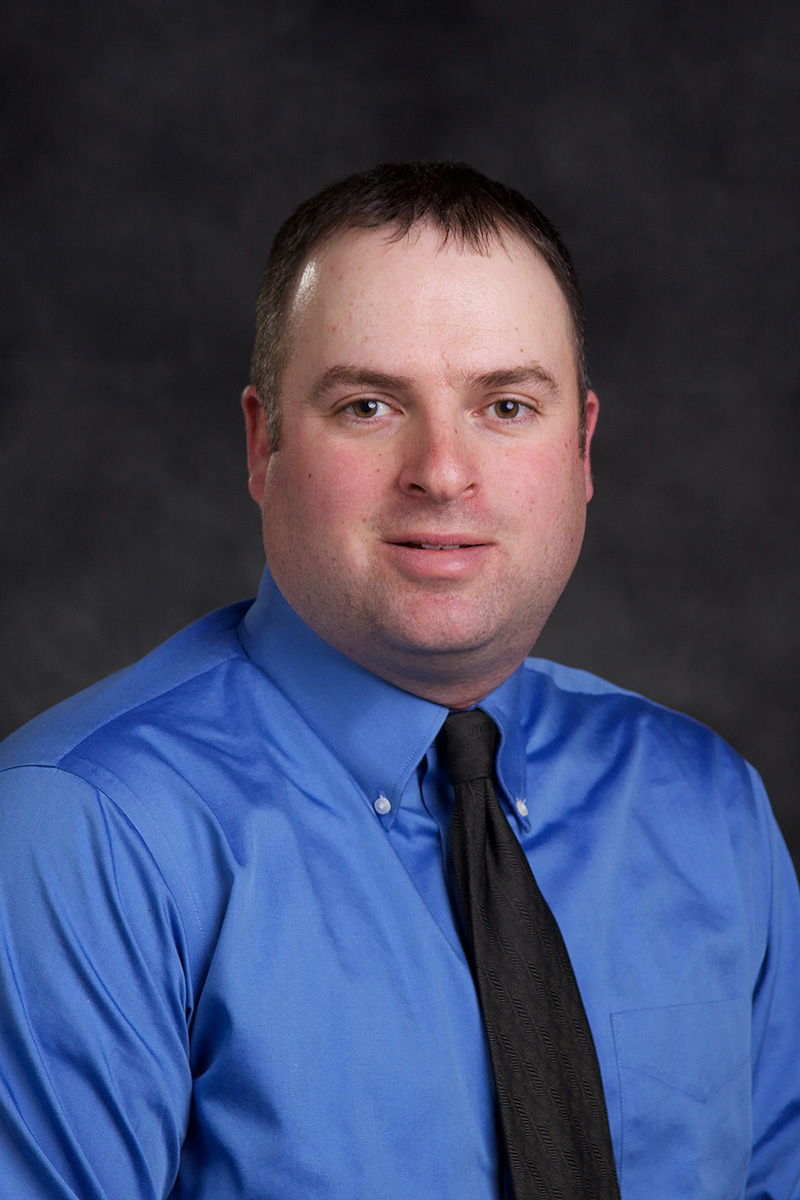
Profile Photo: Cady Sartini

Cady Sartini

  • Associate Professor and Coordinator of the Wildlife Disci…
  • Principal Investigator for the Stephens Family Foundation…
186 Trainer Natural Resources
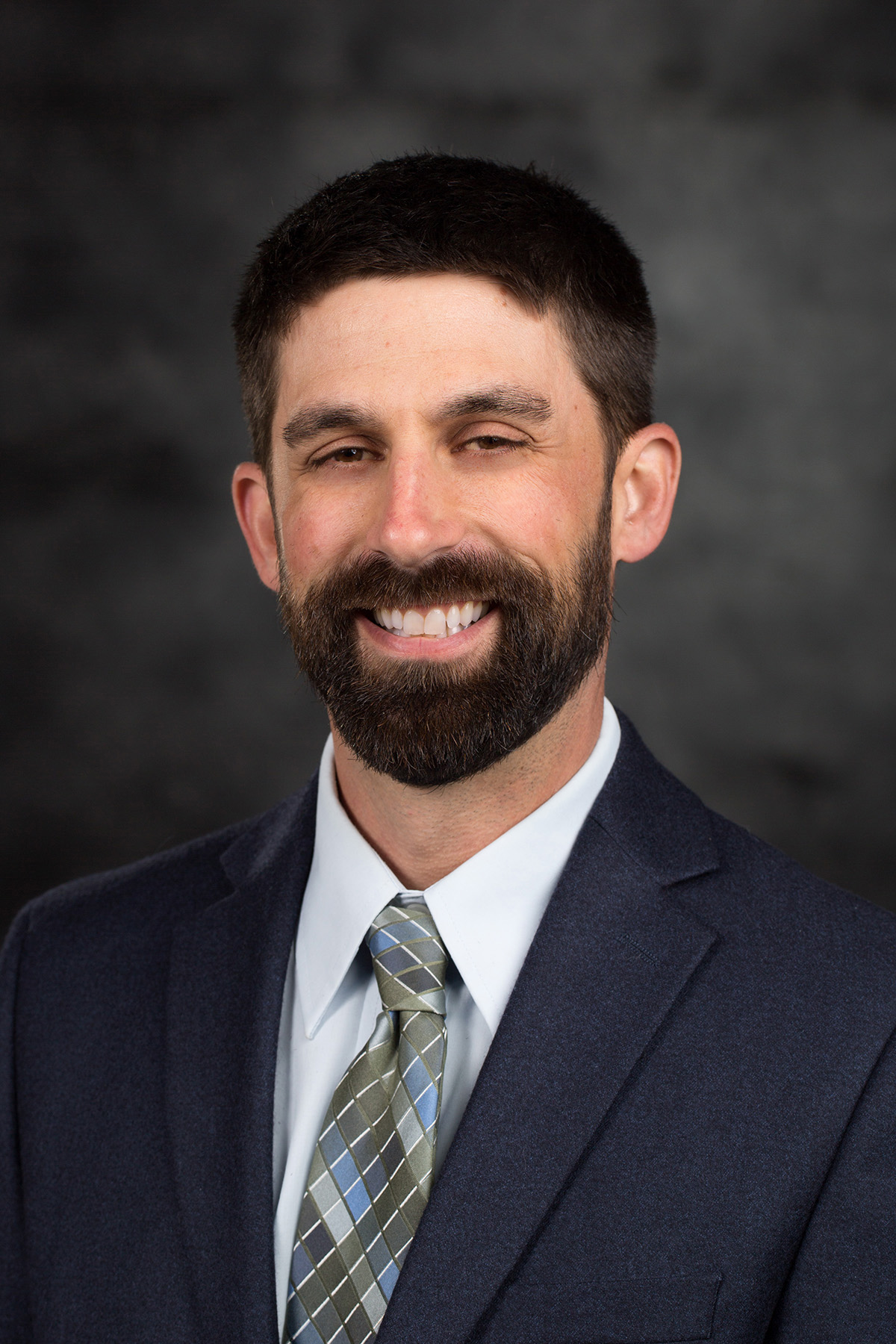
Profile Photo: Daniel Isermann

Daniel Isermann

  • Unit Leader – Wisconsin Cooperative Fishery Research Unit

163B Trainer Natural Resources
Profile Photo: Kendra Liddicoat

Kendra Liddicoat

  • Associate Professor and Coordinator of Discipline
  • Global Affiliate Scholar – Ed.D. in Educational Sustainab…
235 Trainer Natural Resources
Profile Photo: Kevin Masarik

Kevin Masarik

  • Director of the Center for Watershed Science and Education
  • Extension Water Specialist
224E Trainer Natural Resources
Profile Photo: Laura Anderson McIntyre

Laura Anderson McIntyre

  • Professor
365 Trainer Natural Resources
Profile Photo: Marie Perkins

Marie Perkins

344 Trainer Natural Resources
Profile Photo: Michael Demchik

Michael Demchik

  • Professor of Forestry
246 Trainer Natural Resources


Captive Wildlife

Prepare for a Career Working with Wildlife in Human Care

The Captive Wildlife Minor at the University of Wisconsin–Stevens Point (UWSP) is designed for students who are passionate about animal husbandry, wildlife care, and rehabilitation. This program provides hands-on experience and specialized knowledge for working with animals in zoos, wildlife research facilities, rehabilitation centers, and other managed care settings.

What is the Captive Wildlife Minor?

This 30–34 credit minor focuses on the ethical, biological, and behavioral aspects of wildlife in captivity. Students gain a deep understanding of how captivity affects animal welfare, health, and behavior, and learn practical skills to improve animal care and conservation outcomes.

To complete the minor, students are required to participate in a captive wildlife internship, giving them direct field experience and valuable career clarity.

Core Topics Include:

  • Animal Ethics
  • Wildlife Diseases
  • Animal Physiology
  • Management of Captive Wildlife
  • Techniques of Captive Wildlife
  • Wildlife of North America

Many of these courses overlap with requirements in complementary majors, making the minor an ideal addition for students in:

  • Wildlife Ecology
  • Biology
  • Environmental Education and Interpretation

Hands-On Experience Through Internships

All students pursuing this minor must complete an internship with a captive wildlife organization, which can be used to fulfill both academic credit and career preparation. These real-world experiences are crucial for exploring professional interests and building your résumé.

Recent Internship Sites Include:

  • Dane County Humane Society
  • Wildwood Wildlife Park
  • Northeastern Wisconsin Zoo (NEW Zoo)

Career Opportunities

Graduates of the Captive Wildlife Minor have gone on to work at top-tier zoological and wildlife care facilities such as:

  • Milwaukee County Zoo
  • Henry Doorly Zoo
  • Raptor Education Group

The minor prepares you for roles in:

  • Wildlife Husbandry
  • Animal Care and Training
  • Wildlife Rehabilitation
  • Zoo and Aquarium Operations
  • Wildlife Education and Interpretation
  • Research Support for Captive Populations

Why Choose This Minor?

  • Gain real-world animal care experience
  • Build knowledge in wildlife biology and ethics
  • Work with professional wildlife organizations
  • Enhance your résumé for careers in wildlife care and education
  • Perfectly complements majors like Wildlife Ecology, Biology, and Environmental Education

Learn More

For full course listings, internship guidance, and how to integrate this minor with your major, visit the UWSP Catalog page or speak with your academic advisor.


Paper Science and Engineering

STUDY THE ENGINEERING, SCIENCE, AND TECHNOLOGY BEHIND PAPER MANUFACTURE IN A FIELD WITH 100% JOB PLACEMENT.

We are the home of the only pilot-scale paper machine laboratory in Wisconsin. This offers you unique opportunities to learn, including all aspects of the safe and efficient operation of the equipment.

Why Study Paper Science and Engineering at UW-Stevens Point?

The Paper Science and Engineering program at the University of Wisconsin-Stevens Point nurtures students’ interest in math, chemistry, physics, and engineering to prepare them for engineering careers in Wisconsin’s most sustainable industry.

WHAT TO EXPECT

The Paper Science and Engineering curriculum is grounded in the fundamental engineering and science of papermaking, ensuring you are prepared for career opportunities in all areas of the industry.

Career opportunities are available in Wisconsin, across the country, and worldwide. Our graduates are in demand because they are well prepared for process engineering positions in Wisconsin’s most sustainable manufacturing industry. Job titles include: 

  • process engineer
  • sales account manager 
  • project manager 
  • new product development
  • research and development engineer
  • quality assurance manager,
  • and many others.

Our graduates have career opportunities in Wisconsin, across the country, and worldwide. About 50% of our graduates stay in Wisconsin. Many work in other countries.

GET INVOLVED ON CAMPUS

Discover your passions, build your resume, and make friends along the way! Whether it is joining a student organization, working on our best-in-class pilot-scale paper machine, or participating in research with one of our faculty, there are plenty of opportunities for you to get involved.

  • Participate in our annual Career Fair and Interview Day to find internships and entry-level positions. 
  • There are many opportunities for you to work side-by-side with faculty and staff, conducting scientific research and performing laboratory analysis. You can present your research findings at professional meetings, conferences, and our annual Jim and Katie Krause CNR Student Research Symposium.  
  • Read the CNR Reporter, a weekly newsletter, for information on upcoming presentations, student organization meeting times, and other important happenings on and around campus.

GAIN EXPERIENCE OUTSIDE THE CLASSROOM

You will have opportunities to work in manufacturing facilities in well-paid internships. These internships involve a variety of experiences, from laboratory testing to ensure product quality and efficient operation to project work that improves the facility’s profitability. Each internship experience offers different challenges and increased levels of responsibility.

Research in a specialized field of interest (biofuels production, recycled fiber quality, etc.) is possible through collaborations with department faculty and often results in publications in the scientific literature.

Meet your faculty and staff

Our Paper Science and Chemical Engineering faculty members bring a wide array of knowledge and experience to our classrooms at UW-Stevens Point.

View all of our faculty and staff.

Profile Photo: John (JT) Tatarko

John (JT) Tatarko

  • Teaching Professor
Profile Photo: Karyn Biasca

Karyn Biasca

  • Professor
  • Paper Science and Chemical Engineering
Profile Photo: Roland Gong

Roland Gong

  • Professor and Department Chair
  • Technical Consultant for the Wisconsin Institute for Sust…
Profile Photo: Seyed Javad Amirfakhri

Seyed Javad Amirfakhri

  • Assistant Professor of Paper Science and Chemical Enginee…

Accreditation

Accreditation is a process that shows a program meets high standards for quality and education. When a program is accredited, it means an external organization has reviewed it to ensure you are learning the skills and knowledge needed for success in college, careers, and the workforce. Accreditation also demonstrates our commitment to continuous improvement and to providing you with a strong educational experience.

The Chemical Engineering program is accredited by the Engineering Accreditation Commission of ABET, under the commission’s General Criteria and Program Criteria for Chemical Engineering.

The Paper Science and Engineering program is accredited by the Engineering Accreditation Commission of ABET, under the commission’s General Criteria with no applicable Program Criteria.


Paper Science and Chemical Engineering

Unlock your potential with the Paper Science and Chemical Engineering programs at the University of Wisconsin–Stevens Point. These innovative academic tracks empower you to apply advanced math and science skills to tackle real-world challenges in manufacturing and industrial engineering. Whether you are working on energy-efficiency projects, minimizing water use, or enhancing the sustainability of large-scale industrial processes, you gain hands-on experience that shapes you into a problem-solver who can positively impact the manufacturing sector. With a strong emphasis on teamwork and environmental stewardship, these programs prepare you to make a difference both locally and globally.


Environmental Science and Management

Make a Difference in the World

Ready to make a difference in the environment? The Environmental Science and Management (ESM) major is your launchpad into a career focused on sustainability, conservation, and natural resource solutions. As our most adaptable major, ESM offers two options: Physical Science and Social Science, providing you with the tools to tackle challenges such as climate change, land and water management, and resource policy through both scientific and strategic approaches.

Why Study Environmental Science and Management at UW-Stevens Point?

Build a strong, broad-based foundation in natural resource management, and then tailor your degree with a minor such as forestry, soil science, water resources, or wildlife. Whether you are passionate about protecting ecosystems or shaping environmental policy, ESM offers the versatility and depth to support your goals.

Alumni Map

Where are they now?

UW-Stevens Point College of Natural Resources alumni live and work worldwide! Check out our map if you are interested in exploring job or networking opportunities close to home.

If you would like to add your information to our interactive alumni map, please fill out the form below.


WHAT TO EXPECT

Both options within the Environmental Science and Management degree provide a unique opportunity to combine your knowledge and skills in science, management, and policy perspectives on environmental issues, preparing you to serve as an environmental professional. Choose courses to develop your specific field of environmental expertise to address environmental challenges.

You can enhance your degree with a certificate in Climate Change, Energy Policy, Wetland Science, Geographic Information Systems (GIS), or a minor in Environmental Communication to strengthen your resume for job opportunities.

Graduates find positions in a wide variety of careers. They may work in the private sector or for the county, state, and federal agencies. Job titles include:

  • Environmental Scientist
  • Ecologist
  • Environmental Policy Analyst
  • Climate Change Specialist 
  • Environmental Outreach Professional
  • Watershed Program Manager
  • Environmental Law Student

GET INVOLVED ON CAMPUS

Discover your passions, build your resume, and make friends along the way! Whether it is joining a student organization, working at one of our centers, or participating in research at one of our three field stations, there are plenty of opportunities for you to get involved. 

  • Our Wisconsin Center for Environmental Education, Central Wisconsin Environmental Station, and Schmeeckle Reserve provide opportunities for you to gain outreach and research experience alongside professionals in the field.
  • Read the CNR Reporter, a weekly newsletter, for information on upcoming presentations, student organization meeting times, and other important happenings on and around campus.
Environmental Science and Management

Navigate Your Major

Major Maps help students map their first day to the first job in their chosen field. While a four-year plan outlines classes to get a degree, Major Maps help students learn how to build career-ready skills and experiences outside the classroom. Each Major Map shows how students can get the most of their UW-Stevens Point journey from enrollment to graduation and beyond. It’s a roadmap to discovering your purpose!


GAIN EXPERIENCE OUTSIDE THE CLASSROOM

Prepare for your career with additional hands-on experiences in all areas of natural resource management during a required summer field experience. You can choose between our six-week, hands-on summer field experience held at our Treehaven field station or on-campus, or take part in our European Environmental Seminar and learn how European natural resource management compares to the United States.

Summer internships and jobs are another great way to build your resume. We make them easy to find through our partnership with Handshake.

Meet Your Faculty and Staff

Faculty members who teach within the Environmental Science and Management program bring a wide array of knowledge and experience to our indoor and outdoor classrooms at UW-Stevens Point.

View all our faculty and staff.

Profile Photo: Daniel Keymer

Daniel Keymer

  • Associate Professor
267 Trainer Natural Resources
Profile Photo: Kendra Liddicoat

Kendra Liddicoat

  • Associate Professor and Coordinator of Discipline
  • Global Affiliate Scholar – Ed.D. in Educational Sustainab…
235 Trainer Natural Resources
Profile Photo: Kyle Herrman

Kyle Herrman

  • Professor and Coordinator for Fisheries and Water Resourc…
263 Trainer Natural Resources

Environment and Society

Our programs in the Environment and Society discipline provide hands-on experience in conservation, environmental science, and sustainability, preparing you for careers in fields like conservation planning, environmental education, conservation law enforcement, and environmental science and management. Through fieldwork, internships, and service-learning, you’ll develop the skills to protect natural resources and promote sustainability. Start your journey toward a meaningful career making an impact today.


Conservation and Community Planning

Plan the Communities for Tomorrow

Combine natural science knowledge with social science skills to guide stakeholders in making resource management decisions, learn to create healthy, sustainable communities in rural and urban areas, and work with landowners to conserve their land with a degree in conservation and community planning.

Why Study Conservation and Community Planning at UW-Stevens Point?

Analyze, create, and develop maps and plans, conduct windshield surveys, and understand landowner and stakeholder attitudes with a degree in community and conservation planning.

Alumni Map

Where are they now?

UW-Stevens Point College of Natural Resources alumni live and work worldwide! Check out our map if you are interested in exploring job or networking opportunities close to home.

If you would like to add your information to our interactive alumni map, please fill out the form below.


WHAT TO EXPECT

Develop relevant knowledge and practical skills through hands-on learning opportunities in and out of the classroom with a conservation and community planning degree. A senior capstone experience provides a real-world opportunity to work with a client on an issue. Previous clients have included the United States Forest Service, the City of Stevens Point, Wisconsin Rapids, and the North Central Conservancy Trust. You will also learn to use various software programs such as ArcGIS, Adobe Photoshop, Qualtrics, and SketchUp.

Graduates find positions in a wide variety of careers. They may work in the private sector or for county, state, and federal agencies. Job titles include:

  • Community Planners
  • Land Stewards
  • Assistant Planners
  • Land Use Planners
  • Environmental Planners
  • Conservation Technicians
  • Conservation Project Managers
  • Conservation Easement Program Managers
  • Natural Resource Specialist
  • Sustainability Coordinator
  • Environmental Policy Analyst

GET INVOLVED ON CAMPUS

Discover your passions, build your resume, and make friends along the way! Whether it is joining a student organization, working at one of our centers, or participating in research at one of our three field stations, there are plenty of opportunities for you to get involved.

Conservation and Community Planning

Navigate Your Major

Major Maps help you map your first day to the first job in your chosen field. While a four-year plan outlines the classes needed to earn a degree, Major Maps help you learn how to build career-ready skills and gain hands-on experience outside the classroom. Each Major Map shows how you can get the most out of your UW-Stevens Point journey from enrollment to graduation and beyond. It’s a roadmap to discovering your purpose!


GAIN EXPERIENCE OUTSIDE THE CLASSROOM

Prepare for your career with additional hands-on experiences in all areas of natural resource management during a required summer field experience. You can choose between our six-week, hands-on summer field experience held at our Treehaven field station or on-campus, or take part in our European Environmental Seminar and learn how European natural resource management compares to the United States.

Summer internships and jobs are another great way to build your resume. We make them easy to find through our partnership with Handshake.

Meet your faculty and staff

Faculty members within the Environment and Society discipline bring a wide array of knowledge and experience to our indoor and outdoor classrooms at UW-Stevens Point.

View all our faculty and staff

Profile Photo: Austin Holland

Austin Holland

  • Assistant Professor of Community and Regional Planning
180 Trainer Natural Resources

Environment and Society

Our programs in the Environment and Society discipline provide hands-on experience in conservation, environmental science, and sustainability, preparing you for careers in fields like conservation planning, environmental education, conservation law enforcement, and environmental science and management. Through fieldwork, internships, and service-learning, you’ll develop the skills to protect natural resources and promote sustainability. Start your journey toward a meaningful career making an impact today.


Urban and Community Forestry

Assist cities, towns, and communities with managing and caring for urban forestry resources.

Explore the science and art of growing, planting, and maintaining trees in and around our cities, towns, and villages with a degree in Urban and Community Forestry.

Why Study Urban and Community Forestry at UW-Stevens Point?

Urban and Community Forestry is the science and art of growing, planting, and maintaining trees growing in and around our cities, towns, and villages. Careers in this area allow you to work outdoors in a financially competitive atmosphere.

Where are they now?

Alumni Map

UW-Stevens Point College of Natural Resources alumni live and work worldwide! Check out our map if you are interested in exploring job or networking opportunities close to home.


If you would like to add your information to our interactive alumni map, please fill out the form below.


WHAT TO EXPECT

An integrated curriculum and practical, hands-on work experience are designed to ensure you are ready for a job after graduation. Our program adds flexibility to help meet your professional objectives by selecting collateral courses and specialized training. Set a path towards becoming a Certified Arborist with skill sets you gain as a student and professional work experience after graduation.

From federal and state to private entities, our graduates have jobs in all sectors of the employment spectrum. Job titles include:

  • City/Community Forester
  • City/Community Arborist
  • Commercial Arborist
  • Plant Health Care Specialist
  • Utility Forester
  • Natural Resource Specialist
  • Consultant

GET INVOLVED ON CAMPUS

Discover your passions, build your resume, and make friends along the way! Whether it is joining a student organization, working at one of our centers, or participating in research at one of our three field stations, there are plenty of opportunities for you to get involved.

  • Read the CNR Reporter, a weekly newsletter, for information on upcoming presentations, student organization meeting times, and other important happenings on and around campus.
Forestry

Navigate Your Major

Major Maps help you map your first day to the first job in your chosen field. While a four-year plan outlines the classes needed to earn a degree, Major Maps help you learn how to build career-ready skills and gain hands-on experience outside the classroom. Each Major Map shows how you can get the most out of your UW-Stevens Point journey from enrollment to graduation and beyond. It’s a roadmap to discovering your purpose!


GAIN EXPERIENCE OUTSIDE THE CLASSROOM

Various opportunities are available to expand your skillset outside the classroom, including extensive hands-on training courses in tree felling and tree climbing and a certificate course in pesticide application. You must also participate in one summer of an advisor-approved forestry internship or employment. Typically students do this between their junior and senior years. 

You will gain additional hands-on experiences in all areas of natural resource management during a required summer field experience generally taken between your sophomore and junior years. You can choose between our six-week, hands-on summer field experience held at our Treehaven field station or on-campus, or take part in our European Environmental Seminar and learn how European natural resource management compares to the United States. 

Meet Your Faculty and Staff

Our faculty members within the forestry discipline bring a wide array of knowledge and experience to our indoor and outdoor classrooms at UW-Stevens Point.

View all our faculty and staff.

Profile Photo: Melinda Vokoun

Melinda Vokoun

  • Associate Professor of Forestry
  • Coordinator of Forestry Discipline
376 Trainer Natural Resources
Profile Photo: Michael Demchik

Michael Demchik

  • Professor of Forestry
246 Trainer Natural Resources

Accreditation

Accreditation is a process that shows a program meets high standards for quality and education. When a program is accredited, it means an external organization has reviewed it to ensure you are learning the skills and knowledge needed for success in college, careers, and the workforce. Accreditation also demonstrates our commitment to continuous improvement and to providing you with a strong educational experience.

Society of American Foresters Accreditation

Our Ecosystem Restoration and Management, Forest Management, Forest Recreation, and Urban and Community Forestry programs are all accredited by the Society of American Foresters (SAF). The mission of the UW-Stevens Point Forestry Program is to provide interdisciplinary, application-based educational programs that develop ethical, employable forestry professionals with the expertise to manage resources sustainably to best develop and train students today for the future.

Find more information on program outcomes, retention and graduation rates, and job placement and graduate school rates.


Preamble

Service to society is the cornerstone of any profession. The profession of forestry serves society by fostering stewardship of the world’s forests. Because forests provide valuable resources and perform critical ecological functions, they are vital to the wellbeing of both society and the biosphere.

Members of SAF have a deep and enduring love for the land, and are inspired by the profession’s historic traditions, such as Gifford Pinchot’s utilitarianism and Aldo Leopold’s ecological conscience. In their various roles as practitioners, teachers, researchers, advisers, and administrators, foresters seek to sustain and protect a variety of forest uses and attributes, such as aesthetic values, air and water quality, biodiversity, recreation, timber production, and wildlife habitat.

The purpose of this Code of Ethics is to protect and serve society by inspiring, guiding, and governing members in the conduct of their professional lives. Compliance with the code demonstrates members’ respect for the land and their commitment to the long-term management of ecosystems, and ensures just and honorable professional and human relationships, mutual confidence and respect, and competent service to society.

On joining the SAF, members assume a special responsibility to the profession and to society by promising to uphold and abide by the following:

Principles and Pledges

Foresters have a responsibility to manage land for both current and future generations. We pledge to practice and advocate management that will maintain the long-term capacity of the land to provide the variety of materials, uses, and values desired by landowners and society.

Society must respect forest landowners’ rights and correspondingly, landowners have a land stewardship responsibility to society. We pledge to practice and advocate forest management in accordance with landowner objectives and professional standards, and to advise landowners of the consequences of deviating from such standards.

Sound science is the foundation of the forestry profession. We pledge to strive for continuous improvement of our methods and our personal knowledge and skills; to perform only those services for which we are qualified; and in the biological, physical, and social sciences to use the most appropriate data, methods, and technology.

Public policy related to forests must be based on both scientific principles and societal values. We pledge to use our knowledge and skills to help formulate sound forest policies and laws; to challenge and correct untrue statements about forestry; and to foster dialogue among foresters, other professionals, landowners, and the public regarding forest policies.

Honest and open communication, coupled with respect for information given in confidence, is essential to good service. We pledge to always present, to the best of our ability, accurate and complete information; to indicate on whose behalf any public statements are made; to fully disclose and resolve any existing or potential conflicts of interest; and to keep proprietary information confidential unless the appropriate person authorizes its disclosure.

Professional and civic behavior must be based on honesty, fairness, good will, and respect for the law. We pledge to conduct ourselves in a civil and dignified manner; to respect the needs, contributions, and viewpoints of others; and to give due credit to others for their methods, ideas, or assistance.
Forestry


Forestry

If you love the woods and are interested in sustainable management, you will feel at home in the forestry discipline at the University of Wisconsin-Stevens Point. Our program prepares you for diverse careers, from managing urban forests and parks in bustling cities to restoring ecosystems and overseeing vast rural woodlands. Whether you’re passionate about urban green spaces or the expansive wilderness, our specialized majors and hands-on experience ensure you are ready to make a positive impact in both urban and rural environments.


Forest Management

Build a Foundation in Forestland Management’s Biological, Economic, and Social Aspects

The Forest Management program at University of Wisconsin–Stevens Point prepares students to manage publicly owned forestland and support private landowners through sustainable forestry practices. Available as both a major and a minor, the program provides students with the knowledge and technical skills needed to understand, protect, and manage forests, woodlands, and tree-based landscapes.

The Forest Management Major offers comprehensive training for students pursuing careers in forestry, conservation, and land management, while the 24-credit Forest Management Minor is designed to complement majors in natural resources, wildlife, environmental science, sustainability, and related fields. Administered by the Forestry Discipline at UWSP, the minor strengthens students’ understanding of forest health, forest products, and sustainable land stewardship, even if their primary area of study is outside of forestry.

Whether your goal is to work directly in forest management or expand your expertise in natural resource management, the Forest Management program equips you with practical experience and a strong foundation for future success.


Forest Management Major

Why Study Forest Management at UW-Stevens Point?

Guide the use and sustainability of one of our most important natural resources with our forest management option. Our program provides a foundation in forestland management’s biological, economic, and social aspects.

Alumni Map

Where are they now?

UW-Stevens Point College of Natural Resources alumni live and work worldwide! Check out our map if you are interested in exploring job or networking opportunities close to home.

If you would like to add your information to our interactive alumni map, please fill out the form below.


WHAT TO EXPECT

An integrated curriculum and required internship are designed to ensure you are ready for a career in the forest management field. Elective courses offer additional training in herbicide application, timber marking and forest inventory, tree felling, and tree climbing. From federal and state to private entities, our graduates have jobs in all sectors of the employment spectrum. Job titles include:

  • Forester
  • Land Use Planner
  • Resource Administrator
  • Procurement Forester
  • Silviculturist
  • Mensurationist
  • Biometrician
  • Research Forester

GET INVOLVED ON CAMPUS

Discover your passions, build your resume, and make friends along the way! Whether joining a student organization, working at one of our centers, or participating in research at one of our three field stations, there are plenty of opportunities for you to get involved.

  • Join the Society of American Forester’s student chapter or any of our other 200+ student organizations housed within Campus Activities and Student Engagement.
  • Read the CNR Reporter, a weekly newsletter, for information on upcoming presentations, student organization meeting times, and other important happenings on and around campus.

Navigate Your Major

Major Maps help you map your first day to the first job in your chosen field. While a four-year plan outlines the classes needed to earn a degree, Major Maps help you learn how to build career-ready skills and gain hands-on experience outside the classroom. Each Major Map shows how you can get the most out of your UW-Stevens Point journey from enrollment to graduation and beyond. It’s a roadmap to discovering your purpose!


GAIN EXPERIENCE OUTSIDE THE CLASSROOM

You will gain additional hands-on experiences in all areas of natural resource management during a required summer field experience generally taken between your sophomore and junior years. You can choose between our six-week, hands-on summer field experience held at our Treehaven field station or on-campus, or take part in our European Environmental Seminar and learn how European natural resource management compares to the United States.

You must also participate in one summer of an advisor-approved forestry internship or employment. 


Forest Management Minor

The Forest Management Minor at the University of Wisconsin–Stevens Point (UWSP) is a 24-credit program designed to complement majors in natural resources, wildlife, environmental science, and sustainability. Administered by the Forestry Discipline, this minor enhances your ability to understand and manage forests, woodlands, and tree-based landscapes, even if your major does not focus specifically on forest management.

Whether you are interested in forest health, the forest products industry, or broader land management, this minor gives you the foundational knowledge and technical skills to succeed.

Who Should Add This Minor?

This minor is an ideal addition for students majoring in:

  • Wildlife Ecology
  • Environmental Science and Management
  • Conservation Law Enforcement
  • Biology
  • Conservation and Community Planning

If your career path involves working in or near forested landscapes, this minor provides the extra expertise you’ll need to be effective and collaborative.

Why Choose the Forest Management Minor?

  • Practical skills in managing forests and tree-dominated landscapes
  • Gain insight into the forest products industry — including logging, milling, and timber harvesting
  • Improve collaboration with landowners and land managers
  • Broaden your understanding of land use and environmental stewardship

Whether your focus is on ecology, wildlife, or environmental policy, this minor strengthens your qualifications and opens new job opportunities.

What You Will Learn

Students in the Forest Management Minor gain valuable knowledge in:

  • Forest ecology and silviculture
  • Landowner and stakeholder objectives
  • Forest operations and product flow (e.g., logging, milling)
  • Woodland and tree health management
  • Applied management strategies for forested environments

Career Opportunities

A Forest Management Minor supports careers in:

  • Natural Resource Agencies
  • Land Management and Conservation
  • Forestry and Timber Operations
  • Environmental Consulting
  • Nonprofits and NGOs in Conservation
  • Urban Forestry or Community Tree Planning

This minor enhances your versatility and makes you a more attractive candidate for roles that require coordination between forestry professionals and other environmental sectors.

Program Snapshot

  • Credits Required: 24
  • Eligibility: Open to all students, especially those in natural resources, sustainability, or environmental-related fields
  • Administered by: Forestry Discipline, College of Natural Resources
  • Course Format: In-person, hands-on learning with forest ecosystems focus

Learn More

To view course options or declare the Forest Management Minor, visit the UWSP Catalog page or contact your academic advisor.


Meet Your Faculty and Staff

Our faculty members within the Forestry discipline bring a wide array of knowledge and experience to our indoor and outdoor classrooms at UW-Stevens Point.

View all our faculty and staff.

Profile Photo: Artur Stefanski

Artur Stefanski

  • Assistant Professor of Forestry
242 Trainer Natural Resources
Profile Photo: Holly Petrillo

Holly Petrillo

  • Professor of Forestry
363 Trainer Natural Resources
Profile Photo: Laura Anderson McIntyre

Laura Anderson McIntyre

  • Professor
365 Trainer Natural Resources
Profile Photo: Melinda Vokoun

Melinda Vokoun

  • Associate Professor of Forestry
  • Coordinator of Forestry Discipline
376 Trainer Natural Resources
Profile Photo: Michael Demchik

Michael Demchik

  • Professor of Forestry
246 Trainer Natural Resources
Profile Photo: Michael Tiller

Michael Tiller

  • Assistant Professor in Forest Ecology
367 Trainer Natural Resources

Accreditation

Accreditation is a process that shows a program meets high standards for quality and education. When a program is accredited, it means an external organization has reviewed it to ensure you are learning the skills and knowledge needed for success in college, careers, and the workforce. Accreditation also demonstrates our commitment to continuous improvement and to providing you with a strong educational experience.

Society of American Foresters Accreditation

Our Ecosystem Restoration and Management, Forest Management, Forest Recreation, and Urban and Community Forestry programs are all accredited by the Society of American Foresters (SAF). The mission of the UW-Stevens Point Forestry Program is to provide interdisciplinary, application-based educational programs that develop ethical, employable forestry professionals with the expertise to manage resources sustainably to best develop and train students today for the future.

Find more information on program outcomes, retention and graduation rates, and job placement and graduate school rates.


Preamble

Service to society is the cornerstone of any profession. The profession of forestry serves society by fostering stewardship of the world’s forests. Because forests provide valuable resources and perform critical ecological functions, they are vital to the wellbeing of both society and the biosphere.

Members of SAF have a deep and enduring love for the land, and are inspired by the profession’s historic traditions, such as Gifford Pinchot’s utilitarianism and Aldo Leopold’s ecological conscience. In their various roles as practitioners, teachers, researchers, advisers, and administrators, foresters seek to sustain and protect a variety of forest uses and attributes, such as aesthetic values, air and water quality, biodiversity, recreation, timber production, and wildlife habitat.

The purpose of this Code of Ethics is to protect and serve society by inspiring, guiding, and governing members in the conduct of their professional lives. Compliance with the code demonstrates members’ respect for the land and their commitment to the long-term management of ecosystems, and ensures just and honorable professional and human relationships, mutual confidence and respect, and competent service to society.

On joining the SAF, members assume a special responsibility to the profession and to society by promising to uphold and abide by the following:

Principles and Pledges

Foresters have a responsibility to manage land for both current and future generations. We pledge to practice and advocate management that will maintain the long-term capacity of the land to provide the variety of materials, uses, and values desired by landowners and society.

Society must respect forest landowners’ rights and correspondingly, landowners have a land stewardship responsibility to society. We pledge to practice and advocate forest management in accordance with landowner objectives and professional standards, and to advise landowners of the consequences of deviating from such standards.

Sound science is the foundation of the forestry profession. We pledge to strive for continuous improvement of our methods and our personal knowledge and skills; to perform only those services for which we are qualified; and in the biological, physical, and social sciences to use the most appropriate data, methods, and technology.

Public policy related to forests must be based on both scientific principles and societal values. We pledge to use our knowledge and skills to help formulate sound forest policies and laws; to challenge and correct untrue statements about forestry; and to foster dialogue among foresters, other professionals, landowners, and the public regarding forest policies.

Honest and open communication, coupled with respect for information given in confidence, is essential to good service. We pledge to always present, to the best of our ability, accurate and complete information; to indicate on whose behalf any public statements are made; to fully disclose and resolve any existing or potential conflicts of interest; and to keep proprietary information confidential unless the appropriate person authorizes its disclosure.

Professional and civic behavior must be based on honesty, fairness, good will, and respect for the law. We pledge to conduct ourselves in a civil and dignified manner; to respect the needs, contributions, and viewpoints of others; and to give due credit to others for their methods, ideas, or assistance.
Forestry


Forestry

If you love the woods and are interested in sustainable management, you will feel at home in the forestry discipline at the University of Wisconsin-Stevens Point. Our program prepares you for diverse careers, from managing urban forests and parks in bustling cities to restoring ecosystems and overseeing vast rural woodlands. Whether you’re passionate about urban green spaces or the expansive wilderness, our specialized majors and hands-on experience ensure you are ready to make a positive impact in both urban and rural environments.


Ecosystem Restoration and Management

Research, Manage, and Restore Degraded Ecosystems

Assist in the conservation and recovery of degraded or destroyed ecosystems with a degree in ecosystem restoration and management.

Why Study Ecosystem Restoration and Management at UW-Stevens Point?

The ecosystem restoration and management degree prepares you to research, manage, and restore degraded ecosystems. You will learn techniques for managing and restoring many ecosystems, including forests, wetlands, and prairies. In addition, our degree will prepare you to create and implement management plans within a multiple-use framework focusing on biological diversity.

Alumni Map

Where are they now?

UW-Stevens Point College of Natural Resources alumni live and work worldwide! Check out our map if you are interested in exploring job or networking opportunities close to home.

If you would like to add your information to our interactive alumni map, please fill out the form below.


WHAT TO EXPECT

An integrated curriculum and required work experience are designed to ensure you are ready for a career in ecosystem restoration and management after graduation. From federal and state to private entities, our graduates have jobs in all sectors of the employment spectrum. Job titles include:

  • Biological Technician
  • Botanist
  • Stewardship Director or Manager
  • Environmental Technician
  • Environmental Services Specialist
  • Invasive Species Technician
  • Restoration Ecologist
  • Forest Technician

GET INVOLVED ON CAMPUS

Discover your passions, build your resume, and make friends along the way! Whether it is joining a student organization, working at one of our centers, or participating in research directed by faculty, you have plenty of opportunities to get involved.

  • Join the Society for Ecological Restoration student chapter, the Society of American Foresters, or any of our other 200+ student organizations housed within Campus Activities and Student Engagement.
  • Read the CNR Reporter, a weekly newsletter, for information on upcoming presentations, student organization meeting times, and other important happenings on and around campus.

Navigate Your Major

Major Maps help students map their first day to the first job in their chosen field. While a four-year plan outlines classes to get a degree, Major Maps help students learn how to build career-ready skills and experiences outside the classroom. Each Major Map shows how students can get the most of their UW-Stevens Point journey from enrollment to graduation and beyond. It’s a roadmap to discovering your purpose!


GAIN EXPERIENCE OUTSIDE THE CLASSROOM

You will gain additional hands-on experiences in all areas of natural resource management during a required summer field experience generally taken between your sophomore and junior years. Choose between an intensive, six-week, hands-on summer field experience at our Treehaven residential facility or our European Environmental Seminar, where students learn how European natural resource management compares to the United States.

Meet Your Faculty and Staff

Our faculty members within the Forestry discipline bring a wide array of knowledge and experience to our indoor and outdoor classrooms at UW-Stevens Point.

View all our faculty and staff.

Profile Photo: Artur Stefanski

Artur Stefanski

  • Assistant Professor of Forestry
242 Trainer Natural Resources
Profile Photo: Holly Petrillo

Holly Petrillo

  • Professor of Forestry
363 Trainer Natural Resources
Profile Photo: Laura Anderson McIntyre

Laura Anderson McIntyre

  • Professor
365 Trainer Natural Resources
Profile Photo: Melinda Vokoun

Melinda Vokoun

  • Associate Professor of Forestry
  • Coordinator of Forestry Discipline
376 Trainer Natural Resources
Profile Photo: Michael Demchik

Michael Demchik

  • Professor of Forestry
246 Trainer Natural Resources
Profile Photo: Michael Tiller

Michael Tiller

  • Assistant Professor in Forest Ecology
367 Trainer Natural Resources

Accreditation

Accreditation is a process that shows a program meets high standards for quality and education. When a program is accredited, it means an external organization has reviewed it to ensure you are learning the skills and knowledge needed for success in college, careers, and the workforce. Accreditation also demonstrates our commitment to continuous improvement and to providing you with a strong educational experience.

Society of American Foresters Accreditation

Our Ecosystem Restoration and Management, Forest Management, Forest Recreation, and Urban and Community Forestry programs are all accredited by the Society of American Foresters (SAF). The mission of the UW-Stevens Point Forestry Program is to provide interdisciplinary, application-based educational programs that develop ethical, employable forestry professionals with the expertise to manage resources sustainably to best develop and train students today for the future.

Find more information on program outcomes, retention and graduation rates, and job placement and graduate school rates.


Preamble

Service to society is the cornerstone of any profession. The profession of forestry serves society by fostering stewardship of the world’s forests. Because forests provide valuable resources and perform critical ecological functions, they are vital to the wellbeing of both society and the biosphere.

Members of SAF have a deep and enduring love for the land, and are inspired by the profession’s historic traditions, such as Gifford Pinchot’s utilitarianism and Aldo Leopold’s ecological conscience. In their various roles as practitioners, teachers, researchers, advisers, and administrators, foresters seek to sustain and protect a variety of forest uses and attributes, such as aesthetic values, air and water quality, biodiversity, recreation, timber production, and wildlife habitat.

The purpose of this Code of Ethics is to protect and serve society by inspiring, guiding, and governing members in the conduct of their professional lives. Compliance with the code demonstrates members’ respect for the land and their commitment to the long-term management of ecosystems, and ensures just and honorable professional and human relationships, mutual confidence and respect, and competent service to society.

On joining the SAF, members assume a special responsibility to the profession and to society by promising to uphold and abide by the following:

Principles and Pledges

Foresters have a responsibility to manage land for both current and future generations. We pledge to practice and advocate management that will maintain the long-term capacity of the land to provide the variety of materials, uses, and values desired by landowners and society.

Society must respect forest landowners’ rights and correspondingly, landowners have a land stewardship responsibility to society. We pledge to practice and advocate forest management in accordance with landowner objectives and professional standards, and to advise landowners of the consequences of deviating from such standards.

Sound science is the foundation of the forestry profession. We pledge to strive for continuous improvement of our methods and our personal knowledge and skills; to perform only those services for which we are qualified; and in the biological, physical, and social sciences to use the most appropriate data, methods, and technology.

Public policy related to forests must be based on both scientific principles and societal values. We pledge to use our knowledge and skills to help formulate sound forest policies and laws; to challenge and correct untrue statements about forestry; and to foster dialogue among foresters, other professionals, landowners, and the public regarding forest policies.

Honest and open communication, coupled with respect for information given in confidence, is essential to good service. We pledge to always present, to the best of our ability, accurate and complete information; to indicate on whose behalf any public statements are made; to fully disclose and resolve any existing or potential conflicts of interest; and to keep proprietary information confidential unless the appropriate person authorizes its disclosure.

Professional and civic behavior must be based on honesty, fairness, good will, and respect for the law. We pledge to conduct ourselves in a civil and dignified manner; to respect the needs, contributions, and viewpoints of others; and to give due credit to others for their methods, ideas, or assistance.
Forestry


Forestry

If you love the woods and are interested in sustainable management, you will feel at home in the forestry discipline at the University of Wisconsin-Stevens Point. Our program prepares you for diverse careers, from managing urban forests and parks in bustling cities to restoring ecosystems and overseeing vast rural woodlands. Whether you’re passionate about urban green spaces or the expansive wilderness, our specialized majors and hands-on experience ensure you are ready to make a positive impact in both urban and rural environments.


Soil Science and Land Management

Learn How to Manage Soil to Maintain Environmental Quality and Human Health

Learn the skills and knowledge to work in all areas of soil and land conservation with a degree in Soil Science and Land Management.

Why study Soil Science and Land Management at UW-Stevens Point?

Soil Science and Land Management graduates have a 90% placement rate and are hired to conduct field sampling programs, improve agriculture efficiency, protect surface waters, map soils, and more.

Alumni Map

Where are they now?

UW-Stevens Point College of Natural Resources alumni live and work worldwide! Check out our map if you are interested in exploring job or networking opportunities close to home.


If you would like to add your information to our interactive alumni map, please fill out the form below.


WHAT TO EXPECT

Your degree prepares you to become a Certified Professional Soil Scientist, Crop Adviser, or Soil Tester. Soil Science and Land Management graduates find positions in various careers. They may work in the private sector or for county, state, and federal agencies. Their job titles include: 

  • Soil Conservationist
  • Environmental Consultant
  • Agricultural or Crop Consultant
  • Soil Scientist
  • Wetland Specialist
  • On-site Evaluator
  • Horticulturalist
  • Stormwater Specialist
  • Land Use Planner
  • Natural Resource Manager

GET INVOLVED ON CAMPUS

Discover your passions, build your resume, and make friends along the way! Whether it is joining a student organization, working at one of our centers, or participating in research at one of our three field stations, there are plenty of opportunities for you to get involved.

  • The Center for Watershed Science and Education provides opportunities for graduate and undergraduate students to work side-by-side with faculty and staff, conducting scientific research and performing laboratory analysis.
  • Read the CNR Reporter, a weekly newsletter with information on upcoming presentations, student organization meeting times, and other important happenings on and around campus.

Navigate Your Major

Soil and Waste Resources

Major Maps help you map your first day to the first job in your chosen field. While a four-year plan outlines the classes needed to earn a degree, Major Maps help you learn how to build career-ready skills and gain hands-on experience outside the classroom. Each Major Map shows how you can get the most out of your UW-Stevens Point journey from enrollment to graduation and beyond. It’s a roadmap to discovering your purpose!


GAIN EXPERIENCE OUTSIDE THE CLASSROOM

You will gain additional hands-on experiences in all areas of natural resource management during a required summer field experience generally taken between your sophomore and junior years. Choose between an intensive, six-week, hands-on summer field experience at our Treehaven residential facility or our European Environmental Seminar, where students learn how European natural resource management compares to the United States.

A required internship provides additional real-world experiences ahead of graduation. Faculty members will work closely with you to find the right experience. Students have interned with organizations and companies in the public and private sectors; some examples are listed below. 

Public Sector Internships:

  • USDA Natural Resources Conservation Service
  • US Fish and Wildlife Service
  • US Forest Service
  • Lake County Stormwater Management Commission
  • Marathon County Land Conservation District
  • Ozaukee County Land and Water Management Department
  • Wood County Land Conservation Dist.
  • Sawyer County Zoning and Conservation

Private Sector Internships:

  • Advanced Crop Care, Inc.
  • Ag Source Cooperative Services
  • Allied Cooperative: Pest Pros
  • BKS Environmental Associates
  • Del-Monte Foods
  • Faulks Bros. Construction
  • Golden Sands Resource Conservation and Development Area
  • Heartland Co-op
  • Illinois Foundation Seeds, Inc.
  • Lady Bug IPM
  • Marshfield Soil and Forage Analysis Laboratory
  • Nature Care Ecological Consulting and Services
  • Polenske Agronomic Consulting/Tilth Agronomy
  • Sentry World Golf Course
  • Stantec Environmental Consulting
  • Western States Reclamation
  • Wisconsin Timber Rattlers

Meet Your Faculty and Staff

The faculty members within the Soil and Waste Resources discipline bring a wide array of knowledge and experience to our indoor and outdoor classrooms at UW-Stevens Point.

View all our faculty and staff.

Profile Photo: Bryant Scharenbroch

Bryant Scharenbroch

  • Associate Professor
278 Trainer Natural Resources
Profile Photo: Daniel Keymer

Daniel Keymer

  • Associate Professor
267 Trainer Natural Resources
Profile Photo: Jacob Prater

Jacob Prater

  • Professor and Discipline Coordinator for Soil and Waste R…
274 Trainer Natural Resources
Profile Photo: Robert Michitsch

Robert Michitsch

  • Professor of Soil and Waste Resources
276 Trainer Natural Resources
Profile Photo: Than Dam

Than Dam

  • Soils Lecturer
275 Trainer Natural Resources

Soil and Waste Resources

At the University of Wisconsin-Stevens Point, the Soil and Waste Resources program allows you to make a lasting impact on land and resource management. Whether you’re focused on improving crop production, developing sustainable land-use strategies, or managing waste and protecting the environment, our program offers the knowledge and skills to make a difference. You can specialize in soil science and land management, or in waste management and environmental protection, while gaining valuable hands-on experience in labs and field courses. Develop expertise in biology, chemistry, math, and communication, and be ready to take on a variety of environmental challenges.


Waste Management and Environmental Protection

Have a Positive Impact on the Natural World

From solid or hazardous waste to water pollution, there is a career for you with a degree in Waste Management and Environmental Protection. Our program prepares you to be an innovator in your field through a strong science foundation and beneficial hands-on experiences.

Why study Waste Management and Environmental Protection at UW-Stevens Point?

Manage our natural and human-made resources efficiently with a degree in waste management and environmental protection. Graduates enjoy a 90-100% placement rate each year working at private companies and municipal, county, state, and federal agencies.

Alumni Map

Where are they now?

UW-Stevens Point College of Natural Resources alumni live and work worldwide! Check out our map if you are interested in exploring job or networking opportunities close to home.


If you would like to add your information to our interactive alumni map, please fill out the form below.


WHAT TO EXPECT

Your degree prepares you to obtain your Wastewater Operator Certification. Waste Management and Environmental Protection graduates find positions at landfills, wastewater treatment plants, and other waste management facilities. Their job titles include: 

  • Wastewater Treatment Plant Operator
  • Waste Research Specialist
  • Public Works Director
  • Environmental Consultant
  • County Solid Waste Director
  • Operations Manager
  • Wastewater Superintendent
  • Associate Professional (Engineering)
  • Resource Recovery Managers
  • Hazardous Waste Specialist
  • Environmental Compliance Specialist

GET INVOLVED ON CAMPUS

Discover your passions, build your resume, and make friends along the way! Whether it is joining a student organization, working at one of our centers, or participating in research at one of our three field stations, there are plenty of opportunities for you to get involved.

  • Our Center for Watershed Science and Education provides opportunities for graduate and undergraduate students to work alongside faculty and staff, conducting scientific research and performing laboratory analysis.
  • Read the CNR Reporter, a weekly newsletter with information on upcoming presentations, student organization meeting times, and other important happenings on and around campus.

Navigate Your Major

Soil and Waste Resources

Major Maps help you map your first day to the first job in your chosen field. While a four-year plan outlines the classes needed to earn a degree, Major Maps help you learn how to build career-ready skills and gain hands-on experience outside the classroom. Each Major Map shows how you can get the most out of your UW-Stevens Point journey from enrollment to graduation and beyond. It’s a roadmap to discovering your purpose!


GAIN EXPERIENCE OUTSIDE THE CLASSROOM

A required internship provides real-world experiences ahead of graduation. Faculty members will work closely with you to find the right experience. Students have interned with organizations and companies, including:

  • Marathon County Solid Waste Department, 
  • Wisconsin Rapids Wastewater Treatment Plant,
  • Prairie du Chien Wastewater Treatment Plant, 
  • Verso Paper,
  • Village of Weston,
  • Marshfield Wastewater Treatment Plant,
  • New London Wastewater Treatment Plant,
  • Milwaukee County Zoo,
  • Waukesha Clean Water Plant,
  • Fond du Lac Wastewater Treatment Plant,
  • Stevens Point Wastewater Treatment Plant,
  • Fort Atkinson Wastewater Treatment Plant,
  • Dunn County Solid Waste and Recycling,
  • Veolia Water,
  • Necedah Public Works,
  • Janesville Wastewater Treatment Plant,
  • Recycling Connections,
  • Manitowoc County Recycling Center,
  • Brown County Resource Recovery,
  • Sand Creek Consulting,
  • and NEW Water.

Meet Your Faculty and Staff

The faculty members within the Soil and Waste Resources discipline bring a wide array of knowledge and experience to our indoor and outdoor classrooms at UW-Stevens Point.

View all our faculty and staff.

Profile Photo: Bryant Scharenbroch

Bryant Scharenbroch

  • Associate Professor
278 Trainer Natural Resources
Profile Photo: Daniel Keymer

Daniel Keymer

  • Associate Professor
267 Trainer Natural Resources
Profile Photo: Jacob Prater

Jacob Prater

  • Professor and Discipline Coordinator for Soil and Waste R…
274 Trainer Natural Resources
Profile Photo: Robert Michitsch

Robert Michitsch

  • Professor of Soil and Waste Resources
276 Trainer Natural Resources
Profile Photo: Than Dam

Than Dam

  • Soils Lecturer
275 Trainer Natural Resources

Soil and Waste Resources

At the University of Wisconsin-Stevens Point, the Soil and Waste Resources program allows you to make a lasting impact on land and resource management. Whether you’re focused on improving crop production, developing sustainable land-use strategies, or managing waste and protecting the environment, our program offers the knowledge and skills to make a difference. You can specialize in soil science and land management, or in waste management and environmental protection, while gaining valuable hands-on experience in labs and field courses. Develop expertise in biology, chemistry, math, and communication, and be ready to take on a variety of environmental challenges.