
Build a Foundation in Forestland Management’s Biological, Economic, and Social Aspects
The Forest Management program at University of Wisconsin–Stevens Point prepares students to manage publicly owned forestland and support private landowners through sustainable forestry practices. Available as both a major and a minor, the program provides students with the knowledge and technical skills needed to understand, protect, and manage forests, woodlands, and tree-based landscapes.
The Forest Management Major offers comprehensive training for students pursuing careers in forestry, conservation, and land management, while the 24-credit Forest Management Minor is designed to complement majors in natural resources, wildlife, environmental science, sustainability, and related fields. Administered by the Forestry Discipline at UWSP, the minor strengthens students’ understanding of forest health, forest products, and sustainable land stewardship, even if their primary area of study is outside of forestry.
Whether your goal is to work directly in forest management or expand your expertise in natural resource management, the Forest Management program equips you with practical experience and a strong foundation for future success.
Forest Management Major
Why Study Forest Management at UW-Stevens Point?
Guide the use and sustainability of one of our most important natural resources with our forest management option. Our program provides a foundation in forestland management’s biological, economic, and social aspects.
Alumni Map
Where are they now?
UW-Stevens Point College of Natural Resources alumni live and work worldwide! Check out our map if you are interested in exploring job or networking opportunities close to home.
If you would like to add your information to our interactive alumni map, please fill out the form below.
WHAT TO EXPECT
An integrated curriculum and required internship are designed to ensure you are ready for a career in the forest management field. Elective courses offer additional training in herbicide application, timber marking and forest inventory, tree felling, and tree climbing. From federal and state to private entities, our graduates have jobs in all sectors of the employment spectrum. Job titles include:
- Forester
- Land Use Planner
- Resource Administrator
- Procurement Forester
- Silviculturist
- Mensurationist
- Biometrician
- Research Forester
GET INVOLVED ON CAMPUS
Discover your passions, build your resume, and make friends along the way! Whether joining a student organization, working at one of our centers, or participating in research at one of our three field stations, there are plenty of opportunities for you to get involved.
- Join the Society of American Forester’s student chapter or any of our other 200+ student organizations housed within Campus Activities and Student Engagement.
- Read the CNR Reporter, a weekly newsletter, for information on upcoming presentations, student organization meeting times, and other important happenings on and around campus.
Navigate Your Major
Major Maps help you map your first day to the first job in your chosen field. While a four-year plan outlines the classes needed to earn a degree, Major Maps help you learn how to build career-ready skills and gain hands-on experience outside the classroom. Each Major Map shows how you can get the most out of your UW-Stevens Point journey from enrollment to graduation and beyond. It’s a roadmap to discovering your purpose!
GAIN EXPERIENCE OUTSIDE THE CLASSROOM
You will gain additional hands-on experiences in all areas of natural resource management during a required summer field experience generally taken between your sophomore and junior years. You can choose between our six-week, hands-on summer field experience held at our Treehaven field station or on-campus, or take part in our European Environmental Seminar and learn how European natural resource management compares to the United States.
You must also participate in one summer of an advisor-approved forestry internship or employment.
Forest Management Minor
The Forest Management Minor at the University of Wisconsin–Stevens Point (UWSP) is a 24-credit program designed to complement majors in natural resources, wildlife, environmental science, and sustainability. Administered by the Forestry Discipline, this minor enhances your ability to understand and manage forests, woodlands, and tree-based landscapes, even if your major does not focus specifically on forest management.
Whether you are interested in forest health, the forest products industry, or broader land management, this minor gives you the foundational knowledge and technical skills to succeed.
Who Should Add This Minor?
This minor is an ideal addition for students majoring in:
- Wildlife Ecology
- Environmental Science and Management
- Conservation Law Enforcement
- Biology
- Conservation and Community Planning
If your career path involves working in or near forested landscapes, this minor provides the extra expertise you’ll need to be effective and collaborative.
Why Choose the Forest Management Minor?
- Practical skills in managing forests and tree-dominated landscapes
- Gain insight into the forest products industry — including logging, milling, and timber harvesting
- Improve collaboration with landowners and land managers
- Broaden your understanding of land use and environmental stewardship
Whether your focus is on ecology, wildlife, or environmental policy, this minor strengthens your qualifications and opens new job opportunities.
What You Will Learn
Students in the Forest Management Minor gain valuable knowledge in:
- Forest ecology and silviculture
- Landowner and stakeholder objectives
- Forest operations and product flow (e.g., logging, milling)
- Woodland and tree health management
- Applied management strategies for forested environments
Career Opportunities
A Forest Management Minor supports careers in:
- Natural Resource Agencies
- Land Management and Conservation
- Forestry and Timber Operations
- Environmental Consulting
- Nonprofits and NGOs in Conservation
- Urban Forestry or Community Tree Planning
This minor enhances your versatility and makes you a more attractive candidate for roles that require coordination between forestry professionals and other environmental sectors.
Program Snapshot
- Credits Required: 24
- Eligibility: Open to all students, especially those in natural resources, sustainability, or environmental-related fields
- Administered by: Forestry Discipline, College of Natural Resources
- Course Format: In-person, hands-on learning with forest ecosystems focus
Learn More
To view course options or declare the Forest Management Minor, visit the UWSP Catalog page or contact your academic advisor.
Meet Your Faculty and Staff
Our faculty members within the Forestry discipline bring a wide array of knowledge and experience to our indoor and outdoor classrooms at UW-Stevens Point.
View all our faculty and staff.
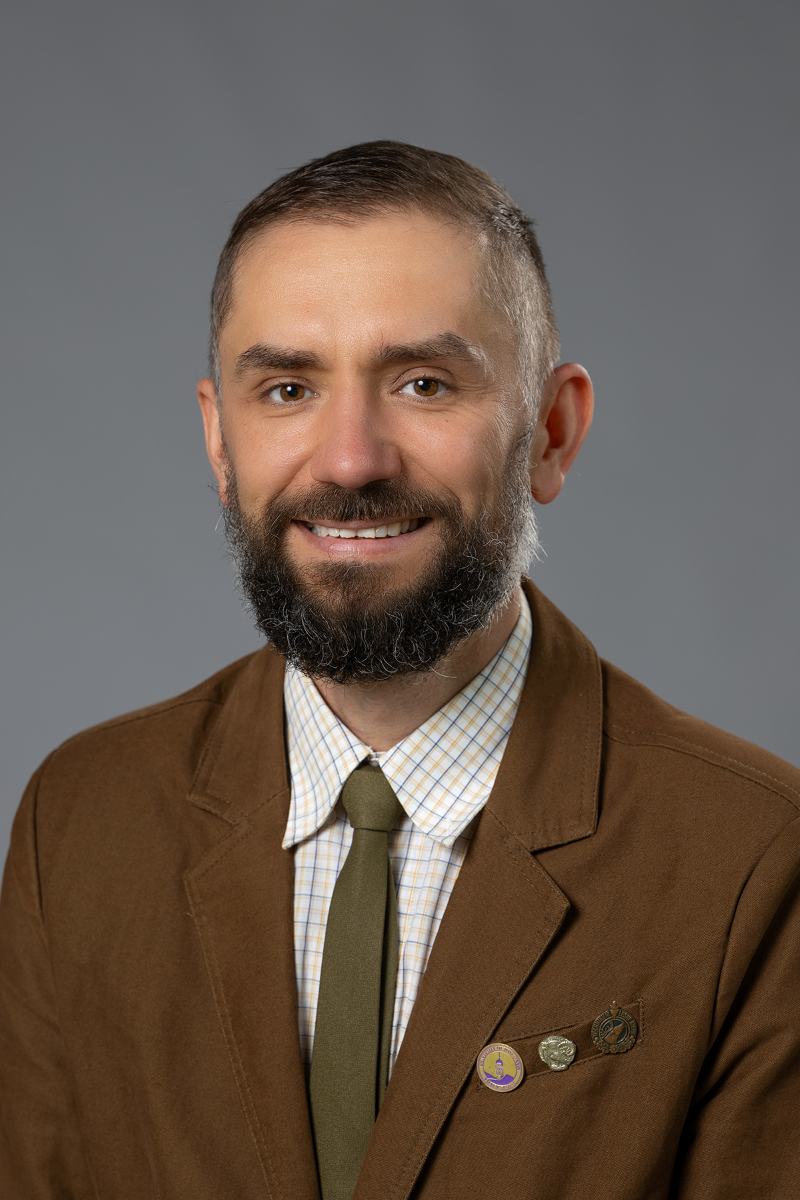
Artur Stefanski
- Assistant Professor of Forestry

Holly Petrillo
- Professor of Forestry


Melinda Vokoun
- Associate Professor of Forestry
- Coordinator of Forestry Discipline
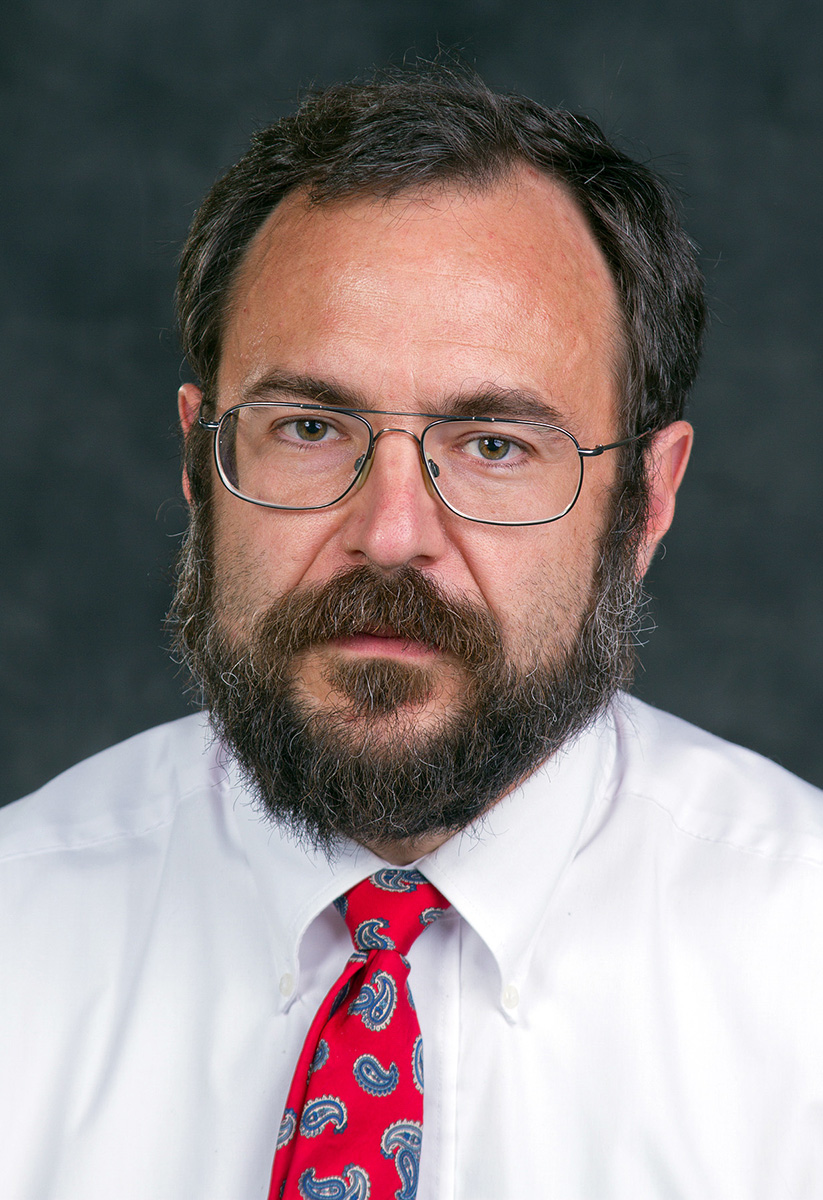
Michael Demchik
- Professor of Forestry

Michael Tiller
- Assistant Professor in Forest Ecology
Accreditation
Accreditation is a process that shows a program meets high standards for quality and education. When a program is accredited, it means an external organization has reviewed it to ensure you are learning the skills and knowledge needed for success in college, careers, and the workforce. Accreditation also demonstrates our commitment to continuous improvement and to providing you with a strong educational experience.
Society of American Foresters Accreditation
Our Ecosystem Restoration and Management, Forest Management, Forest Recreation, and Urban and Community Forestry programs are all accredited by the Society of American Foresters (SAF). The mission of the UW-Stevens Point Forestry Program is to provide interdisciplinary, application-based educational programs that develop ethical, employable forestry professionals with the expertise to manage resources sustainably to best develop and train students today for the future.
Find more information on program outcomes, retention and graduation rates, and job placement and graduate school rates.
Preamble
Service to society is the cornerstone of any profession. The profession of forestry serves society by fostering stewardship of the world’s forests. Because forests provide valuable resources and perform critical ecological functions, they are vital to the wellbeing of both society and the biosphere.
Members of SAF have a deep and enduring love for the land, and are inspired by the profession’s historic traditions, such as Gifford Pinchot’s utilitarianism and Aldo Leopold’s ecological conscience. In their various roles as practitioners, teachers, researchers, advisers, and administrators, foresters seek to sustain and protect a variety of forest uses and attributes, such as aesthetic values, air and water quality, biodiversity, recreation, timber production, and wildlife habitat.
The purpose of this Code of Ethics is to protect and serve society by inspiring, guiding, and governing members in the conduct of their professional lives. Compliance with the code demonstrates members’ respect for the land and their commitment to the long-term management of ecosystems, and ensures just and honorable professional and human relationships, mutual confidence and respect, and competent service to society.
On joining the SAF, members assume a special responsibility to the profession and to society by promising to uphold and abide by the following:
Principles and Pledges
Foresters have a responsibility to manage land for both current and future generations. We pledge to practice and advocate management that will maintain the long-term capacity of the land to provide the variety of materials, uses, and values desired by landowners and society.
Society must respect forest landowners’ rights and correspondingly, landowners have a land stewardship responsibility to society. We pledge to practice and advocate forest management in accordance with landowner objectives and professional standards, and to advise landowners of the consequences of deviating from such standards.
Sound science is the foundation of the forestry profession. We pledge to strive for continuous improvement of our methods and our personal knowledge and skills; to perform only those services for which we are qualified; and in the biological, physical, and social sciences to use the most appropriate data, methods, and technology.
Public policy related to forests must be based on both scientific principles and societal values. We pledge to use our knowledge and skills to help formulate sound forest policies and laws; to challenge and correct untrue statements about forestry; and to foster dialogue among foresters, other professionals, landowners, and the public regarding forest policies.
Honest and open communication, coupled with respect for information given in confidence, is essential to good service. We pledge to always present, to the best of our ability, accurate and complete information; to indicate on whose behalf any public statements are made; to fully disclose and resolve any existing or potential conflicts of interest; and to keep proprietary information confidential unless the appropriate person authorizes its disclosure.
Professional and civic behavior must be based on honesty, fairness, good will, and respect for the law. We pledge to conduct ourselves in a civil and dignified manner; to respect the needs, contributions, and viewpoints of others; and to give due credit to others for their methods, ideas, or assistance.
Forestry
Forestry
If you love the woods and are interested in sustainable management, you will feel at home in the forestry discipline at the University of Wisconsin-Stevens Point. Our program prepares you for diverse careers, from managing urban forests and parks in bustling cities to restoring ecosystems and overseeing vast rural woodlands. Whether you’re passionate about urban green spaces or the expansive wilderness, our specialized majors and hands-on experience ensure you are ready to make a positive impact in both urban and rural environments.
College of Natural Resources
800 Reserve Street
Stevens Point, WI 54481-3897
715-346-4617
cnr@uwsp.edu
Follow Us