​​Water Resources

Address Complex Environmental Challenges

The Water Resources program at University of Wisconsin–Stevens Point prepares students to protect and manage the quality and quantity of water resources through careers in environmental science, conservation, and resource management. Offered as both a major and a minor, the program provides students with the scientific knowledge and practical experience needed to address today’s water-related environmental challenges.

The Water Resources Major offers comprehensive training for students interested in careers with environmental consulting firms and state, federal, tribal, and local resource management agencies. Students develop skills in water quality analysis, aquatic systems, environmental monitoring, and resource protection, preparing them for careers as water quality specialists, environmental scientists, chemists, and other environmental professionals. The Water Resources Minor complements related fields of study by giving students a strong foundation in water science and resource management principles.

Whether your goal is to protect freshwater ecosystems, improve water quality, or support sustainable resource management, the Water Resources program equips you with the tools and experience to make a lasting environmental impact.


Water Resources Major

Why study Water Resources at UW-Stevens Point?

Water Resource students choose one or more academic paths focused on water resource management’s physical, chemical, or biological aspects. Electives offer you the ability to specialize in soil science, geographic information systems and spatial analysis, or land use planning.

Where are they now?

Alumni Map

Where are they now?

UW-Stevens Point College of Natural Resource alumni live and work worldwide! Check out our map if you are interested in exploring job or networking opportunities close to home.


If you would like to add your information to our interactive alumni map, please fill out the form below.


WHAT TO EXPECT

Our integrated curriculum is designed to ensure you are career ready after graduation. Choose one or more academic paths focused on water resource management’s physical, chemical, or biological aspects. Electives offer you the ability to specialize in soil science, geographic information systems and spatial analysis, or land use planning.

GET INVOLVED ON CAMPUS

Discover your passions, build your resume, and make friends along the way! Whether it is joining a student organization, working at one of our centers, or participating in research at one of our three field stations, there are plenty of opportunities for you to get involved.

  • Join the student chapter of the American Water Resources Association, the Soil and Water Conservation Society, or any of our other 200+ student organizations housed within Campus Activities and Student Engagement.
  • Our Center for Watershed Science and Education, Fisheries Analysis Center, Aquatic Biomonitoring Laboratory, and Wisconsin Cooperative Fishery Research Unit provide opportunities for you to work side-by-side with faculty and staff, conducting scientific research and performing laboratory analysis. 
  • Read the CNR Reporter, a weekly newsletter, for information on upcoming presentations, student organization meeting times, and other important happenings on and around campus.

Navigate Your Major

Fisheries and Water Resources

Major Maps help you map your first day to the first job in your chosen field. While a four-year plan outlines the classes needed to earn a degree, Major Maps help you learn how to build career-ready skills and gain hands-on experience outside the classroom. Each Major Map shows how you can get the most out of your UW-Stevens Point journey from enrollment to graduation and beyond. It’s a roadmap to discovering your purpose!


GAIN EXPERIENCE OUTSIDE THE CLASSROOM

Prepare for your career with additional hands-on experiences in all areas of natural resource management during a required summer field experience. You can choose between our six-week, hands-on summer field experience held at our Treehaven field station or on-campus, or take part in our European Environmental Seminar and learn how European natural resource management compares to the United States.

Summer internships and jobs are another great way to build your resume. We make them easy to find through our partnership with Handshake.


Meet Your Faculty and Staff

The faculty members within the fisheries and water resources discipline bring a wide array of knowledge and experience to our indoor and outdoor classrooms at UW-Stevens Point.

View All Faculty and Staff
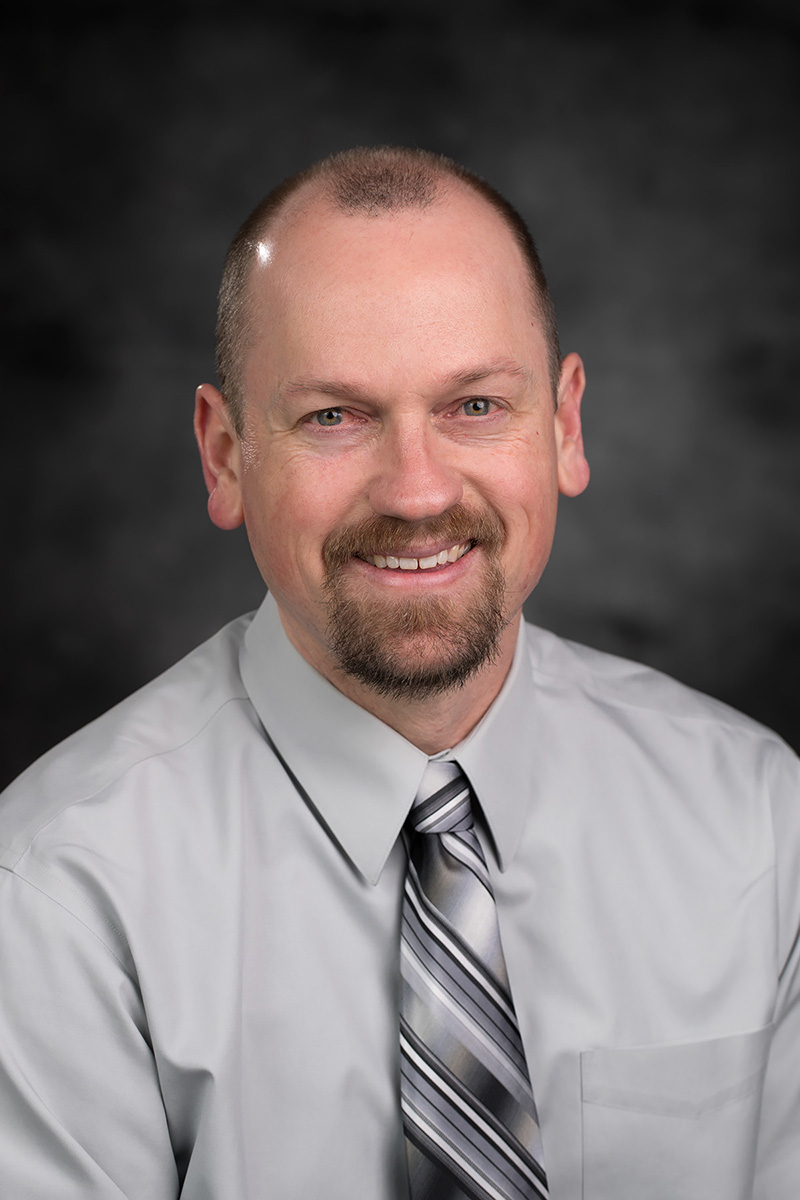
Profile Photo: Jered Studinski

Jered Studinski

  • Associate Professor
184 Trainer Natural Resources
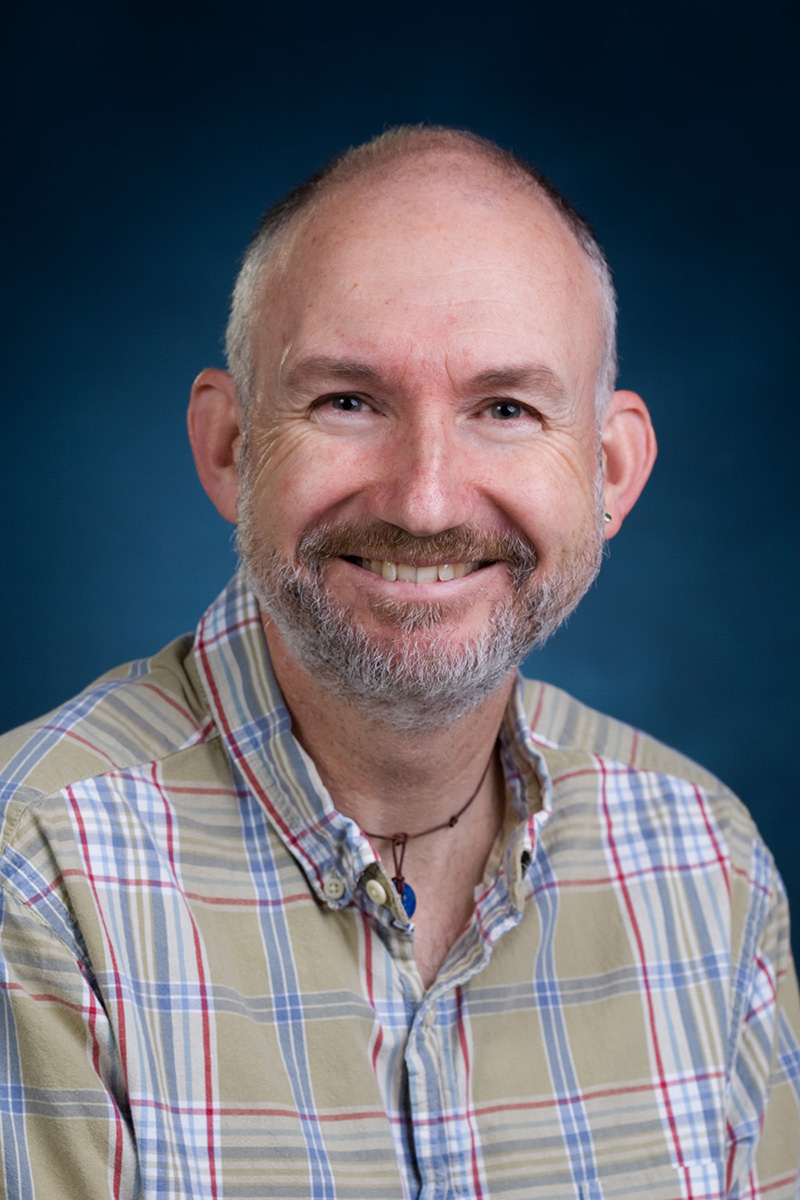
Profile Photo: Joshua Raabe

Joshua Raabe

  • Associate Professor
174 Trainer Natural Resources
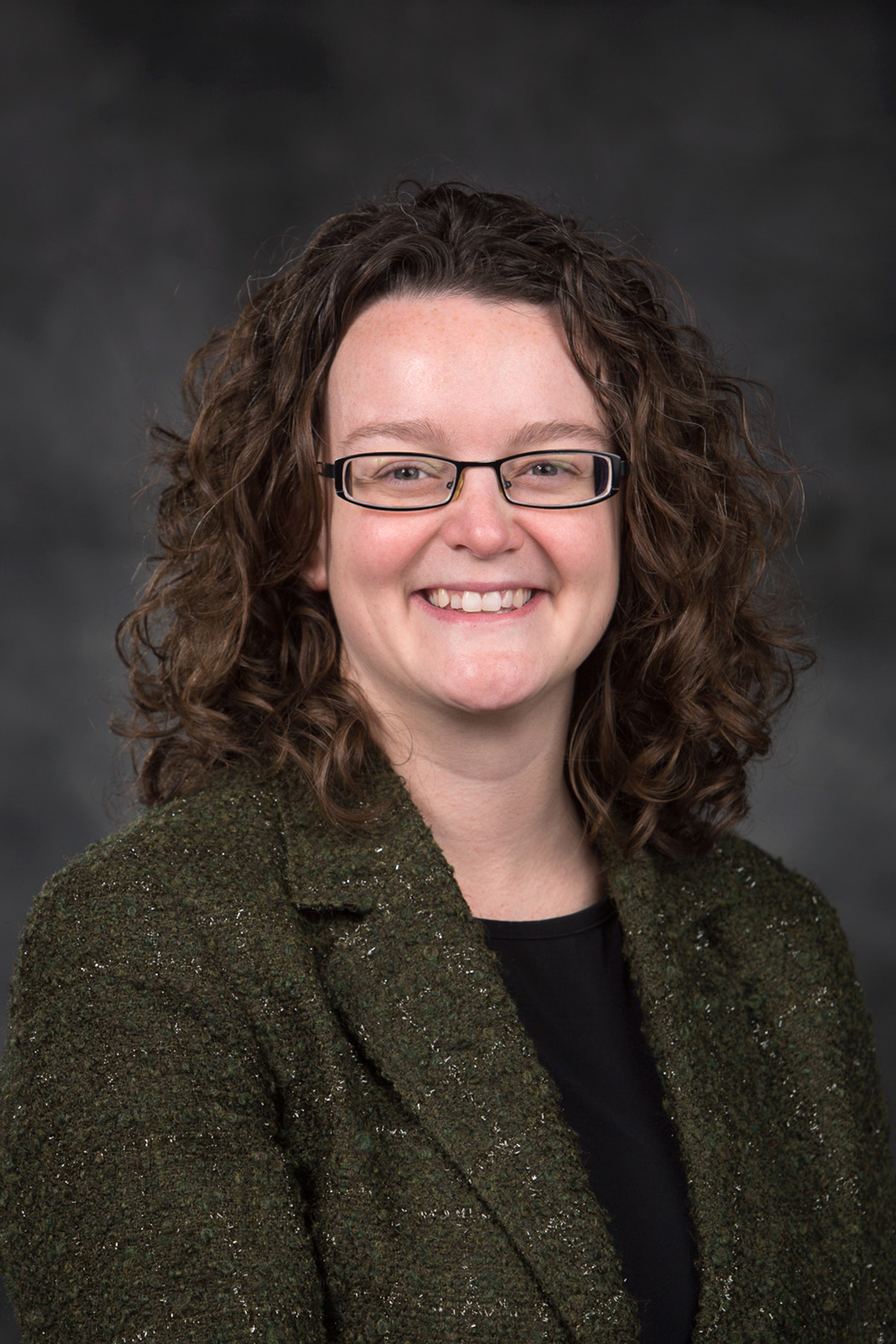
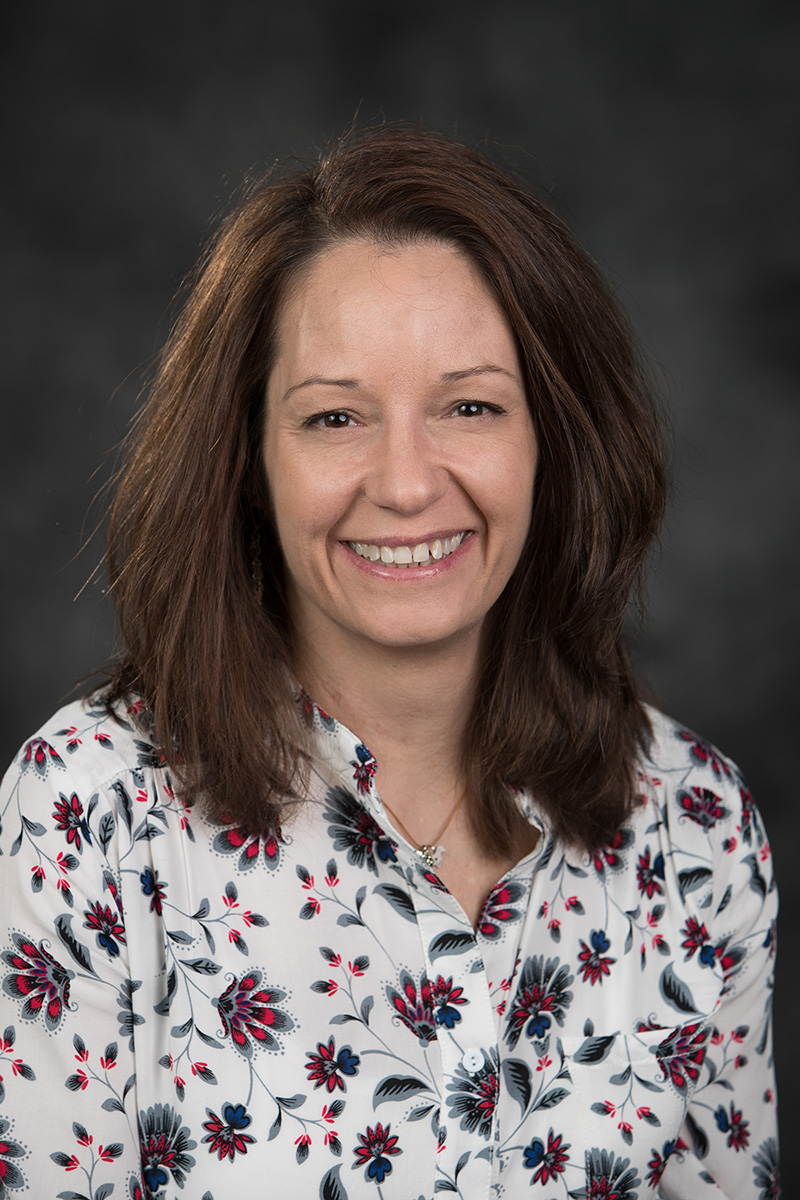
Profile Photo: Katherine Clancy

Katherine Clancy

  • Professor
Trainer Natural Resources 244
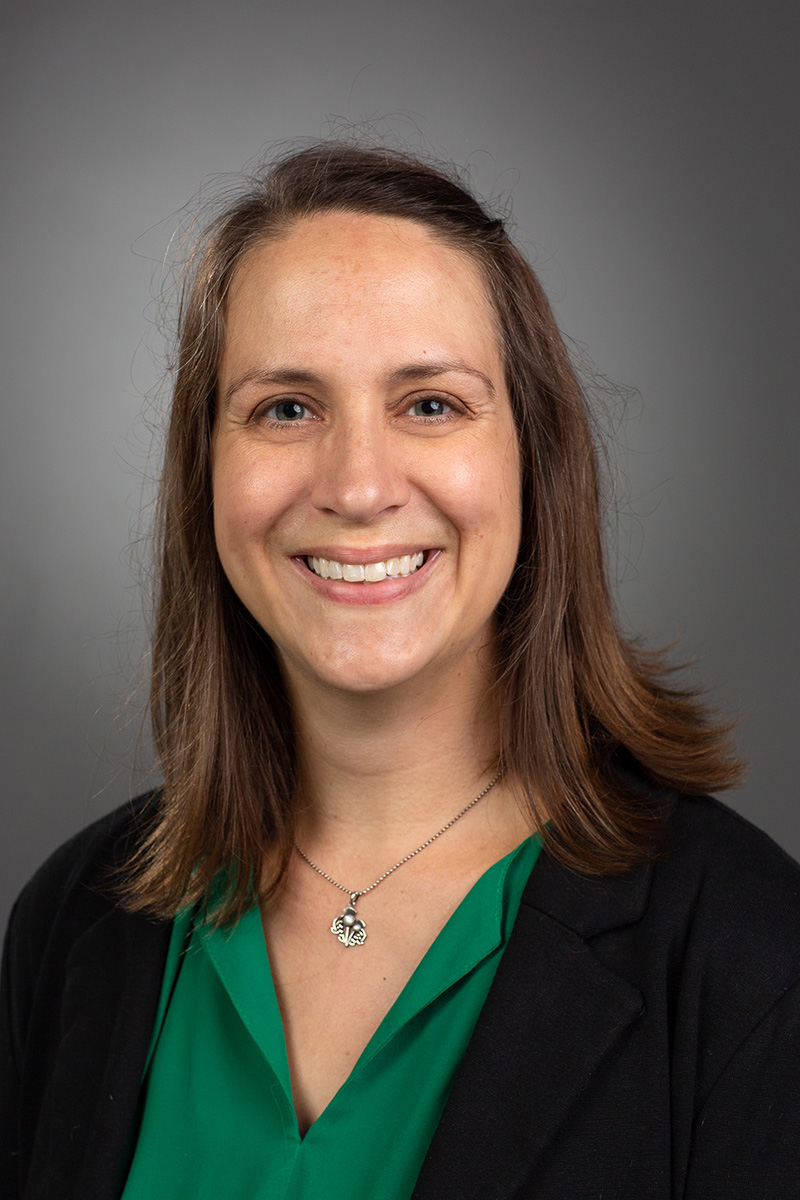
Profile Photo: Kyle Herrman

Kyle Herrman

  • Professor and Coordinator for Fisheries and Water Resourc…
263 Trainer Natural Resources

Fisheries and Water Resources

If you are passionate about keeping fish, aquatic habitats, and water resources healthy, the Fisheries and Water Resources majors are perfect for you. Study and manage fish, aquatic wildlife, streams, lakes, groundwater, watersheds, and water quality for ecosystems and human use. Choose from fisheries and aquatic sciences, hydrology, or water resources, each offering specialized training and customizable programs. Learn from expert faculty in fields like fisheries, hydrology, geology, and water chemistry.


Hydrology

EXPLORE COMPLEX WATER SYSTEMS WITH A DEGREE IN HYDROLOGY

Work with scientists, engineers, and public regulators to forecast and manage floods or droughts, reduce wastewater, promote sustainable water usage, evaluate the feasibility of projects like irrigation systems and hydroelectric plants, and protect water resources with a degree in hydrology.

Why study Hydrology at UW-Stevens Point?

Hydrology addresses the movement of water and the roles land plays in controlling water quantity and quality. Graduates work for environmental consulting firms and state, federal, tribal, and local resource management agencies.

Alumni Map

Where are they now?

UW-Stevens Point College of Natural Resources alumni live and work worldwide! Check out our map if you are interested in exploring job or networking opportunities close to home.


If you would like to add your information to our interactive alumni map, please fill out the form below.


WHAT TO EXPECT

Various lakes and streams from the Wisconsin River to the Little Plover River can be found within minutes of our campus. Hydrology students explore these areas and the watersheds draining into them in classes and through research projects.

Hydrology graduates work with environmental consulting firms and state, federal, tribal, and local resource management agencies involved in:

  • hydrology
  • geographic information systems (GIS)
  • stormwater management
  • land planning
  • water resource protection
  • and civil works

Your Hydrology degree will satisfy the academic requirements to become certified as a professional hydrologist through the American Institute of Hydrology. Graduates only need professional experience and the completion of an exam to complete the certification requirements.

GET INVOLVED ON CAMPUS

Discover your passions, build your resume, and make friends along the way! Whether it is joining a student organization, working at one of our centers, or participating in research at one of our three field stations, there are plenty of opportunities for you to get involved.

  • Join the student chapter of the American Water Resources Association, the Society of American Foresters, or any of our other 200+ student organizations housed within Campus Activities and Student Engagement.
  • Our Center for Watershed Science and Education, Fisheries Analysis Center,  Aquatic Biomonitoring Laboratory, and Wisconsin Cooperative Fishery Research Unit provide opportunities for you to work side-by-side with faculty and staff, conducting scientific research and performing laboratory analysis.
     
  • Present your research findings at professional meetings, conferences, and our annual Jim and Katie Krause CNR Student Research Symposium
  • Read the CNR Reporter, a weekly newsletter, for information on upcoming presentations, student organization meeting times, and other important happenings on and around campus.
Fisheries and Water Resources

Navigate Your Major

Major Maps help you map your first day to the first job in your chosen field. While a four-year plan outlines the classes needed to earn a degree, Major Maps help you learn how to build career-ready skills and gain hands-on experience outside the classroom. Each Major Map shows how you can get the most out of your UW-Stevens Point journey from enrollment to graduation and beyond. It’s a roadmap to discovering your purpose!


GAIN EXPERIENCE OUTSIDE THE CLASSROOM

Prepare for your career with additional hands-on experiences in all areas of natural resource management during a required summer field experience. You can choose between our six-week, hands-on summer field experience held at our Treehaven field station or on-campus, or take part in our European Environmental Seminar and learn how European natural resource management compares to the United States.

Summer internships and jobs are another great way to build your resume. We make them easy to find through our partnership with Handshake.

Meet Your Faculty and Staff

The faculty members within the fisheries and water resources discipline bring a wide array of knowledge and experience to our indoor and outdoor classrooms at UW-Stevens Point.

View All Faculty and Staff
Profile Photo: Jered Studinski

Jered Studinski

  • Associate Professor
184 Trainer Natural Resources
Profile Photo: Joshua Raabe

Joshua Raabe

  • Associate Professor
174 Trainer Natural Resources
Profile Photo: Katherine Clancy

Katherine Clancy

  • Professor
Trainer Natural Resources 244
Profile Photo: Kyle Herrman

Kyle Herrman

  • Professor and Coordinator for Fisheries and Water Resourc…
263 Trainer Natural Resources

Fisheries and Water Resources

If you are passionate about keeping fish, aquatic habitats, and water resources healthy, the Fisheries and Water Resources majors are perfect for you. Study and manage fish, aquatic wildlife, streams, lakes, groundwater, watersheds, and water quality for ecosystems and human use. Choose from fisheries and aquatic sciences, hydrology, or water resources, each offering specialized training and customizable programs. Learn from expert faculty in fields like fisheries, hydrology, geology, and water chemistry.


Fisheries and Aquatic Sciences

MANAGE FRESHWATER FISH POPULATIONS

Build the skills to understand and manage freshwater fish populations by gaining knowledge of the relationships between aquatic ecosystems’ physical, chemical, and biological components with a degree in fisheries and aquatic sciences.

Why study Fisheries and Aquatic Sciences at UW-Stevens Point?

As a Fisheries and Aquatic Sciences student you will study and learn to manage fish, other aquatic wildlife, and the habitats and people who influence them.

Alumni Map

Where are they now?

UW-Stevens Point College of Natural Resources alumni live and work worldwide! Check out our map if you are interested in exploring job or networking opportunities close to home.

If you would like to add your information to our interactive alumni map, please fill out the form below.


WHAT TO EXPECT

Fisheries and aquatic science graduates work for state, tribal, and federal resource management agencies, non-profit organizations, and consulting firms. Where they are involved with:

  • manipulating fishery resources through regulating human use
  • managing aquatic habitat
  • raising and stocking fish
  • conducting research and fish population estimates

Graduates of our program are well-trained to enter the workforce or pursue an advanced degree.

Look for the blue dots on our alumni map to see where our fisheries and water resource graduates are today.

GET INVOLVED ON CAMPUS

Discover your passions, build your resume, and make friends along the way! Join a student organization, work within one of our centers, or participate in research at our three field stations. There are plenty of opportunities for you to get involved.

  • Our Center for Watershed Science and Education, Fisheries Analysis Center, Aquatic Biomonitoring Laboratory, and Wisconsin Cooperative Fishery Research Unit provide opportunities for you to work side-by-side with faculty and staff, conducting scientific research and performing laboratory analysis.
  • Read the CNR Reporter, a weekly newsletter, for information on upcoming presentations, student organization meeting times, and other important happenings on and around campus.

GAIN EXPERIENCE OUTSIDE THE CLASSROOM

Our required summer field experience prepares you for your career with additional hands-on experiences in all areas of natural resource management. Choose between our six-week, hands-on summer field experience held at our Treehaven field station or on-campus or our European Environmental Seminar to learn how European natural resource management compares to the United States.

Summer internships and jobs are another great way to build your resume. We make them easy to find through our partnership with Handshake.

Meet Your Faculty and Staff

The faculty members within the fisheries and water resources discipline bring a wide array of knowledge and experience to our indoor and outdoor classrooms at UW-Stevens Point.

View All Faculty and Staff
Profile Photo: Jered Studinski

Jered Studinski

  • Associate Professor
184 Trainer Natural Resources
Profile Photo: Joshua Raabe

Joshua Raabe

  • Associate Professor
174 Trainer Natural Resources
Profile Photo: Katherine Clancy

Katherine Clancy

  • Professor
Trainer Natural Resources 244
Profile Photo: Kyle Herrman

Kyle Herrman

  • Professor and Coordinator for Fisheries and Water Resourc…
263 Trainer Natural Resources

Fisheries and Water Resources

If you are passionate about keeping fish, aquatic habitats, and water resources healthy, the Fisheries and Water Resources majors are perfect for you. Study and manage fish, aquatic wildlife, streams, lakes, groundwater, watersheds, and water quality for ecosystems and human use. Choose from fisheries and aquatic sciences, hydrology, or water resources, each offering specialized training and customizable programs. Learn from expert faculty in fields like fisheries, hydrology, geology, and water chemistry.


Wildlife Ecology and Management

Work at the Interface of Wildlife Species, the Environment, and Humans

The Wildlife Ecology and Management program at University of Wisconsin–Stevens Point prepares students to study, manage, and conserve wildlife populations and their habitats through science-based practices and hands-on field experience. Offered as both a major and a minor, the program provides students with the ecological knowledge and management skills needed for careers in wildlife conservation, habitat restoration, research, and natural resource management.

The Wildlife Ecology and Management Major gives students a strong foundation in wildlife biology, ecology, conservation, and land management while offering opportunities to pair their degree with complementary minors such as captive wildlife, conservation biology, and conservation law enforcement. These areas allow students to expand their expertise in topics ranging from wildlife rehabilitation and zoo management to invasive species ecology and environmental law enforcement.

The Wildlife Minor is ideal for students in the College of Natural Resources who want to deepen their understanding of wildlife ecology, management, and conservation while pursuing related majors such as Forestry, Environmental Science, or Conservation Law Enforcement. Through wildlife-focused coursework and experiential learning opportunities, students gain valuable skills that support careers in conservation and natural resource management.


Wildlife Ecology and Management Major

Why study Wildlife Ecology at UW-Stevens Point?

Practical, real-world experiences and an integrated resource management focus are at the heart of our wildlife ecology and management degree. You will gain relevant, hands-on experiences in the classroom and the field.

WHAT TO EXPECT

Courses focus on the problem-solving and scientific skills you need to understand the ecological interactions affecting wildlife management, including game, non-game, endangered, and invasive species. In addition, we offer practical, hands-on experiences inside and outside the classroom. Our program also qualifies you for a wildlife biology certification by The Wildlife Society. 

Wildlife ecology and management graduates typically work in federal, state, and private management organizations with positions such as: 

  • Wildlife Refuge Manager
  • Habitat Manager
  • Waterfowl Biologist
  • Endangered Species Manager
  • Non-game Biologist
  • Game Biologist
  • Conservation Biologist
  • Habitat Restoration Professional
  • Biologist
  • Wildlife Rehabilitator
  • Zookeeper
  • Migratory Bird Coordinator

GET INVOLVED ON CAMPUS

Discover your passions, build your resume, and make friends along the way! Whether it is joining a student organization, working at one of our centers, or participating in research at one of our three field stations, there are plenty of opportunities for you to get involved.

  • Join the student chapters of The Wildlife SocietyDucks Unlimited, or any of our other 200+ student organizations housed within Campus Activities and Student Engagement.
  • Our Wisconsin Center for Wildlife and Center for Watershed Science and Education provide opportunities for you to work side-by-side with faculty and staff, conducting scientific research and performing laboratory analysis. 
  • Read the CNR Reporter, a weekly newsletter, for information on upcoming presentations, student organization meeting times, and other important happenings on and around campus.

Navigate Your Major

Wildlife Ecology and Management

Major Maps help you map your first day to the first job in your chosen field. While a four-year plan outlines the classes needed to earn a degree, Major Maps help you learn how to build career-ready skills and gain hands-on experience outside the classroom. Each Major Map shows how you can get the most out of your UW-Stevens Point journey from enrollment to graduation and beyond. It’s a roadmap to discovering your purpose!


GAIN EXPERIENCE OUTSIDE THE CLASSROOM

Prepare for your career with additional hands-on experiences in all areas of natural resource management during a required summer field experience. You can choose between our six-week, hands-on summer field experience at our Treehaven field station or on-campus, or participate in our European Environmental Seminar and learn how European natural resource management compares to the United States.

Summer internships and jobs are another great way to build your resume. We make them easy to find through our partnership with Handshake.


Wildlife Minor

The Wildlife Minor at the University of Wisconsin–Stevens Point (UWSP) is ideal for students in the College of Natural Resources (CNR) who want to deepen their understanding of wildlife ecology, management, and conservation. This minor allows students to explore wildlife-focused coursework while pursuing majors like Forestry, Environmental Science, or Conservation Law Enforcement.

What Is the Wildlife Minor?

The Wildlife Minor (19–22 credits) offers students an opportunity to gain specialized training in wildlife-related subjects. It is designed for those who want to integrate wildlife management skills into careers like:

  • Forestry with a wildlife emphasis
  • Natural resources law enforcement
  • Environmental consulting
  • Habitat restoration and management

This minor is open only to majors within the College of Natural Resources.

Required Foundations

Most CNR students already take the Introduction to Fisheries, Forestry, and Wildlife course as part of the college core. This class also satisfies a key requirement for the minor, making it easier to incorporate into your degree plan.

Course Options and Electives

To complete the Wildlife Minor, students select from a range of wildlife biology and ecology electives. These courses provide taxonomic and ecological depth in areas that match career interests.

Elective Topics May Include:

  • Mammalogy
  • Waterfowl Ecology and Management
  • Carnivore Ecology
  • Ungulate Ecology
  • Wildlife Habitat Management

This flexible structure allows students to tailor the minor to their specific career goals, whether working with a particular species group, studying wildlife behavior, or managing habitat.

Who Should Consider This Minor?

This minor is especially beneficial for students majoring in:

  • Forestry
  • Environmental Science and Management
  • Conservation Law Enforcement

If your goal is to work with wildlife or land management agencies or to apply wildlife knowledge to forestry, law enforcement, or environmental education, this minor provides the tools you need.

Learn More

For full course listings, elective options, and guidance on how to integrate this minor with your CNR major, visit the UWSP Catalog page or talk to your academic advisor.


Meet Your Faculty and Staff

The faculty members within the Wildlife discipline bring a wide array of knowledge and experience to our indoor and outdoor classrooms at UW-Stevens Point.

View all our faculty and staff.

Profile Photo: Benjamin Sedinger

Benjamin Sedinger

  • Kennedy-Grohne Chair in Waterfowl and Wetlands Conservation
  • Associate Professor of Wildlife
342 Trainer Natural Resources
Profile Photo: Cady Sartini

Cady Sartini

  • Associate Professor and Coordinator of the Wildlife Disci…
  • Principal Investigator for the Stephens Family Foundation…
186 Trainer Natural Resources
Profile Photo: Christopher Yahnke

Christopher Yahnke

  • Professor of Wildlife
  • Curator of Birds and Mammals, UW-Stevens Point Museum of …
  • [ More… ]
346 Trainer Natural Resources
Profile Photo: Jason Riddle

Jason Riddle

  • Douglas R. Stephens Chair in Wildlife and Extension Wildl…
  • Wisconsin Center for Wildlife
265 Trainer Natural Resources
Profile Photo: Marie Perkins

Marie Perkins

344 Trainer Natural Resources
Profile Photo: Shelli Dubay

Shelli Dubay

  • Professor of Wildlife
  • Gerald and Helen Stephens Endowed Professor
  • [ More… ]
325 Trainer Natural Resources

Wildlife Ecology and Management

At the University of Wisconsin–Stevens Point, the Wildlife Ecology and Management program prepares you to make a meaningful impact on the conservation and management of wildlife and natural ecosystems. Whether you’re interested in conserving habitats, studying animal populations, managing fisheries and forests, or protecting biodiversity, our program provides the knowledge and hands-on experience needed to succeed. You’ll gain practical skills through fieldwork, labs, and research opportunities while building expertise in ecology, biology, conservation science, data analysis, and communication. With a strong foundation in science and resource management, you’ll be ready to address today’s environmental challenges and help shape a sustainable future for wildlife and natural resources.


​Chemical Engineering

Explore Career Opportunities in Chemical Engineering

We focus on preparing Chemical Engineering graduates for highly technical positions in the chemical manufacturing industry, making important products in millions of people’s lives. Chemical engineers hold positions such as:

  • process engineer
  • sales account manager 
  • project manager 
  • new product development
  • research and development engineer
  • quality assurance manager,
  • and many others.

Why Study Chemical Engineering at UW-Stevens Point?

Use your skills in math and science to solve complex engineering problems and work effectively in a team environment with a chemical engineering degree. In addition to practical applications in the classroom, you will have the opportunity to work in manufacturing facilities in well-paid internships ranging in experiences from laboratory testing to ensuring product quality and efficient operation to project work improving the facility’s profitability.

WHAT TO EXPECT

The academic programs in the Paper Science and Chemical Engineering Department prepare you to make a difference in the manufacturing industry. You will learn to use your skills in math and science to solve complex engineering problems and work effectively with a team.

Faculty members provide career guidance inside and outside the classroom through professional and extracurricular activities. These activities include:

  • touring industrial manufacturing facilities;
  • undergraduate research;
  • industrial internships;
  • participating in professional organizations;
  • attending professional meetings and seminars; and
  • working with our coating and laminating machine and the world’s fastest student-run paper machine in our process engineering laboratory.

Our graduates have career opportunities in Wisconsin, across the country, and worldwide. About 50% of our graduates stay in Wisconsin. Many work in other countries.

GET INVOLVED ON CAMPUS

Discover your passions, build your resume, and make friends along the way! Whether joining a student organization or participating in research with our faculty members, you have plenty of opportunities to get involved.

  • Join the Student Chapter of the American Institute of Chemical Engineers (AIChE) or any of our other 200+ student organizations housed within Campus Activities and Student Engagement. 
  • There are opportunities for you to work side-by-side with faculty and staff, conducting scientific research and performing laboratory analysis. You can present your research findings at professional meetings, conferences, and our annual Jim and Katie Krause CNR Student Research Symposium.  
  • Read the CNR Reporter, a weekly newsletter, for information on upcoming presentations, student organization meeting times, and other important happenings on and around campus.

GAIN EXPERIENCE OUTSIDE THE CLASSROOM

Internships provide unique opportunities to gain valuable work-related experience in an industrial environment. In addition, various manufacturing facilities provide well-paid opportunities for students in our program. Research in a specialized field of interest (biofuel production, recycled fiber quality, etc.) is possible through collaborations with department faculty and often results in publications in the scientific literature.

Meet your faculty and staff

Our Paper Science and Chemical Engineering faculty members bring a wide array of knowledge and experience to our classrooms at UW-Stevens Point.

View all of our faculty and staff.

Profile Photo: John (JT) Tatarko

John (JT) Tatarko

  • Teaching Professor
Profile Photo: Karyn Biasca

Karyn Biasca

  • Professor
  • Paper Science and Chemical Engineering
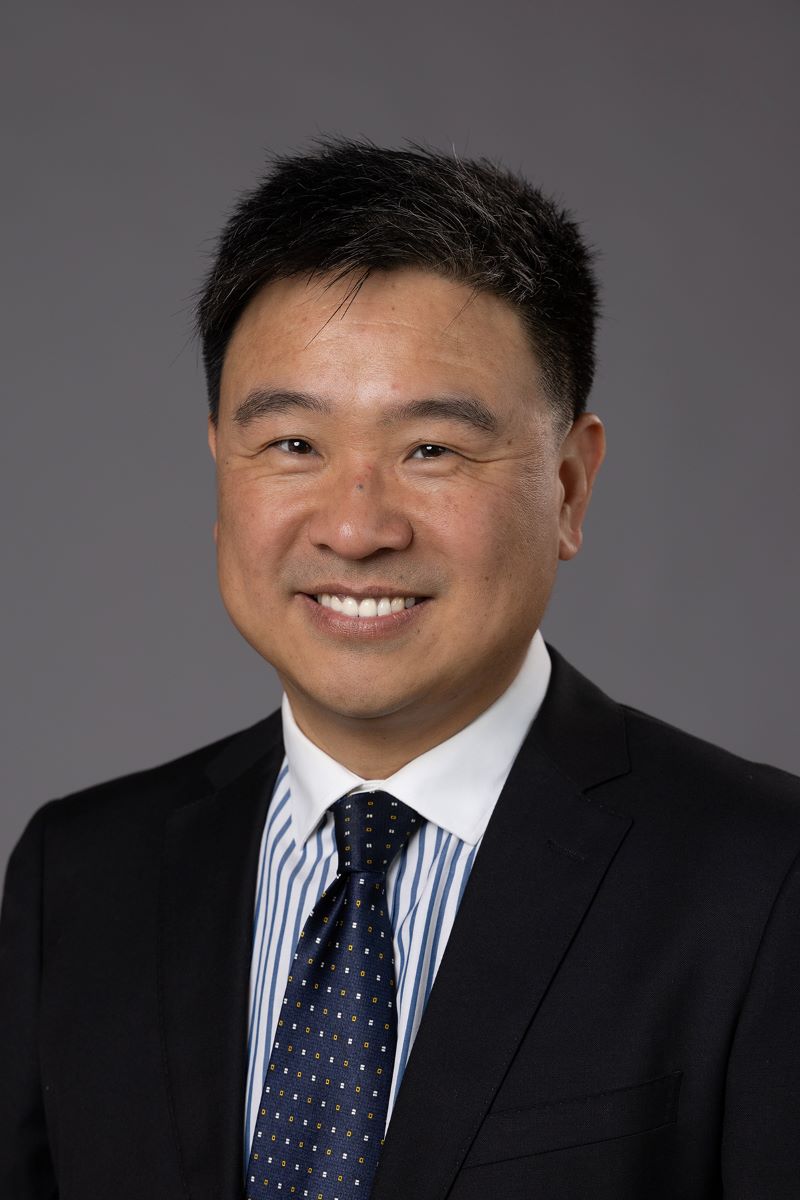
Profile Photo: Roland Gong

Roland Gong

  • Professor and Department Chair
  • Technical Consultant for the Wisconsin Institute for Sust…
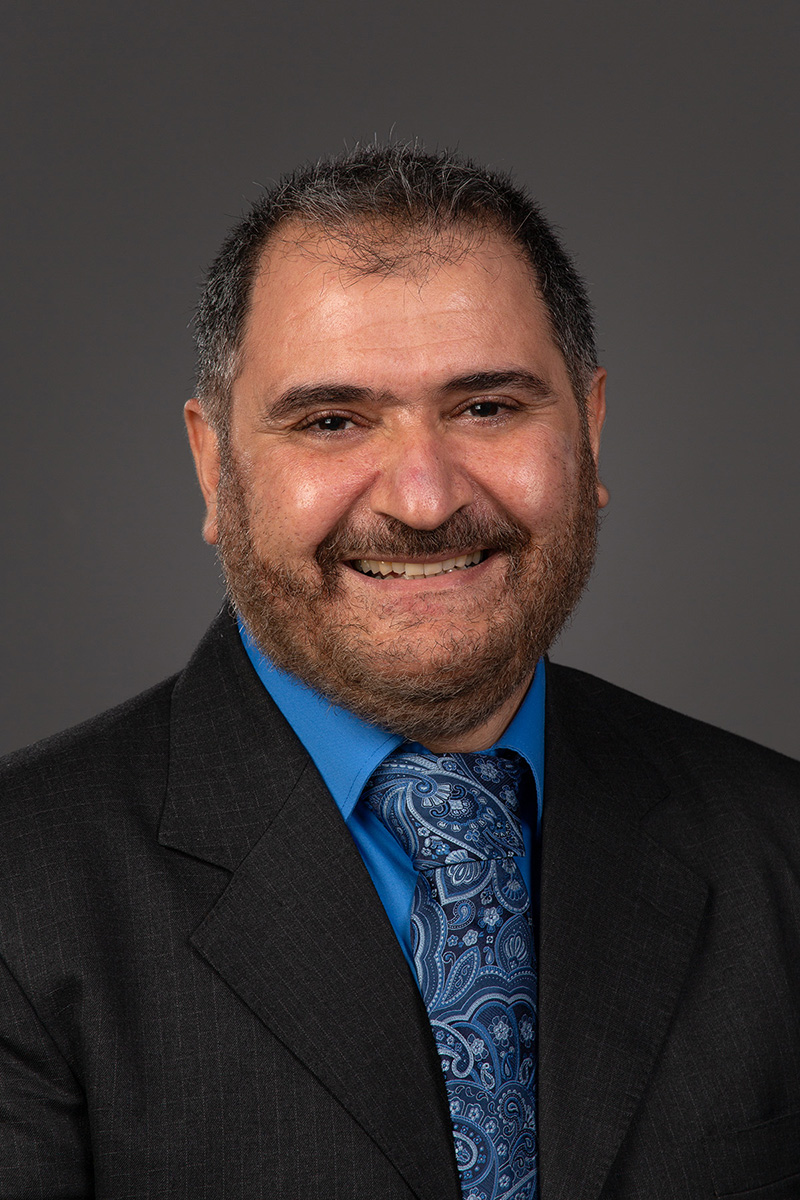
Profile Photo: Seyed Javad Amirfakhri

Seyed Javad Amirfakhri

  • Assistant Professor of Paper Science and Chemical Enginee…

Accreditation

Accreditation is a process that shows a program meets high standards for quality and education. When a program is accredited, it means an external organization has reviewed it to ensure you are learning the skills and knowledge needed for success in college, careers, and the workforce. Accreditation also demonstrates our commitment to continuous improvement and to providing you with a strong educational experience.

The Chemical Engineering program is accredited by the Engineering Accreditation Commission of ABET, under the commission’s General Criteria and Program Criteria for Chemical Engineering.

The Paper Science and Engineering program is accredited by the Engineering Accreditation Commission of ABET, under the commission’s General Criteria with no applicable Program Criteria.


Paper Science and Chemical Engineering

Unlock your potential with the Paper Science and Chemical Engineering programs at the University of Wisconsin–Stevens Point. These innovative academic tracks empower you to apply advanced math and science skills to tackle real-world challenges in manufacturing and industrial engineering. Whether you are working on energy-efficiency projects, minimizing water use, or enhancing the sustainability of large-scale industrial processes, you gain hands-on experience that shapes you into a problem-solver who can positively impact the manufacturing sector. With a strong emphasis on teamwork and environmental stewardship, these programs prepare you to make a difference both locally and globally.