Brewing Science

This undergraduate certificate can be completed concurrently with the student’s undergraduate degree in biology or biochemistry, or can be completed with a completed degree in biology or a related field with consent of program director. Must receive a grade of C or better in BIOL 354.

Consists of a minimum of 36 credits. View UW-Stevens Point course catalog.

Required Courses, 30-42 credits

  • BIOL 101 – General Biology Credits: 5
  • BIOL 101 – Principles of Biology I Credits: 5 and
  • BIOL 101- Principles of Biology II Credits: 5
  • CHEM 105 – Fundamental Chemistry Credits: 5 and
  • CHEM 106 – Fundamental Chemistry Credits: 5
    or
  • CHEM 117 – General Chemistry Principles Credits: 5
  • CHEM 220- Survey of Organic Chemistry Credits: 4
    or
  • CHEM 325 – Organic Chemistry Credits: 4 and
  • CHEM 326 – Organic Chemistry Credits: 4
  • BIOL 333 – General Microbiology Credits: 4
  • BIOL 354 – Science of Brewing Credits: 3
  • BIOL 499 – Biology Internship Credits: 1-4
  • CHEM 248 – Quantitative Analysis Credits: 4
  • CHEM 260 – Elementary Biochemistry Credits: 4 or
  • CHEM 365 – Biochemistry Credits: 4

Elective Courses, 6 credits
At least one course from two of the following three clusters:

Biology

Accounting and Business

Natural Resources

Natural Science Education

GET READY TO INSPIRE WITH YOUR TEACHING DEGREE FROM UW-STEVENS POINT        

The UW-Stevens Point Natural Science Education program is one of the first within the Universities of Wisconsin to address the new science, grades 4-12, state requirements. Of critical importance, this program addresses the need for broadly trained and highly qualified science teachers in school districts across the state.

Students in the natural science major take course work from a core set of science courses, select a minor in chemistry, biology, physics, or earth and space sciences, and a certificate in an additional area of chemistry, biology, physics, earth and space sciences, or environmental sciences. This diverse array of science coursework provides ample knowledge to teach any science discipline, grades 4-12, and provides an opportunity to focus on an area of emphasis. 

Praised for its program outcomes, graduation and retention rates, advising services, student organization opportunities and vast program options, UW-Stevens Point was ranked second in the U.S. on Study.com’s Best Colleges for Education Majors list.

Department of Biology

Why study Natural Science Education at UW-Stevens Point?

Our program provides students with frequent opportunities for hands-on learning in grade 4-12 classrooms and schools. This includes practicum experiences working with school-aged children early and often throughout the program. UW-Stevens Point graduates with Secondary Science Teaching Certification typically have some of the highest full-time job placement rates within their first year after graduation across the UW System.​ For example, more than 90 percent of our recent science education graduates have been hired within one year of graduation.

Our Hands-on Experiences

UW-Stevens Point offers its students dedicated labs for molecular genetics, cell biology, human and animal physiology, plant taxonomy, human anatomy, higher vertebrates and lower vertebrates. We are able to study in 40,000 acres of private, county and state land within 20 miles of campus, providing a great diversity of habitats for scientific investigations, and we have the only student-run vivarium in the state. Plus, the department operates the Northern Aquaculture Demonstration Facility.


Scholarships and Awards

The Department of Biology recognizes outstanding students at the annual Spring Awards Ceremony. In 2026, a total of $55,000 was awarded thanks to our generous donors and endowed scholarships.


WHAT TO EXPECT

Students are immersed in a curriculum that emphasizes an inquiry-based approach and best practices in science education as well as a broad exposure to all scientific disciplines with a deep understanding of its intricacies. Students have opportunities to collaborate with faculty through independent, authentic scientific research, think critically about scientific conventions and how scientific disciplines are intertwined, and utilize state-of-the-art equipment throughout their course work.

At UWSP, we foster inclusivity in STEM fields by building and supporting communities of STEM learners. Educational coursework emphasizes the development of praxis through reflection and commitment to thinking and acting ethically concerning social and educational equity and justice. The program emphasizes the transformative power of education as a call to action to challenge injustice and empower all learners.

Students are able to directly put into practice skills and knowledge learned throughout their coursework during their student teaching, the culminating experience in a pre-service teacher’s academic program of study. This provides an opportunity for teacher candidates to practice and refine their knowledge and skills under the supervision and guidance of cooperating teachers and UWSP science faculty who have dedicated their careers to science education and mentorship.

GET INVOLVED ON CAMPUS

Through volunteer opportunities and varied professional development opportunities, you’ll be an active learner closely involved in real-world situations designed to ensure your professional success.

Our students are academically engaged, highly motivated and actively involved at the local, state, national and international levels. Student organizations are vital to your pre-professional experiences. As such, the School of Education sponsors the following organizations: Aspiring Educators, Association for the Education of Young Children, Kappa Delta Pi and Student Council for Exceptional Children. In addition, science departments in the College of Letters and Science offer similar opportunities to get involved with fellow students, professors and the community through the Botany Club, Herpetology Society, National Biological Honor Society, Chemistry Club, Society of Physics Students and Geo Club. Explore More!

You may be lucky enough to work with one of the Neale Fellows, select teachers whose projects make a difference at their schools and who work jointly with faculty teaching your classes.

MEET YOUR FACULTY

Faculty and staff from the School of Education, Department of Biology, Department of Chemistry and Biochemistry, Department of Physics, and Geospatial Sciences are caring, involved and committed to student success. They are dynamically responsive to the changes happening in education and scientific disciplines and offer outstanding support to our students’ professional preparation.

Archives: Faculty / Staff Profiles – Faculty / Staff Directory

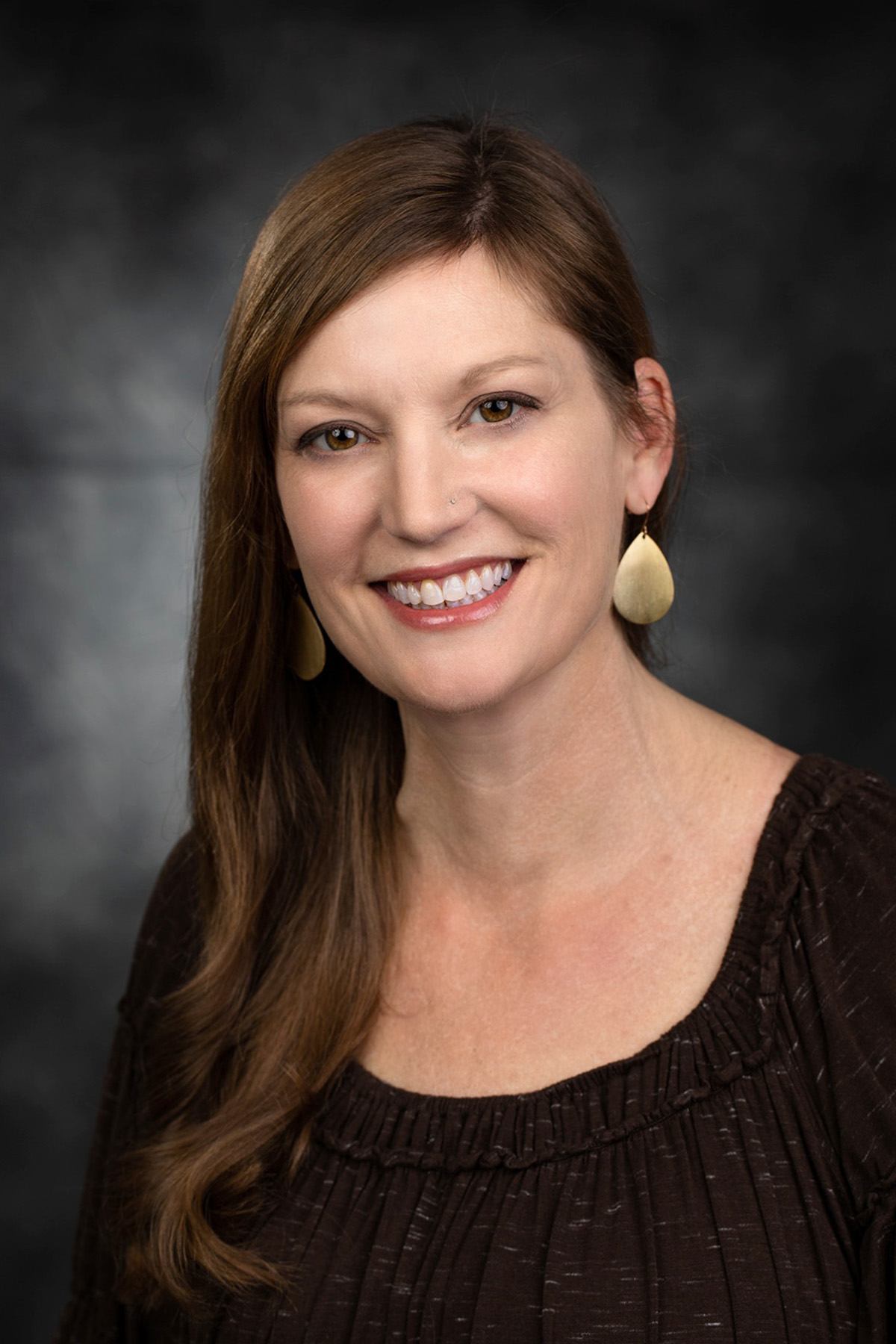
Profile Photo: Krista Slemmons

Krista Slemmons

  • Professor
  • Natural Science Education coordinator
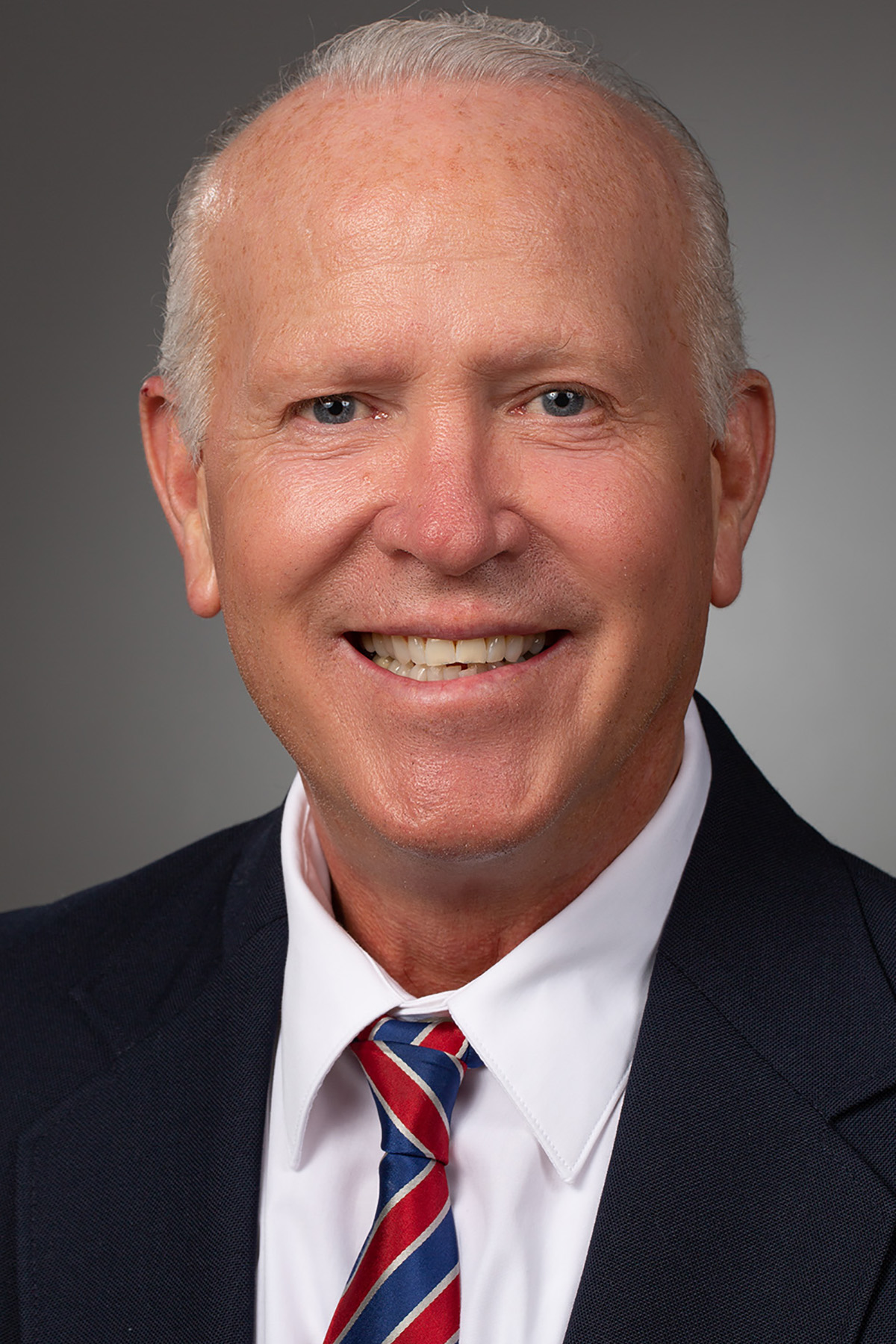
Profile Photo: Perry Cook

Perry Cook

  • Professor – Science Education
  • Director – Harju Center for Opportunities in Education
  • [ More… ]
452 College of Professional Studies
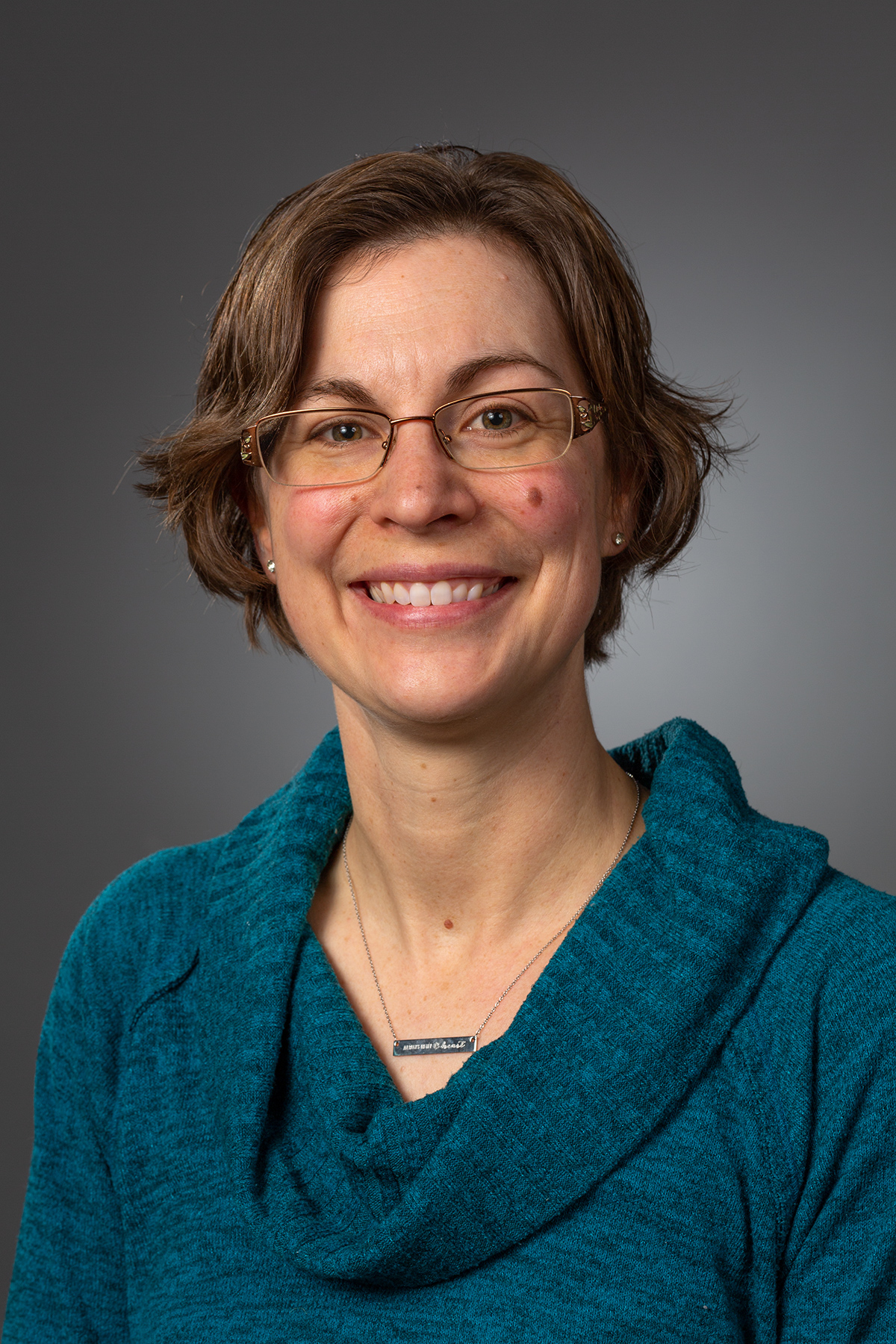
Profile Photo: Sarah Orlofske

Sarah Orlofske

  • Associate Professor
  • Curator of Animal Parasites

Aquaculture/Fish Culture

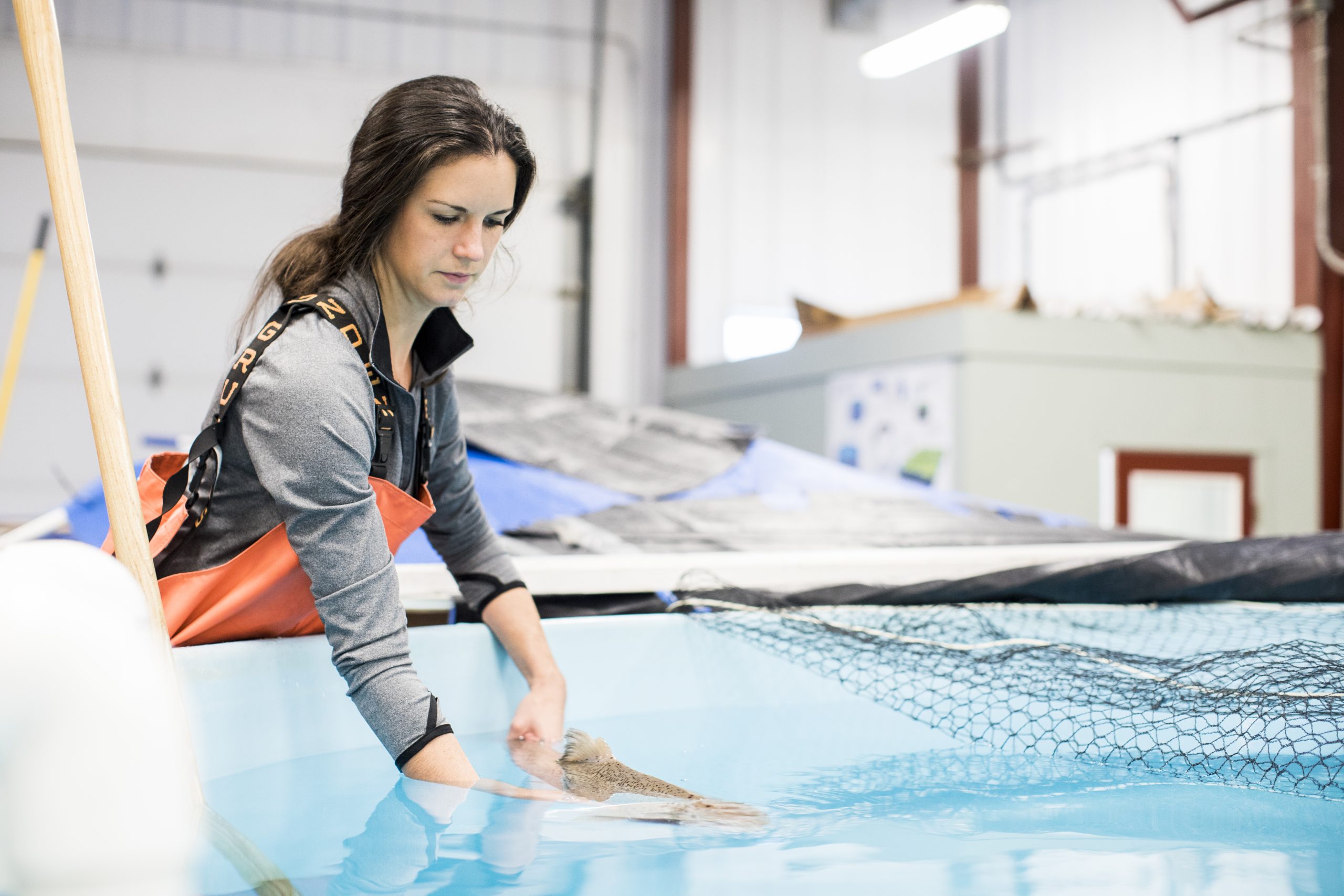
UWSP is leading the nation in aquaculture and aquaponic education opportunities through Wisconsin’s first aquaculture/Fish Culture Minor and hands-on internships at the state-of-the-art UWSP Northern Aquaculture Demonstration Facility. 

Aquaculture is the discipline that studies the culture of finfish, methods of production, environmental and ecological manipulation and assessment, selective breeding, nutrition, diseases, processing, marketing and operating of culture facilities. The aquaculture minor has been designed so that students interested in commercial fish farming, aquarium trade, or state, federal, and tribal hatchery programs can select from a cluster of elective courses to specialize the minor for their interests.

LEARNING SUSTAINABLE AQUACULTURE RESEARCH AND DEVELOPMENT

The UWSP Northern Aquaculture Demonstration Facility has a strong presence in student aquaculture education and job placement including internship opportunities and technician positions for recent graduates. The facility is national leader in aquaculture training and skill development, leading to nearly 100% job placement for aquaculture technicians and interns.

Aquaculture continues to be the fastest segment of food production systems globally. Students receive a unique and important skillset through the university as well as internships and technician positions at the state-of-the-art UWSP Northern Aquaculture Demonstration Facility. This unique training program leads to a rewarding career in aquaculture, aquaponics, fisheries or similar fields.

For more information visit the UW-Stevens Point course catalog.

Biology

EXPLORE YOUR INTEREST IN THE STUDY OF LIVING THINGS AND BUILD A CAREER

Join us at the University of Wisconsin-Stevens Point and learn how you can build a biological sciences career in fields such as education, private industry, government programs and medicine. In pursuing a biology degree, you will learn how life develops, functions and changes.

We are continually adding new, cutting-edge courses across the entire biology curriculum. There are outstanding collections of fish, reptiles, fossils, mammals, birds and plants. On-campus facilities for students include scanning and transmission electron microscopes, DNA sequencers, aquaculture labs, aquaria, greenhouses, and the only student-run vivarium in the state. Our proximity to 40,000 acres of private, county and state land is a tremendous asset for UWSP students.

Department of Biology

WHY STUDY BIOLOGY AT UW-STEVENS POINT?

The department places a high priority on collaborating with our students in both research and discovery to establish a deeper understanding of life and its natural processes. Students study in the state-of-the-art Haeni Chemistry Biology Building (HCBB) and the Daniel O. Trainer Natural Resources Building (TNR). The CBB, opened in 2018, is the best-equipped facility of its kind among 11 teaching-focused University of Wisconsin schools.  Students can shape their studies around their scientific interests and aspirations.

Our Hands-on Experiences

UW-Stevens Point offers its students dedicated labs for molecular genetics, cell biology, human and animal physiology, plant taxonomy, human anatomy, higher vertebrates and lower vertebrates. We are able to study in 40,000 acres of private, county and state land within 20 miles of campus, providing a great diversity of habitats for scientific investigations. The department is also home to two leading centers for aquaculture research, the Northern Aquaculture Demonstration Facility and Aquaponics Innovation Center. Plus, we have the only student-run vivarium in the state.


Scholarships and Awards

The Department Biology hosts an annual celebration of merit and research by students over the academic year. Awards and more than 30 scholarships are presented annually in the spring semester to continuing and graduating students.


EXPLORE LIVING LABS

Field courses take students off campus to conduct research with faculty. Students gain valuable, hands-on experience through research and field opportunities, including courses in Florida and Hawaii. These intense learning experiences provide hands-on, living labs to apply and understand ecological principles. Students may also take part in museum curation, greenhouse work, and shadowing of working professionals.


WHAT TO EXPECT

Our students begin with a year-long introduction to the biological sciences, then take courses in genetics, evolutionary biology, ecology, physiology (plant, animal, or human), and cell and molecular biology. Students also complete courses in chemistry and mathematics, and have up to 15 elective credits to complete the major. The biology major consists of a range of 55 to 62 credits, depending on the 100-level chemistry and cellular/molecular biology options taken.

Navigate the major with our Biology Major Map tool. Students should consult with the Biology Department faculty when selecting courses required to fulfill the major.

BIOLOGY

BIOLOGY: BOTANY AND PLANT SCIENCE OPTION

BIOLOGY: HUMAN AND ANIMAL HEALTH OPTION

Common areas of emphasis in biology include aquatic biology, biobusiness, biotechnology, botany, ecology/environmental, education, graduate work/research, horticulture, microbiology, natural history, pharmaceutical and biomedical sales, zoos and aquaria, and zoology. Students looking to advance in their profession after employment or enter graduate school, medical school, or veterinary medicine should consult their adviser about additional math, physics and chemistry coursework.

GET INVOLVED ON CAMPUS

Student-run organizations at UW-Stevens Point offer a number of opportunities to get involved with fellow students, professors, and the community.

More opportunities can be found on the Stevens Point Involvement Network (SPIN).

  • Animal Behavior
  • Botany Club
  • Pre Veterinary
  • Pre-Med and Allied Health
  • Pre-Physical Therapy
  • Neuroscience
  • Tri-Beta Lambda Omicron Chapter
  • Herpetology Society
  • Ichthyology and Aquarium Society
  • Wildlife Society
  • American Society for Biochemistry and Molecular Biology

MEET OUR FACULTY

Student-professor interaction is a high priority at UW-Stevens Point, with a low student-to-teacher ratio. Most of our classes and labs are taught by a Ph.D.-trained instructor with expertise in the field, and we offer many opportunities for undergraduate research.

View All Faculty

Profile Photo: Ann Impullitti

Ann Impullitti

  • Associate Professor
CBB 342, Research Lab 360
Profile Photo: Jennifer Bray

Jennifer Bray

  • Professor
  • Coordinator, Pre-Medical Preceptorship
Profile Photo: Paul Whitaker

Paul Whitaker

  • Assistant Dean, School of Biology, Chemistry, and Biochem…
  • Professor of Biology
Room 285C Wausau Campus
Profile Photo: Sarah Jane Alger

Sarah Jane Alger

  • Associate Professor
  • Chair, Department of Biology
TNR 439