Community Education
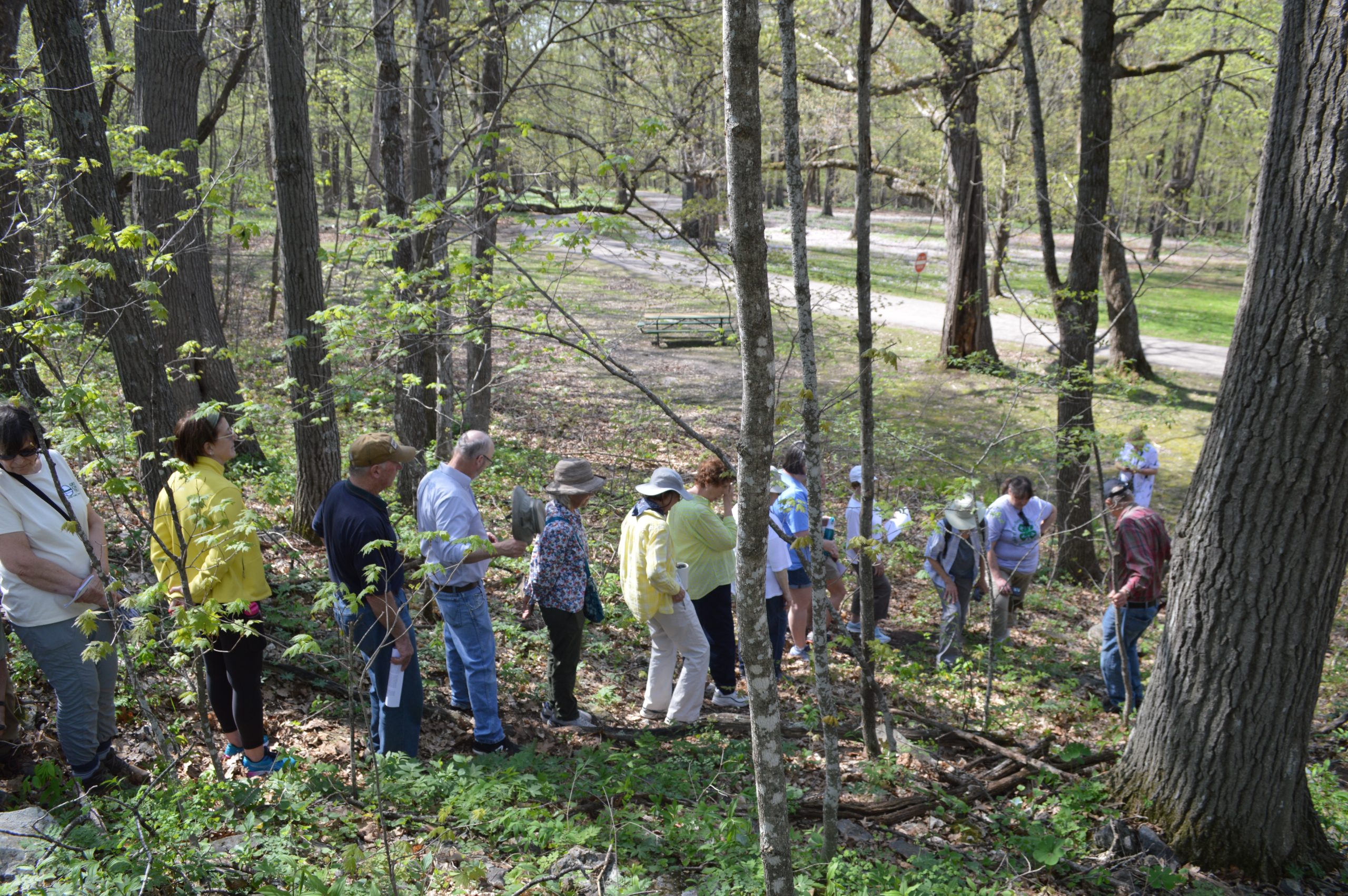
At the Wisconsin Forestry Center, we are committed to working with internal and external partners to develop and deliver community outreach programming and resources. We partner with UW-Stevens Point’s LIFE program to offer in-person programs and workshops. These programs are open to all interested participants.
COMMUNITY and LANDOWNER RESOURCES
UW-Madison Division of Extension Forestry & Wildlife Program
UW-Madison Division of Extension Forestry & Wildlife Program educators lead classes and build programs to engage landowners in the sustainable management of Wisconsin’s privately owned forests. Efforts to reach out to landowners include Learn About Your Land; Wisconsin Women Owning Woodlands; Farm Forest Initiative; Your Land, Your Legacy; and new landowner engagement.

Wisconsin Woodland Owners Association
The Wisconsin Woodland Owners Association (WWOA) is a nonprofit educational association for Wisconsin’s private woodland owners. Since 1979, WWOA has been sharing its passion for sustainable private woodland management with woodland owners. WWOA provides networking opportunities for like-minded woodland owners and opportunities to meet natural resource professionals who can assist you in caring for your woodlands.
Wisconsin TREE FARM COMMITTEE
Since 1944, the Wisconsin Tree Farm Committee (WTFC) has promoted the practice of sustainable forestry on private and locally-owned forest lands across the state. We are the official state program of the American Tree Farm System (ATFS), which began in 1941 and is now the largest, oldest, and most successful private woodland landowner forestry certification system in North America. Through our network of professional foresters, we provide vital education and help landowners achieve 3rd party certification of their woodlands to the ATFS Standards. WTFC sponsors educational forestry field days and workshops throughout the state for forest landowners.
My Wisconsin woods
My Wisconsin Woods is a partnership of public agencies and private organizations led by the Aldo Leopold Foundation and the Wisconsin Department of Natural Resources. It offers free services that connect landowners to trusted sources of information, property visits, technical and financial assistance, and events and workshops.
Department of natural resources forest health
The DNR forest health team works to prevent, detect, and control Wisconsin’s forest pests, particularly invasive plants, insects, and diseases that jeopardize trees and ecosystems. Through research, forest management guidance, and education and outreach efforts, forest stability and sustainability is established and enriched.
Wisconsin Center for Wildlife
The Wisconsin Center for Wildlife, an outreach center in the College of Natural Resources at UW-Stevens Point, aims to increase awareness, knowledge, skills, and engagement of students, professionals, landowners, and the public in conserving wildlife and habitats in Wisconsin and beyond.

Plant Disease Diagnostics Clinic
The University of Wisconsin-Madison Extension Plant Disease Diagnostics Clinic (PDDC) assists in identifying plant diseases and provides educational information on plant diseases and their control.

UW-Madison Division of Extension Horticulture
The UW-Madison Extension Horticulture Program provides evidence-based horticulture management education, resources, and decision-making tools for home gardeners and commercial horticulture practitioners so Wisconsinites can keep their plants healthy while protecting the environment.