Psychology Minor

Psychology is a minor that complements many disciplines and majors at UWSP such as business, health sciences, natural sciences, education, and the arts. The minor provides students with a strong core of psychology classes while also allowing students the flexibility to choose psychology classes which match their interests.  After completing the Introduction to Psychology course, students have substantial freedom to explore the many areas of psychology.
For more information visit the UW-Stevens Point course catalog.

The Psychology Minor consists of at least 18 credits, including:

Required Courses: Take all of the following:
PSYC 110: Introduction to Psychology
PSYC 200: Research Methods in Psychology

Core Content: Choose at least one course from each of the following two groups
Social Science Core:
PSYC 260: Introduction to Developmental Psychology
PSYC 320: Social Psychology
PSYC 301: Personality Psychology
PSYC 351: Abnormal Psychology

Cognitive Science Core:
PSYC 325: Behavioral Neuroscience
PSYC 330: Perception
PSYC 331: Cognitive Psychology
PSYC 375: Learning

Elective Courses: Take six additional elective Psychology credits, which may include courses listed above, not already used. [No more than 6 credits of 200-level courses will count toward these electives.]

Neuroscience and Behavior

This interdisciplinary minor integrates brain and behavior research and incorporates coursework in psychology and biology.  The minor serves students who are interested in traditional neuroscience fields, but also those interested in animal behavior, communicative disorders, and healthcare-related fields.

The Neuroscience and Behavior Minor consists of at least 18 credits. For more information visit the UW-Stevens Point course catalog.

Required Courses: Take all of the following:
PSYC 200: Research Methods in Psychology or HS 360: Research Design for the Health Sciences 
PSYC 325: Behavioral Neuroscience

Psychology Courses: Choose at least 6 credits from the following: 
PSYC 390: Psychoactive Drugs and Behavior 
PSYC 330: Perception 
PSYC 333: Animal Cognition
PSYC 375: Learning
PSYC 377: Evolutionary Psychology
PSYC 385: Health Psychology
PSYC 388: Animal Behavior

Biology Courses: Choose at least 6 credits from the following:
BIOL 314: Cell Biology 
BIOL 317: Developmental Biology 
BIOL 381: Animal Physiology
BIOL 382: Endocrinology of Mammals
BIOL 383: Biology of Reproduction
BIOL 385: Human Physiology
BIOL 388: Animal Behavior
BIOL 390: Neurobiology

Note: PSYC 388 and BIOL 388 are two sections of the same team-taught interdisciplinary course and, therefore, may not be counted twice.

For more information:

Heather Molenda-Figueira, Ph.D.
Associate Professor of Psychology
hmolenda@uwsp.edu

Psychology: Concentration​ in Human Services

STUDY HUMAN BEHAVIOR WITH A DEGREE IN PSYCHOLOGY: HUMAN SERVICES

The Psychology: Human Services major is designed for students with an interest in psychology who may pursue bachelor’s-level or advanced degree careers in human services-oriented field (e.g., counseling, clinical psychology, school psychology). The human services concentration focuses on developing the knowledge and skills necessary for counseling and behavioral modification.

Diverse training and interest areas in psychology prepare UW-Stevens Point students for a variety of post-graduate pursuits. Psychology graduates possess research and writing skills, problem-solving skills and well-developed, higher-level thinking ability for analyzing, synthesizing and evaluating information. 

Department of Psychology

Why Study Psychology: Human Services at UW-Stevens Point?

Psychology students find jobs in clinical/counseling psychology, human services, education, service industries, health, and community organizations. About 30 percent go on to advanced training, normally seeking a master’s or doctorate degree in psychology.

Research Opportunities

A student can work with a professor on directed readings, original experimental or survey research, applied internships, or pursue some other project of special interest. Students interested in graduate school or pursuing a career in psychology are strongly encouraged to take part in one or more of these activities. The Department of Psychology supports nine laboratories and research facilities that are used by faculty and students for their research projects. They are also used for instructional purposes, particularly in the experimental and clinical courses.


Awards and Scholarships

High-achieving students are eligible for many significant awards and scholarships thanks to generous support from our alumni, friends, and corporate partners. The Department of Psychology offers six major individual monetary awards and one major scholarship award each spring.


WHAT TO EXPECT

Psychology students are strongly encouraged to work with a professor on directed readings, original experimental or survey research, applied internships or special-interest projects.  Senior psychology majors who have taken Abnormal Psychology (PSYC 351) and Introduction to Counseling and Psychotherapy (PSYC 401) can apply for an internship. Interns receive credit for working at an unpaid placement for six hours a week at various community agencies including school psychology and guidance departments, shelters for abused women, counseling centers, group homes for delinquents or halfway houses for parolees.

Experiential Learning Opportunities in Psychology:

  • Internships – Students report that participating in an internship program is invaluable experience when searching for employment in the field after graduation or applying to graduate school. Interns receive PSYC 494 Human Services Internship credit for working at an unpaid placement for 6 hours a week.
  • Practicum – Our PSY 402 class is a practicum course in which students practice clinical interviewing skills, learn about in-depth counseling techniques, and work with licensed psychologists to prepare for a career in clinical or counseling psychology.
  • Research and Independent Study – Students can become involved in the research lab with faculty or complete an independent study course or project. Volunteer with a faculty member or become an integral part of the research study design and implementation, gaining course credit in the process.
  • Study Abroad – Join our travel experience in Europe to broaden your understanding of the roots of psychology, as it truly began. Students will gain a global historical perspective and knowledge of how different psychological cultures greatly impacted our study of psychology, in this rewarding study abroad program.

Our graduates become guidance counselors, substance use counselors, clinical psychologists, and crisis intervention coordinators. About 30 percent of our graduates go on to advanced training, normally seeking a master’s or doctorate degree in psychology. Others obtain law or medical degrees.

GET INVOLVED ON CAMPUS

The Psychology Club is a recognized student organization open to all students. The social club meets at least monthly, and organizes speakers, programs, field trips and other activities of interest to psychology students. Outstanding psychology students are eligible for membership in the UW-Stevens Point Chapter of Psi Chi, the International Honor Society in Psychology. Psi Chi is a recognized student organization whose membership is open to psychology majors and minors. Our students can also join NAMI, offering program resources for students on campus and working on community outreach efforts on behalf of those who are experiencing mental health issues.

More opportunities can be found on the Stevens Point Involvement Network (SPIN).

Facilities in Our Program

Our biological and cognitive psychology labs include the Animal Lab, Cognition and Attention Laboratory, and the Spindler Memory and Applied Cognition Lab. For clinical and counseling, we utilize the Beck Videotaping Facility, and the Counseling Psychology Laboratory. Finally, for developmental and social psychology labs our students work in the Aging and Development Lab, Social and Environmental Psychology Laboratory, and Gender Development Laboratory. We invite you to contact one of our department faculty to learn more.


MEET YOUR FACULTY

The Department of Psychology has 13 full-time faculty members representing the major sub-disciplines of psychology: biological, clinical/counseling, cognitive, developmental, industrial/organizational and social psychology. Meet your professors!

View All Faculty

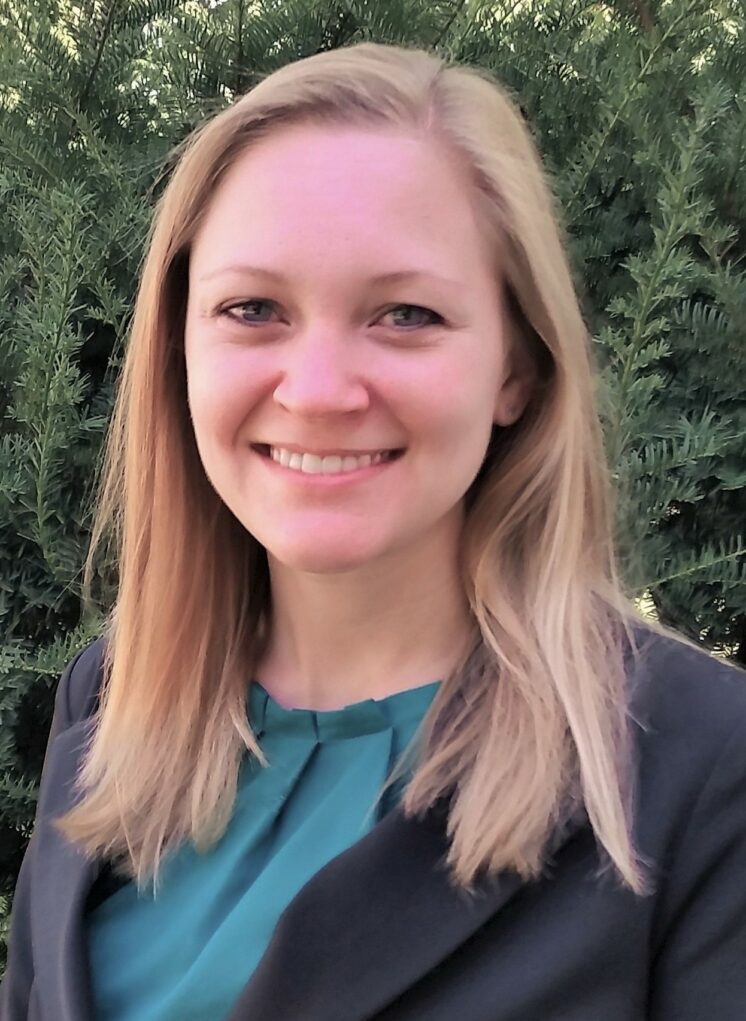
Profile Photo: Ellen Meier

Ellen Meier

  • Associate Professor
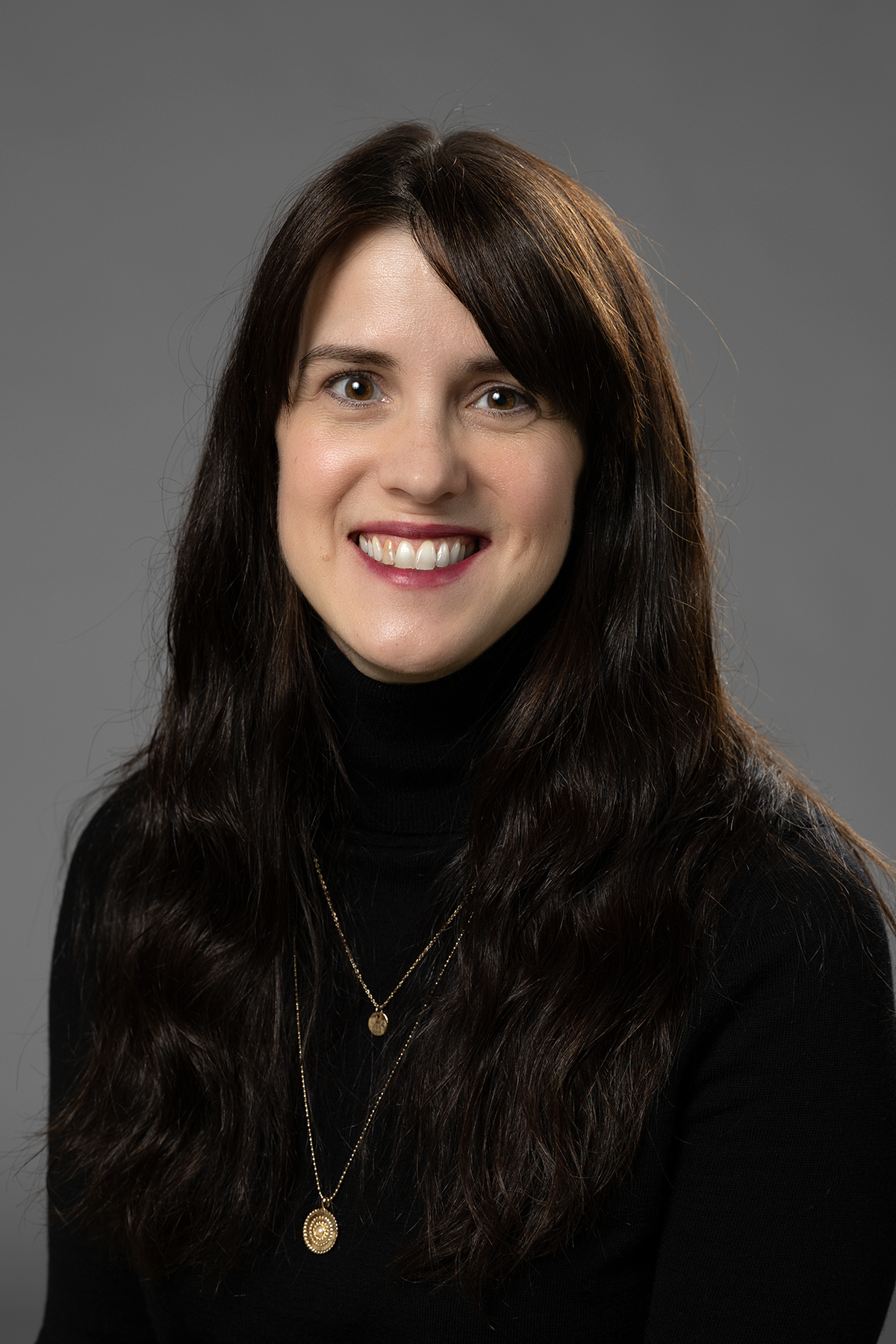
Profile Photo: Erica Weisgram

Erica Weisgram

  • Professor
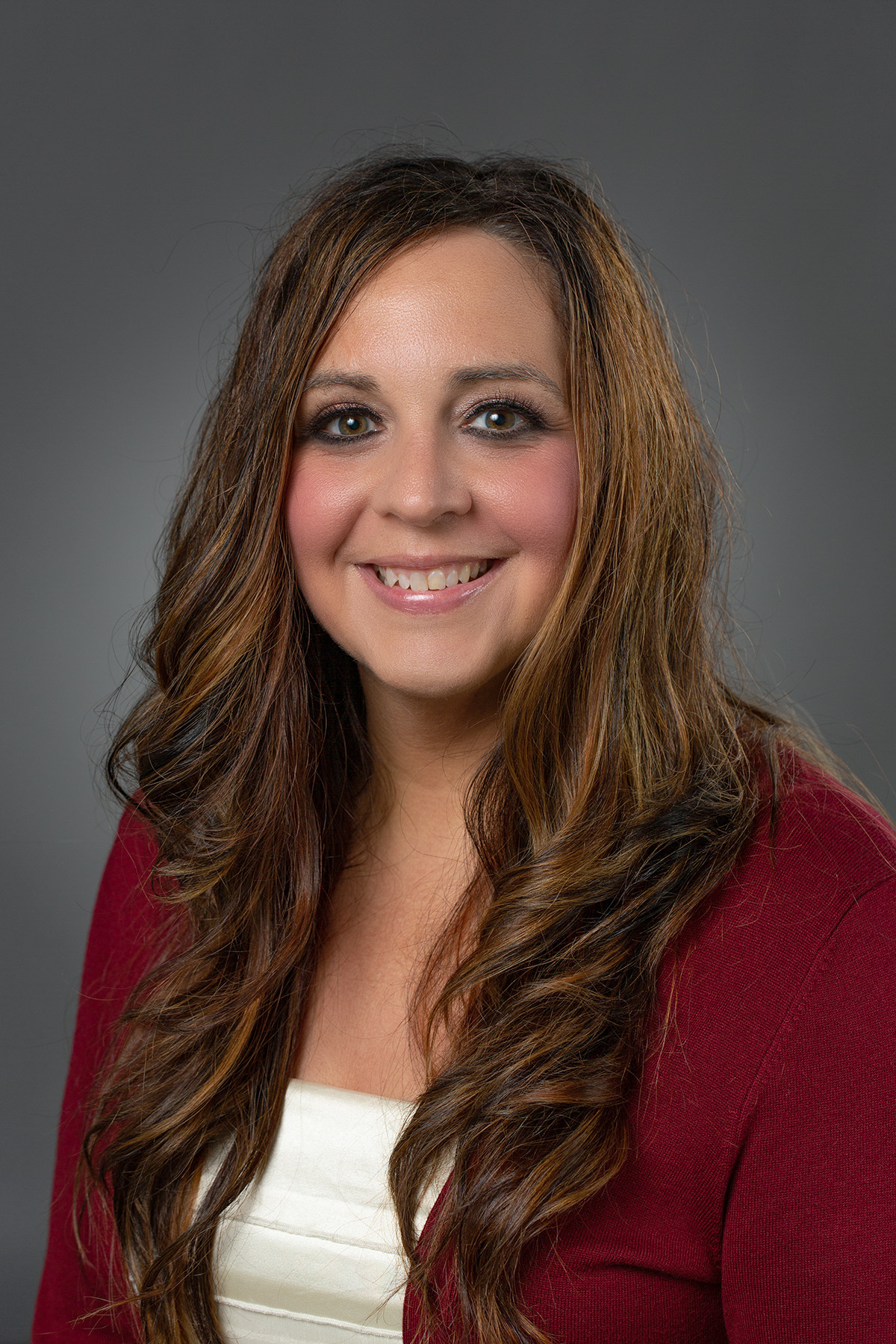
Profile Photo: Heather Molenda-Figueira

Heather Molenda-Figueira

  • Associate Professor
  • Coordinator, Neuroscience and Behavior Minor

Profile Photo: Jeana Council

Jeana Council

  • Professor
  • Psychology Human Services Internship Director

Psychology

A PSYCHOLOGY DEGREE PROVIDES A BROAD, YET THOROUGH, UNDERSTANDING OF THE DISCIPLINE OF PSYCHOLOGY

The Department of Psychology teaches research and writing skills, problem-solving skills and well-developed, higher-level thinking ability for analyzing, synthesizing and evaluating information. Psychology graduates find jobs in human services, administration, public affairs, education, business, sales, service industries, health, the biological sciences and computer programming. They become guidance counselors, substance use and disorder counselors, clinical psychologists, community organizers, and business managers.

All students pursuing a psychology degree begin by taking an introduction to the field, then learn the fundamentals of research methods and statistics. This advances into courses and experiences that provide both breadth and depth to knowledge of the entire field and skills needed in the workforce.

Department of Psychology

Why Study Psychology: Human Services at UW-Stevens Point?

Psychology students find jobs in clinical/counseling psychology, human services, education, service industries, health, and community organizations. About 30 percent go on to advanced training, normally seeking a master’s or doctorate degree in psychology.

Research Opportunities

A student can work with a professor on directed readings, original experimental or survey research, applied internships, or pursue some other project of special interest. Students interested in graduate school or pursuing a career in psychology are strongly encouraged to take part in one or more of these activities. The Department of Psychology supports nine laboratories and research facilities that are used by faculty and students for their research projects. They are also used for instructional purposes, particularly in the experimental and clinical courses.


Awards and Scholarships

High-achieving students are eligible for many significant awards and scholarships thanks to generous support from our alumni, friends, and corporate partners. The Department of Psychology offers six major individual monetary awards and one major scholarship award each spring.


WHAT TO EXPECT

Psychology students are strongly encouraged to work with a professor on directed readings, original experimental or survey research, applied internships, or special-interest projects.

Senior psychology majors who have taken Abnormal Psychology (PSYC 351) and Introduction to Counseling and Psychotherapy (PSYC 401) can apply for a Human Services internship. Interns receive credit for working at an unpaid placement for six hours a week at various community agencies including school psychology and guidance departments, shelters for women who have been abused, counseling centers, group homes for at-risk youth, ABA therapy sites, or halfway houses for parolees.

Experiential Learning Opportunities in Psychology:

  • Internships – Our internships occur at various community agencies including school psychology and guidance departments, shelters for abused women, alcohol treatment programs, and group homes. Typically, we place 15 students per term in internships. Students apply around the 8th week preceding the term in which they wish to complete an internship. Interns receive PSYC 494 Human Services Internship credit for working at an unpaid placement for 6 hours a week. Interns must also attend a weekly course, PSYC 495 (Human Services Internship Seminar), where they discuss ethical issues and issues common to all placements.
  • Research and Independent Study – One of the most enriching experiences you can have as a psychology major or minor is involvement in research. Your involvement in research can occur at several different levels, depending on the faculty member supervising the research:  
    – Volunteer to assist a faculty member with a project that is being conducted. (No course credit.)  
    – You can become an integral part of the research study design and implementation, gaining course credit in the process (PSYC 399).  
    – Or, design a study of your own and, with a faculty member supervising your project, gain course credit (PSYC 399).
  • Study Abroad – Join our travel experience in Europe to broaden your understanding of the roots of psychology, as it truly began. Students will gain a global historical perspective and knowledge of how different psychological cultures greatly impacted our study of psychology, in this rewarding study abroad program.

GET INVOLVED ON CAMPUS

The Psychology Club is a recognized student organization open to all students. The social club meets at least monthly, and organizes speakers, programs, field trips and other activities of interest to psychology students. Our newest student organization is the Neuroscience Club. Speakers in the field will be invited to share experiences with students in efforts to expand this area of study on our campus. Outstanding psychology students are eligible for membership in UWSP’s International Honor Society in Psychology. Psi Chi is a recognized student organization whose membership is open to psychology majors and minors who have completed at least 13 hours of psychology, have reached at least junior status, have at least a 3.2 overall GPA and a 3.3 GPA in psychology courses. Our students can also join NAMI, offering program resources for students on campus and working on community outreach efforts on behalf of those who are experiencing mental health issues.

More opportunities can be found on the Stevens Point Involvement Network (SPIN).

MEET YOUR FACULTY

The Department of Psychology has 13 full-time faculty members representing the major sub-disciplines of psychology: biological, clinical/counseling, cognitive, developmental, industrial/organizational and social psychology. Meet your professors!

View All Faculty

Profile Photo: Ellen Meier

Ellen Meier

  • Associate Professor
Profile Photo: Erica Weisgram

Erica Weisgram

  • Professor
Profile Photo: Heather Molenda-Figueira

Heather Molenda-Figueira

  • Associate Professor
  • Coordinator, Neuroscience and Behavior Minor