Process Control Engineering

ADVANCE YOUR CAREER WITH A PROCESS CONTROL ENGINEERING GRADUATE CERTIFICATE

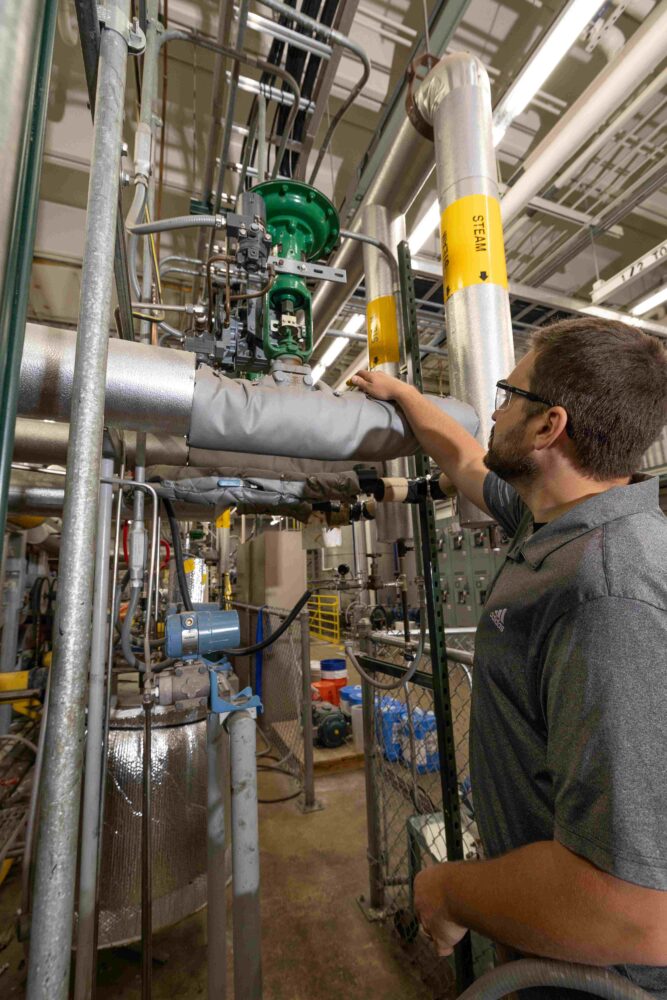
The Graduate Certificate in Process Control Engineering is designed to equip engineering and manufacturing professionals with the critical skills required for process control engineering. The program enhances the expertise of engineers and professionals in industries such as paper, chemical, and other manufacturing sectors that rely on automated and controlled processes.

Developed with direct input from industry partners and an advisory board, this program ensures graduates are prepared to meet the evolving demands of process control engineering.
GET STARTED TODAY!

Request information and start your journey in our online Process Control Engineering graduate certificate program. Our team will reach out to you about attending an information session.

Loading…

Why Choose the Graduate Certificate in Process Control Engineering?

This online program is designed for engineers and manufacturing professionals looking to advance their careers in automation and process control.


  • 100% online for flexible learning
  • Developed with industry input to meet workforce needs
  • Covers automation, PLC programming, and process control systems
  • Prepares you for roles in paper, chemical, and industrial manufacturing
  • Practical, real-world applications in every course
  • Gain the skills needed for the future of smart manufacturing and process control.
 
Process Control Engineering

Info Sessions

Interested in advancing your career in process control engineering? Join our information session to learn more about the Graduate Certificate in Process Control Engineering. Explore key skills covered in the program, discover how it can fit your career goals, and understand the real-world value of this industry-driven certificate. Don’t miss this opportunity to get your questions answered and take the next step in your professional growth.

 
What courses are in the program?

The certificate is a 15-credit program comprised of five 3-credit online courses. Course array and descriptions are as follows:

PSEN 700          
Basic Operations of Smart Manufacturing, 3 cr. 

Introduction to concepts and terminology of smart manufacturing; basic setup, adjustment, and safe operation of automated machines; blueprint and schematic reading; basic electrical control, pneumatic and sensor systems operation; production monitoring via HMI, internet, ethernet, and smartphones.

PSEN 702          
Electrical Systems, 3 cr. 

Electrical safety rules; connecting, adjusting, operating, troubleshooting, and analyzing electrical circuits; reading electrical circuit diagrams; applying Ohm’s Law and Kirchoff’s Law; using digital multimeters; interpreting series/parallel circuits; assessing power/circuit protection.

PSEN 704          
Electric Motor Control Systems, 3 cr. 

Connecting, adjusting, troubleshooting, and operating electrical motor control circuits and variable frequency drives; adhering to motor control safety rules; reading ladder logic circuit diagrams; ensuring proper ground connections and wiring motors for high and low voltage; interpreting common motor control application circuits.

PSEN 706          
Programmable Controller Systems, 3 cr.  

Programming, configuring, adjusting, monitoring, operating, and troubleshooting industrial programmable logic controller (PLC) systems. Adhering to PLC safety rules, performing normal startup/shutdown, operating PLC in different modes, performing emergency shutdown and reset, monitoring for proper operation through indicators and PC-based PLC software, configuring processor software drivers for communication to PC, configuring and loading of Human-Machine-Interface (HMI) programs, operating HMI with PLC, configuring PLC discrete I/O, transferring programs between PC and PLC processor, interpreting PLC ladder logic programs, PLC project creation/editing, and interpreting common PLC program logic applications using electro-pneumatic actuators and on/off motor control systems.

PSEN 708          
Process Control Systems, 3 cr. 

Connecting, programming, adjusting/tuning, calibrating, operating, and troubleshooting open loop, closed loop, and on/off industrial process control systems controlling liquid flow, liquid level, temperature, pressure, and other variables. Process control safety rules; reading piping and instrumentation (P&ID) diagrams; interpreting instrument data; interpreting instrument tags; performing startup/shutdown.

How do I apply?

The Process Control Engineering graduate certificate program requires an engineering bachelor’s degree from an accredited institution with a minimum undergraduate GPA of 3.0. Students with lower GPA’s with professional engineering work experience and/or a letter of recommendation will be considered on a case-by-case basis.

Step 1. Submit University Application

  • Select “No” when asked you are seeking a degree.
  • Select “Graduate” when asked whether you plan to take undergraduate or graduate courses.
  • Select “UW-Stevens Point” campus and then “Process Control Engineering Graduate Certificate”.
  • After you apply, you will receive a welcome email and with your UWSP student ID number.

Step 2. Submit your resume to the program.

Step 3. Enroll in Classes

  • Once you are officially accepted into the Process Control Engineering graduate certificate program, you will receive a welcome letter with instructions on how to register for classes.
What is the cost of the program?

The online Process Control Engineering graduate certificate program costs the same for in-state and out-of-state students. The cost per credit is $1,300. The Process Control Engineering students are also charged 50% Segregated Fees and Distance Education Fees.

Questions regarding financial aid should be directed to the UWSP Financial Aid office at finaid@uwsp.edu.

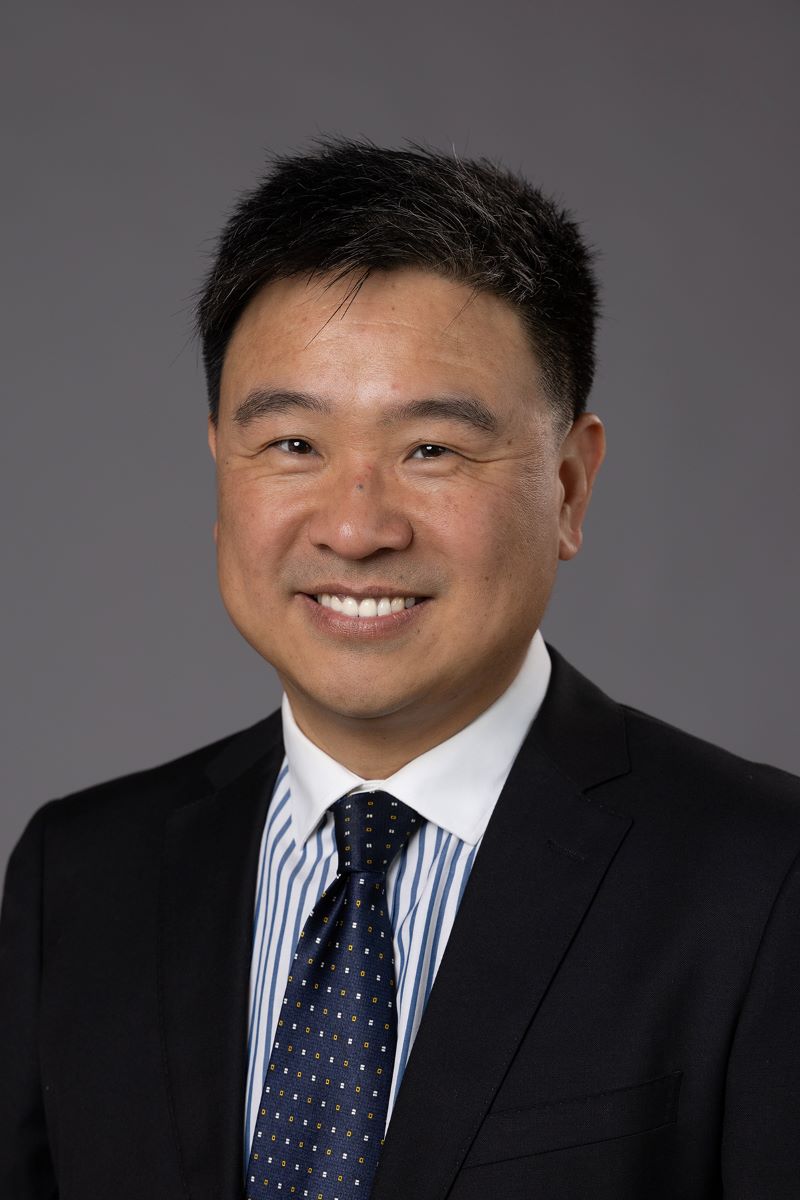
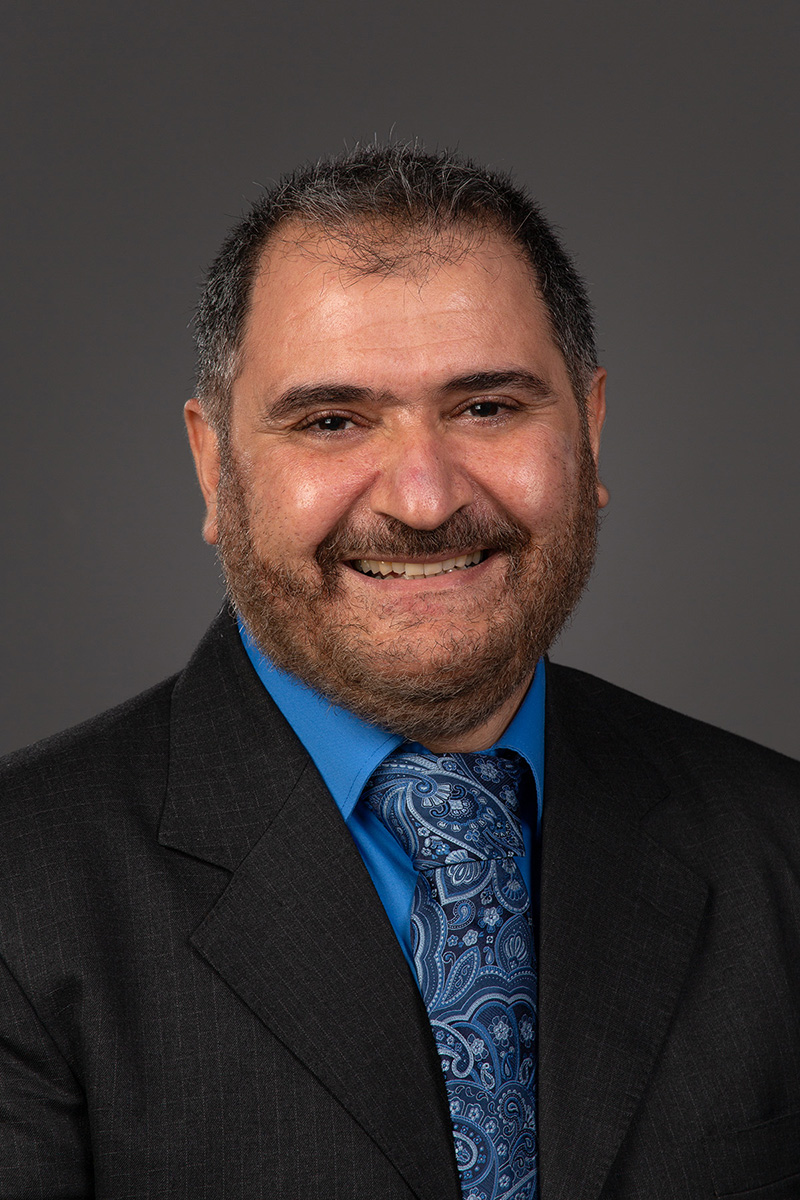
Meet our Instructors

Our faculty members teach in one of the nation’s top undergraduate natural resources colleges, which means your instructors are leading professionals in their fields of study and will provide quality and relatable courses with the current curriculum.

View all our faculty and staff here.

Profile Photo: John (JT) Tatarko

John (JT) Tatarko

  • Teaching Professor
Profile Photo: Roland Gong

Roland Gong

  • Professor and Department Chair
  • Technical Consultant for the Wisconsin Institute for Sust…


Paper Science and Engineering

STUDY THE ENGINEERING, SCIENCE, AND TECHNOLOGY BEHIND PAPER MANUFACTURE IN A FIELD WITH 100% JOB PLACEMENT.

We are the home of the only pilot-scale paper machine laboratory in Wisconsin. This offers you unique opportunities to learn, including all aspects of the safe and efficient operation of the equipment.

Why Study Paper Science and Engineering at UW-Stevens Point?

The Paper Science and Engineering program at the University of Wisconsin-Stevens Point nurtures students’ interest in math, chemistry, physics, and engineering to prepare them for engineering careers in Wisconsin’s most sustainable industry.

WHAT TO EXPECT

The Paper Science and Engineering curriculum is grounded in the fundamental engineering and science of papermaking, ensuring you are prepared for career opportunities in all areas of the industry.

Career opportunities are available in Wisconsin, across the country, and worldwide. Our graduates are in demand because they are well prepared for process engineering positions in Wisconsin’s most sustainable manufacturing industry. Job titles include: 

  • process engineer
  • sales account manager 
  • project manager 
  • new product development
  • research and development engineer
  • quality assurance manager,
  • and many others.

Our graduates have career opportunities in Wisconsin, across the country, and worldwide. About 50% of our graduates stay in Wisconsin. Many work in other countries.

GET INVOLVED ON CAMPUS

Discover your passions, build your resume, and make friends along the way! Whether it is joining a student organization, working on our best-in-class pilot-scale paper machine, or participating in research with one of our faculty, there are plenty of opportunities for you to get involved.

  • Participate in our annual Career Fair and Interview Day to find internships and entry-level positions. 
  • There are many opportunities for you to work side-by-side with faculty and staff, conducting scientific research and performing laboratory analysis. You can present your research findings at professional meetings, conferences, and our annual Jim and Katie Krause CNR Student Research Symposium.  
  • Read the CNR Reporter, a weekly newsletter, for information on upcoming presentations, student organization meeting times, and other important happenings on and around campus.

GAIN EXPERIENCE OUTSIDE THE CLASSROOM

You will have opportunities to work in manufacturing facilities in well-paid internships. These internships involve a variety of experiences, from laboratory testing to ensure product quality and efficient operation to project work that improves the facility’s profitability. Each internship experience offers different challenges and increased levels of responsibility.

Research in a specialized field of interest (biofuels production, recycled fiber quality, etc.) is possible through collaborations with department faculty and often results in publications in the scientific literature.

Meet your faculty and staff

Our Paper Science and Chemical Engineering faculty members bring a wide array of knowledge and experience to our classrooms at UW-Stevens Point.

View all of our faculty and staff.

Profile Photo: John (JT) Tatarko

John (JT) Tatarko

  • Teaching Professor
Profile Photo: Karyn Biasca

Karyn Biasca

  • Professor
  • Paper Science and Chemical Engineering
Profile Photo: Roland Gong

Roland Gong

  • Professor and Department Chair
  • Technical Consultant for the Wisconsin Institute for Sust…
Profile Photo: Seyed Javad Amirfakhri

Seyed Javad Amirfakhri

  • Assistant Professor of Paper Science and Chemical Enginee…

Accreditation

Accreditation is a process that shows a program meets high standards for quality and education. When a program is accredited, it means an external organization has reviewed it to ensure you are learning the skills and knowledge needed for success in college, careers, and the workforce. Accreditation also demonstrates our commitment to continuous improvement and to providing you with a strong educational experience.

The Chemical Engineering program is accredited by the Engineering Accreditation Commission of ABET, under the commission’s General Criteria and Program Criteria for Chemical Engineering.

The Paper Science and Engineering program is accredited by the Engineering Accreditation Commission of ABET, under the commission’s General Criteria with no applicable Program Criteria.


Paper Science and Chemical Engineering

Unlock your potential with the Paper Science and Chemical Engineering programs at the University of Wisconsin–Stevens Point. These innovative academic tracks empower you to apply advanced math and science skills to tackle real-world challenges in manufacturing and industrial engineering. Whether you are working on energy-efficiency projects, minimizing water use, or enhancing the sustainability of large-scale industrial processes, you gain hands-on experience that shapes you into a problem-solver who can positively impact the manufacturing sector. With a strong emphasis on teamwork and environmental stewardship, these programs prepare you to make a difference both locally and globally.


​Chemical Engineering

Explore Career Opportunities in Chemical Engineering

We focus on preparing Chemical Engineering graduates for highly technical positions in the chemical manufacturing industry, making important products in millions of people’s lives. Chemical engineers hold positions such as:

  • process engineer
  • sales account manager 
  • project manager 
  • new product development
  • research and development engineer
  • quality assurance manager,
  • and many others.

Why Study Chemical Engineering at UW-Stevens Point?

Use your skills in math and science to solve complex engineering problems and work effectively in a team environment with a chemical engineering degree. In addition to practical applications in the classroom, you will have the opportunity to work in manufacturing facilities in well-paid internships ranging in experiences from laboratory testing to ensuring product quality and efficient operation to project work improving the facility’s profitability.

WHAT TO EXPECT

The academic programs in the Paper Science and Chemical Engineering Department prepare you to make a difference in the manufacturing industry. You will learn to use your skills in math and science to solve complex engineering problems and work effectively with a team.

Faculty members provide career guidance inside and outside the classroom through professional and extracurricular activities. These activities include:

  • touring industrial manufacturing facilities;
  • undergraduate research;
  • industrial internships;
  • participating in professional organizations;
  • attending professional meetings and seminars; and
  • working with our coating and laminating machine and the world’s fastest student-run paper machine in our process engineering laboratory.

Our graduates have career opportunities in Wisconsin, across the country, and worldwide. About 50% of our graduates stay in Wisconsin. Many work in other countries.

GET INVOLVED ON CAMPUS

Discover your passions, build your resume, and make friends along the way! Whether joining a student organization or participating in research with our faculty members, you have plenty of opportunities to get involved.

  • Join the Student Chapter of the American Institute of Chemical Engineers (AIChE) or any of our other 200+ student organizations housed within Campus Activities and Student Engagement. 
  • There are opportunities for you to work side-by-side with faculty and staff, conducting scientific research and performing laboratory analysis. You can present your research findings at professional meetings, conferences, and our annual Jim and Katie Krause CNR Student Research Symposium.  
  • Read the CNR Reporter, a weekly newsletter, for information on upcoming presentations, student organization meeting times, and other important happenings on and around campus.

GAIN EXPERIENCE OUTSIDE THE CLASSROOM

Internships provide unique opportunities to gain valuable work-related experience in an industrial environment. In addition, various manufacturing facilities provide well-paid opportunities for students in our program. Research in a specialized field of interest (biofuel production, recycled fiber quality, etc.) is possible through collaborations with department faculty and often results in publications in the scientific literature.

Meet your faculty and staff

Our Paper Science and Chemical Engineering faculty members bring a wide array of knowledge and experience to our classrooms at UW-Stevens Point.

View all of our faculty and staff.

Profile Photo: John (JT) Tatarko

John (JT) Tatarko

  • Teaching Professor
Profile Photo: Karyn Biasca

Karyn Biasca

  • Professor
  • Paper Science and Chemical Engineering
Profile Photo: Roland Gong

Roland Gong

  • Professor and Department Chair
  • Technical Consultant for the Wisconsin Institute for Sust…
Profile Photo: Seyed Javad Amirfakhri

Seyed Javad Amirfakhri

  • Assistant Professor of Paper Science and Chemical Enginee…

Accreditation

Accreditation is a process that shows a program meets high standards for quality and education. When a program is accredited, it means an external organization has reviewed it to ensure you are learning the skills and knowledge needed for success in college, careers, and the workforce. Accreditation also demonstrates our commitment to continuous improvement and to providing you with a strong educational experience.

The Chemical Engineering program is accredited by the Engineering Accreditation Commission of ABET, under the commission’s General Criteria and Program Criteria for Chemical Engineering.

The Paper Science and Engineering program is accredited by the Engineering Accreditation Commission of ABET, under the commission’s General Criteria with no applicable Program Criteria.


Paper Science and Chemical Engineering

Unlock your potential with the Paper Science and Chemical Engineering programs at the University of Wisconsin–Stevens Point. These innovative academic tracks empower you to apply advanced math and science skills to tackle real-world challenges in manufacturing and industrial engineering. Whether you are working on energy-efficiency projects, minimizing water use, or enhancing the sustainability of large-scale industrial processes, you gain hands-on experience that shapes you into a problem-solver who can positively impact the manufacturing sector. With a strong emphasis on teamwork and environmental stewardship, these programs prepare you to make a difference both locally and globally.