
Department: College of Natural Resources
Forestry
Managed Grazing
Prepare to Lead Sustainable Land Management
The Managed Grazing Certificate at University of Wisconsin–Stevens Point prepares students and professionals to apply managed grazing as an effective land management strategy that supports both agricultural productivity and conservation outcomes.
Students gain the knowledge and practical perspective needed to work across livestock production, grassland management, and natural resource conservation on working lands. Graduates of the certificate are equipped to contribute to grazing planning efforts, evaluate grazing strategies, and support sustainable land stewardship in a variety of professional settings.
Whether working with private landowners, conservation agencies, or public land managers, students develop skills that connect ecological health with practical land use management.
What will you learn?
The Managed Grazing Certificate provides foundational knowledge and applied experience in:
- Managed grazing systems and land stewardship
- Grazing plan development and revision
- Evaluation of grazing strategies for production and conservation goals
- Grassland and rangeland management principles
- Soil health and sustainable land management
- Livestock integration within conservation-focused landscapes
- Collaboration across agriculture and natural resource management sectors
Students also gain exposure to hands-on learning opportunities and professional training experiences related to grazing management and grassland conservation.
Who Should Enroll?
This certificate is designed primarily for students and professionals interested in natural resources, agriculture, conservation, and land management. It is especially valuable for individuals pursuing careers connected to:
- Agriculture and agronomy
- Rangeland and grassland management
- Ecological restoration
- Soil conservation
- Wildlife and habitat management
- Forestry and working lands conservation
Students in programs such as ecosystem restoration and management, soil science, wildlife ecology, forestry, and related fields may find this certificate particularly beneficial. The program is also open to students outside of natural resources disciplines who are interested in sustainable land management practices.
Career Opportunities
The Managed Grazing Certificate can strengthen preparation for careers in:
- Natural resource management
- Conservation planning
- Rangeland and grassland management
- Soil and water conservation
- Agricultural consulting
- Ecological restoration
- Wildlife habitat management
- County, state, and federal land management agencies
- Private land stewardship and consulting
Graduates will be prepared to support conservation and production goals on working lands while contributing to sustainable agricultural and environmental practices.
Learn More
For full course details, elective options, and information on enrolling, visit the UWSP Catalog page or speak with your academic advisor.
College of Natural Resources
800 Reserve Street
Stevens Point, WI 54481-3897
715-346-4617
cnr@uwsp.edu
Follow Us
Forest Recreation
Specialize in the Planning and Management of Outdoor Recreation
The Forest Recreation program at University of Wisconsin–Stevens Point prepares students to support the many social, environmental, and economic benefits of recreation in forests and parks. Offered as both a major and a minor, the program provides students with the knowledge and hands-on experience needed to plan, manage, and enhance outdoor recreation opportunities on public and private lands.
The Forest Recreation Major prepares students for careers in outdoor recreation management, park planning, visitor services, and public land stewardship, while the Forest Recreation Minor complements studies in natural resources, environmental science, tourism, sustainability, and related fields. Through in-person, experiential learning opportunities, students gain practical skills in trail design, recreation planning, visitor experience management, and collaboration with agencies that protect and manage forests and parks.
Whether you are interested in improving outdoor experiences, promoting conservation through recreation, or managing parks and public lands, the Forest Recreation program provides a strong foundation for creating meaningful and sustainable recreation opportunities.
Forest Recreation Major
Why Study Forest Recreation at UW-Stevens Point?
Plan and manage nature-based recreation opportunities in forests and parks with a degree in forest recreation.
Alumni Map
Where are they now?
UW-Stevens Point College of Natural Resources alumni live and work worldwide! Check out our map if you are interested in exploring job or networking opportunities close to home.
If you would like to add your information to our interactive alumni map, please fill out the form below.
WHAT TO EXPECT
An integrated curriculum designed to ensure you are ready for a career in forest recreation after graduation. The forest recreation program is flexible to help meet your professional objectives through career pathway courses. Our program is accredited by the Society of American Foresters, assuring your degree meets the quality standards established by the profession.
From federal and state to private entities, our graduates have jobs in all sectors of the employment spectrum. Job titles include:
- Forestry Technician
- Parks and Recreation Specialist
- Visitor Use Specialist
- Recreation Supervisor
- Recreation Management Specialist
- Parks Supervisor
- Recreation and Trails Steward
- Lands and Recreation Assistant
GET INVOLVED ON CAMPUS
Discover your passions, build your resume, and make friends along the way! Whether joining a student organization, working at one of our centers, or participating in research at one of our three field stations, there are plenty of opportunities for you to get involved.
- Join the student chapter of the Park and Recreation Association, the Society of American Foresters, or any of our other 200+ student organizations housed within Campus Activities and Student Engagement.
- Read the CNR Reporter, a weekly newsletter, for information on upcoming presentations, student organization meeting times, and other important happenings on and around campus.
Navigate Your Major
Forestry
Major Maps help you map your first day to the first job in your chosen field. While a four-year plan outlines the classes needed to earn a degree, Major Maps help you learn how to build career-ready skills and gain hands-on experience outside the classroom. Each Major Map shows how you can get the most out of your UW-Stevens Point journey from enrollment to graduation and beyond. It’s a roadmap to discovering your purpose!
GAIN EXPERIENCE OUTSIDE THE CLASSROOM
You will gain additional hands-on experiences in all areas of natural resource management during a required summer field experience generally taken between your sophomore and junior years. You can choose between our six-week, hands-on summer field experience held at our Treehaven field station or on-campus, or take part in our European Environmental Seminar and learn how European natural resource management compares to the United States.
You must also participate in one summer of an advisor-approved forestry internship or employment. A few examples include:
- Parks and Recreation Specialist, Wisconsin Department of Natural Resources
- Forestry Technician (Recreation), United States Forest Service
- Recreation Intern, Schmeeckle Reserve
- Park Manager, Portage County Parks
- Visitor Services Associate, Wisconsin Department of Natural Resources
Forest Recreation Minor
The Forest Recreation Minor at the University of Wisconsin–Stevens Point (UWSP) prepares students to plan, manage, and enhance outdoor recreation opportunities in forests and parks. This in-person, hands-on minor equips you with the skills needed to design trails, create recreation plans, manage visitor experiences, and partner with agencies that protect and manage public lands.
Why Choose the Forest Recreation Minor
- Work directly with public lands and community recreation projects
- Learn trail-building, site design, and recreation planning
- Contribute to outdoor recreation that balances human use and environmental health
- Partner with public agencies, nonprofits, and private recreation groups
Whether you’re passionate about sustainable tourism, outdoor leadership, or recreation planning, this minor helps you turn your interests into real-world impact.
Who Should Consider This Minor?
This minor is perfect for students majoring in:
- Environmental Education and Interpretation
- Conservation Law Enforcement
- Forestry – Urban and Community Forestry
- Forestry – Forest Management
- Conservation and Community Planning
- Wildlife Ecology
- Environmental Science and Management
No matter your background, if you are interested in the non-timber benefits of forests, like recreation, wellness, and community engagement, this minor is for you.
What You Will Learn
Through core courses and flexible electives, students build expertise in:
- Forest recreation planning and site design
- Visitor use management and tourism
- Trail design and maintenance
- Public lands stewardship
- Community-based recreation and environmental education
Students also gain hands-on experience through applied projects and partnerships with local outdoor recreation providers and land management agencies.
Career Paths
This minor supports a variety of outdoor and natural resource careers, including:
- Park Ranger
- Outdoor Recreation Planner
- Community Recreation Coordinator
- Trail Development Specialist
- Ecotourism Guide or Consultant
- Forest or Park Manager
- Public Lands Outreach Specialist
Graduates are equipped to make a real difference by designing and managing recreational experiences that benefit both people and the planet.
Program Overview
- Credits Required: Varies (13 credits of core courses + flexible electives)
- Format: In-person, applied learning
- Eligibility: Open to all UWSP students
Learn More
Explore the Forest Recreation Minor through the UWSP Catalog page or connect with your academic adviser to learn more.
Meet Your Faculty and Staff
Our faculty members within the Forestry discipline bring a wide array of knowledge and experience to our indoor and outdoor classrooms at UW-Stevens Point.
View all our faculty and staff.

Accreditation
Accreditation is a process that shows a program meets high standards for quality and education. When a program is accredited, it means an external organization has reviewed it to ensure you are learning the skills and knowledge needed for success in college, careers, and the workforce. Accreditation also demonstrates our commitment to continuous improvement and to providing you with a strong educational experience.
Society of American Foresters Accreditation
Our Ecosystem Restoration and Management, Forest Management, Forest Recreation, and Urban and Community Forestry programs are all accredited by the Society of American Foresters (SAF). The mission of the UW-Stevens Point Forestry Program is to provide interdisciplinary, application-based educational programs that develop ethical, employable forestry professionals with the expertise to manage resources sustainably to best develop and train students today for the future.
Find more information on program outcomes, retention and graduation rates, and job placement and graduate school rates.
Preamble
Service to society is the cornerstone of any profession. The profession of forestry serves society by fostering stewardship of the world’s forests. Because forests provide valuable resources and perform critical ecological functions, they are vital to the wellbeing of both society and the biosphere.
Members of SAF have a deep and enduring love for the land, and are inspired by the profession’s historic traditions, such as Gifford Pinchot’s utilitarianism and Aldo Leopold’s ecological conscience. In their various roles as practitioners, teachers, researchers, advisers, and administrators, foresters seek to sustain and protect a variety of forest uses and attributes, such as aesthetic values, air and water quality, biodiversity, recreation, timber production, and wildlife habitat.
The purpose of this Code of Ethics is to protect and serve society by inspiring, guiding, and governing members in the conduct of their professional lives. Compliance with the code demonstrates members’ respect for the land and their commitment to the long-term management of ecosystems, and ensures just and honorable professional and human relationships, mutual confidence and respect, and competent service to society.
On joining the SAF, members assume a special responsibility to the profession and to society by promising to uphold and abide by the following:
Principles and Pledges
Foresters have a responsibility to manage land for both current and future generations. We pledge to practice and advocate management that will maintain the long-term capacity of the land to provide the variety of materials, uses, and values desired by landowners and society.
Society must respect forest landowners’ rights and correspondingly, landowners have a land stewardship responsibility to society. We pledge to practice and advocate forest management in accordance with landowner objectives and professional standards, and to advise landowners of the consequences of deviating from such standards.
Sound science is the foundation of the forestry profession. We pledge to strive for continuous improvement of our methods and our personal knowledge and skills; to perform only those services for which we are qualified; and in the biological, physical, and social sciences to use the most appropriate data, methods, and technology.
Public policy related to forests must be based on both scientific principles and societal values. We pledge to use our knowledge and skills to help formulate sound forest policies and laws; to challenge and correct untrue statements about forestry; and to foster dialogue among foresters, other professionals, landowners, and the public regarding forest policies.
Honest and open communication, coupled with respect for information given in confidence, is essential to good service. We pledge to always present, to the best of our ability, accurate and complete information; to indicate on whose behalf any public statements are made; to fully disclose and resolve any existing or potential conflicts of interest; and to keep proprietary information confidential unless the appropriate person authorizes its disclosure.
Professional and civic behavior must be based on honesty, fairness, good will, and respect for the law. We pledge to conduct ourselves in a civil and dignified manner; to respect the needs, contributions, and viewpoints of others; and to give due credit to others for their methods, ideas, or assistance.
Forestry
Forestry
If you love the woods and are interested in sustainable management, you will feel at home in the forestry discipline at the University of Wisconsin-Stevens Point. Our program prepares you for diverse careers, from managing urban forests and parks in bustling cities to restoring ecosystems and overseeing vast rural woodlands. Whether you’re passionate about urban green spaces or the expansive wilderness, our specialized majors and hands-on experience ensure you are ready to make a positive impact in both urban and rural environments.
College of Natural Resources
800 Reserve Street
Stevens Point, WI 54481-3897
715-346-4617
cnr@uwsp.edu
Follow Us
Environmental Education and Interpretation
Inspire. Educate. Lead Change
Turn your love for nature into a meaningful career with the Environmental Education and Interpretation program at the University of Wisconsin–Stevens Point, offered as a major, minor, and certificate to fit a variety of academic and career goals. This dynamic program blends science, communication, and education to prepare you to engage audiences, inspire environmental awareness, and make a real difference in communities and natural spaces.
Environmental Education and Interpretation Major
Turn your passion for nature, education and communication into a meaningful career with the Environmental Education and Interpretation (EEI) major at the University of Wisconsin–Stevens Point. This interdisciplinary program prepares students to connect people with the natural world through science-based learning, effective communication and place-based education.
Students in the EEI major build a strong foundation in environmental science, education methods and interpretation techniques while gaining hands-on experience in outdoor and informal learning environments. Field experiences in nature centers, parks, museums and conservation organizations help students develop the practical skills needed to engage diverse audiences and promote environmental stewardship.
Designed for future environmental educators, interpreters and communicators, the EEI major emphasizes experiential learning that prepares graduates for careers in environmental education, parks and recreation, and natural resource communication.
Choose Your Path to a bachelor’s degree in environmental education and interpretation:
- Non-Formal Education Track
Pursue a career as a naturalist, interpreter, or environmental educator in parks, nature centers, zoos, and museums—no licensure required. Learn how to design and deliver hands-on programs that connect people with nature. - Formal Education Track (Licensure)
Double major in EEI and Early Childhood Education to become a certified classroom teacher with a strong environmental focus. Note: This track includes an additional year of study to meet licensure requirements. - Wildlife Education Option
Add a specialized focus on wildlife conservation, animal behavior, and public outreach—available within either track. Ideal for careers in zoos, wildlife rehab, or animal interpretation.
Why Study Environmental Education and Interpretation at UW-Stevens Point?
Develop and teach lessons, deliver nature programs, create interpretive media, and work in schools and school forests with a degree in Environmental Education and Interpretation.
Alumni Map
Where are they now?
UW-Stevens Point College of Natural Resources alumni live and work worldwide! Check out our map if you are interested in exploring job or networking opportunities close to home.
If you would like to add your information to our interactive alumni map, please fill out the form below.
WHAT TO EXPECT
The Environmental Education and Interpretation program meets the requirements of the Certified Interpretive Guide through the National Association for Interpretation. Opportunities to add a second major in Early Childhood Education allow you to earn both degrees and a teaching license in five years. A senior capstone practicum provides real-world opportunities to practice what you learn in the classroom at our Central Wisconsin Environmental Station and Schmeeckle Reserve.
Graduates find positions in a wide variety of careers. They may work in the private sector or for county, state, and federal agencies. Job titles include:
- Environmental Educators
- Interpreters (natural, cultural, historical)
- Naturalists
- Outdoor Educators/Outdoor Education Instructors
- Wildlife Educators
- Zoo/Museum/Aquarium/Botanical Garden Educators
- Local Food/Sustainability Educators
- Visitor Services Specialists
- Youth Program Leader
- Program Coordinators (nature centers, science centers, camps, aquariums, zoos, museums)
- Communication Managers
- Formal K-12 Science Teacher or School Forest Teachers (also requires teaching certification)
- Interpretive Exhibit Designers or Content Managers
- Land Conservation Educators
- Environmental Education and Interpretation Consultants
GET INVOLVED ON CAMPUS
Discover your passions, build your resume, and make friends along the way! Whether it is joining a student organization, working at one of our centers, or participating in research at one of our three field stations, there are plenty of opportunities for you to get involved.
- Join the Environmental Educators and Naturalists Association or any of our other 200+ student organizations housed within Campus Activities and Student Engagement.
- Our Wisconsin Center for Environmental Education, Central Wisconsin Environmental Station, and Schmeeckle Reserve provide opportunities for you to gain outreach and research experience alongside professionals in the field.
- Read the CNR Reporter, a weekly newsletter, for information on upcoming presentations, student organization meeting times, and other important happenings on and around campus.
Environmental Education and Interpretation
Navigate Your Major
Major Maps help students map their first day to the first job in their chosen field. While a four-year plan outlines classes to get a degree, Major Maps help students learn how to build career-ready skills and experiences outside the classroom. Each Major Map shows how students can get the most of their UW-Stevens Point journey from enrollment to graduation and beyond. It’s a roadmap to discovering your purpose!
GAIN EXPERIENCE OUTSIDE THE CLASSROOM
Hands-on learning experiences give students an advantage when applying for jobs. As part of their coursework, students develop and teach the curriculum, deliver programs, create interpretive media, and work in schools and school forests.
Prepare for your career with additional hands-on experiences in all areas of natural resource management during a required summer field experience. You can choose between our six-week, hands-on summer field experience held at our Treehaven field station or on-campus, or take part in our European Environmental Seminar and learn how European natural resource management compares to the United States.
Summer internships and jobs are another great way to build your resume. We make them easy to find through our partnership with Handshake.
Environmental Education and InterPretation Certificate Options
Graduate Level EEI Certificate
If you have an interest in teaching others about the environment and want to receive more training, this certificate, which can be done online or in-person, is for you. Teachers, non-formal and informal educators, and anyone who works with natural resources could benefit from earning their Environmental Education and Interpretation Certificate.
The courses required for this certificate can also be applied towards our online Master of Natural Resources. Visit www.uwsp.edu/mnr for details or contact Becca Franzen (becca.franzen@uwsp.edu)
Eligibility
The professional/graduate certificate is available to the public and current UW-Stevens Point Master’s program students.
Courses
Requirements: 12 credits.
- NRES 701: Readings in Environmental Education, 3 cr. or NRES 501: Foundations of Environmental Education I, 3 cr.
- NRES 767: Fundamentals of Natural and Cultural Interpretation, 3 cr. or NRES 568: Oral Interpretation Methods, 3 cr.
- NRES 705: Environmental Issues Investigation and Action, 3 cr.
- NRES 772: Natural Resources Leadership and Communication, 3 cr. or NRES 771: Introduction to Natural and Social Science Research, 3 cr.
——————————————————————————————————–
Undergraduate Level EEI Certificate
If you have an interest in education, communication, and/or natural resources this certificate is for you! Contact the CNR Student Success Center for more details at cnrssc@uwsp.edu
Eligibility
The Environmental Education and Interpretation Undergraduate Certificate is available to all undergraduate students not minoring or majoring in Resource Management: Environmental Education and Interpretation or Resource Management: Wildlife Education.
Courses
This certificate consists of 12-14 credits. You must maintain a 2.25 GPA minimum in these courses.
Required, 9-10 credits
- NRES 301: Foundations of Environmental Education I, 3 cr. OR NRES 370: Introduction to Environmental Studies and Environmental Education, 3 cr.
- NRES 368: Oral Interpretation Methods, 3 cr.
- NRES 374: Environmental Interpretation Practicum, 3 cr. OR NRES 376: Environmental Education Practicum, 4 cr.
Electives, 3-4 credits
- NRES 281 – Introduction to Recreation and Parks, 3 cr.
- NRES 302 – Foundations of Environmental Education II, 1 cr.
- NRES 305 – Inclusive Practices for Outdoor Professionals, 2 cr.
- NRES 369 – Interpretive Media, 4 cr. OR NRES 478 – Environmental Issues Investigation and Action, 3 cr.
Meet Your Faculty and Staff
Faculty members within the Environment and Society discipline bring a wide array of knowledge and experience to our indoor and outdoor classrooms at UW-Stevens Point.

Becca Franzen
- Professor and Director of the Wisconsin Center for Enviro…
- Global Affiliate Scholar – Ed.D. in Educational Sustainab…

Kendra Liddicoat
- Associate Professor and Coordinator of Discipline
- Global Affiliate Scholar – Ed.D. in Educational Sustainab…
Accreditation
Accreditation is a process that shows a program meets high standards for quality and education. When a program is accredited, it means an external organization has reviewed it to ensure you are learning the skills and knowledge needed for success in college, careers, and the workforce. Accreditation also demonstrates our commitment to continuous improvement and to providing you with a strong educational experience.
North American Association for Environmental Education (NAAEE) Accreditation
Our program meets the requirements of the Certified Interpretive Guide through the National Association for Interpretation.
Environment and Society
Our programs in the Environment and Society discipline provide hands-on experience in conservation, environmental science, and sustainability, preparing you for careers in fields like conservation planning, environmental education, conservation law enforcement, and environmental science and management. Through fieldwork, internships, and service-learning, you’ll develop the skills to protect natural resources and promote sustainability. Start your journey toward a meaningful career making an impact today.
College of Natural Resources
800 Reserve Street
Stevens Point, WI 54481-3897
715-346-4617
cnr@uwsp.edu
Follow Us
Conservation Law Enforcement
PRESERVE NATURAL RESOURCES AND ENSURE PUBLIC SAFETY
The University of Wisconsin–Stevens Point Conservation Law Enforcement (CLE) program can be pursued as either a major or a minor, offering flexible pathways into careers in natural resource protection and public service. The program combines academic backgrounds in natural resources, criminal justice, communication, social sciences, and humanities with specialized law-enforcement training to prepare students for work in conservation, regulatory enforcement, and environmental stewardship.
Conservation Law enforcement Major
Why Study Conservation Law Enforcement at UW-Stevens Point?
Combining academic backgrounds in natural resources, criminal justice, communication, social sciences, and humanities with specialized training in law enforcement provides you with a broad knowledge base and the skills needed to secure a job after graduation.
Alumni Map
Where are they now?
UW-Stevens Point College of Natural Resource alumni live and work worldwide! Check out our map if you are interested in exploring job or networking opportunities close to home.
If you would like to add your information to our interactive alumni map, please fill out the form below.
WHAT TO EXPECT
With an academic background in criminology, law, and ethics, and specialized training in law enforcement, a Conservation Law Enforcement degree prepares you for jobs including:
- Conservation Wardens
- Police Officers
- Park Rangers
- Environmental Officers
You will graduate with a law enforcement certification through a fifteen-credit police recruit school training program incorporated into your four-year program.
GET INVOLVED ON CAMPUS
Discover your passions, build your resume, and make friends along the way! Whether it is joining a student organization, working at one of our centers, or participating in research at one of our three field stations, there are plenty of opportunities for you to get involved.
- Join the Student Law Enforcement Association, the Park and Recreation Association, or any of our other 200+ student organizations housed within Campus Activities and Student Engagement.
- There are many opportunities for you to work side-by-side with faculty and staff, conducting scientific research and performing laboratory analysis. You also have the opportunity to present your research findings at professional meetings, conferences, and our annual Jim and Katie Krause CNR Student Research Symposium.
- Read the CNR Reporter, a weekly newsletter, for information on upcoming presentations, student organization meeting times, and other important happenings on and around campus.
GAIN EXPERIENCE OUTSIDE THE CLASSROOM
You will gain additional hands-on experiences in all areas of natural resource management during a required summer field experience generally taken between your sophomore and junior years. Choose between an intensive, six-week, hands-on summer field experience at our Treehaven residential facility or our European Environmental Seminar, where students learn how European natural resource management compares to the United States.
Summer internships and jobs are another great way to build your resume. We make them easy to find through our partnership with Handshake.
What is the Conservation Law Enforcement Minor?
This 31-credit minor gives students an in-depth understanding of:
Students gain both theoretical knowledge and real-world experience, with the option to earn law enforcement academy credentials that lead directly to job-readiness.
For a breakdown of course options, credit requirements, and guidance on choosing the best track for your goals, visit the UWSP Catalog page or speak with a College of Natural Resources adviser.
Two Tracks to Fit Your Career Goals
Students can choose from two academic tracks for the Conservation Law Enforcement minor:
Academy Track
This path includes attending a law enforcement academy, qualifying students to enter the workforce immediately after graduation.
Core Courses:
- 2 Natural Resource/Social Science Electives
- NRES 320 – Natural Resources Communication and Public Relations
- NRES 392 – Conservation Law Enforcement Theory and Principles
- NRES 473 – Resource Policy and Law
Non-Academy Track
For those not attending an academy, this track focuses on academic coursework and expands elective options.
Core Courses:
- 7 Natural Resource/Social Science Electives
- Same three required courses as the academy track
Who Should Enroll?
All University of Wisconsin–Stevens Point students are eligible for the Conservation Law Enforcement Minor, which is especially valuable for those majoring in Environmental Science and Management, Environmental Law and Policy, Criminal Justice, Forestry, Wildlife, or Fisheries.
This minor is well-suited for students preparing for careers such as Conservation Officer or Game Warden, Park Ranger, Police Officer or Sheriff’s Deputy, and Environmental Special Agent or Investigator, providing focused training at the intersection of natural resources and law enforcement.
Career Ready Skills
Completing this minor demonstrates your ability to:
- Interpret and enforce environmental laws
- Communicate effectively with the public
- Work across disciplines in law, policy, and natural sciences
- Step directly into careers requiring law enforcement certification (with academy track)
Meet your Faculty and Staff
Our faculty members within the Environment and Society discipline bring a wide array of knowledge and experience to our indoor and outdoor classrooms at UW-Stevens Point.
View all our faculty and staff.
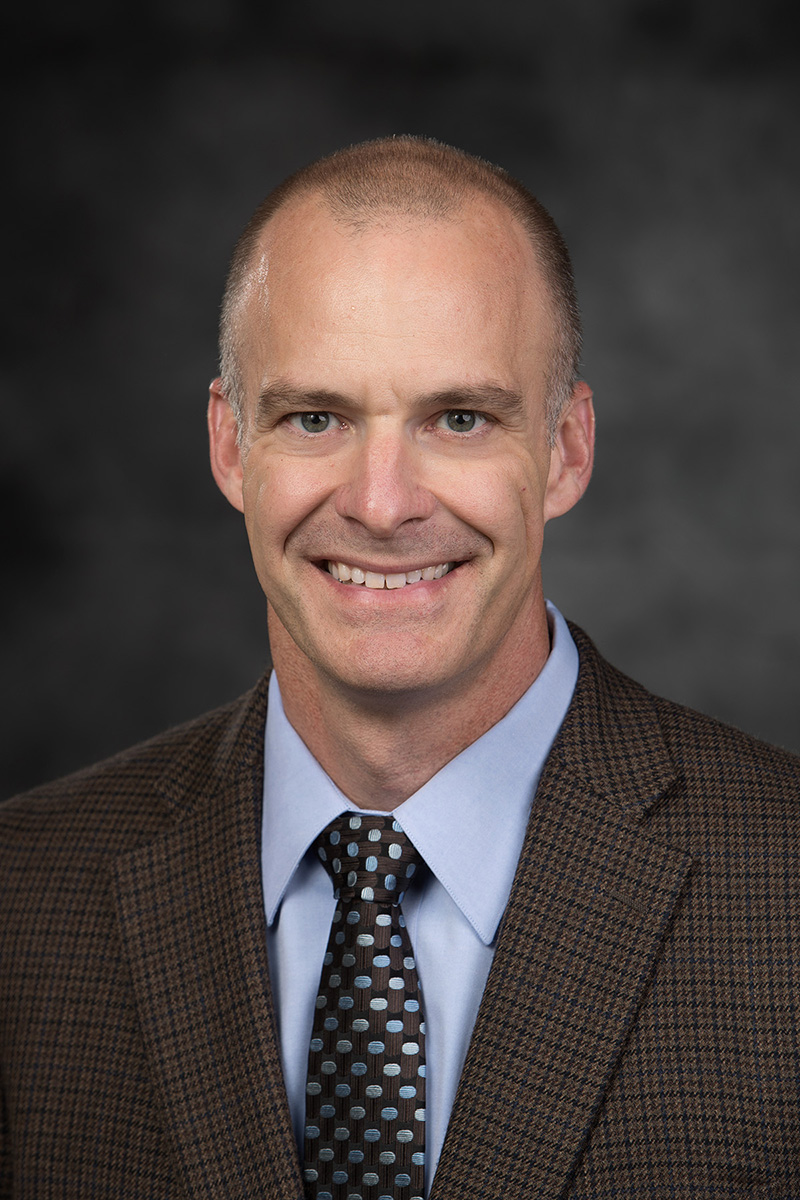
Michael Rader
- Associate Professor of Conservation and Parks Law Enforce…
Environment and Society
Our programs in the Environment and Society discipline provide hands-on experience in conservation, environmental science, and sustainability, preparing you for careers in fields like conservation planning, environmental education, conservation law enforcement, and environmental science and management. Through fieldwork, internships, and service-learning, you’ll develop the skills to protect natural resources and promote sustainability. Start your journey toward a meaningful career making an impact today.
College of Natural Resources
800 Reserve Street
Stevens Point, WI 54481-3897
715-346-4617
cnr@uwsp.edu
Follow Us
Timber Marking
Hands-On Training for the Future of Forest Management
The Timber Marking Certificate at the University of Wisconsin–Stevens Point is designed for students pursuing careers in forestry, timber management, logging, mill operations, or land stewardship. This 30-credit certificate delivers applied, field-based training in timber marking techniques, a critical skill in sustainable forest and land management.
Why Timber Marking?
- Timber marking is a foundational forestry skill used to select and mark trees for harvest based on landowner objectives, forest health, habitat improvement, and restoration goals.
- Through this certificate, you’ll gain the knowledge and experience to make informed decisions that impact forest composition, wildlife habitat, timber quality, and ecological integrity.
Who Should Pursue this Certificate?
This certificate is ideal for students who:
- Plan to work in forestry, logging, timber procurement, or mill operations
- Want to manage landscapes with trees—even outside a forest management major
- Are studying wildlife, resource management, or natural resources
- Intend to work in public or private land management, consulting, or resource planning
- Want a practical and employer-valued skill set that enhances their hireability
You don’t need to be in a Forest Management major; this certificate is designed for students across natural resource disciplines who will interact with forested landscapes in their careers.
What You Will Learn
You will develop skills in:
- Northern hardwood timber marking
- Timber stand improvement and thinning strategies
- Habitat enhancement through marking for wildlife goals
- Restoration-oriented marking to support ecosystem processes
- Field techniques for inventory, stand assessment, and decision-making
Through a combination of coursework and applied experiences, you will become proficient in marking timber to meet a wide variety of management objectives.
Program Details
- Credits: Minimum of 30
- Administered by: Forestry Discipline, College of Natural Resources
- Focus Areas:
- Timber quality improvement
- Habitat enhancement
- Restoration forestry
- Forest inventory and operations
- Format: In-person with significant field-based learning and technical skill development
Career Opportunities
Employers across the forestry and timber industries are looking for candidates with practical timber marking expertise. This certificate can lead to or enhance careers in:
- Timber Marker
- Procurement Forester
- Logging Operations Manager
- Forest Technician
- Land Manager
- Mill Procurement Agent
- Natural Resource Consultant
It’s also an excellent stepping stone for students seeking to enter state or federal agencies, forest product companies, or private consulting firms.
Learn More
Whether you’re headed into timber harvesting, habitat restoration, or land management, the Timber Marking Certificate gives you the tools to make confident, field-based decisions in a forested landscape.
Ready to learn more? Contact your academic adviser or visit the UWSP Catalog page to get started.
College of Natural Resources
800 Reserve Street
Stevens Point, WI 54481-3897
715-346-4617
cnr@uwsp.edu
Follow Us
Forest Health
Strengthen Your Skills in Tree and Forest Health Management
The Forest Health Certificate at the University of Wisconsin–Stevens Point is designed for students who want to understand and manage the complex challenges facing today’s forests, including insects, diseases, invasive species, and fire. Open to students from a wide range of natural resource backgrounds, this 23-credit certificate adds a valuable layer of expertise to your education and makes your resume stand out.
Why Choose this Certificate?
- Build applied knowledge in diagnosing and managing forest health threats
- Gain skills in pest and disease identification, fire ecology, and forest health planning
- Earn certifications valued by employers—including a Wisconsin pesticide applicator license and WI DNR Best Management Practices (BMPs) certificate
- Enhance your employability in state and federal agencies, consulting firms, municipalities, and private land management
Whether you’re pursuing a career in forestry, wildlife, biology, or natural resources, this certificate provides critical skills that employers are looking for in forest health-related positions.
Who Should Enroll?
This certificate is ideal for students who want to:
- Work in forest health, invasive species, or pest management
- Enhance a Forestry, Wildlife, Biology, or Environmental Science major
- Add technical qualifications to stand out in a competitive job market
- Understand how insects, diseases, fire, and human activity affect forests
- Gain recognized certifications that improve hiring potential
What You Will Learn
Through a mix of classroom instruction and hands-on experience, you will:
- Identify forest pests and diseases
- Understand fire’s role in forest ecosystems
- Develop management plans for invasive species
- Learn pesticide safety and earn certification
- Apply best practices for sustainable forest health management
The coursework is designed to be accessible to students across natural resources disciplines, even if your major does not specifically focus on forest or tree health.
Program Highlights
- Credits: 23
- Administered by: Forestry Discipline, College of Natural Resources
- Includes:
- Wisconsin Pesticide Applicator License (exam required)
- WI DNR Best Management Practices Certificate
- Format: In-person with field-based experiences
Career Opportunities
Completing the Forest Health Certificate can help you qualify for roles such as:
- Forest Health Specialist
- Invasive Species Coordinator
- Forest Pest Management Technician
- Natural Resources Educator
- Environmental Consultant
- Land Stewardship Technician
Employers in government agencies, NGOs, and private industry are seeking professionals with practical training in forest pathology, entomology, and fire ecology—all of which this certificate provides.
Learn More
Enhance your degree and your career potential with the Forest Health Certificate at UWSP. Gain certifications, field skills, and applied knowledge to protect forests and trees—one of our most vital natural resources.
Contact your advisor or visit the UWSP Catalog page to learn more.
Fire Science Certificate
Get Hands-On Experience in Wildlife Fire and Prescribed Burn Management
The Fire Science Certificate at the University of Wisconsin–Stevens Point prepares students to manage fire in natural environments through a combination of field experience, certifications, and coursework. Whether your interest lies in wildfire suppression, prescribed burns, or habitat restoration, this certificate delivers the foundational knowledge and practical training you need to work in fire-related natural resource management.
Why Earn This Certificate?
- Gain real-world skills in fire ecology, suppression, and prescribed burn planning
- Enhance your job prospects in forestry, wildlife, ecosystem restoration, and land management
- Complete required fieldwork including firefighting certifications and prescribed fire experience
- Build expertise in managing hazardous fuels, predicting fire behavior, and mitigating wildfire risk
Land management agencies, federal, state, and private, actively seek employees with fire science training. This certificate helps you stand out as a job candidate with specialized qualifications in a high-demand field.
Who Should Consider the Fire Science Certificate?
The Fire Science Certificate is ideal for students pursuing careers in:
- Natural resource management (forestry, wildlife, water, soil)
- Wildland fire suppression and prevention
- Prescribed fire planning for habitat and ecosystem restoration
- Urban forestry and wildland-urban interface (WUI) planning
- Utility vegetation management and fire risk mitigation
It complements majors like Forestry, Wildlife Ecology, Environment and Society, and other disciplines within the College of Natural Resources.
What You Will Learn
This skills-based program focuses on:
- Fire ecology and fire behavior prediction
- Prescribed and managed fire for resource benefit
- Wildfire suppression and fuels management
- Fire prevention and monitoring
- Federal firefighting standards and certifications
The certificate includes coursework and requires field experience, which may involve prescribed burns at UWSP or summer fire jobs with fire crews or agencies.
Program Details
- Total Credits: Minimum of 16
- Includes:
- 2 National Wildfire Coordinating Group (NWCG) training modules
- Prescribed burn experiences OR completion of a summer job with fire-related duties
- Administered by: Forestry Discipline, College of Natural Resources
- Format: In-person with applied training components
Career Opportunities
This certificate boosts your credentials for positions with:
- U.S. Forest Service and National Park Service
- State DNRs and fire protection agencies
- Tribal and local fire crews
- Environmental consulting firms
- Utility companies and municipal vegetation management teams
Employers value applicants with both academic training and hands-on fire experience, and this certificate delivers both.
Learn More
Take your natural resources education to the next level with UWSP’s Fire Science Certificate. Learn how to safely and effectively use fire as a management tool—while building qualifications that open doors to exciting and essential careers.
Talk to your advisor or visit the UWSP Catalog page to learn more.
College of Natural Resources
800 Reserve Street
Stevens Point, WI 54481-3897
715-346-4617
cnr@uwsp.edu
Follow Us
Trees and Greenspace Management
Learn to Manage Green Spaces, From Backyards to Urban Parks
You can get a minor or a certificate in Trees and Greenspace Management at the University of Wisconsin–Stevens Point (UWSP), equipping students with practical, hands-on knowledge for managing landscapes that include trees and vegetation. Whether you’re interested in urban forestry, landscape care, or managing your own backyard, this program gives you the tools to maintain healthy, functional green spaces in both personal and professional settings.
Why Choose Trees and Greenspace Management?
- Gain practical skills for managing trees and green spaces
- Enhance your career potential in industries where green space management is needed but under-supported
- Learn techniques you can use at home or in small-scale commercial landscaping
- Build knowledge in tree health, maintenance, and urban greenspace planning
Trees and Greenspace Management is open to students from all majors (except those in the Urban and Community Forestry option) and is especially valuable for students who want to bring tree and greenspace expertise into fields like business, real estate, landscape design, facilities management, education, or sustainability.
Who Should Consider Trees and Greenspace Management?
The Trees and Greenspace Management Minor or Certificate is perfect for:
- Students in non-forestry majors who want practical tree and landscape knowledge
- Those interested in small business or property management
- Future professionals in landscape design, environmental education, or green infrastructure
- Anyone looking to increase their marketability in sectors that value environmental aesthetics and function
You don’t need a background in natural resources, just an interest in improving the green spaces around you.
What You Will Learn
This program provides a well-rounded introduction to:
- Tree biology and identification
- Urban tree care and maintenance
- Soil and water management for green spaces
- Pest, disease, and invasive species control
- Sustainable landscape and greenspace design
Students gain real-world skills that are applicable to both personal landscaping and small-scale commercial or municipal projects.
Career Opportunities
This program enhances your employability in a variety of fields:
- Commercial landscaping and groundskeeping
- Parks and recreation departments
- Real estate and property management
- Environmental education and outreach
- Sustainability consulting and urban planning
With this skill set, you’ll stand out in industries where green space adds value, but full-time professional managers may not be present.
Program Details
- Credits Required: Minimum of 28 credits (22–24 core credits + electives)
- Eligibility: Open to all majors except Urban & Community Forestry option students
- Administered by: Forestry Discipline, College of Natural Resources
- Format: In-person coursework with applied learning opportunities
Learn More
Learn more about enrolling in the Trees and Greenspace Management Minor at the UWSP Catalog page or talk to your adviser today.
College of Natural Resources
800 Reserve Street
Stevens Point, WI 54481-3897
715-346-4617
cnr@uwsp.edu
Follow Us