
Philosophy: Environmental Ethics
OPEN A WORLD OF POSSIBILITY WITH A UW-STEVENS POINT DEGREE IN PHILOSOPHY WITH AN EMPHASIS IN ENVIRONMENTAL ETHICS
Environmental ethics explores questions concerning the values, beliefs and attitudes that influence how people relate to the environment. We train students to navigate diverse perspectives skillfully, to reflect on the ethics of these perspectives, and to communicate clearly and persuasively about environmental issues. Graduates with this major find employment in the nonprofit sector working for environmental advocacy, conservation, sustainable food systems, alternative energy, and environmental education.
Environmental Ethics at UWSP has a proud history, as one of the oldest such programs in the nation. The first course in Environmental Ethics offered anywhere was offered here at UW-Stevens Point, in 1971. The enormity of environmental concerns and the need for an ethical response to those issues has resulted in the rapid spread of the environmental ethics concept.
Department of Philosophy and Religious Studies
Why Study Environmental Ethics at UW-Stevens Point?
Our students benefit from deep knowledge in the field of environmental ethics. Our program is the oldest in the UW system. Students may pursue a bachelor’s of science or bachelor’s of arts major in Philosophy with an Emphasis in Environmental Ethics. They can find employment in the nonprofit sector working for environmental advocacy, conservation, sustainable food systems, alternative energy, and environmental education.
Awards and Scholarships
The Philosophy Department has scholarships to currently enrolled students. Students are notified of available scholarships in class and via email at the beginning of the spring semester. In April, and after scholarships have been awarded, students, parents, family members, and faculty come together to honor awardees at our Annual Department Awards Ceremony.
ALUMNI VOICES
Philosophy helped them carve a path to fulfilling careers. UWSP Department of Philosophy alum from 1994- 2019 share their graduate stories!
Graduate School Preparation
For those whose career path leads through graduate school, the Philosophy major offers great preparation. Nationwide, students who major in Philosophy score higher on law school entrance exams (LSAT) that almost all other majors. Philosophy majors also have a higher rate of acceptance to medical school than students who studied Biology or Chemistry.
WHAT TO EXPECT
Students in Philosophy with Environmental Ethics take a core of Philosophy classes in critical thinking, ethics, and the history of Philosophy, along with focused classes in Environmental Ethics and a senior seminar. A selection of interdisciplinary courses from Natural Resources and other disciplines also are included in the electives for this major. Most of the classes in the major are small and discussion-focused, stressing independent thinking and active learning.
Students with a major in Philosophy with an emphasis in Environmental Ethics train in the skills employers are looking for including critical thinking, advanced writing and research, and clear argumentation.
Students with outstanding original work have the opportunity to present their research at the College of Letters and Science Undergraduate Research Symposium, held each spring. Internships and creative experiential learning opportunities give majors hands on experience in professional settings.
GET INVOLVED ON CAMPUS
Philosophy students are active in many student organizations, including the Student Government Association, and are frequently included in the ranks of the Chancellor’s Albertson Student Leadership Award winners.
The Philosophy Club of UWSP is a student organization dedicated to promoting and maintaining a mature and professional environment for students interested in the field of philosophy and philosophical discussion. Regular activities include student facilitated conversations about controversial and topical issues. Faculty also attend some meetings to share some of their own work with students. The club welcomes all students. For further information, please contact the faculty advisor to the Philosophy Club, Jason Zinser.
Phi Sigma Tau is the international honor society for the study of philosophy. The purpose of Phi Sigma Tau is to cultivate interest in philosophy among students and to celebrate high achievement in the study of philosophy. Phi Sigma Tau publishes a journal, Dialogue, for student contributions in all areas of contemporary philosophical research. For further information, please contact the faculty advisor to Phi Sigma Tau, Jason Zinser.
More opportunities can be found on the Stevens Point Involvement Network (SPIN).
MEET YOUr faculty
UW-Stevens Point philosophy faculty ensure students read carefully, think critically, communicate effectively and participate meaningfully in environments characterized by cultural, religious and philosophical diversity.
Archives: Faculty / Staff Profiles – Faculty / Staff Directory


Dona Warren
- Professor of Philosophy
- Critical Thinking Center Head
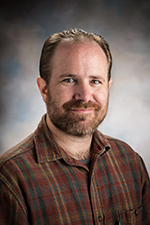
Ryan O’Leary
- Lecturer in Religious Studies
- Academic Success Associate

Shanny Luft
- Associate Professor of Religious Studies
- Director of General Education