Community Health

Study the exciting health industry

The UWSP community health minor provides coursework that meets the standards required for graduates to qualify for the Community Health Education Specialist (CHES®) credential examination. You will gain experience in community assessment of needs and capacity, planning, implementation, evaluation and research, advocacy, communication, leadership and management, and ethics and professionalism.

The community health minor will provide you with a distinct education to pursue industry leading certification and careers in settings such as public health agencies, hospital community health, employee wellness centers, and health advocacy organizations.

The UWSP community health minor is part of the UWSP-South Wood County academic community partnership, and students complete the required practicum course in collaboration with community organizations working to improve health in Central Wisconsin.

At UW-Stevens Point, this minor consists of a minimum of 30 credits.

Course Catalog

School of Health Sciences and Wellness

Programs

School of Health Sciences and Wellness
D127 Science Building
2001 Fourth Ave.
Stevens Point, WI 54481-3897
715-346-3766
health@uwsp.edu
College of Professional Studies

Medical Laboratory Science – Medical Laboratory Technician to Medical Laboratory Scientist

Employee and Organizational Wellbeing

Wellness in the workplace

The employee and organizational wellbeing certificate is administered by the area of Health Sciences and Wellness in the School of Health Sciences and Wellness.

This certificate prepares students from business, wellness, or other health studies with the knowledge and skills to create an organizational culture of wellbeing and manage a successful wellness program. Wellbeing concepts are incorporated in healthcare settings, workplaces, and in community outreach and business leaders indicate employee health is a top priority to attract and retain talent.

What to Expect?

Workplace wellbeing programs encompass employee activities and employer-sponsored benefits to promote positive health-related behaviors in employees. Employee wellbeing is the overall measure of an employee’s mental and physical health stemming from factors in and out of the office. Employers are increasing their wellness offerings and commitment to supporting the health of their employees to reduce healthcare costs, work injury, and improve employee productivity, resilience, satisfaction and morale.

Wellness programs are increasing among U.S. employers and are becoming part of organizational culture leading to an increased need for qualified health promotion professionals to create, operate and oversee these programs. U.S. Department of Labor and U.S. Department of Health and Human Services report found that 80% of U.S. businesses with more than 50 employees offered corporate wellness programs.

  • Large Employers: Approximately 84% of large employers (those with 200 or more workers) offer workplace wellness programs. (Harvard Business Review, 2024)
  • Small Businesses: Around 54% of small businesses offer at least one wellness program.
  • Overall: More than three-quarters of employers indicated that their company offered some type of wellness program, resource, or service to their employees.

Need for Professionals

Workplace wellness and wellbeing is now a corporate priority post-COVID. In 2024, 86% of employers offer mental health support, while 45% of organizations plan to increase spending on wellness programs, 51% expect to maintain their current investment, and only 4% foresee a decrease.

Worksite wellness focuses on establishing and maintaining a healthy environment in the workplace, by promoting and encouraging employees to lead a healthy lifestyle through wellness programming. The programs and the type of professionals needed include:

  • smoking cessation (Wellness, Health Coaching, Nursing)
  • biometric screenings (Nursing, Medical Lab Science, Wellness, Health Coaching, Nutrition)
  • mental health, stress and resilience training (Health Science and Wellness, Psychology, Pre-phyiscal therapy, pre-athletic training, Nursing, Nutrition, Coaching)
  • weight loss (Nutrition, Health Science and Wellness, Pre-phyiscal therapy, pre-athletic training, Nursing, Coaching)
  • back health, injury prevention, and ergonomics (Pre-phyiscal therapy, pre-athletic training, pre-occupational therapy, Strength and Conditioning)
  • fitness classes (Pre-phyiscal therapy, pre-athletic training, pre-occupational therapy, Strength and Conditioning, Wellness)

This certificate prepares students to create programs that build a strong culture of health while developing knowledge and skills to manage successful wellness programs. Wellbeing concepts are incorporated in healthcare settings, workplaces, and in community outreach and business leaders indicate employee health is a top priority to attract and retain talent.

Course Catalog

School of Health Sciences and Wellness

Programs

School of Health Sciences and Wellness
D127 Science Building
2001 Fourth Ave.
Stevens Point, WI 54481-3897
715-346-3766
health@uwsp.edu
College of Professional Studies

Strength and Conditioning

Study the exciting health and fitness industry

The strength and conditioning minor is designed for students interested in applying scientific knowledge to design, implement and train individuals with the goals of improving health, fitness and/or performance. Students will gain expertise in leading exercise assessments, creating workouts and coaching proper exercise techniques to provide effective strength and conditioning programs.

The strength and conditioning minor will give you a distinct education and the ability to sit for the Certified Strength and Conditioning Specialist (CSCS) examination through the National Strength and Conditioning Association.

Career settings include colleges, high schools, professional sports teams, sports medicine clinics and fitness facilities. The exercise performance minor will equip students with the professional knowledge, skills, and abilities needed to meet industry standards and be successful.

At UW-Stevens Point, this minor consists of a minimum of the 36 credits below. Students majoring in health science and wellness can complete the strength and conditioning minor with just an additional 12-15 credits.

Course Catalog

School of Health Sciences and Wellness

Programs

School of Health Sciences and Wellness
D127 Science Building
2001 Fourth Ave.
Stevens Point, WI 54481-3897
715-346-3766
health@uwsp.edu
College of Professional Studies

Food and Nutrition for Health and Wellness

Study food as medicine

The food and nutrition for health and wellness undergraduate certificate at UW-Stevens Point appeals to future health professionals who have interest studying in food as medicine.

Through the courses in this certificate, you will gain:

  • Hands-on, food prep skills and cooking experience 
  • Strong background in evidence-based, healthy eating guidelines  
  • Experience developing food and nutrition education programs 

Course Catalog

School of Health Sciences and Wellness

Programs

School of Health Sciences and Wellness
D127 Science Building
2001 Fourth Ave.
Stevens Point, WI 54481-3897
715-346-3766
health@uwsp.edu
College of Professional Studies

Family and Consumer Sciences Accelerated Teacher Licensure

School of Health Sciences and Wellness

Programs

School of Health Sciences and Wellness
D127 Science Building
2001 Fourth Ave.
Stevens Point, WI 54481-3897
715-346-3766
health@uwsp.edu
College of Professional Studies

Health Science and Wellness

Study Both Disease and Well-Being

The health science and wellness major at UW-Stevens Point provides you with broad skills and opportunities for a variety of careers within the health field. The interdisciplinary major will prepare you for the art of working with people and the science of health and disease. Around the world, UW-Stevens Point is considered the  home of wellness. We bring this into the classroom, preparing you to be a resilient health and wellness professional.

Why study Health Science and Wellness at UW-Stevens Point?

The curriculum is designed to support you throughout your time at UW-Stevens Point – from a student success course to pre-professional retreat and capstone or internship. Additional core courses emphasize leadership, person-centered communication, professional and personal resilience, and critical thinking, which are crucial skills needed in health occupations.

Health Science and Wellness

Hired Before Graduation

Zoe Kramer

Zoe Kramer was hired before graduation at Crystal Training Institute in Mosinee as a movement coach/app specialist.

 
Family and Consumer Sciences – Child Life and Family Studies

Insights of Interns

Mikayla Toboyek

Mikayla Toboyek interned at the Marshfield Clinic as an innovation, quality and patient safety intern.

 
Health Science and Wellness

Alumni Map

Where are they now?

UW-Stevens Point alumni live and work all over the world—so if you’re looking for networking opportunities close to a new home or contact info for fellow Pointer in another city, you’re in luck. Looking for a fellow Pointer near you or want to add your pin? Start with our map.


Health Career Opportunities

Students in the health science and wellness major enjoy a wide variety of academic and career opportunities that complement their core major requirements. Share your interests and goals with an adviser in the School of Health Sciences and Wellness Student Success Center so we can help you reach your goals!

Learn more about each of the opportunities below:


Clinician Degree

A Pathway to Advance Your Allied Health Career

The Health Science and Wellness – Clinician Degree Option at UW-Stevens Point is a bachelor’s degree completion program for clinical allied health professionals. Step into career advancement by earning your bachelor’s degree, enhancing your expertise, and gaining valuable leadership skills. Diversify your healthcare knowledge and prepare for greater opportunities in the growing healthcare field.

The Best of Both Worlds:  Combining Physical Health with Wellness

This program offers a unique opportunity to study both health science and wellness, equipping you with an understanding of physical health, mental health, healthcare administration, and overall wellness. By integrating these critical areas, you’ll gain the skills needed to deliver holistic care that meets the diverse needs of today’s healthcare environment.

Transfer Your Credits

Students must transfer a minimum of 30 credits* from an allied health program to apply toward a Bachelor of Science in Health Science and Wellness. UW-Stevens Point can accept any number of credits and could apply up to 72 from a technical college towards their bachelor’s.

*Students with smaller allied health programs (<30 credits) who did not earn 30 credits in their allied health program can complete a Health and Wellness Coaching Certificate (12 credits) at UW-Stevens Point to meet the credit requirement.

Professional Eligibility

Applicants must be eligible for or hold a current registration, certification, or licensure in a clinical allied health discipline.

Flexible Options Designed for Working Adults

  • Customize Your Education: Take 18 credits of core Health Science and Wellness courses; you choose the classes that best match your goals and interests.
  • Convenient Learning Formats: Program available 100% online, in person, or as a hybrid option.
  • Pace That Works for You: Complete your bachelor’s degree part-time or full-time each semester.
  • Year-Round Course Offerings: Take advantage of courses offered during winter and summer to accelerate your progress, skills and knowledge.

Examples of Eligible Allied Health Programs

  • Dental Assistant
  • Dental Hygienist
  • Health and Wellness Coach
  • Massage Therapist
  • Medical Assistant
  • Medical Billing and Coding
  • Medical Laboratory Technician
  • Nursing (LPN, RN)
  • Occupational Therapy Assistant
  • Paramedic
  • Physical Therapy Assistant
  • Radiography
  • Respiratory Therapist
  • Sonography

This is not an exhaustive list. Please contact us to determine if your program meets our criteria.

Take the Next Step in Your Career

Advance your skills, expand your career opportunities, and earn your bachelor’s degree with the Health Science and Wellness – Clinician Degree Option program at UW-Stevens Point. Start your journey today! Email us with a copy of your unofficial transcripts to receive an estimate on how many credits are needed to complete this program.
3+2 Dual Degree – Athletic Training

Sample Graduation Plan

Accelerated Bachelor’s + Master’s – 3+2 Dual Degree

Students can complete a B.S. in Health Science and Wellness and an M.S. in Athletic Training in five years. Incoming and first-year students should declare Health Science and Wellness, BS + MS-AT (3+2 Dual Degree) as their major for proper advising.

  • Year 1: Declare your major and review the 3+2 requirements with your advisor
  • Year 2 and 3: Complete HSW 3+2 undergraduate degree requirements and maintain retention standards for the program.
  • Start of Year 3: Complete the application for Admission into the MS-AT program.
  • Year 4: Start the 2-year MS-AT curriculum. 15 credits from the MS-AT count in both bachelor’s and master’s degrees.

Retention Standards for the 3+2 Program

Students declared 3+2 Dual Degree majors must meet retention standards and are not guaranteed admission to the MS-AT. To maintain good standing and be eligible to apply to the MS-AT program, 3+2 students must:

  1. Maintain an undergraduate cumulative GPA of 3.0 or higher
  2. Attain a C grade in prerequisite coursework for the MS-AT.
    • BIO 101, Chem 101/105, Physics 101/203, BIO 287 or 387, HSW 312 and 375, HSW 301 or MATH 255, PSYC 101 and FN 354.

3+2 students not accepted into the MS-AT will transition to the traditional 4-year plan for HSW – Pre-Athletic Training. Students can reapply to the MS-AT program. Proactive advising is key to a 3+2 student’s success – please make sure to seek out your early career adviser in the Academic and Career Advising Center, visit the SHSW Student Success Center, or stop in to talk to one of the MS-AT faculty in the Science Building.

Pre-Athletic Training

Athletic training encompasses the prevention, examination, diagnosis, treatment, and rehabilitation of emergent, acute, or chronic injuries and medical conditions. Services provided by athletic trainers include primary care, injury and illness prevention, wellness promotion and education, emergent care, examination and clinical diagnosis, therapeutic intervention and rehabilitation of injuries and medical conditions. Becoming a licensed athletic trainer involves completing a Master of Science in Athletic Training program.

Pre-Physical Therapy

Physical therapists are movement experts who improve quality of life through prescribed exercise, hands-on care, and patient education. They work with multiple patient populations and people impacted by disease, injury, disability, and movement dysfunction. Becoming a licensed PT involves completing a Doctor of Physical Therapy (DPT) program.

Community Health

Pursue industry leading certification and careers in settings such as public health agencies, hospital community health, employee wellness centers, and health advocacy organizations.

Employee and Organizational Wellness

Businesses and organizations of all types often invest in their staff by having a program designed to holistically support employee wellbeing, including all aspects of wellness.

Food and Nutrition

Enhance your knowledge about how food and dietary patterns influence wellbeing in ways behind nutrients. Become a health and wellness professional who incorporates knowledge of food and cooking in disease prevention and treatment.

Health and Wellness Coaching

As a health and wellness coach, you will guide individuals during their transformative journey of achieving lasting changes and enhanced well-being by helping them overcome hurdles, surpass limitations and tap into their own unrealized personal and professional potential.

Healthcare Administration

Every medical organization needs leaders who understand the complexities of health and wellness along with elements of business. Healthcare administration professionals may work in functional areas such as financial management, quality assurance, patient and employee advocacy and more. Additionally, people with interest in this area may find a good fit within companies related to healthcare, such as insurance companies or medical equipment facilities.

  • Classes to add to your degree plan for route: Business Administration minor, Econ 111, Econ 324
Strength and Conditioning

Exercise performance professionals teach and/or coach individuals’ lifelong fitness and movement skills in a variety of settings. Courses in this program are designed to prepare students for additional certifications in athletics, exercise, and fitness professions. Woven into this curriculum is real-world, hands-on skills application.

What to Expect?

Graduates in the field of health science and wellness are employed in a wide variety of health-related careers. Whether located in a corporate, community, hospital, or educational setting, professionals are actively involved in facilitating behavior change and promoting healthy lifestyles. Possible career options include: 

  • athletic trainer* 
  • physical therapist* 
  • occupational therapist* 
  • health coach
  • exercise physiologist* 
  • wellness center manager 
  • fitness specialist 
  • health educator 
  • employee wellness director 
  • community outreach coordinator 
  • nursing home administrator 
  • patient access coordinator 

*Requires advanced degree. 

Get Involved on Campus

Joining a health-related student organization, you may help with blood drives, raise funds for overseas orphanages, attend state and national conferences, strategize and plan for graduate school, and network with professionals from allied health care fields.

  • Health Care Organization
  • National Wellness Institute
  • Sports Medicine Club
Health Science and Wellness

Navigate Your Major

Major Maps help students map their first day to the first job in their chosen field. While a four-year plan outlines classes to get a degree, Major Maps help students learn how to build career-ready skills and experiences outside the classroom. Each Major Map shows how students can get the most of their UW-Stevens Point journey from enrollment to graduation and beyond. It’s a roadmap to discovering your purpose!


Meet Your Faculty and Staff

The faculty and staff members  of the School of Health Sciences and Wellness are committed to developing professionals who study, promote and model lifelong wellness for individuals, families and communities, building a stronger, healthier community. 

View all our faculty/staff
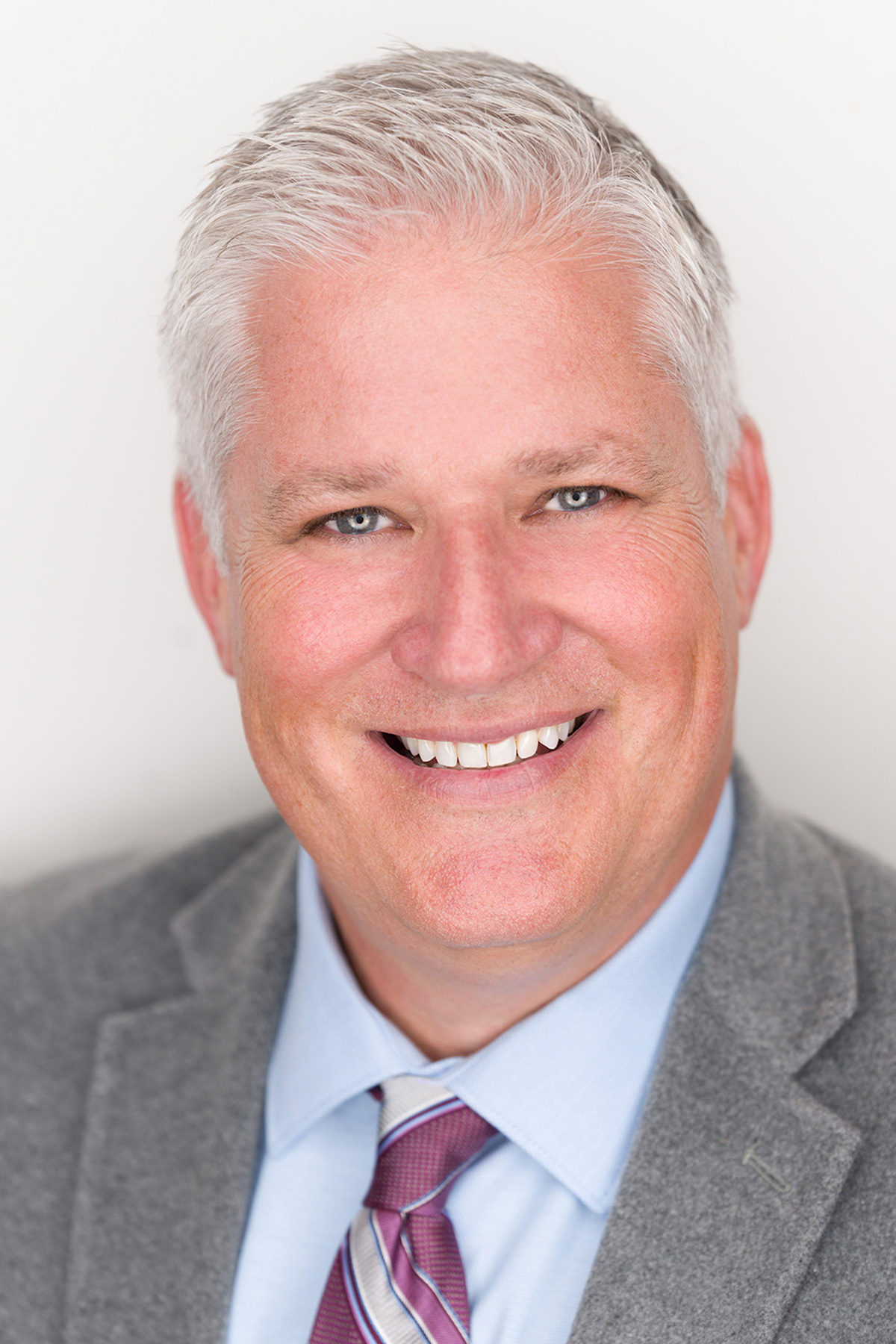
Profile Photo: Beth Kinslow

Beth Kinslow

  • Assistant Professor – M.S. in Athletic Training
  • Clinical Assessment Coordinator – M.S. in Athletic Training
  • [ More… ]
B137 Science Building
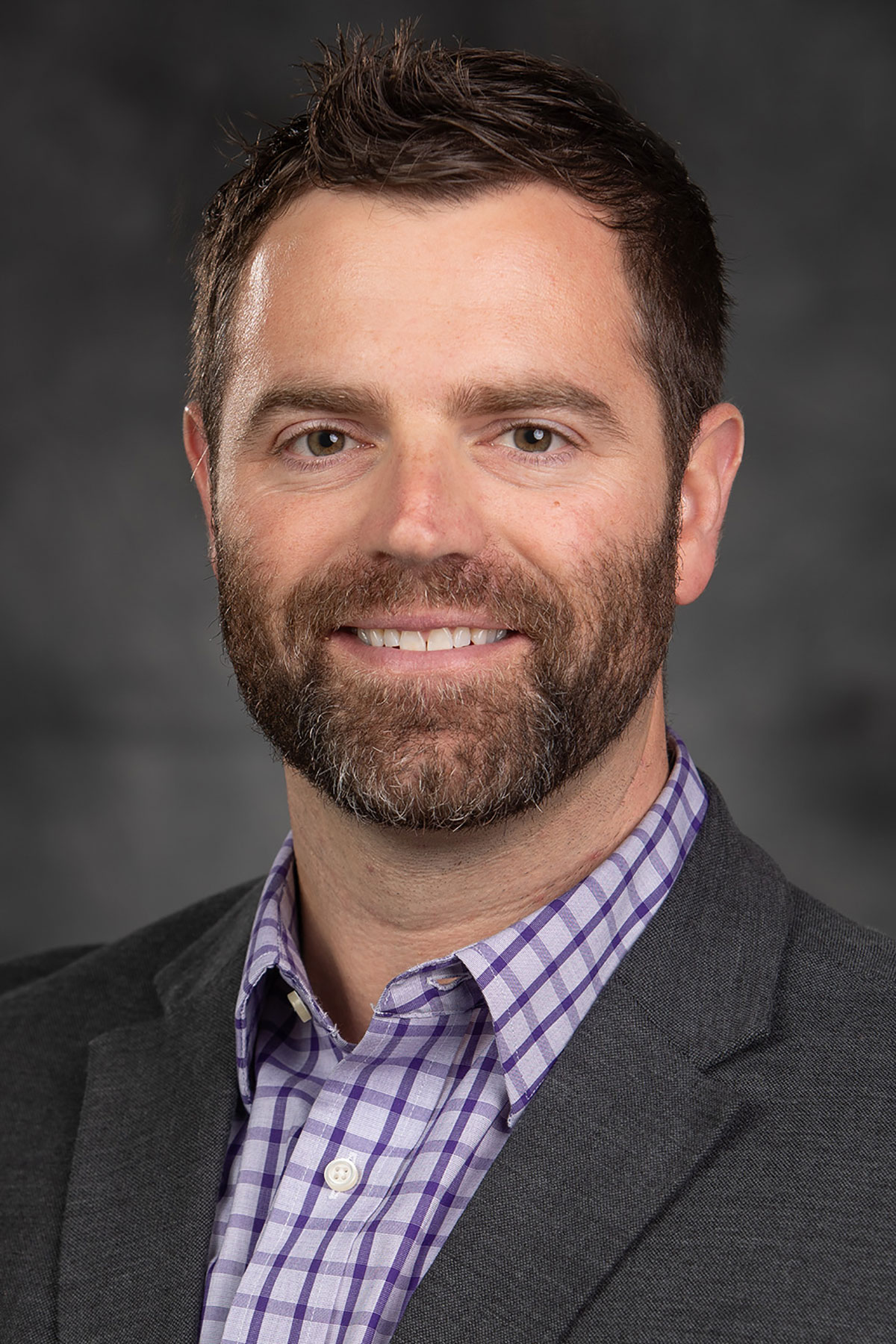
Profile Photo: Brian Krolczyk

Brian Krolczyk

  • Assistant Professor – Health Sciences and Wellness
  • Executive Health – MBA
  • [ More… ]
D143 Science Building
Profile Photo: Corey Huck

Corey Huck

  • Professor – Health Sciences and Wellness
214 College of Professional Studies
Profile Photo: Sallie Scovill

Sallie Scovill

  • Professor – Health Sciences and Wellness
  • Coordinator – UW-Stevens Point Employee Wellness
238B College of Professional Studies

Accreditation

NWI Accreditation

UW-Stevens Point was the first in the United States to achieve accreditation by the National Wellness Institute.


School of Health Sciences and Wellness

Programs

School of Health Sciences and Wellness
D127 Science Building
2001 Fourth Ave.
Stevens Point, WI 54481-3897
715-346-3766
health@uwsp.edu
College of Professional Studies

Youth Programming

develop programs for youth

The youth programming minor at UW-Stevens Point prepares students to develop programs and work with children and adolescents in a variety of fields. Students must earn a grade of C or better in each course utilized to satisfy this minor.

Categories and Courses

The minor includes courses with a minimum of 27-29 credits in 6 different categories:

  • Human Development
  • Diversity/Inclusivity
  • Special Populations
  • Program Development
  • Leadership/Management
  • Fieldwork

Course Catalog

School of Health Sciences and Wellness

Programs

School of Health Sciences and Wellness
D127 Science Building
2001 Fourth Ave.
Stevens Point, WI 54481-3897
715-346-3766
health@uwsp.edu
College of Professional Studies

Family and Consumer Sciences

Help youth and families Flourish in their communities

The family and consumer sciences (FCS) major at UW-Stevens Point, offered on campus and 100% online, is one of the largest FCS programs in the country. Our program, which is approved by the National Council on Family Relations (NCFR) and provides coursework that meets the standards required for graduates to obtain the Certified Family Life Educator (CFLE) designation, offers two options: 

  • Child Life and Family Studies: Be nationally certified to work with families in a variety of environments, agencies and programs. Child life and family studies graduates are often employed in community-based education, childcare settings, adoption agencies, family crisis centers and eldercare programs. Completion of 10 specific courses fulfills the academic requirements on the path to becoming a  child life specialist. 
  • Certified Teacher Education: Be certified to teach family and consumer sciences in elementary and secondary schools and technical institutions or community colleges. 

Why study Family and Consumer Sciences at UW-Stevens Point?

As part of your training you have the opportunity to put your skills to use working side-by-side with professionals such as student teaching in an FCS classroom or interning at foster care agencies, YMCAs or Boys and Girls Clubs in positions that often lead to jobs after graduation. In preparation for a diverse and global world, students are also encouraged to participate in one of our diversity immersion service learning programs. Past programs included projects in Romania, China, Puerto Rico and the Cheyenne River Sioux Tribe Reservation in South Dakota. 


Option: Child Life and Family Studies

Child life and family studies students at UW-Stevens Point are nationally certified to work with families in a variety of settings, agencies and programs. Graduates take positions working in childcare, youth centers, adoption agencies, family crisis and elder care programs. Additionally, the Child Life Specialist Preparation Certificate leads to an occupation in which child life specialists provide evidence-based, developmentally appropriate interventions including therapeutic play, preparation and education that reduce fear, anxiety, and pain for children and youth.


Option: FCS Teacher Education

Become certified to teach family and consumer sciences in elementary and secondary schools and technical institutions or community colleges through the family and consumer sciences-teacher education program at UW-Stevens Point.

As part of your training you have the opportunity to put your skills to use working side-by-side with professionals such as student teaching in an FCS classroom.

 
Family and Consumer Sciences – Teacher Education

Hired Before Graduation

Macey Newby

Macey Newby was hired before graduation at D.C. Everest Senior High School as a family and consumer sciences teacher.

 
Family and Consumer Sciences – Child Life and Family Studies

Insights of Interns

Jessica Lange

Jessica Lange interned with the UWSP Academic and Career Advising Center as an academic peer adviser where she led group meetings for first-year students on topics including campus resources, the registration process, and major and career exploration.

 
Family and Consumer Sciences

Alumni Map

Where are they now?

UW-Stevens Point alumni live and work all over the world—so if you’re looking for networking opportunities close to a new home or contact info for fellow Pointer in another city, you’re in luck. Looking for a fellow Pointer near you or want to add your pin? Start with our map.


What to Expect? 

As a family and consumer sciences major, you’ll learn about issues that influence individuals, families, and communities. Your learning experiences will cover topics related to basic human needs such as food, shelter, and clothing, and complex matters like child development, consumer economics, and family relationships, equipping you for a variety of career options, such as: 

  • FCS teacher in middle and high schools 
  • community agency director 
  • child life specialist 
  • sexual assault victims advocate 
  • family life and parenting coach 

An undergraduate degree in family and consumer sciences also prepares you to complete a  graduate-level teaching licensure program  or pursue a master’s degree in fields such as: 

  • community and organizational leadership 
  • guidance and counseling 
  • marriage and family therapy 
  • social work 
  • student affairs 

Get Involved on Campus

Recognized nationwide, our student organizations present at conferences from Wisconsin Dells to San Diego. Students network with professionals and stay up-to-date on contemporary issues in the field.

Family and Consumer Sciences

Navigate Your Major

Major Maps help students map their first day to the first job in their chosen field. While a four-year plan outlines classes to get a degree, Major Maps help students learn how to build career-ready skills and experiences outside the classroom. Each Major Map shows how students can get the most of their UW-Stevens Point journey from enrollment to graduation and beyond. It’s a roadmap to discovering your purpose!

 
United Kingdom

Study Abroad

International Perspectives on Family and Consumer Sciences

Through excursions in the United Kingdom, Ireland, and Norway, readings, and discussions, students will explore research, practice, and education related to the field of FCS. Some of the trip highlights include a day trip to Stonehenge, Bath, and Windsor Castle, tour of Lochcarron tartan manufacturer, tea at Edinburgh Castle, visit to Atlantic Technological University St. Angelas in Sligo, day trip to Blarney Castle, and Norwegian fjords.


Meet Your Faculty and Staff

The faculty and staff members  of the School of Health Sciences and Wellness are committed to developing professionals who study, promote and model lifelong wellness for individuals, families and communities, building a stronger, healthier community. 

View all our faculty/staff
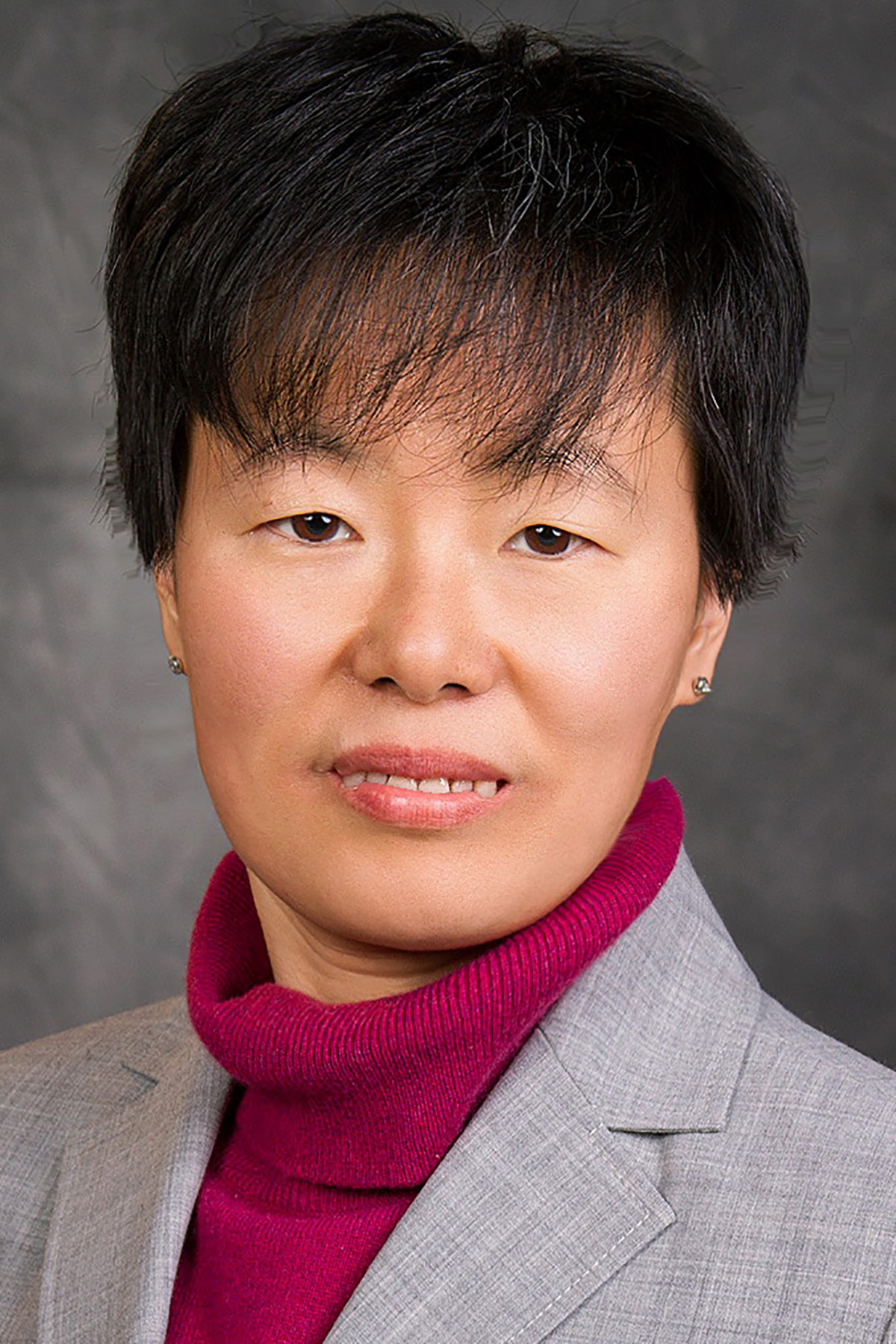
Profile Photo: Cuiting Li

Cuiting Li

  • Program Director – Family and Consumer Sciences
  • Professor – Family and Consumer Sciences
238C College of Professional Studies
Profile Photo: Sterling Wall

Sterling Wall

  • Professor – Family and Consumer Sciences
  • Coordinator – Child Life Specialist Program
207 College of Professional Studies
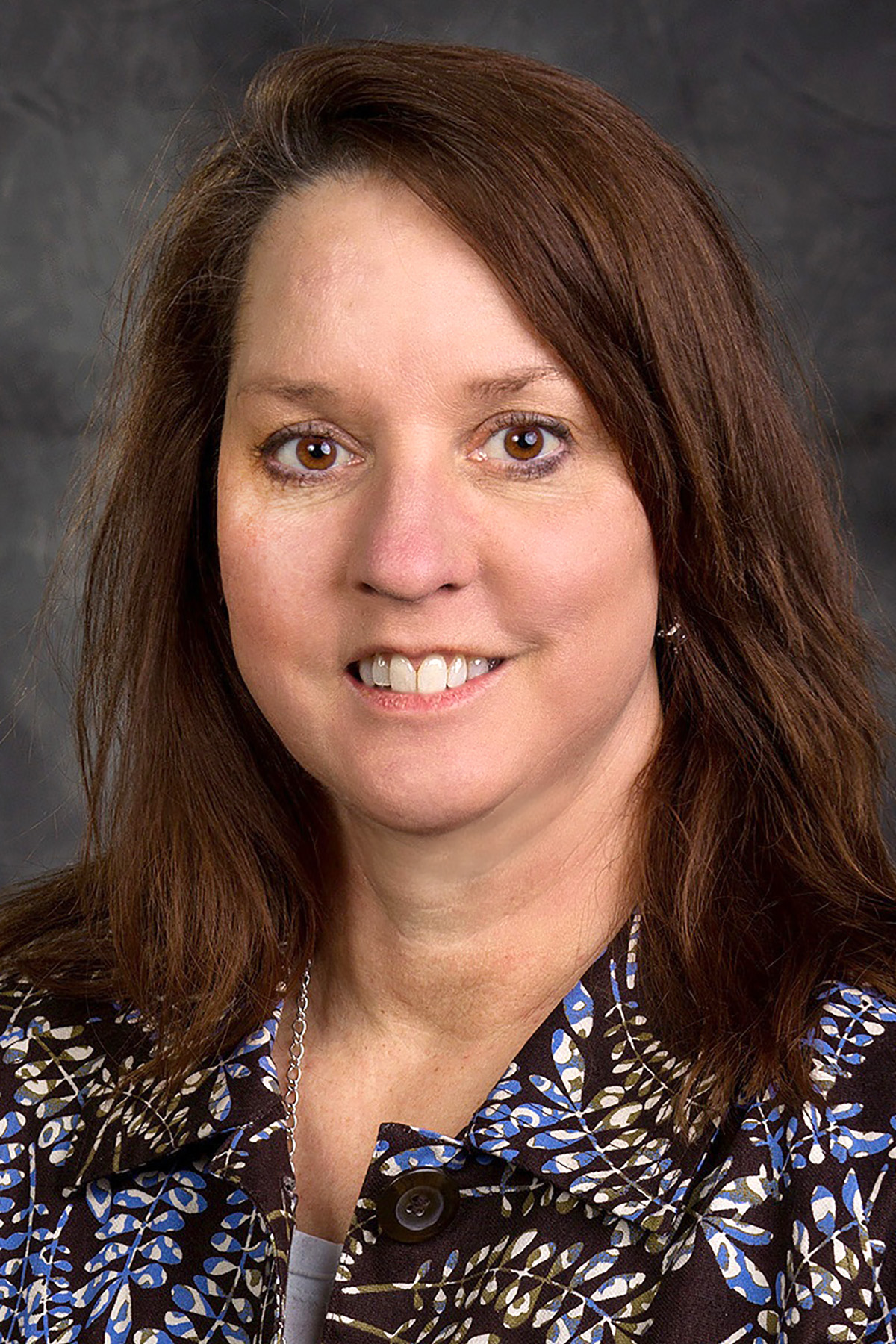
Profile Photo: Susan Turgeson

Susan Turgeson

  • Professor – Family and Consumer Sciences
  • Coordinator – Family and Consumer Sciences Education Prog…
302 College of Professional Studies

DPI Accreditation

UW-Stevens Point’s teacher education programs are accredited by the Wisconsin Department of Public Instruction.


School of Health Sciences and Wellness

Programs

School of Health Sciences and Wellness
D127 Science Building
2001 Fourth Ave.
Stevens Point, WI 54481-3897
715-346-3766
health@uwsp.edu
College of Professional Studies

Family and Consumer Sciences Add-on

Earn your 1210 Add-on License

UW-Stevens Point is one of the few programs in the state that offers an online graduate-level licensure/certification program in family and consumer sciences (FCS). This program can be taken as an add-on licensure/certification for a teacher looking to expand their portfolio, or as an initial licensing/certification program for someone looking to make a career change in a condensed format.  

Program Benefits  

  • courses are 100% online
  • teachers already licensed in a discipline other than family and consumer sciences gain certification in FCS education
  • licensed teachers move forward in their PDP while attaining an additional certification
  • participants can dovetail required credits with our existing master’s programs in Community and Organizational Leadership or Education
  • individuals who hold a non-teaching bachelor’s degree gain coursework for FCS teacher licensure/certification, in a condensed format, while completing additional requirements for an initial teaching license

Why choose the Family and Consumer Sciences Add-on program at UW-Stevens Point?

At UW-Stevens Point, we have online, interactive classes that will provide opportunities for you to examine and enrich your personal and professional goals. This program consists of 22-25 credits, but this can vary depending on each participant’s educational and professional background. We will work with you to review your transcripts and determine each participant’s unique course requirements.


Add-On Program

By the Numbers

22-25
Credits
18
Months
$
560
Per Credit + Fees

Courses and Requirements

Students who are looking to add-on an FCS licensure/certification must have a bachelor’s degree, a teaching license in a discipline other than FCS education and meet a minimum overall GPA of 2.75. Students seeking initial licensure/certification in FCS must have a bachelor’s degree and meet a minimum overall GPA of 2.75. Students who maintain a minimum of a 3.0 GPA are not required to pass the Praxis II content exam for licensure.

Initial Licensure Program Plan
Summer 2026Credits
FCS 792 – Nutrition and Food Prep for Healthy Living​4
FCS 793 – Development & Guidance of Children and Adolescents3

Review the School of Education Professional Education Advising Guide and contact Karla Landwer to have FCS graduate teaching intent added to your student record.

Fall 2026Credits
FCS 791 – Curriculum in Family and Consumer Sciences​3
EDUC 790 – Pluralism in the Schools (Licensing Program)​2
Spring 2027Credits
FCS 762 – Family Issues in Society​3
FCS 772 – Family Financial Management​3

Receive an email from Field.Experiences.Office@uwsp.edu in late fall asking to sign up for a mandatory student teaching application meeting for January.

Summer 2027​​Credits
​FCS 594 – Principles of Career and Technical Education​2
​FCS 596 – Cooperative Occupational Education Programs​1
​EDUC 743 – Creating Strategic Readers Across All Contents​3
EDUC 755 – Foundations of Special Education (Licensing Program)3

Take the Praxis Subject Assessment (test code: 5122) if you do not have a 3.00 in FCS related courses.

Fall 2027Credits
FCS 540: Clothing, Textiles, and Housing (3 credits) optional3
EDUC 702: Advanced Education Psychology: Theory Into Practice (Licensing Program)3

In September attend Student Teaching application meeting with the UWSP Office of Field Experiences.

Spring 2028 (Student Teaching Semester)Credits
FCS 797* – Student Teaching in Family and Consumer Sciences​6
FCS 600 – Seminar on Student Teaching1

*can be completed on the job

Fall 2028
Fall 2028 If seeking the MSE, all students must take EDUC 707 – Educational Research. Work with the MSE program director to ensure the completion of all MSE requirements.
Add-On Program Plan
Summer 2026Credits
FCS 792 – Nutrition and Food Prep for Healthy Living​4
FCS 793 – Development & Guidance of Children and Adolescents​3
Fall 2026Credits
FCS 791 – Curriculum in Family and Consumer Sciences3
Spring 2027Credits
FCS 772 – Family Financial Management​3
FCS 762 – Family Issues in Society​3
Summer 2027Credits
FCS 594 – Principles of Career and Technical Education2
FCS 596 – Cooperative Occupational Education Programs1
FCS 743 – Creating Strategic Readers Across All Contents3

Take the Praxis Subject Assessment (test code: 5122) if you do not have a 3.00 in FCS related courses.

Fall 2027​​Credits
FCS 540 – Clothing, Textiles, and Housing (optional)​3
FCS 798 – Student Teaching in Family and Consumer Sciences
(can be completed on the job)
​3
Spring 2028Credits 
If seeking the MSE, all students must take EDUC 707 – Educational Research. Work with the MSE program director to ensure the completion of all MSE requirements.​3

How much will it cost?

Tuition rates for School of Education master’s degree-level courses are $465/credit. Tuition rates are estimated and subject to change.

Tuition and Costs

We recognize that cost is essential when determining which program is best for you. Tuition, segregated fees, and a distance education fee combine to determine the program’s total cost, and each item is priced on a per-credit basis. There is an additional $25 administrative fee per semester of enrollment. For questions about tuition or more information, please reach out to Student Financial Services.

Students enrolled in an add-on licensure program are considered non-degree seeking and will not be eligible for financial aid. If students combine their add-on licensure with the master’s in education degree, they are degree-seeking and are eligible for financial aid.


Add a Master’s in Education

Are you interested in earning your Master’s in Education? Why not use the credits from this add-on licensure/certification to count towards your degree? The M.S. in Education degree requires 30 graduate credits, and these courses can be used to count towards your degree. Learn more about our master’s degree and how you can earn both a degree and an add-on licensure/certification at the same time.


Meet your Faculty and Staff

Our instructors consistently achieve exemplary ratings and strive to utilize innovative instructional strategies in an online environment. We are available to assist our students and care deeply about their needs.

Profile Photo: Susan Turgeson

Susan Turgeson

  • Professor – Family and Consumer Sciences
  • Coordinator – Family and Consumer Sciences Education Prog…
302 College of Professional Studies

DPI Accreditation

UW-Stevens Point’s teacher education programs are accredited by the Wisconsin Department of Public Instruction.


Professional Certification/Licensure Disclosure (NC-SARA)

The United States Department of Education requires institutions that provide distance education to disclose information for programs leading to professional certification or licensure about whether each program meets state educational requirements for initial licensure or certification. Following is this disclosure information for this program:

  • The requirements of this program meet Certification/Licensure in the following states: Alabama, Alaska, Arizona, Arkansas, California, Colorado, Connecticut, Florida, Georgia, Illinois, Iowa, Kansas, Kentucky, Louisiana, Maine, Maryland, Michigan, Minnesota, Mississippi, Missouri, Nebraska, Nevada, New Hampshire, New Jersey, New York, North Carolina, Ohio, Oklahoma, Oregon, Rhode Island, South Carolina, Utah, Vermont, Virginia, Washington, Wisconsin, Wyoming.
  • The requirements of this program do not meet Certification/Licensure in the following states: American Samoa, Delaware, District of Columbia, Federated States of Micronesia, Guam, Hawaii, Idaho, Indiana, Massachusetts, Montana, New Mexico, North Dakota, Northern Mariana Islands, Pennsylvania, South Dakota, Tennessee, Texas, West Virginia, Puerto Rico, Republic of the Marshall Islands, Republic of Palau, U.S. Virgin Islands.
  • Note: If you live in a state or territory that does not meet certification/licensure requirements, contact the School of Education and we will investigate further.

School of Health Sciences and Wellness

Programs

School of Health Sciences and Wellness
D127 Science Building
2001 Fourth Ave.
Stevens Point, WI 54481-3897
715-346-3766
health@uwsp.edu
College of Professional Studies